





















Use the
Planning a Trip to Japan?
Share your travel photos with us by hashtagging your images with #visitjapanjp
Shikoku Sennen Monogatari Train. Photo credit: Shikoku Railway Company
Shikoku Spring Awakening: Blossoms, Gardens, and Valley Serenity
Shikoku, the smallest of Japan’s four main islands, is a relaxing escape where spring brings blooming gardens, calm valleys, and seaside views. As the season shifts from winter to soft pink sakura, the region opens up with sights from Kagawa’s historic gardens to Tokushima’s mountain gorges and the onsen streets of Matsuyama. This five-day itinerary combines scenic train rides, hands-on experiences, and the gentle charm of spring across Shikoku.

JR Rapid Service Marine Liner. Photo credit: Shikoku Railway Company
🚆 Osaka (Shin-Osaka Station) ▸▸▸▸▸ Okayama (Okayama Station) ▸▸▸▸▸ Takamatsu (Takamatsu Station)
✈️ Tokyo (Haneda Airport) ▸▸▸▸▸ Takamatsu (Takamatsu Airport)
Getting to Takamatsu in the Shikoku Region
Begin your trip in Takamatsu, the main gateway to the eastern region of Shikoku. From Osaka, take the Sanyo Shinkansen to Okayama Station, then transfer to the JR Rapid Service Marine Liner across the Seto Ohashi Bridge for a scenic ride into Kagawa. From Tokyo, direct flights from Haneda to Takamatsu Airport take about 80 minutes, followed by a 45-minute airport bus ride into the city.
Day 1: Kagawa (Takamatsu City)
RIDE | Arriving in Takamatsu
Arrive at Takamatsu Airport or JR Takamatsu Station, both close to the city center. Local buses and short taxi rides make it easy to move between Takamatsu’s gardens, castle ruins, and waterfront areas.
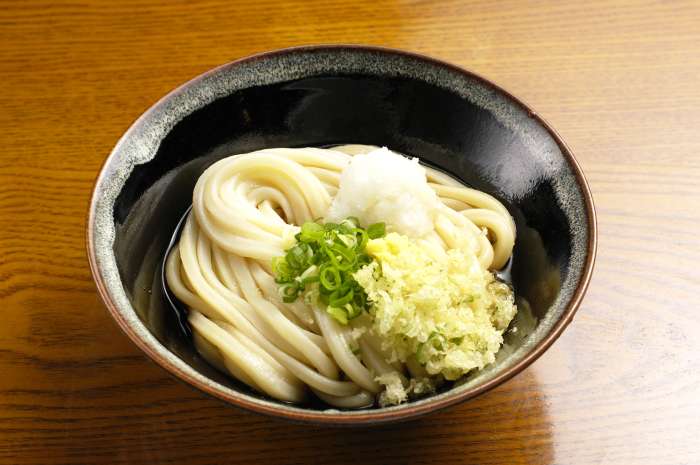
Sanuki Udon
EXPLORE | Udon, gardens & cherry blossoms
Kagawa is affectionately known as the “Udon Prefecture” for its iconic Sanuki udon, so why not start your visit with a hands-on Sanuki udon-making session at Nakano Udon School? Instructors guide you through kneading, rolling, and cutting your own noodles – and here’s a fun twist: part of the kneading process includes dancing on the dough to help it soften before it rests. If you prefer tasting over cooking, hire a “udon taxi” offered by local taxi companies, where drivers introduce you to their favorite udon shops around the city.
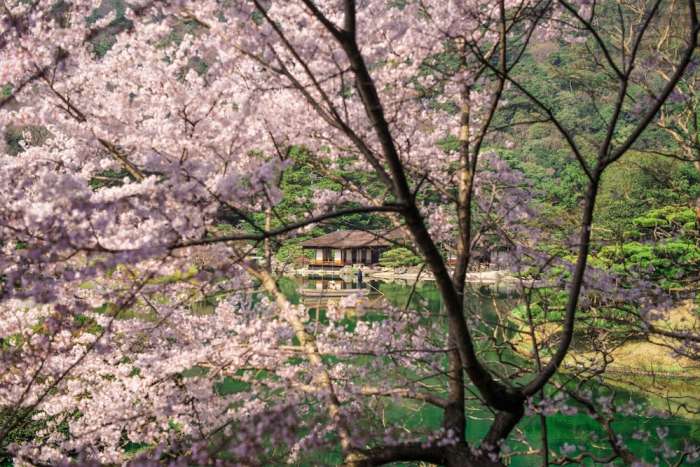
Ritsurin Garden
Continue to Ritsurin Garden, a Michelin Green Guide three-star garden known for its calm ponds, landscaped hills, and more than 300 cherry trees that bloom beautifully in spring. Then stop by Tamamo Park, home to Takamatsu Castle Ruins, where the seawater moat reflects soft sakura along the stone walls.
End your day with a walk at Sunport Takamatsu, watching ferries cross the Seto Inland Sea and witnessing the red lighthouse glow after sunset.
SEASONAL DELIGHT | Sakura sweets & wasanbon treats
Then wind down with Kagawa’s spring delicacies, such as sakura mochi or elegant wasanbon sweets crafted from the region’s fine-grain sugar. They’re light, subtly sweet, and perfect to enjoy at night – or to take home as thoughtful souvenirs.
Day 2: Tokushima (Iya Valley)
🚆 Kotohira (Kotohira Station) ▸▸▸▸▸ Oboke (Oboke Station)
RIDE | Kotohira to Oboke via a scenic train ride
Begin your day in Kotohira and board the Shikoku Mannaka Sennen Monogatari, a special sightseeing train that runs on select days (Mondays, Fridays, and weekends; reservation is required). Travelers can book a ride plan that includes a prepared onboard meal, making the scenic journey toward Oboke even more enjoyable. Alternatively, take the Limited Express (about 45 minutes) on the JR Dosan Line.
For those who prefer more flexibility, renting a car at Kotohira Station is also an option, especially if you plan to explore the deeper sections of Iya Valley.
EXPLORE | Mountain shrines, vine bridges & deep gorges
Start your journey at Kotohira-gu Shrine (Konpira-san), a historic mountain shrine reached by climbing 785 stone steps to the main hall. Along the way, you’ll find small shops selling local sweets and traditional souvenirs, adding charm to the climb.
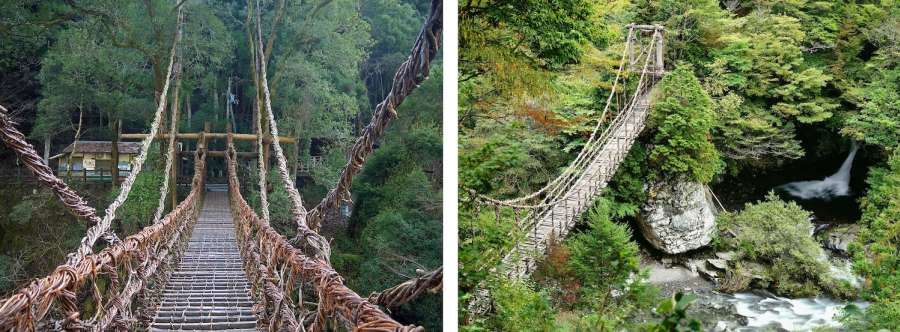
Iya Kazurabashi (left) and Oku-Iya Kazurabashi (right).
Continue deeper into Tokushima’s mountains to Iya Kazurabashi, a vine bridge suspended above a 14-meter-deep gorge – one of Iya’s most iconic sights. For a quieter and even more picturesque experience, visit the Oku-Iya Kazurabashi (Double Vine Bridges) surrounded by deep forests and clear river views. This bridge closes during winter and reopens in April, making it ideal for spring visits.
End the afternoon at Iya Onsen, where a unique cable car carries you down to a riverside open-air bath surrounded by forested cliffs and misty spring air.

Salt-grilled Ayu (Sweetfish)
SEASONAL DELIGHT | Spring mist & mountain flavors
Enjoy dinner featuring fresh river fish, mountain vegetables, and seasonal spring ingredients – a simple, earthy taste of Iya Valley before settling in for the night in the Iya Onsen or Oboke area.
Day 3: Ehime (Dogo Onsen & Botchan)
🚆 Oboke (Oboke Station) ▸▸▸▸▸ Matsuyama (Matsuyama Station)
RIDE | From Oboke to Matsuyama
Take the Shiokaze Limited Express train from Oboke to Matsuyama and enjoy views of the Seto Inland Sea coastline between Tadotsu and Matsuyama. From Matsuyama Station, you can ride an authentic “Botchan Train” to Dogo Onsen Station, which operates only on weekends and Japanese public holidays with limited frequency. For everyday travel around the city, hop on the local city tram operated by the Iyotetsu Group.
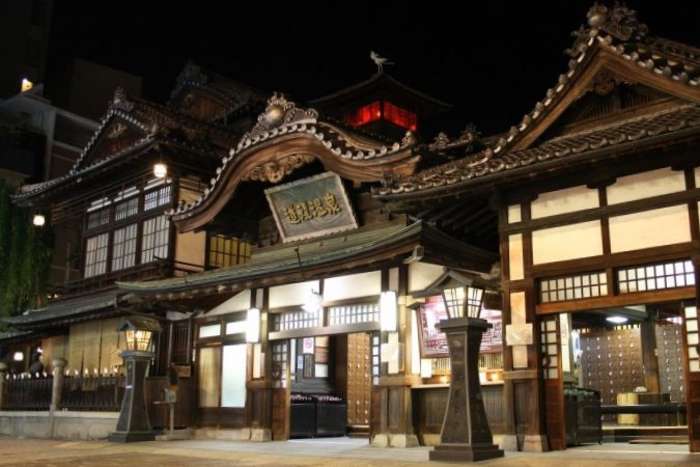
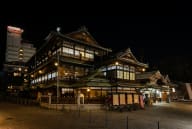
Dogo Onsen Honkan
EXPLORE | Crafts, sea views & onsen streets
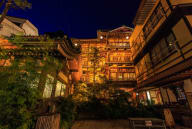
Arrive early in Dogo Onsen, one of Japan’s oldest hot springs. Enjoy the lively atmosphere of Dogo’s shopping street, soak in different bathhouses, or relax with free foot baths offered by several hotels. Don’t miss Dogo Onsen Honkan and the Dogo Onsen Annex Asuka-no-Yu for soothing onsen treatments. If you are staying in any of the onsen ryokans around the area, you may find some of them offering complimentary yukata for guests to wear while strolling the area.

Botchan Karakuri Clock
At the entrance of the Dogo Shopping Street stands the Botchan Karakuri Clock, where mechanical dolls appear every hour from 8 am to 10 pm, and every 30 minutes on weekends, public holidays, and peak travel periods. The name “Botchan” comes from a Japanese novel written by the famous author, Natsume Soseki. The story was inspired by his own experience of being dispatched to Matsuyama while he worked as a teacher.
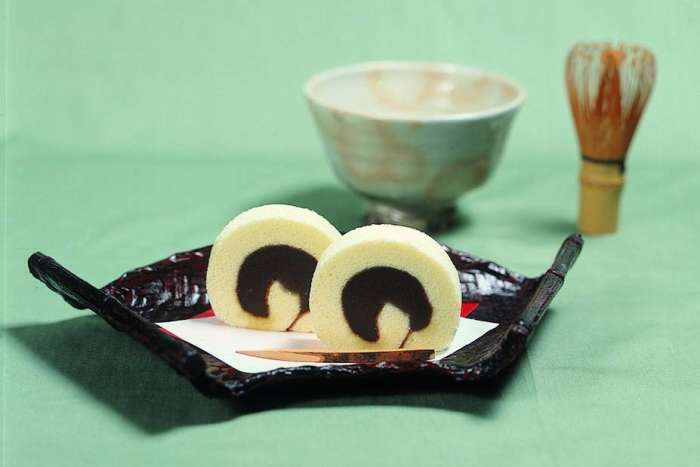
Matsuyama Tart
SEASONAL DELIGHT | Local sweets & sea bream delight
Taste one of Matsuyama’s local sweets known as “Matsuyama Tart”, a rolled sponge cake filled with yuzu-flavored red bean paste, which you’ll find in many shops around the city. Fun fact: one store along Dogo Shopping Street even serves a rare tart “tempura” version, a playful twist that surprises visitors. Another popular local sweet, inspired by the “Botchan” novel, is the Botchan Dango. Unlike regular dango, these mochi dumplings are wrapped on the outside with sweet pastes in three flavors – matcha, egg yolk, and red bean – creating their distinctive tri-colored look.
For dinner, try Ehime’s famous sea bream dishes. Taimeshi comes in two styles – Uwajima style with sea bream sashimi over rice, and Matsuyama style, where rice is cooked with a whole sea bream in a cauldron. Both make a warm, satisfying end to your day before settling in for the night in the Dogo Onsen area of Matsuyama City.

