




























2026.02 Mt. Takao: A Sacred Escape Within an Hour of Central Tokyo — Highlights and Special Tickets [PR]
A Sacred Mountain a Short Distance from the City Center
Just an hour from central Tokyo, Mt. Takao offers profound encounters with nature and spiritual culture that seem almost unimaginable given its proximity to the city. As you step onto the mountain, the clamor of urban life quietly fades, welcoming travelers with crisp air and scenery that changes with each season. On clear days, you can even catch a glimpse of Mt. Fuji, one of Japan’s most iconic symbols, from the summit. The view is an experience that transcends words and lingers long after your visit.
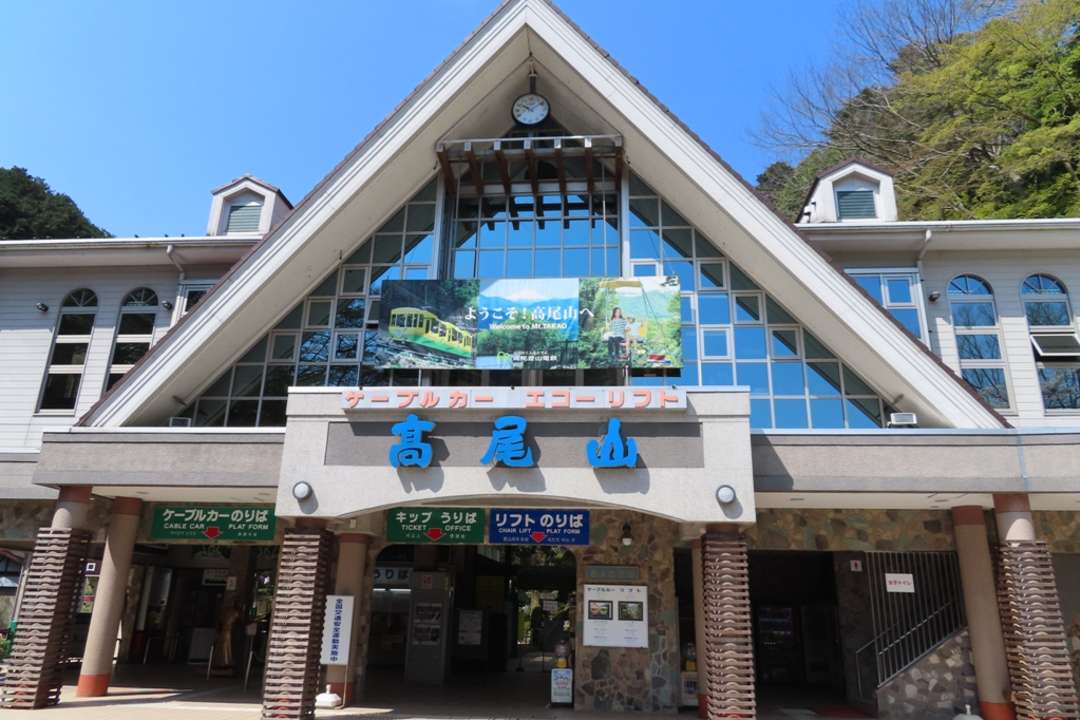
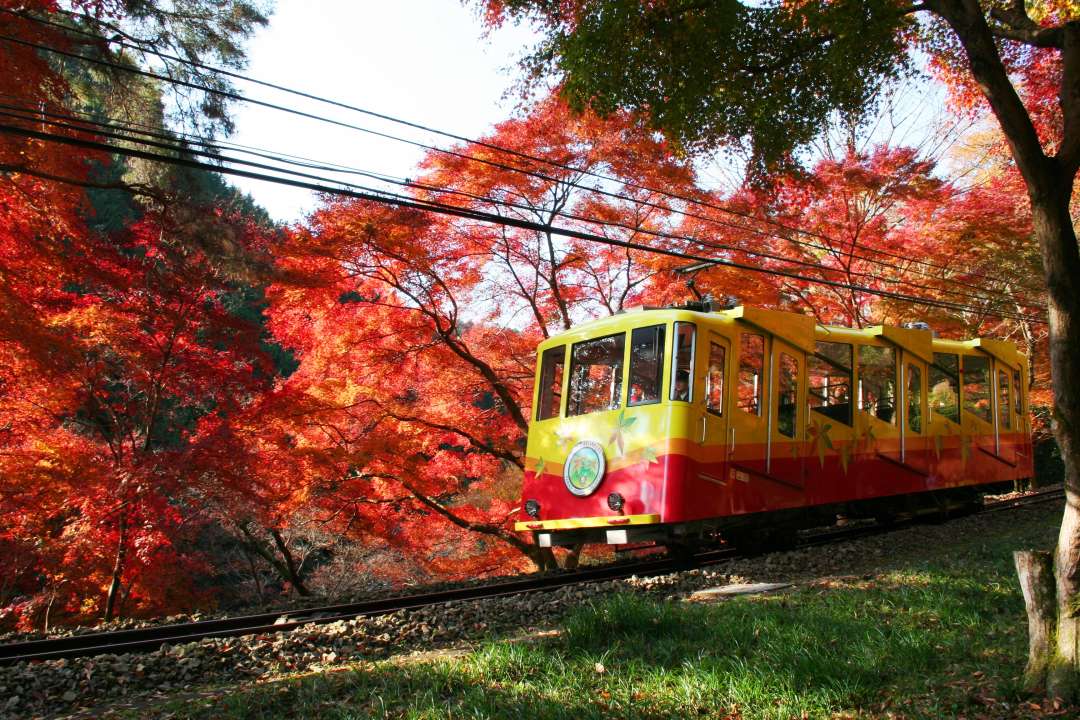
Another appeal of Mt. Takao is that each visitor can enjoy nature in a way that suits them. The cable car, which features the steepest incline in Japan, takes you to the mid-mountain area in about six minutes. Meanwhile, the chair lifts, gliding quietly through the forest, bring you even closer to nature. At Mt. Takao, there is more than just one gateway to nature, allowing you to choose the route that best matches your travel style.


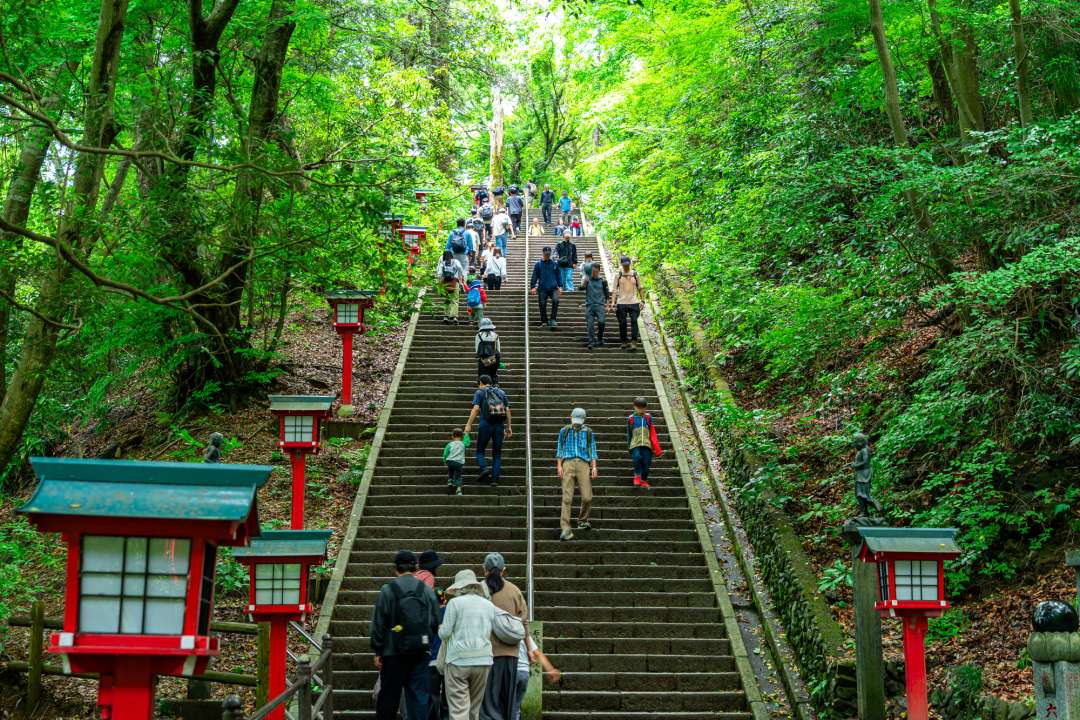
On the other hand, for those who prefer to experience the mountain on foot, Mt. Takao offers multiple hiking trails. From the paved Trail 1, easy for beginners, to Trail 6, which follows a stream and immerses you in lush natural surroundings, there are many paths to choose from depending on your experience and physical condition. Other options include the Inariyama Trail, as well as the Takao-Jimba Trail for those confident in their stamina. Whichever route you choose, the distinctive natural environment of Mt. Takao and its calming tranquility await.

Click here for the Mt. Takao Nature and Hiking Trail Map (English):


The Unique Scenery of Mt. Takao, Painted by Nature
Mt. Takao reveals a completely different character depending on the season and time of day you visit. From late May to June, fresh greenery envelops the mountain*. As you walk through the forest covered in young leaves, a refreshing landscape woven from light and shadow unfolds, drawing many visitors who come to enjoy forest bathing.
*The peak season for enjoying fresh greenery is typically from late May to June, but this may vary depending on weather conditions.


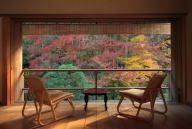
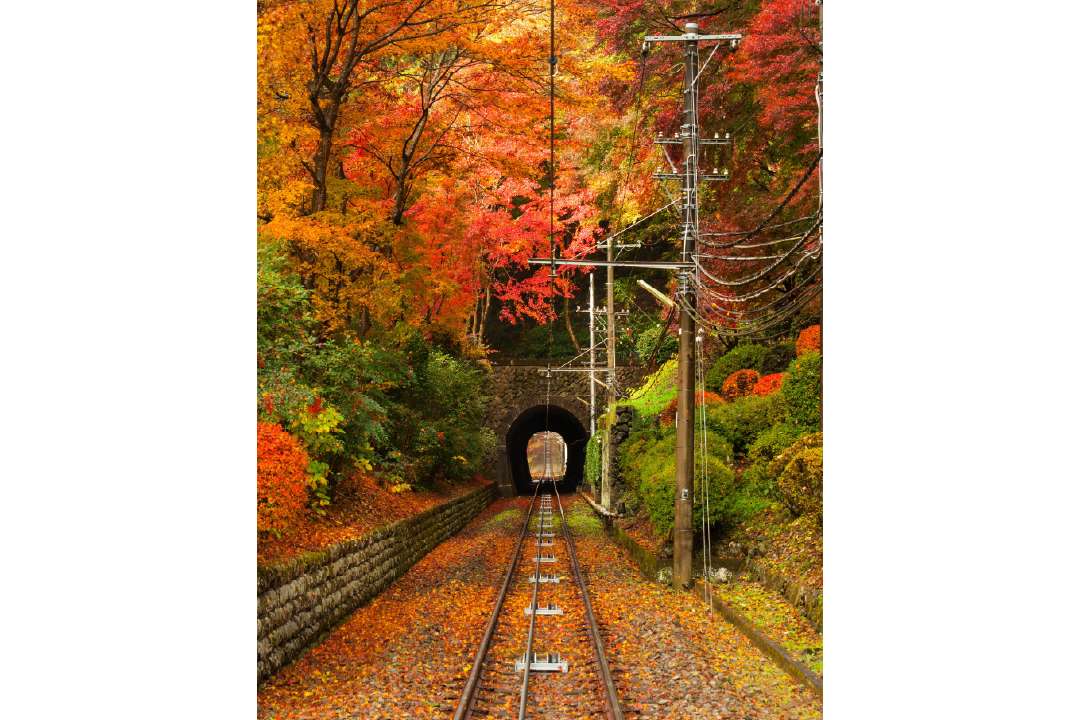
From late November to early December, the mountain transforms into a vibrant tapestry of color*. Layers of trees in shades of red and yellow create a delicate gradient of autumn foliage that is uniquely Japanese, offering a visual experience to enjoy.
*The peak season for viewing autumn leaves is typically from mid-November to early December, but this may vary depending on weather conditions.

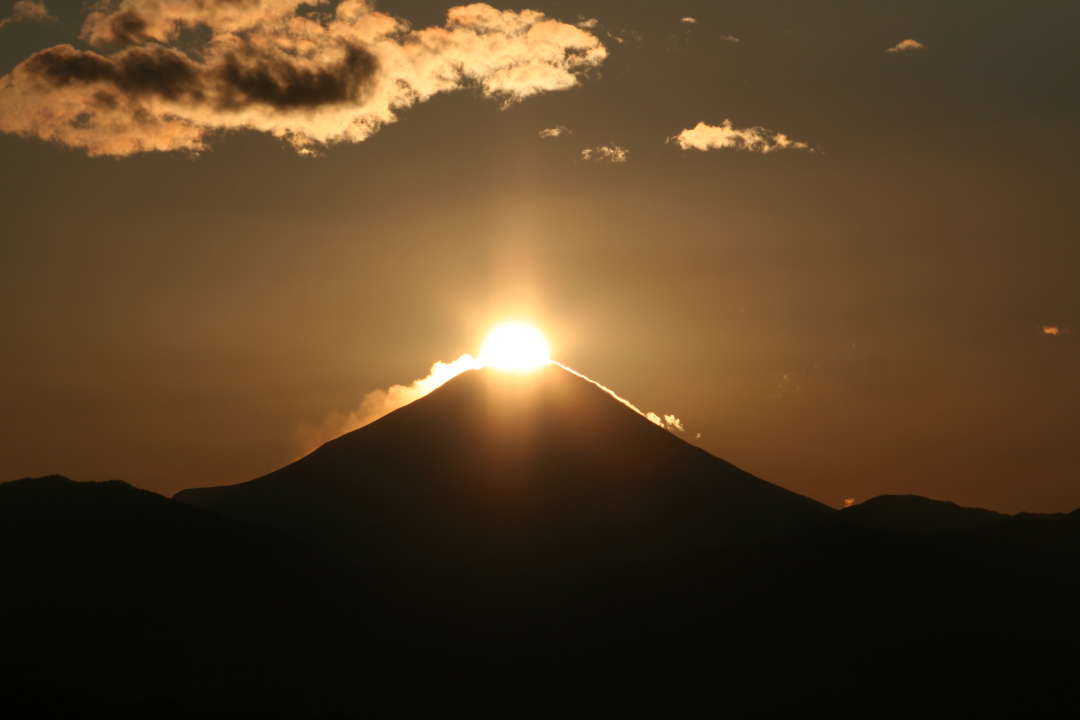
Additionally, around the winter solstice in December each year, when the weather and conditions are favorable, you may witness a special sight known as “Diamond Fuji” *. This occurs when the setting sun aligns perfectly with the summit of Mt. Fuji, creating the illusion of light radiating from the peak—one of the most striking natural phenomena you can witness at Mt. Takao.
*This phenomenon occurs annually around the winter solstice. For 2025, the best viewing period was December 17 to 28.
Time-Honored Spiritual Havens
A sacred sanctuary where 1,200 years of history and Tengu power live on
Walking through Mt. Takao is more than just hiking; it is a journey through a living tapestry of history, woven over centuries by nature and faith, and imprinted with the prayers of the people. Along the way, you will encounter numerous symbolic sites where faith and nature continue to thrive. Here, we introduce key locations where travelers can “discover and experience” the spirituality of Mt. Takao.
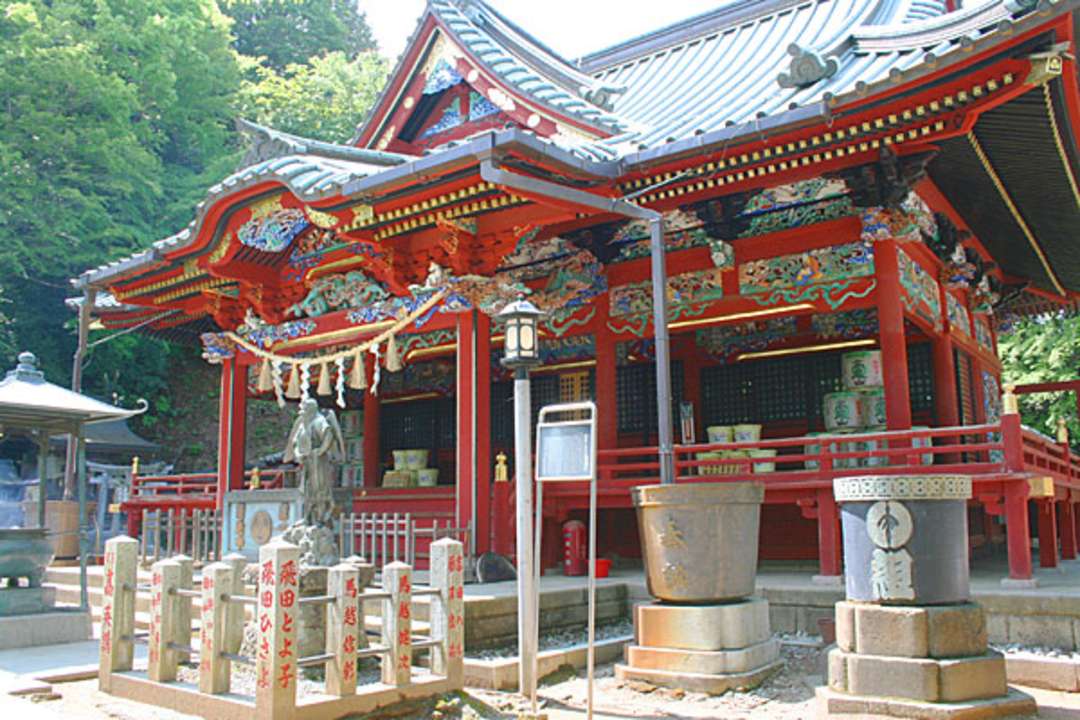
Sacred ground of Tengu worship: Head Temple Takao-san Yakuo-in
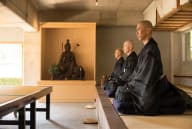
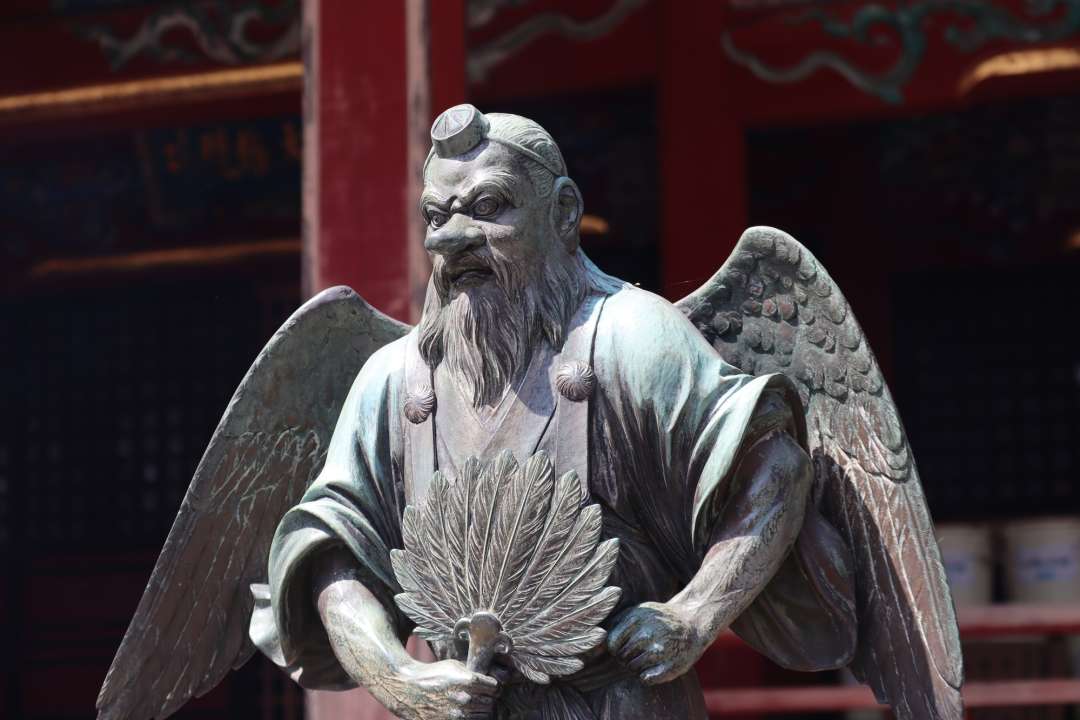
Head Temple Takao-san Yakuo-in is a venerable temple said to have been founded in 744 by the bodhisattva Gyoki. From the medieval period onward, it developed as a sacred site for Shugendo (mountain asceticism) and became closely associated with Tengu worship (Izuna Daigongen). Tengu are believed to protect worshippers, and numerous Tengu statues are enshrined within the temple grounds, preserving the history of mountain worship to this day.
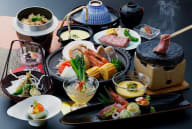
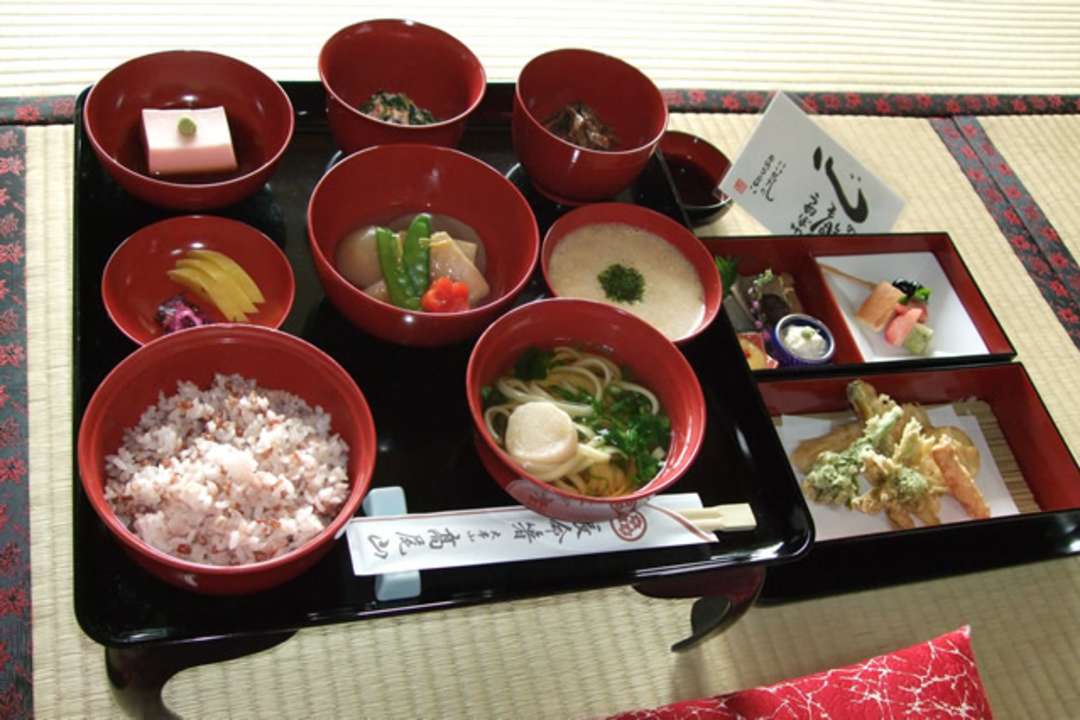
Practices such as waterfall asceticism at Biwa Waterfall and sutra copying continue to be passed down. Fire-walking, a ritual to purify and ward off misfortune, is performed during specific festivals and events. Visitors are also encouraged to experience traditional shojin-ryori (Buddhist vegetarian cuisine) based on Buddhist precepts, available by reservation, to harmonize mind and body. Shojin-ryori is more than just avoiding animal products; it is a spiritual culinary tradition that respects the seasonal nature and natural bounty of ingredients. Both preparing and eating the food are considered a form of ascetic practice.



Takosugi, a symbol of good fortune
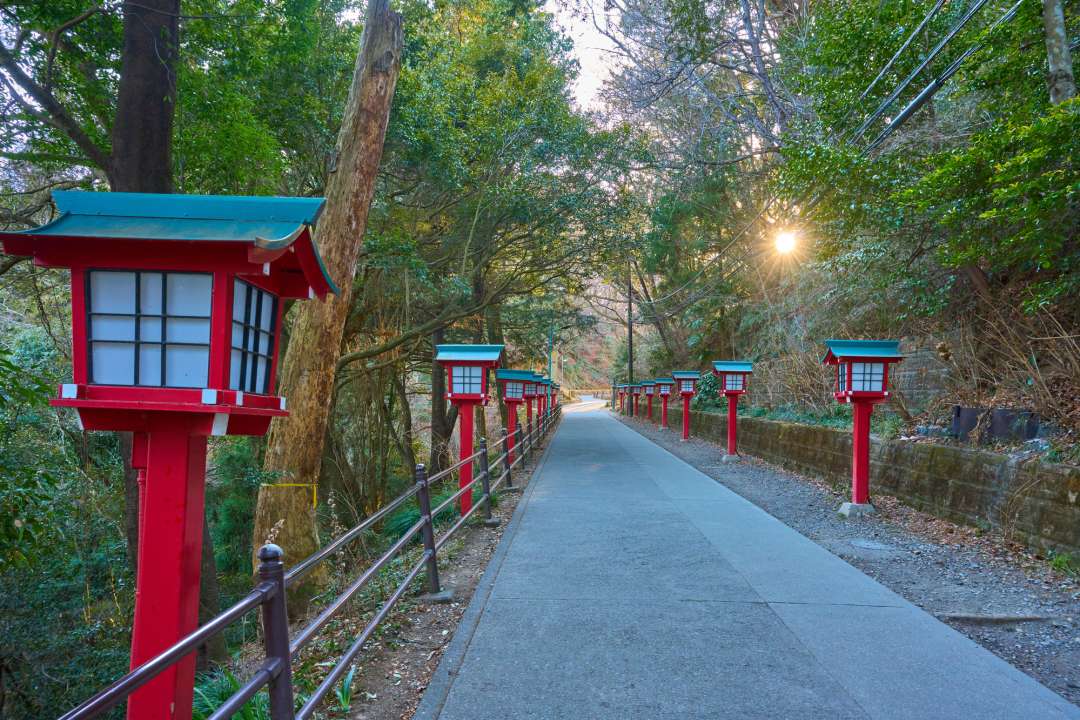
Just a few minutes after disembarking from the cable car or chair lift, the giant Takosugi (lit. “octopus cedar”) appears along the approach path. Over 450 years old and reaching a height of 37 meters, it earned its name because its roots twist and turn near the surface, resembling the tentacles of an octopus. It has long been cherished as a symbolic presence where the power of nature and the prayers of the people converge. Today, it has become a place where visitors stop to quietly join their hands in prayer, wishing for good fortune and the blessings of the mountain.
Right next to it is the Kaiun Hippari Dako, or the “luck-pulling octopus,” which is believed to attract good fortune, such as career success, finding a good partner, and other personal blessings.


Mystical highlights
Other story-filled spots scattered throughout the mountain include: Tengu’s Resting Cedar, where Tengu are said to sit watching over the mountain; Joshin-mon Gate standing at the entrance to the approach; and Biwa Waterfall, a water ritual site regarded as the origin of Tengu worship.



Exquisite Cuisine and Healing Natural Hot Springs
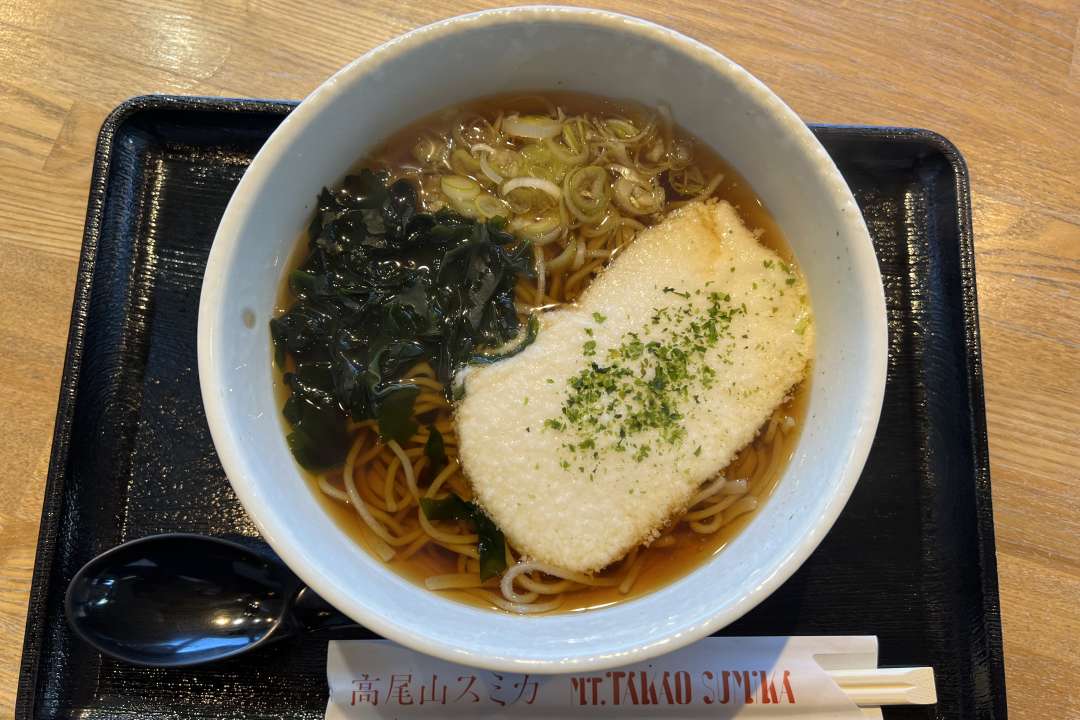
When visiting Mt. Takao, don’t miss the traditional dish Tororo (grated mountain yam) soba, prized for its deeply savory flavor. You can enjoy it casually at teahouses along the hiking trails during your trek. For souvenirs, try the Tengu Yaki, generously filled with anko (red bean paste) made from Hokkaido black beans. This popular treat, reflecting Mt. Takao’s Tengu-related heritage, can be purchased at Takaosansumika, near the cable car’s Takaosan Station.

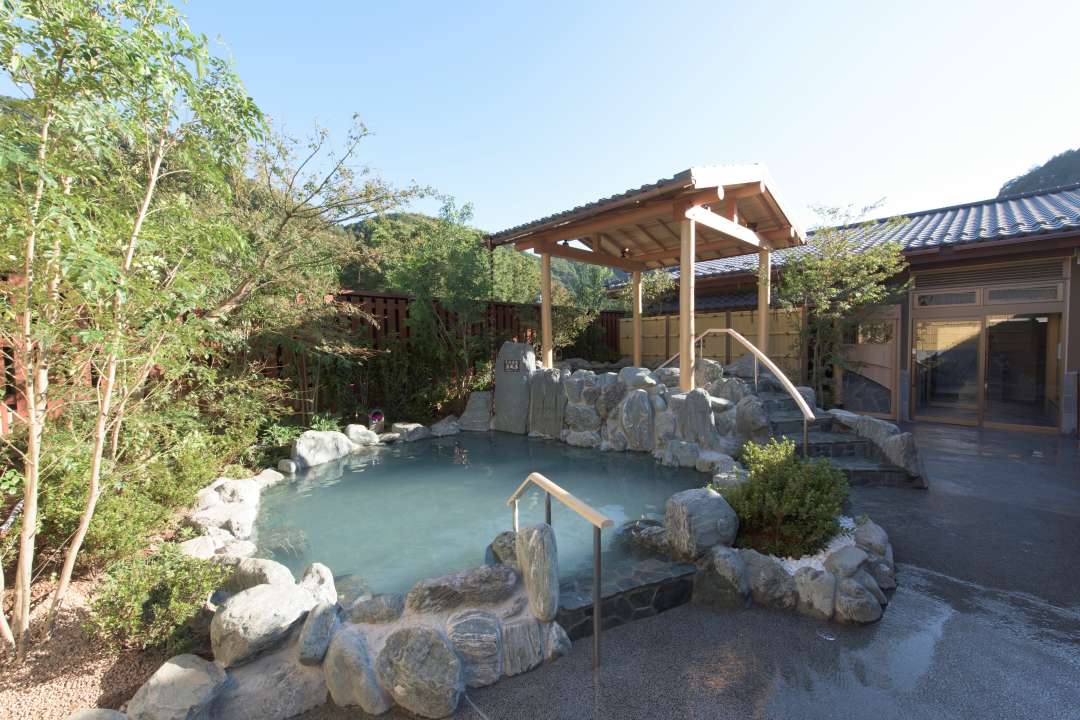
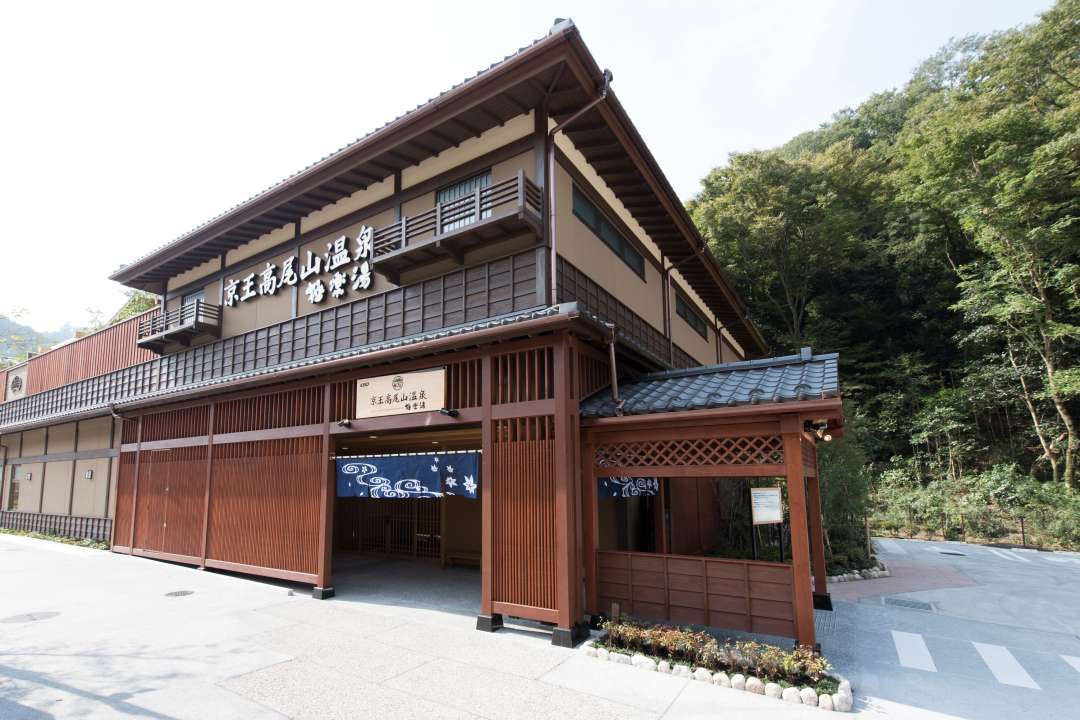
The charm of Mt. Takao continues even after you descend the mountain. Right next to Takaosanguchi Station on the Keio Line, Keio Takaosan Onsen Gokurakuyu offers multiple ways to relax, including natural hot springs and outdoor rock baths with temperatures suited to your preference or physical condition, as well as an outdoor stone-pitch carbonated bath that provides a gentle tingling sensation. These allow you to soothe your pleasantly tired muscles after hiking. The moment you unwind in the hot springs after a day immersed in nature is sure to be a luxurious and deeply satisfying experience to conclude your journey to Mt. Takao.

Mt. Takao welcomes many travelers as an “accessible sacred spot” you can visit whenever the mood strikes. From Shinjuku, the fastest route takes just 50 minutes via the Keio Line Limited Express train (not the reserved-seat supplementary-fare service). Direct trains also run from Shinjuku to Takaosanguchi Station, providing comfortable access without transfers. You can even enjoy the ride as part of your adventure.
When visiting, prepare moisture-wicking, quick-drying clothing and comfortable hiking boots for a safe and comfortable climb, and stay on the designated trails. It is also important to follow rules and etiquette to protect the natural environment, including taking all your trash away with you.
Also, be sure to check out the special offer tickets (digital tickets) for international visitors, which provide a great way to enjoy Mt. Takao at excellent value.
Special Passenger Tickets for Tourists Visiting Japan
Digital tickets for international visitors combine multiple passes with special benefits. They include a Keio Line/Inokashira Line 1-day passenger ticket, enabling access from Shinjuku or Shibuya to Mt. Takao, as well as travel around Mt. Takao and to Shimokitazawa or Kichijoji. As these are digital tickets that require no exchange for paper passes, travelers can start using them at any time on their designated travel date.
*As of February 2026. For details, please refer to the news release from Keio Corporation and the sales websites.
・Mt. Takao + Keio 1-day Ticket
https://www.kkday.com/en/product/27490-tokyo-keio-one-day-ticket-mt-takao-cable-car-chair-lift-tickets-japan
https://www.klook.com/activity/24660-keio-inokashira-train-ticket-mt-takao-tokyo/?dd_referrer=
Related Links
Official Website |
| URL: https://www.gltjp.com/en/mt-takao-plusone/ |
News Release: Special Offer Tickets for Foreign Visitors to Japan |
| URL: https://www.keio.co.jp/news/update/news_release/news_release2025/pdf/nr20250508_inbound_eng.pdf |
Keio Takaosan Onsen Gokurakuyu |
| URL: https://www.takaosan-onsen.jp/english/index.html |
Takao-san Yakuo-in Temple |
| URL: https://www.takaosan.or.jp/english/ |
Takaotozan Railway / Takao Monkey Park The Wild Plant Garden |
| URL: https://takao--monkey--park-jp.translate.goog/?_x_tr_sl=ja&_x_tr_tl=en&_x_tr_hl=ja&_x_tr_pto=wapp |
