





















2026.01 Matsusaka, a City of Meat and Wealthy Merchants -Savor Matsusaka beef at its source and stroll streets steeped in Edo-period atmosphere-[PR]
Matsusaka, a City of Meat and Wealthy Merchants—This city is defined by two iconic symbols: the world-renowned Matsusaka beef, as well as Matsusaka cotton, a traditional textile craft that dates back to the Edo period. Once a thriving post town that produced numerous prosperous merchants, Matsusaka developed deep roots in commerce and culture. The indigo-dyed striped fabrics woven here, where textile techniques have been carefully refined, became highly popular in Edo. Even today, it remains a place where tradition and modernity intersect, offering experiences like Matsusaka beef cuisine, cotton-related workshops, and strolls through the townscape, all while deeply preserving the land’s history.
As visitors imagine the culture of Edo-period merchants, they can experience Matsusaka’s unique charm through its food and craftsmanship—a warm and distinctive encounter found only in this city.
Savoring the Story of Matsusaka Beef Rooted in This Land

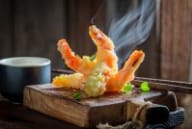
Matsusaka beef is one of the world’s most celebrated brands of beef. Only cattle that meet strict criteria, such as being Japanese Black heifers that have not given birth, and having been fattened for a designated period or longer in specific regions, are permitted to bear the name “Matsusaka beef.”
Its exquisite marbling, often described as a work of art, creates an exceptionally tender, melt-in-your-mouth texture thanks to the fat’s low melting point, along with the distinctive sweet, savory aroma characteristic of Wagyu.

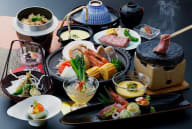
One must-visit destination is Gyugin Honten, a long-established restaurant founded in the Meiji period. In its atmospheric tatami rooms, guests can enjoy premium Matsusaka beef prepared in a variety of styles, including sukiyaki and mizutaki—beef simmered in a sweet soy broth and water, respectively.
Yakiniku is another staple way to indulge in Matsusaka beef. Beloved local yakiniku restaurants serve a wide range, from A4 and A5 grade loin and kalbi (rib) to rare cuts and offal, grilled over charcoal or flame via a traditional wire mesh to bring out their deep flavor. Part of Matsusaka’s appeal lies in this versatility: the ability to enjoy its luxurious beef both in the refined setting of historic restaurants and in relaxed, casual eateries.
Matsusaka Cotton’s Popularity in Edo and Its Wealthy Merchants

During the Edo period, the culture of Matsusaka’s townspeople was supported by the high-quality textile known as Matsusaka cotton. Distinguished by its indigo-dyed striped patterns, this cotton was both durable and soft to the touch, and it spread throughout Japan as everyday clothing for common people.
As hand-woven cotton production and distribution flourished in Matsusaka, many wealthy merchants emerged. One of the most well-known among them was the Hasegawa Jirobei family, who operated the cotton wholesaler Tambaya in Edo’s Odenmacho district. By shipping Matsusaka cotton to Edo, they accumulated remarkable wealth.

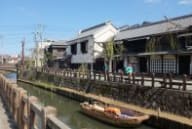
The Former Hasegawa Residence is a grand machiya townhouse now designated as a National Important Cultural Property. Its black-walled storehouses and stroll garden offer a vivid glimpse into this prosperous era. Inside the compound, visitors can learn about the lifestyle of wealthy merchants and the workings of the cotton trade, immersing themselves in the spirit of merchant culture from that era.
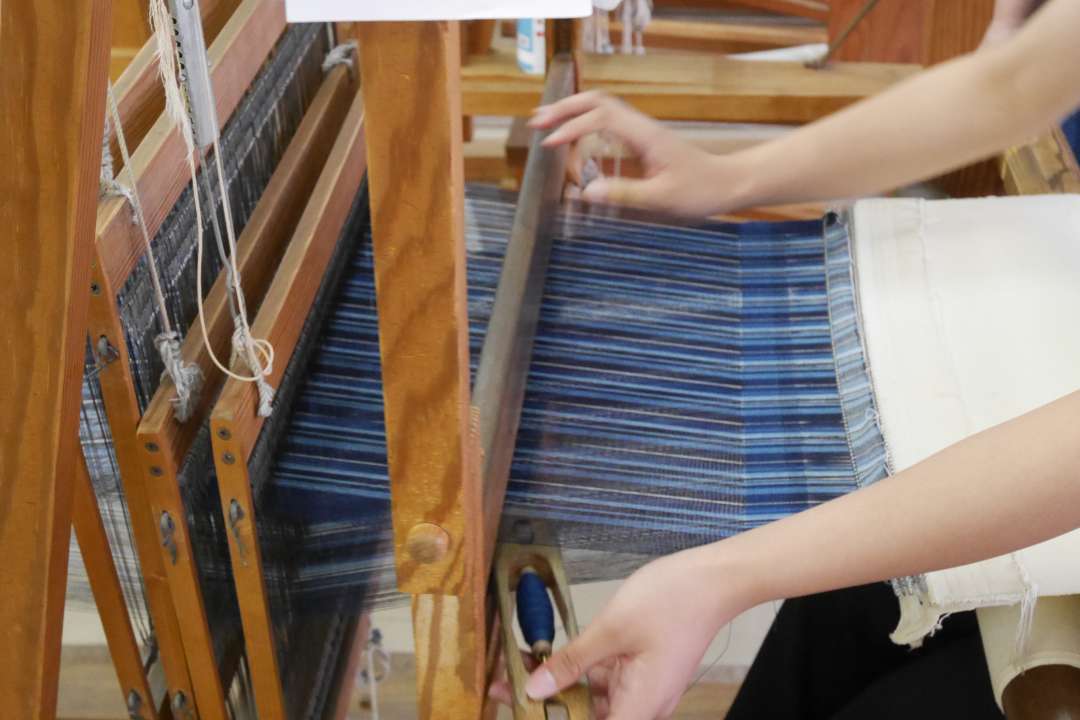
At the Matsusaka Cotton Center, visitors can experience traditional techniques firsthand. Under the guidance of skilled artisans, you can try hand-weaving Matsusaka cotton or don a cotton kimono and stroll through town, engaging with Matsusaka’s culture with all five senses.
Strolling Through the Edo-Era Castle Town and Enjoying Matsusaka Tea and Chicken Yakiniku

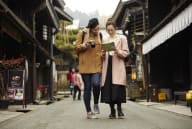
The area surrounding the Matsusaka Castle Ruins retains a strong sense of its former role as a castle town, inviting visitors to wander through its townscape steeped in history. Centered around the base of the castle ruins, the castle town area offers leisurely walks that capture the atmosphere of an Edo-period fortified city.
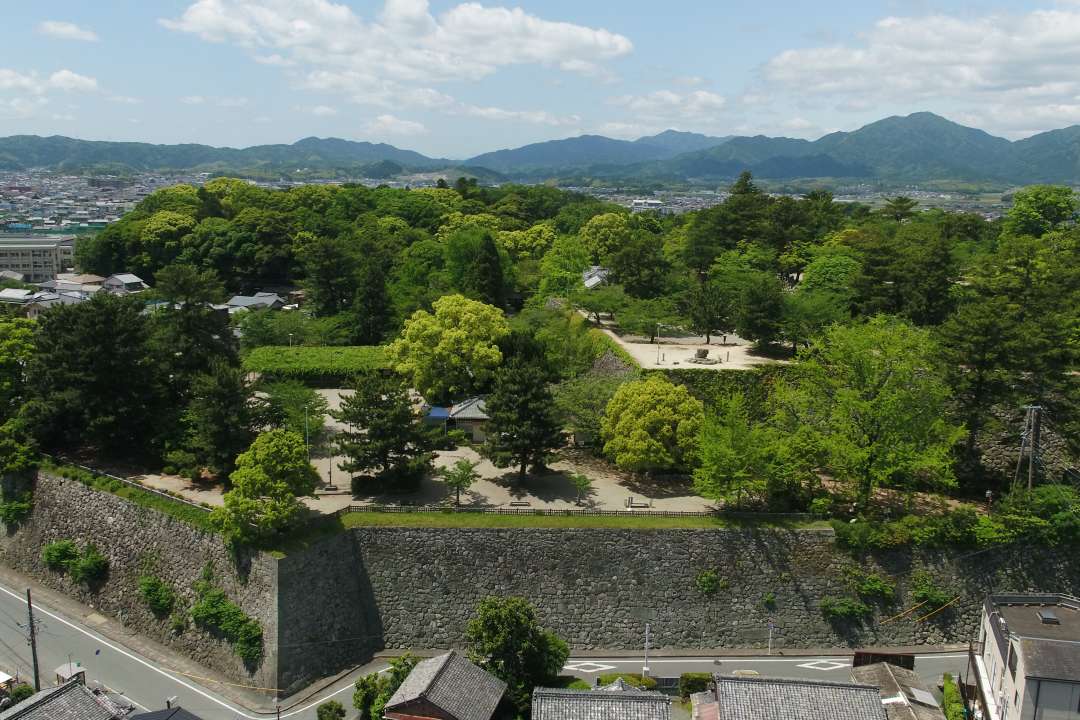
A particular highlight is the Gojoban-yashiki. Designated a National Important Cultural Property in 2004, this valuable complex features rows of samurai residences divided by yew plum pine hedges, lining a stone-paved lane that connects the castle’s rear gate and Karamete Gate remains. As you walk this path with the ruins rising behind, it feels as though time itself quietly unfolds around you.

After a good long walk, be sure to sample one of Matsusaka’s local specialties: Matsusaka chicken yakiniku. This signature style features chicken coated in a sweet and savory miso-based sauce and grilled over a wire mesh or slotted grill plate. Grilling over such surfaces rather than using skewers is a defining feature of this dish, making it a beloved example of local comfort food.
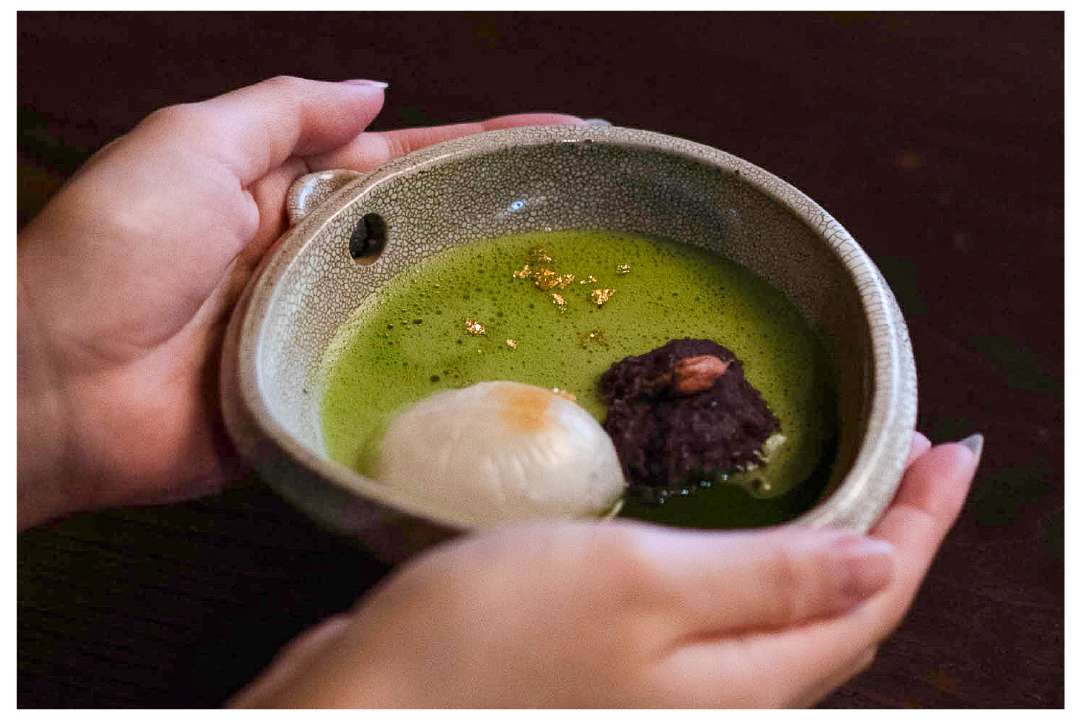

For a relaxing break, the place to go is Tea and Antiques: Usagi no Koya. This tea salon, renovated from a machiya townhouse more than a hundred years old, is ideal for resting after exploring the town. Inside, visitors can savor high-quality locally produced Matsusaka tea, along with sweets made using Uji matcha and light meals like matcha-infused broth rice bowls (chazuke-style).
Indulge in the world-renowned Matsusaka beef, and engage with the heritage of Matsusaka cotton through hand-weaving and kimono dressing. Through its food and culture, Matsusaka reveals its history to be appreciated through all five senses. Rooted in the culture of Edo-period wealthy merchants, the city offers a special blend of preserved streetscapes and modern cuisine and experiences. By savoring its specialties, engaging with its crafts, and wandering its streets, visitors are sure to bring home a vivid impression of Matsusaka’s enduring story.
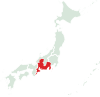
Located in central Mie Prefecture, Matsusaka City enjoys convenient access from major metropolitan areas including Nagoya, Osaka, and Kyoto. Thanks to its many options for transportation, it also serves as a practical base for exploring nearby destinations such as Ise, Toba, and Shima. Approximate travel times are three hours from Tokyo via the Shinkansen bullet train through Nagoya, one hour and 50 minutes by train from Kyoto Station, and one hour and 30 minutes by train from Osaka-Namba Station.
Related Links
Matsusaka City Tourism Promotion Site |
| URL: https://matsusaka-info.jp/english/ |
Matsusaka Tourism Official Instagram |
| URL: https://www.instagram.com/discover_matsusaka |
Gyugin Honten |
| URL: https://www-gyugin--honten-co-jp.translate.goog/?_x_tr_sl=ja&_x_tr_tl=en&_x_tr_hl=ja |
Former Hasegawa Residence |
| URL: https://www.matsusaka-kanko.com/language/en-hasegawa/ |
Mastusaka Cotton Hand-Weaving/Kimono Experience |
| URL: https://www.matsusaka-kanko.com/tour/en/ |
Tea and Antiques: Usagi no Koya |
| URL: https://www.instagram.com/usaginokoya/ |
