






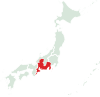



































Some of Japan’s most memorable travel experiences begin with cuisine. On a recent visit to Mie Prefecture, we discovered one such place in the seaside town of Nakiri, Shima: Katsuo no Tenpaku, where artisans continue to produce katsuobushi using traditional methods that have been preserved for centuries.
Near Daiozaki Lighthouse, overlooking the Pacific Ocean, Tenpaku’s traditional smoking hut offers a glimpse into a quieter side of Japan. Step inside and the atmosphere immediately changes as warm smoke fills the wooden building with the rich aroma of bonito and firewood.
Here, katsuobushi is made using the traditional tebiyama method, a smoking technique dating back to the Edo period and now practiced by only a handful of producers in Japan. The process takes approximately six months from start to finish. During that time, the bonito is cut, simmered, repeatedly smoked, and fermented to develop its distinctive flavor. The result is one of the foundations of washoku, traditional Japanese cuisine, and a source of the deep umami flavor found in dashi broth.

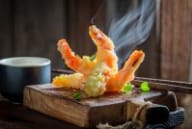
Visitors can experience this craftsmanship up close, try shaving their own katsuobushi, and taste freshly prepared dashi. One highlight is freshly shaved bonito served over steaming rice. The delicate flakes dance in the rising heat as they release an irresistible smoky aroma.

High-quality katsuobushi from Nakiri has long been prepared as an offering to Ise Jingu, a shrine with a history that stretches back some 2,000 years. This tradition reflects the important role katsuobushi has long played in the culture and religious practices of the region.
For travelers looking to go beyond simply eating Japanese food, Katsuo no Tenpaku offers a chance to discover the people, craftsmanship, and traditions behind one of Japan’s most essential flavors.

On your next journey to Japan, follow the scent of smoke to the coast of Mie, and discover where umami begins.
LEARN MORE:Katsuobushi Bonito Flakes from Japan Japan's Best to You
