
























Use the
Planning a Trip to Japan?
Share your travel photos with us by hashtagging your images with #visitjapanjp
Ametsuchi Sightseeing Train. Photo credit: West Japan Railway Company
Chugoku Winter Trail: Sand Dunes, Snowy Peaks and Historic Towns
The Chugoku region in western Japan is a hidden gem where coastlines meet mountains and history lingers in the streets. In winter, its landscapes turn calm and beautiful with the snow-dusted dunes of Tottori, the sparkling slopes of Mt. Daisen, and the softly lit canals of Kurashiki. Embark on scenic train rides and cultural discoveries with this six-day itinerary that connects you to the quiet charm and timeless towns of Japan’s mystic west.
🚆 Osaka (Osaka Station) ▸▸▸▸▸ Tottori (Tottori Station)
✈️ Tokyo (Haneda Airport) ▸▸▸▸▸ Tottori (Tottori Airport)
Getting to Tottori in the Chugoku Region
Start your journey in Tottori, which is easily accessible by train or flight from Japan’s major cities. From Osaka, the JR Limited Express Super Hakuto connects directly to Tottori in about 2.5 hours. From Tokyo, travelers can take a domestic flight from Haneda Airport to Tottori Sand Dunes Conan Airport (approximately 80 minutes) – the perfect starting point for an adventure onward to Okayama and Hiroshima across western Japan.
Day 1: Tottori (Tottori City & Misasa Onsen)
🚆 Osaka (Osaka Station) ▸▸▸▸▸ Tottori (Tottori Station)
RIDE | From Osaka to Tottori
Enjoy a scenic 2.5-hour ride through the countryside aboard the JR Limited Express Super Hakuto from Osaka to Tottori Station. If you’re lucky, you might catch the special Detective Conan-themed Super Hakuto train, which honours the famous manga’s creator who was born in this area.
From Tottori Station, local buses take about 35 minutes to reach the Tottori Sand Dunes. Travelers who prefer more flexibility can rent a car, which makes it easier to explore multiple stops throughout the day.
Tip: Winter roads can be icy and slippery. If you are driving, do some research beforehand to ensure a smooth, safe trip. Check the weather forecast, ensure your rental car is fitted with winter tires, and always drive slowly and carefully. Those new to winter driving may prefer arranging local transport or joining a guided tour.

Tottori Sand Dunes
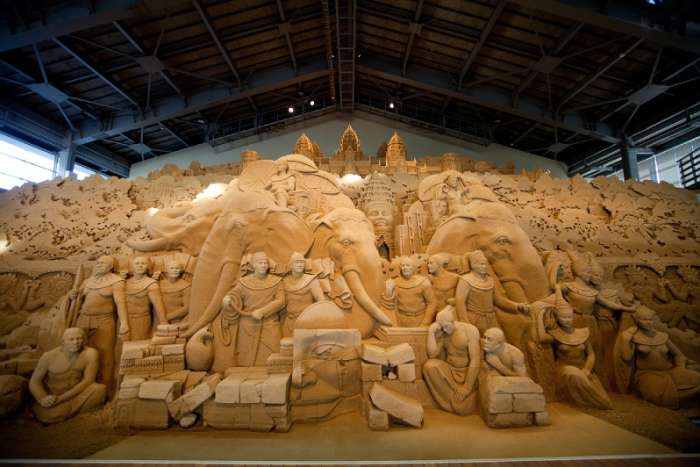
The Sand Museum
EXPLORE | Sands, art, and culture
Marvel at the vast Tottori Sand Dunes, Japan’s largest desert-like landscape shaped by the Sea of Japan winds. In winter, the dunes are sometimes dusted with snow, creating a rare and striking contrast of white over gold. Beside them, the Sand Museum showcases intricate sand sculptures that change their theme each year, crafted by artists from around the world.
Continue your cultural journey at Nashikkokan, the Tottori Nijisseiki Pear Museum, an interactive space dedicated to the region’s famous 20th-century pears. Explore seasonal exhibits, sample unique pear treats, and learn how this beloved fruit became a symbol of Tottori.
From the Pear Museum, continue west toward Misasa Onsen to end your day in a peaceful hot spring town surrounded by countryside views. Since the route to Misasa is less connected by public transportation, having a rental car makes this transition smoother and more flexible.
🚆 Tottori (Tottori Station) ▸▸▸▸▸ Kurayoshi (Kurayoshi Station)
For those not driving, you can return to Tottori Station after the Sand Museum and try a short tofu chikuwa making experience at Tofu Chikuwa Laboratory. Tofu chikuwa is a traditional food of eastern Tottori Prefecture, made by mixing tofu with fish paste, shaping it into a tube, and gently grilling it. After that, take the scenic Ametsuchi sightseeing train (where schedule permits) or a regular JR train to Kurayoshi Station to reach the Pear Museum.
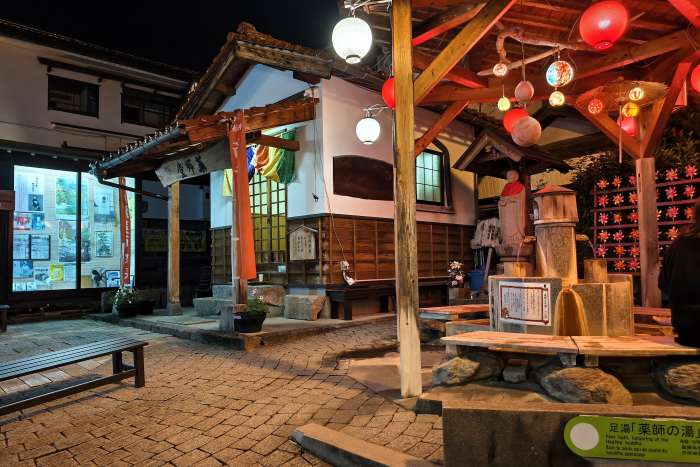
Misasa Onsen town

Matsuba crab (snow crab), a winter delicacy.
SEASONAL DELIGHT | Hot springs and winter flavors
End the day in Misasa Onsen, a peaceful hot spring town known for its naturally radioactive, high-radon waters believed to promote circulation and relaxation. Stroll along the quiet onsen street, enjoy a free public foot bath, and even try the mineral-rich spring water, which is safe to drink at designated spots.
Many ryokans in the area serve Matsuba crab in winter, offering this prized snow crab in comforting seasonal meals. If you picked up pears earlier at Nashikkokan, note that some restaurants provide a pear-cutting service for a small fee, simply check with the staff.
Day 2: Tottori (Mt. Daisen)
RIDE | From Misasa Onsen toward Mt. Daisen
Start your morning by driving out from Misasa Onsen toward Mt. Daisen. The route naturally passes Hokuei Town where the Gosho Aoyama Manga Factory is located, making it an ideal first stop before heading into the mountains.

Mt. Daisen
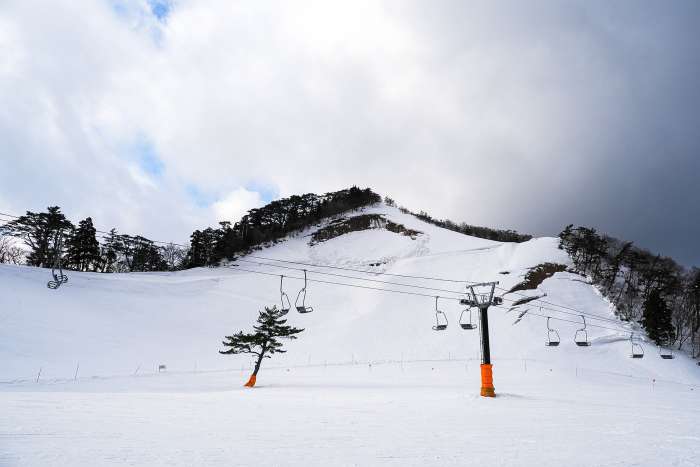
Daisen White Resort
EXPLORE | Manga, mountains, and snowy fun
Begin exploring at the Gosho Aoyama Manga Factory, a charming museum celebrating the creator of Detective Conan. Browse original drawings, life-sized scenes, and fun photo spots that bring the manga world to life, and pick up limited-edition souvenirs.
Continue your drive to Mt. Daisen, rising 1,729 meters above sea level and often called the “Mt. Fuji of the West” for its graceful silhouette. In winter, enjoy snow play, sledding, and beginner-friendly skiing at Daisen White Resort, with scenic mountain views all around.
Optional (summer & autumn): Mt. Daisen is also a popular outdoor playground with camping and glamping bases, athletics activities, grass sledding, and river trekking, great for families, nature lovers, and adventure seekers.
Nearby, Daisenji Temple and the stone-lined approach to Ogamiyama Shrine offer a peaceful contrast with their ancient stone steps and cedar-lined paths under a dusting of snow.
SEASONAL DELIGHT | Cozy stay in the snow
End the day at a mountain lodge or family-run inn near Daisen White Resort. Enjoy hearty winter dishes such as hot pots and grilled seafood while warming up by the hearth. As night falls, the quiet of the mountains and the crisp, cool air create a tranquil winter retreat before your journey continues south.
Day 3: Okayama (Kurashiki City)
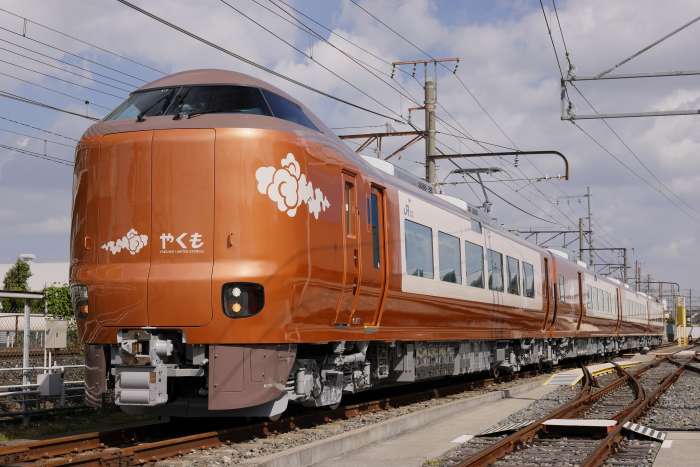
JR Limited Express Yakumo. Photo credit: West Japan Railway Company
🚆 Yonago (Yonago Station) ▸▸▸▸▸ Kurashiki (Kurashiki Station)
RIDE | From Yonago to Kurashiki
Start your morning by driving toward Sakaiminato to visit Mizuki Shigeru Road, then drop off your rental car at Yonago Station before boarding the JR Limited Express Yakumo to Kurashiki. This two-hour train ride winds comfortably through peaceful countryside and mountain views.
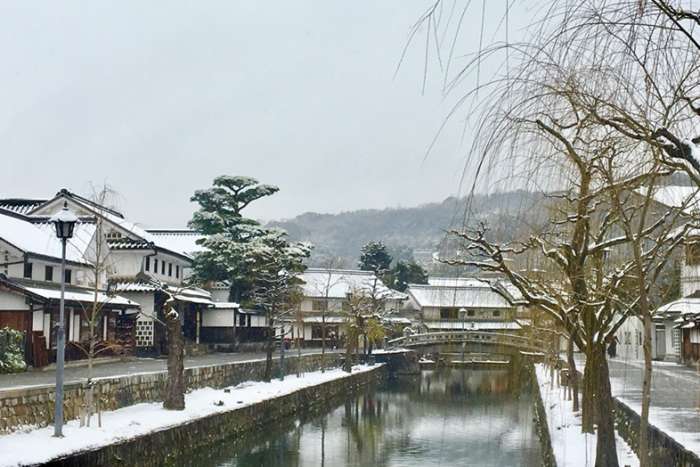
Kurashiki Bikan Historical Quarter. Photo credit: Kurashiki City Tourism Council
EXPLORE | Yokai charm, canals, and timeless streets
Begin your day at Mizuki Shigeru Road in Sakaiminato, a lively street lined with over 150 bronze statues of yokai (spirits) from the manga GeGeGe no Kitaro. Enjoy quirky cafés, themed shops, and photo spots that bring Shigeru Mizuki’s famous characters to life.
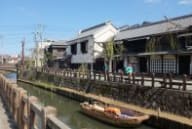
Then continue to Kurashiki’s Bikan Historical Quarter, where time seems to stand still with the canal-lined streets framed by white-walled merchant houses, willow trees, and charming stone bridges. Visit the Ohara Museum of Art, Japan’s first museum to feature Western masterpieces, and explore nearby craft shops, boutiques, and galleries housed in renovated warehouses. Many travelers choose to stay in a traditional hotel or renovated heritage inn within the quarter, where the atmosphere feels both nostalgic and serene.
SEASONAL DELIGHT | Light, warmth, and local sweets
As evening falls, stroll through Kurashiki’s gentle winter illuminations, which cast a soft glow over the canals. Warm up with a cup of coffee in a café or treat yourself to a seasonal fruit parfait made with Okayama’s famous white peaches or muscat grapes. It’s a picture-perfect way to end a wintry day in one of Japan’s most charming towns.

