






























Sustainable Destinations Craftsmanship in Higashihiroshima and Takayama: Experiencing Living Tradition Through Sake and Handicrafts
In 2024, UNESCO added the traditional knowledge and skills of sake-making to its List of the Intangible Cultural Heritage of Humanity. The inclusion marked yet another recognition of Japan’s traditional craftsmanship, one of the most intriguing parts of the country’s rich material culture. Two outstanding places for exploring this world-renowned heritage are Higashihiroshima, a city long famed for its sake brewing, and Takayama, where artisans have been making exquisite woodcrafts for more than a thousand years. Both cities offer visitors the opportunity to experience their traditions in fun and engaging ways that also help ensure the crafts are passed down to future generations.
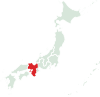
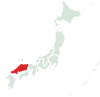
Higashihiroshima City (Hiroshima)
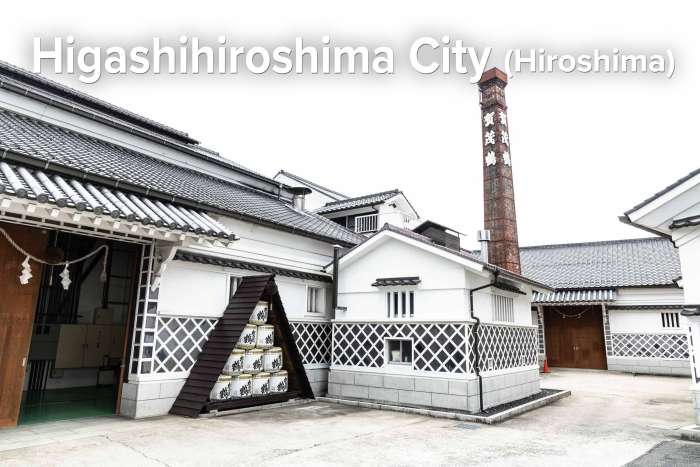

Uncovering the Secrets of a Renowned Sake Town and its Brewers
Higashihiroshima is considered one of Japan’s three foremost sake-brewing areas, alongside Fushimi (Kyoto) and Nada (Kobe). When stepping out of Saijo Station and walking down the main boulevard, the city’s passion for its sake industry is unmistakable. The manhole covers, the local mascot, footpaths—even the City Hall building—are designed with a nod to Higashihiroshima’s sake-brewing roots. In the Saijo Sake District next to the station, seven breweries encourage visitors to explore this sake culture in a hands-on manner. A wide variety of experiences offer visitors an engaging and insightful way to do so while helping to keep the local brewing scene humming.
A Century-Old Sake Legacy
The area’s sake industry rose to prominence in the late nineteenth century, when local sake brewer Miura Senzaburo developed the soft-water brewing method, and all seven breweries in the Saijo Sake District have been operating for over 100 years. In addition to its sake industry, Higashihiroshima is home to four universities and a large international community, and it promotes itself as a city of sake, learning, and international exchange. The overlap between these three core elements is essential to the health of the local sake industry.
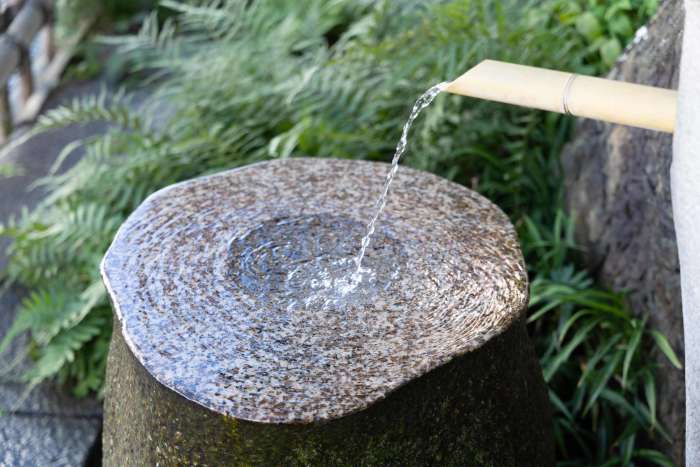
The pure water flowing from Mt. Ryuo is a cherished local resource
From a young age, Higashihiroshima schoolchildren visit sake breweries to learn about farming and the importance of the local ecosystem. Water from nearby Mt. Ryuo is central to the community; so much so that many residents visit the brewery district to collect the soft, mineral-balanced water that flows there for tea and coffee making, and local bakeries use it to bake their bread. The legacy of sake brewing permeates, and is perpetuated by, the local community.
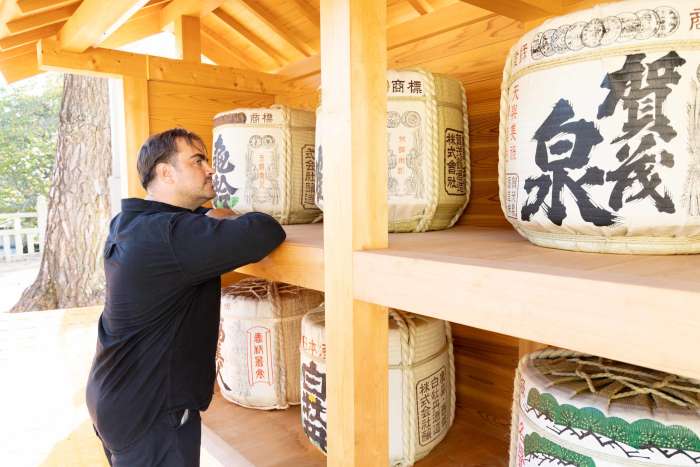
Traditional sake barrels are displayed at a local Shinto shrine
Deep Dives into Sake Culture: The Kamotsuru Brewing Tours
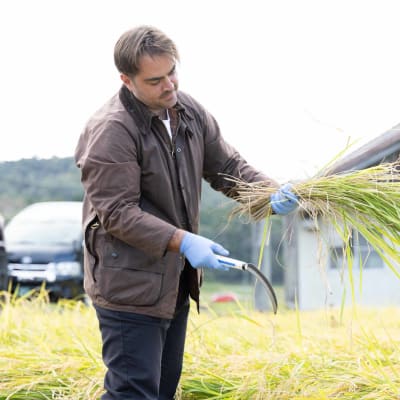
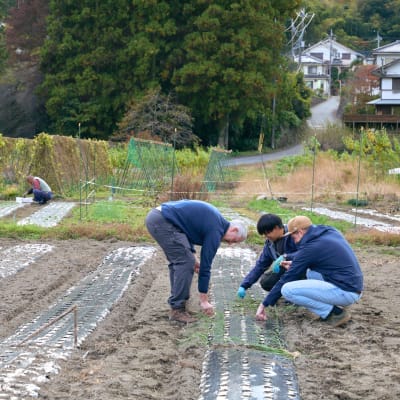
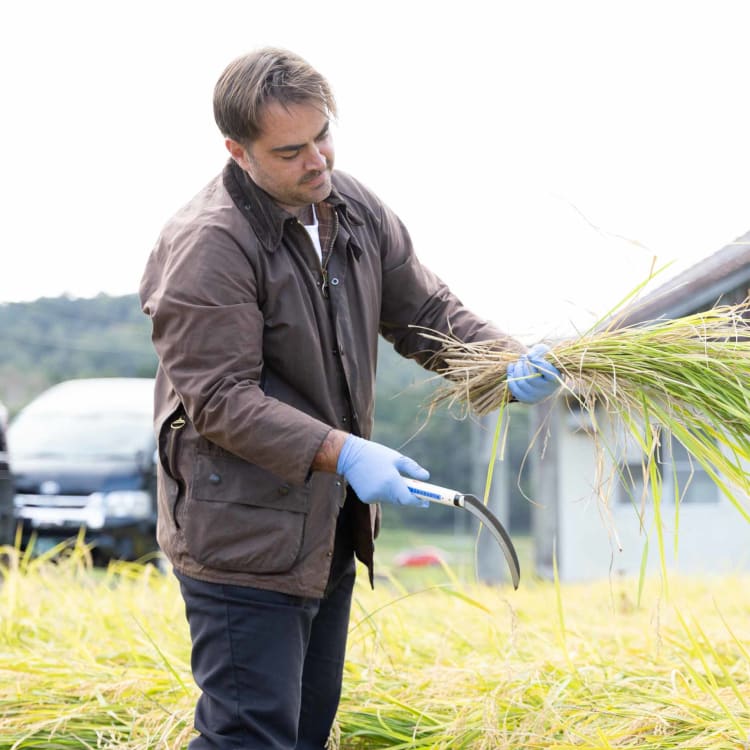
Our visit to Higashihiroshima coincided with one of the initiatives that have made the city a mecca for sake enthusiasts from Japan and abroad: a two-day sake tour run by Kamotsuru Brewery. These seasonal hands-on tours invite participants to experience each stage of the nine-month sake-making process, from planting rice in spring to harvesting in the fall and brewing in winter, thereby promoting sake culture through contact with the wider sake ecosystem. The autumn tour we took part in connected participants with rice farmers, sake researchers, and machinery manufacturers, providing comprehensive insight into the world of sake.
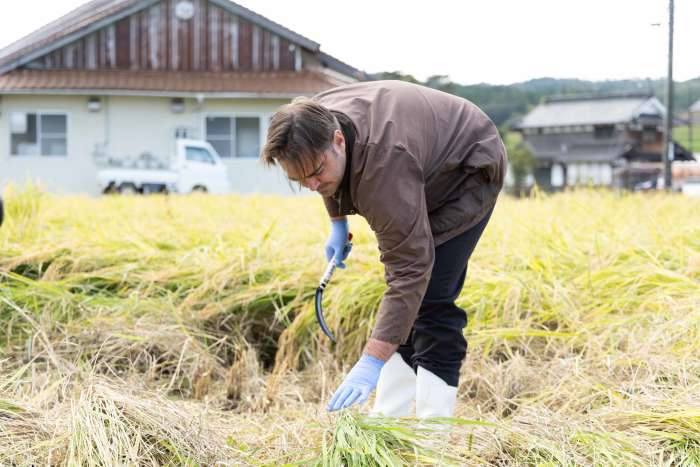
Learning how to harvest the rice used to brew sake
The tours are led by brewery staff, including some of Kamotsuru’s master brewers, who add valuable insider perspective to the experience. One of our guides, master brewer Nakasuka Genji, told us how he decided to undertake a brewing apprenticeship after visiting the annual Saijo Sake Festival at the age of 18. Now Nakasuka is studying wooden sake barrel construction and long-established brewing techniques to produce traditional wood-aged sake. This regular influx of fresh blood into the industry ensures that skills and knowledge are passed on to each new generation of local artisans.
A Stroll Through Sake Heritage in Saijo
The best place to get a taste of Higashihiroshima’s sake culture is the Sake District next to Saijo Station, where Kamotsuru and six other breweries welcome visitors. Start your stroll through the area at the Kamotsuru Sake Museum Shop, housed in a renovated sake brewery from 1872. It’s your one-stop shop for fine brews, sake-flavored sweets and snacks, and insight into the process and history of sake brewing and appreciation.
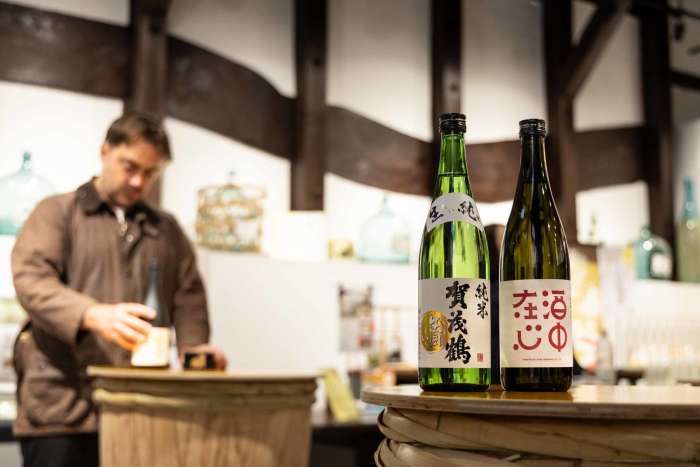
A selection of Kamotsuru’s libations
Brewery tours, tastings, and other experiences are offered year-round in Higashihiroshima; even visitors who aren’t fond of drinking sake will find programs to choose from. You can browse the full selection and make reservations at the Discover East Hiroshima website.
Sustainability Spotlight

Ogata Tomoko
Product Manager, Discover East Hiroshima
While some areas in other parts of the country struggle to pass on their local traditions to younger generations, Higashihiroshima is creating a template for cultural preservation through its holistic approach to environmental, economic, and cultural sustainability. Visiting the town, we found that this forward-looking strategy is already paying dividends.
Particularly notable is how Higashihiroshima and its brewers have taken great strides in making sake culture accessible to overseas visitors. With the help of the local government, organizations such as Discover East Hiroshima support tour guide training, arrange English-language support for brewery tours, and encourage local residents and students to engage with international tourism. Over the past few years, Higashihiroshima has seen a major uptick in the number of visitors from abroad, and some students have gone on to become local guides.
For Ogata Tomoko, Product Manager at Discover East Hiroshima, Higashihiroshima is more than a sake-making city; it’s a destination for sustainable tourism and cultural preservation. “In the early 1900s, there was a push here to develop sake as a serious industry,” she explains. “Tourism initiatives started around 2010. Since then, the aim has been to preserve sake culture in ways that are sustainable.” Since the early 2000s, the local community has been active in conservation efforts in and around Mt. Ryuo, the city’s main water source. A portion of the proceeds from every bottle of sake sold, Ogata says, is used to contribute to these efforts and to protect the local way of life. “We have been serious about environmental conservation long before terms like the Sustainable Development Goals became common,” she notes.

Collaboration between the breweries in events like the annual brewery open day in April, Ogata says, has been another key to their success. “All breweries do what they can during that month, while our organization handles promotion and coordination,” she explains. “Brewery tours are offered in English, and tour guides are trained to ensure visitors can enjoy the town without placing an extra burden on the brewery staff.”
According to Ogata, the future of Higashihiroshima’s sake industry depends on both economic and cultural sustainability. “Tourism initiatives are closely tied to sustaining the sake industry itself,” she notes. “And without a thriving industry, tourism wouldn’t be possible.” With an approach that emphasizes environmental preservation, local and international collaboration, youth engagement, and sustainable travel, she says they’ve already seen promising results. Vibrant Higashihiroshima continues to live by the words of Miura Senzaburo: “100 trials, 1,000 improvements.”
Higashihiroshima is easy to reach—it’s only about 40 minutes by train to Saijo from central Hiroshima—and the Sake District is located right outside Saijo Station. It’s a place worth putting on your radar, whether you’re a seasoned sake drinker or just starting to discover the world of Japanese brews.
Links
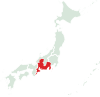
Takayama City (Gifu)
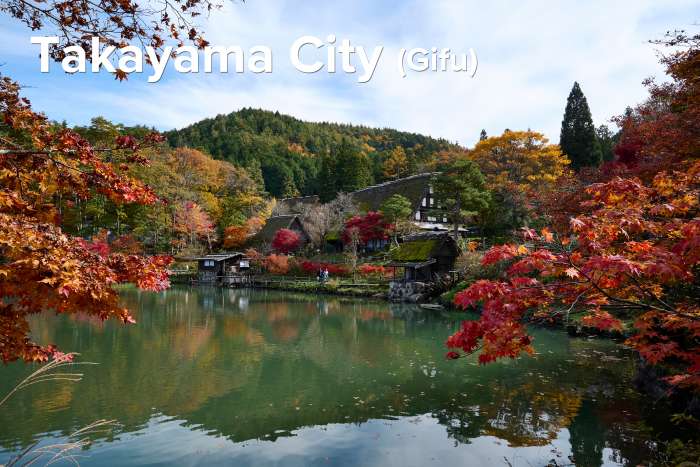

The Experts of Hida: Supporting 1,300 Years of Tradition
The city of Takayama in the Hida region draws many travelers from around the world with its quintessentially Japanese charm, from a quaint old townscape with historic wooden buildings to unique traditional crafts and local cuisine. Underpinning the local culture is an ancient artisanal heritage: more than a thousand years ago, Hida no takumi (literally “Experts of Hida”) woodworkers were sent to the nation’s capital to construct the first iterations of some of the country’s most enduring shrines and temples.
The region’s passion for careful, skilled craftsmanship doesn’t stop at its carpenters, though. Over the centuries, this dedication has extended to its confectioners, brewers, and farmers. The Hida no takumi tradition lives on in Takayama today—and can be experienced firsthand at two places within 10 minutes’ drive from Takayama Station.
Hida no Sato: Meet the Guardians of Tradition
Perched above the city of Takayama in Hida, Hida no Sato offers panoramic vistas of the nearby mountain ranges and close-up views of the area’s traditional crafts. The open-air museum, established in 1971, is dotted with picturesque thatched-roof houses and seeks to preserve local crafts and culture as living traditions. Here, visitors can observe artisans at work and try their hand at pottery, embroidery, weaving, and other crafts.
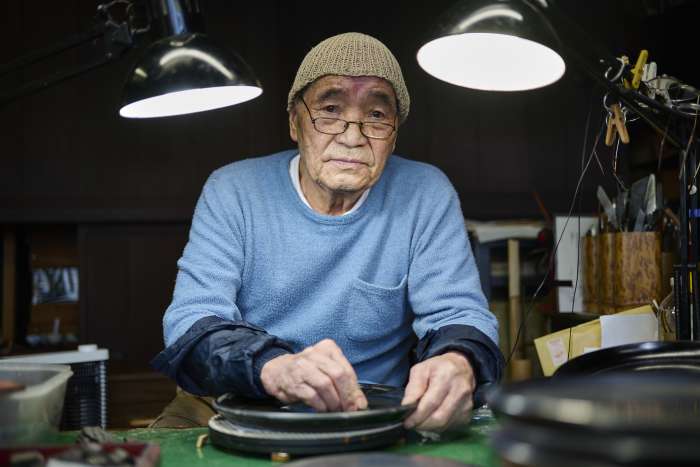
Lacquerware artisan Koido Minoru
One of the museum’s longest-serving resident artisans is Koido Minoru. Born in 1938, Koido has lived and worked at the museum since it opened and, during that time, has single-handedly revived Hida Nuri, one of the region's oldest lacquerware traditions. Hida Nuri is a labor-intensive style of lacquerware that uses locally sourced timber and lacquer to create pieces in which the wood grain is hidden under a deep, lustrous surface. Hida Nuri had all but disappeared in the early twentieth century, but Koido revived the technique through decades of research.
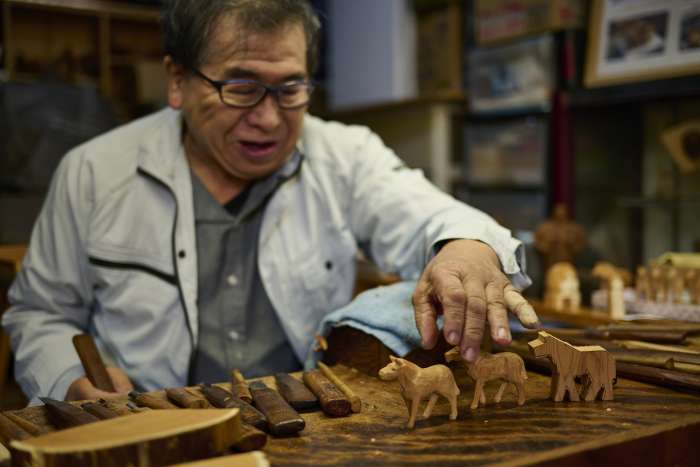
Master woodcarver Yamashita Masayuki
Near Koido’s workshop, Yamashita Masayuki is the museum’s resident Ichii Ittobori woodcarver. Originating with craftsmen who decorated shrines and festival floats, Ichii Ittobori wood carving is one of the region’s oldest traditions. The style uses wood from Japanese yew trees, which can take up to 300 years to reach a usable size.
Museum Hida: Marvel at Crafts Masterpieces
Museum Hida is a crafts-focused museum inside the Hida Earth Wisdom Center* in the hills above Takayama. Recounting the history of local artisanship from the Hida no takumi of ancient times to modern-day craftsmanship in fields such as furniture, the museum also encompasses a shop that sells select crafts products.
*The Hida Earth Wisdom Center will be closing for an indeterminate period in March 2027.
Made by Hida Takayama: Branding for the Future
Made By Hida Takayama is an initiative run by the city of Takayama that designates high-quality, authentic local products from the Hida-Takayama area. More than 30 items have been certified at present, ranging from foods to crafts, including Ittobori wood carvings, Hida Shunkei lacquerware, and local produce such as Hida Norikura leeks, Takane honey, and Sukuna pumpkin. The goals of the initiative include supporting craftspeople’s livelihoods, preserving traditional techniques, and using tourism and commerce to protect cultural heritage.

A selection of Hida Shunkei lacquerware
It is a component of the city’s vision for tourism, in which the everyday life and lifestyles of local people are held up as Takayama’s greatest asset—a “treasure” to be cherished and cared for. This approach netted the city a Green Destinations Silver Award in 2024, when Takayama was recognized for its commitment to sustainable urban development and efforts to balance tourism with preserving its culture and natural environment for future generations.
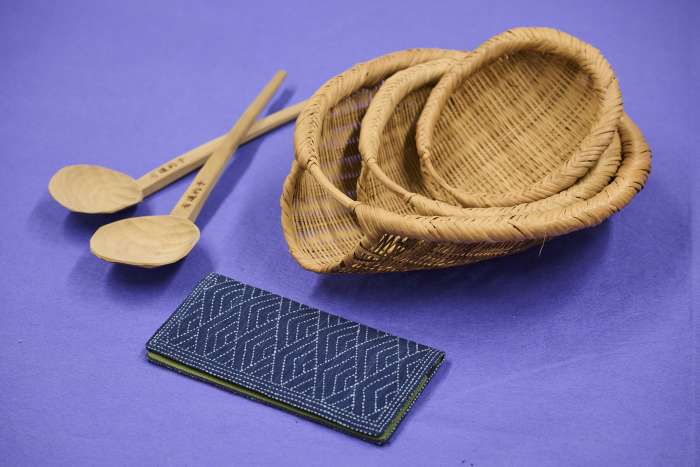
Uto Shakushi ladles, Koyana Shoke bamboo baskets, and Hida Sashiko embroidery
Every purchase of a Made by Hida Takayama product helps to support both the livelihoods of artisans and the preservation of traditional crafts and culture. In addition to the products themselves, the initiative has raised the profile of traditional techniques that have been taken up by a fresh crop of artisans. Items like wooden Uto Shakushi ladles and crafts like Koyana Shoke bamboo weaving had all but disappeared until new craftspeople helped revive them. Innovation has been another welcome result, with new artisans developing contemporary applications for traditional skills. Now, through various collaborations and showcases, the initiative is also helping the new generation of Hida no takumi find audiences for their crafts at home and abroad.
Sustainability Spotlight
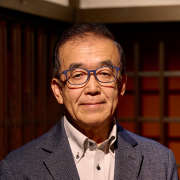
Tanaka Akira
History and Curatorial Advisor, Hida no Sato
Tanaka Akira, Hida no Sato’s History and Curatorial Advisor, is optimistic about the future of Hida’s traditional crafts. “Recently, a local woman started creating nail designs using Shunkei lacquer,” he notes. “It’s been well received. She handles the design herself while working with local lacquer artisans who craft the base materials.” While purists may scoff, without this type of collaboration, traditional crafts wouldn’t last long, Tanaka suggests. “On the other hand, innovations like this rely on preserving traditional techniques,” he explains. “Without that foundation, nothing new can be made.”
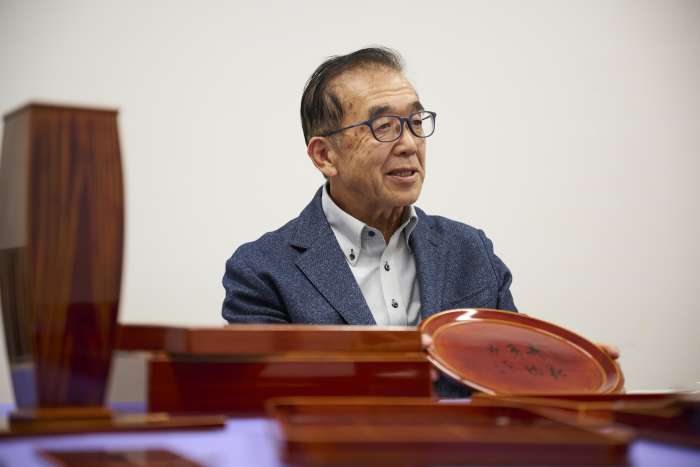
In Hida, though, this penchant for renewal isn’t new. The tradition of Hida no takumi craftsmanship has been revered for generations not just by locals, but also by those who travel to the region year after year. “The drive to sustain and evolve traditional craftsmanship is what makes Takayama remarkable,” Tanaka says. “There’s a saying here that if a craft faces extinction, locals and newcomers alike will step up to save it.”
One of the key criteria of the Made By Hida Takayama initiative, he says, is that products eligible for designation must be produced in accordance with the lifestyle of the local people. When asked to describe that lifestyle, he smiles. “In Takayama, there’s no such word as ‘outsider’. Visitors are called tabi no hito – travelers. A traveler who comes, stays, and becomes part of the town is cherished. That spirit of hospitality remains strong. People are warm, always willing to help, and happy to guide visitors. It’s a kind-hearted place.”
Alongside this welcoming vibe, the legacy of the Hida no takumi is evident throughout Takayama. From traditional architecture and furniture to food, sundries, and souvenirs, you can feel the spirit of local artisans wherever you go. Keep an eye out for crafts the next time you visit—and be sure to set plenty of time aside for souvenir shopping.
Links
Hida Takayama Official Tourism Site
Made by Hida Certified Product Catalog