






























How to climb Mt. Fuji, Japan’s most famous peak
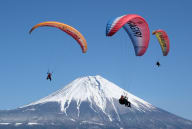
At 3,776 meters, Mt. Fuji 
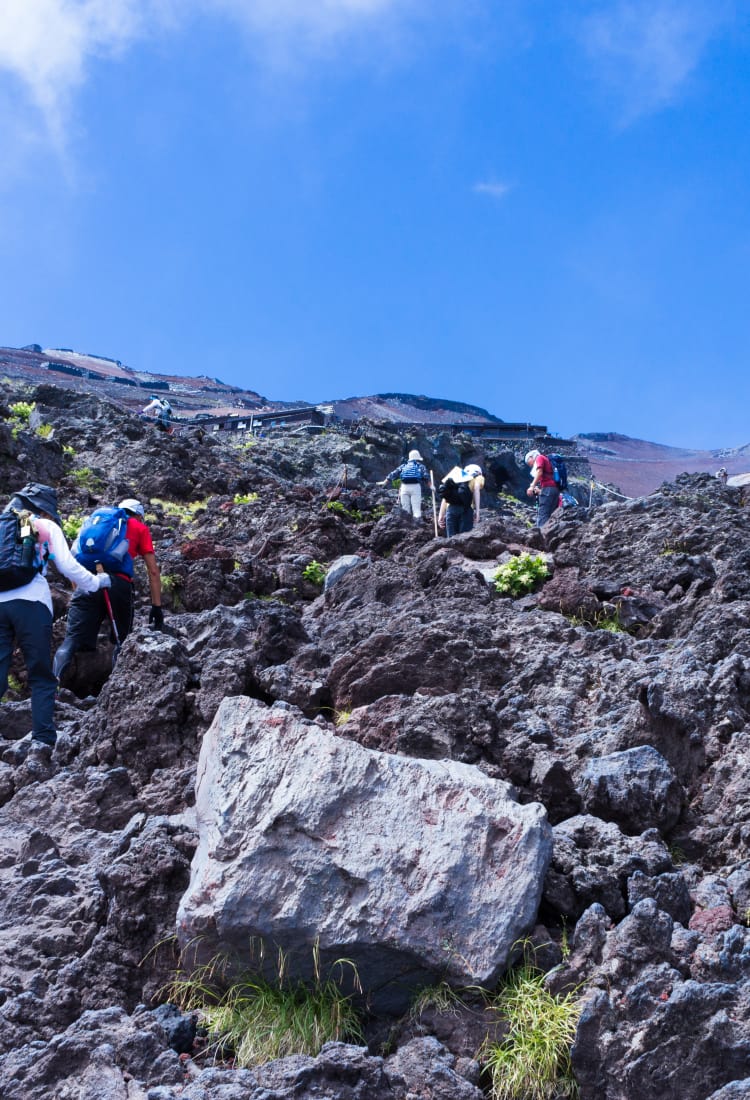
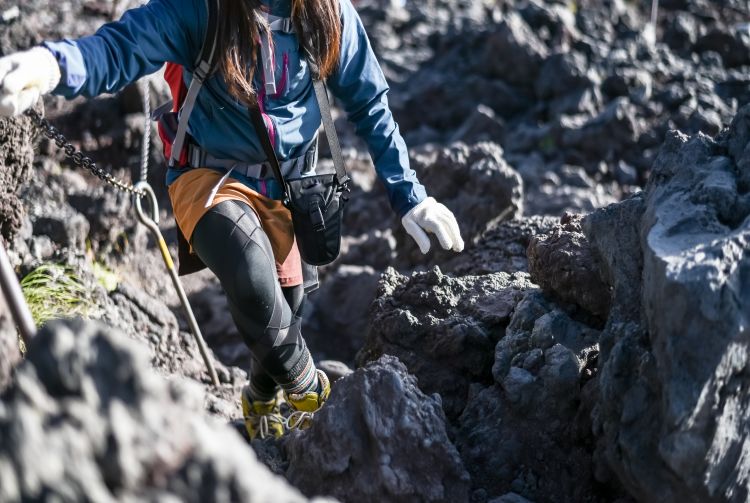
 is Japan’s most iconic peak and a sacred symbol of the country. Each year, over 200,000 people—including many first-time hikers—make the climb. While it is a popular climb, good health and proper preparation are essential. Due to the high altitude, altitude sickness is common, and temperature fluctuations are extreme. The various trails also consist of volcanic ash deposits and can be a challenge, so adequate technical gear and hiking boots are essential. Make no mistake, conquering Mt. Fuji is an achievement.
New Mt. Fuji Regulations (2025)
From 2025, several new rules are in place for those who wish to climb Mt. Fuji:
The climbing season starts in early July and ends in early September
Entry is permitted for all climbers from 3am – 2pm, while access between 2pm and 3am is restricted to visitors with mountain hut reservations.
A mandatory hiking fee of 4,000 yen per person is required
Before you consider a climb ensure that you have checked the latest information on the official Mt. Fuji Climbing website .
The Mt. Fuji Climbing Trails

Yoshida Trail : The most popular and accessible route, with many facilities and a separate descent route, making it ideal for beginners and sunrise hikes but often crowded.
Fujinomiya Trail : The shortest and steepest route, with a shared ascent and descent path.
Subashiri Trail : A quieter experience and merges with the Yoshida Trail near the summit.
Gotemba Trail : The longest and least developed route, starting at a lower elevation and recommended for experienced climbers seeking a challenge.
Climbing Mt. Fuji FAQs
When is the best time of year to climb Mt. Fuji?
Mt Fuji opens to hikers from early July to early September, and peak season lasts from late July to late August. Trails are most crowded during the Obon holidays, which usually fall in the middle of August, and can be closed due to rain or wind, so time your ascent carefully.
When is the best time of day to climb Mt. Fuji?
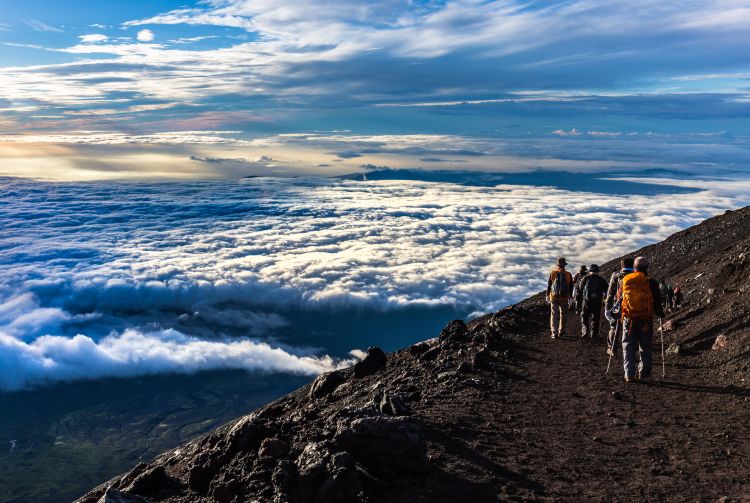
Many hikers opt for a two-day journey, resting at a hut situated half-way up the mountain before departing for the summit in the early hours of the morning. This plan puts you at the top in time for the picturesque sunrise.

What is the weather like on Mt. Fuji?
The weather can change drastically along the trail, and thunderstorms are common in the mid-afternoon. Even in mid-summer, the temperature at the summit is between about five and eight degrees Celsius. Layers and warm clothing are essential.
How to plan for a Mt. Fuji hike?
Climbing Mt. Fuji—especially at night—requires careful planning and proper gear. Book mountain huts in advance, as they fill quickly in peak season. The high altitude can cause lightheadedness or altitude sickness , so pacing yourself, staying hydrated, and bringing enough food are essential. An overnight stay helps with acclimatization.
Do I need a special permit to climb Mt. Fuji?
No special permit is required, but a 4,000 yen mandatory hiking fee is requested. Some trails may also require advance booking during the official climbing season. For more information, see the official Mt. Fuji Climbing website .
What should I bring to climb Mt. Fuji?
Equip yourself with proper hiking shoes, a hat, gloves, rainwear, a jacket, quick-drying underwear, a headlamp, trash bags, a walking stick, food, and spending money. Plan on drinking at least two liters of water. If in doubt, double check the official guidelines .
What on-site facilities are there on Mt. Fuji?
Mountain huts along the trail are well-equipped with water and other provisions like hiking sticks and snacks. If you are staying the night at one of these huts, note that there is no running water, and the restrooms are not connected to plumbing.
Where to stay near Mt. Fuji?
Lake Kawaguchiko offers plenty of accommodation and is easily reached from the Yoshida Trail’s 5th Station. If you have time, unwind in the scenic Fuji Five Lakes area and enjoy a post-hike soak in a local hot spring. Otherwise, direct buses and limited express trains make returning to Tokyo quick and easy.
How to get to Mt. Fuji?
By bus from Tokyo:
Direct to Yoshida Trail 5th Station (two and a half hours, summer only)
By train from Tokyo and other cities:
The Yoshida Trail is most easily accessed via Kawaguchiko Station.
Trails on the Shizuoka side are most easily accessed via Shin-Fuji Station.
For more information, be sure to check the official homepage .
Do I need a guide to climb Mt. Fuji?
Guides are not essential, but for a stress-free climb, consider joining a guided tour. Travel companies can handle transport, guides, meals, and hut reservations—letting you focus on the hike itself.
Can I climb Mt. Fuji on a day trip?
Possible, but not recommended. It’s physically very demanding and most hikers prefer a two-day trip with an overnight hut stay to better adjust to the altitude and catch the sunrise.
