






ITINERARY
Take a Train and Ferry Journey to Enjoy the Volcanic Landscapes and Hot Spring Culture of the Southern Part of a National Park
Tags
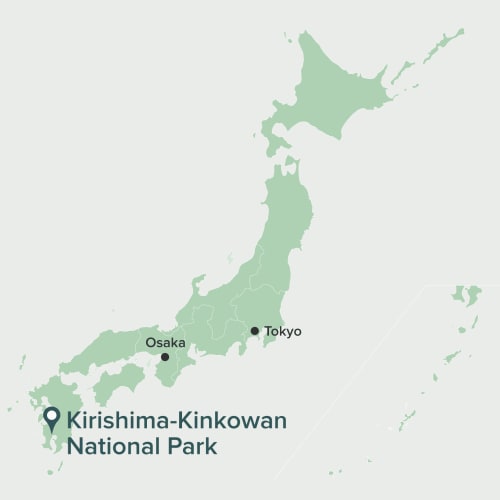
Kirishima-Kinkowan National Park offers sweeping views of magnificent volcanic landscapes. The Ibusuki area and the Ata Caldera in the southern part of Kinkowan Bay were formed through volcanic activity, and their abundant hot springs vividly convey this. You can also enjoy the dramatic scenery of Ogawa Waterfall and Cape Sata on the Osumi Peninsula, as well as the blessings of hot springs through experiences such as Ibusuki Onsen's sand baths and the sume (natural steam cooking) at Unagi Onsen.
Itinerary Highlights
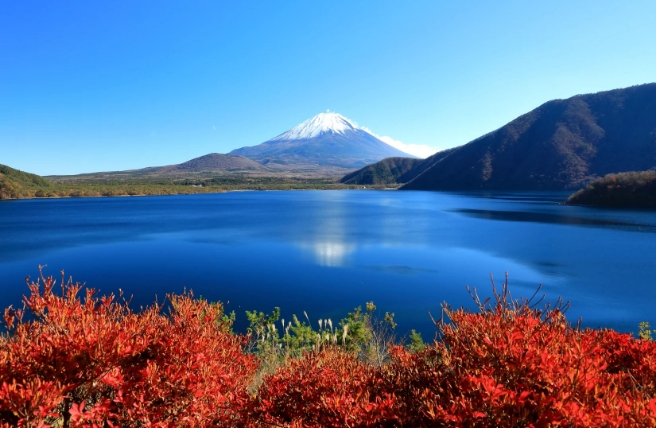
- Enjoy a scenic hike with views of the "Mount Fuji of Satsuma" while learning about the national park's highlights.
- Stroll around Cape Sata, the southernmost point of Japan's main islands, and Yamagawa Port, shaped by volcanic activity, to discover the relationship between nature and human life.
- Experience Ibusuki's natural sand baths, said to be the only ones of their kind in the world, and sense the blessings that active volcanoes can bestow.
Experience hot spring culture on a scenic hike with views of the "Mount Fuji of Satsuma"
Travel from Kagoshima-Chuo Station to Nishi-Oyama Station, enjoying an ekiben boxed lunch on board. After arriving at Nishi-Oyama Station, known for being the southernmost station on the JR network, join a guided walking tour of distinctive sites in the Ibusuki area.
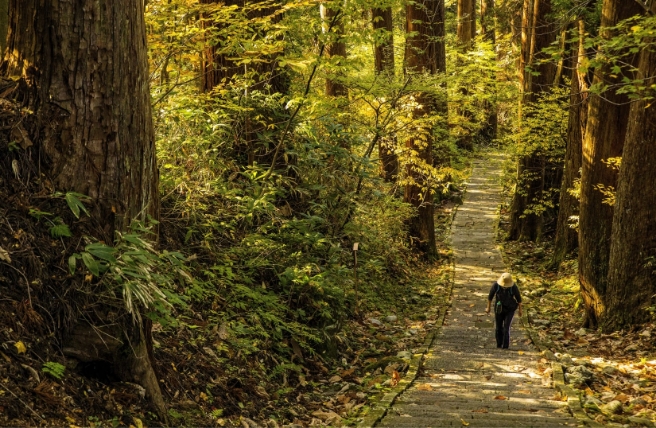
On an approximately 8-kilometer route toward the Kawajiri Coast, stroll at a relaxed pace while listening to the guide's commentary on highlights of the national park, including Cape Nagasakibana and Unagi Onsen. At Unagi Onsen, you can also enjoy a sume cooking experience, a unique hot spring tradition in which food is cooked using natural geothermal heat. Take in the scenic hike with close-up views of Mount Kaimon, known as the "Mount Fuji of Satsuma." Afterward, travel from the Kawajiri Coast to JR Satsuma-Kawajiri Station, then continue on to your accommodation near JR Ibusuki Station.
Hop a bus to visit Cape Sata, the southernmost scenic spot of mainland Japan, and Ogawa Waterfall
Travel from Ibusuki Station to Yamakawa Station, then head to the Yamagawa Port Ferry Terminal. Take a ferry to Nejime Port, where you will begin a bus tour* to Cape Sata, the southernmost point of Japan's main islands, and Ogawa Waterfall.
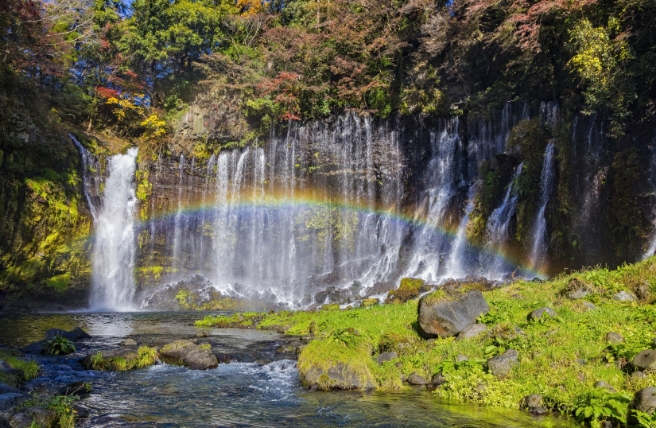
Cape Sata is known for its rugged cliffs carved by the Kuroshio Current and its picturesque lighthouse. At Ogawa Waterfall, volcanic lava shaped by past eruptions has been eroded into striking geometric formations, with spring water emerging throughout the gorge to create a dreamlike landscape.
After the tour, return to Yamagawa Port and enjoy a stroll around the area. Yamagawa Bay, formed from a volcanic crater, is a naturally calm harbor and is now known as a landing port for bonito. Walk to Yamakawa Station while taking in the beautiful evening scenery of the harbor, then return to Ibusuki Station and check in to your hotel.
*Bus tour operates from March to October.
Explore the Hashimuregawa Archaeological Site, which was instrumental in clarifying the historical periods of ancient Japan, and enjoy a sand bath hot spring experience
After checking out of your hotel, walk to the Ibusuki Archaeological Museum Cocco Hashimure, then stroll through the Hashimuregawa Archaeological Site. At this site, repeated eruptions of Mount Kaimon buried ancient villages from the Jomon period onward. Excavations revealed Yayoi pottery in upper layers and Jomon pottery below, helping establish that the Jomon period predates the Yayoi period. Here, you can learn about the close relationship between volcanoes and the lives of ancient people.
Afterward, head to Saraku to experience a sand bath hot spring. This natural sand bath, said to be unique in the world, uses hot springs generated when geothermally heated groundwater meets seawater beneath the beach and rises out through the sand. Relax both your body and mind as you conclude your journey refreshed and renewed.