


























Travel Logs A Suruga Adventure: Cycling Through the Land of Tea


Journey Theme: Discovering the culture and traditions of the tea-growing areas of the Suruga region of Shizuoka Prefecture, close-up from the saddle of an e-bike.
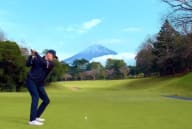
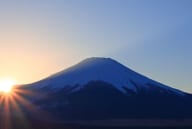
The former province of Suruga, now a region of Shizuoka Prefecture, is home to many of Japan’s historical, cultural, and geographical icons: Mt. Fuji is here, the country’s tallest mountain and national symbol which began forming its present recognizable shape some 10,000 years ago. It’s where Tokugawa Ieyasu, the first shogun and uniter of Japan, began his career and eventually retired at Shizuoka City’s Sunpu Castle in the early 17th century.
Its landscape is just as varied: Izu Peninsula to the east is beautiful and rugged, with hot springs, beaches, surfing and, scenic views. On the other side of Suruga Bay is Japan’s largest tea-producing region, where tea plantations spread across tiny mountain slopes and expansive, open plains, nurtured by a mild climate, abundant water, and centuries of tea-growing history.
I’m on a mission: to experience a wide mix of Suruga’s varied offerings centered around tea culture—listening to the everyday lives of tea farmers and engaging in the hands-on work of local artisans. There is, however, an added challenge. There will be no tour buses, trains, or automobiles on this itinerary.
Instead we’ll be riding e-bikes to get around, with just enough electric assistance to keep us moving through a richly varied landscape. Long climbs, river crossings, wind-blasted plains, and steep ascents and descents lie ahead.
Soothing tea and exhilarating bike riding: sounds to me like an excellent adventure!
Day 1: From Castle Town to Tea Country
Just over an hour on the Shinkansen from Tokyo Station, I arrive at Shizuoka Station, and meet our guides: Shannon Walker of Kodo Travel, who would lead us by bike, and Noriko Nagamatsu from Fieja (FIEJA), who had arranged the e-bikes tour. Shannon and I had crossed paths years earlier on some skiing adventures, so it was nice to get re-acquainted as we go over plans for the coming days.
With bikes adjusted and helmets on, we roll through town. Outside the station was a large statue of Tokugawa Ieyasu, who was not a Suruga native, but was once held prisoner at nearby Sunpu Castle during the 16th-century Warring States period. He was treated well, though, and began his campaign to unite Japan here. Decades later, he retired to the castle, and was (at first) buried at a shrine in Shizuoka City.
We weave through morning traffic to Sunpu Castle, its broad moats reflecting white walls and stone foundations. The current structure was built after a fire in the early 1600s, and survived the early Meiji Era (1868–1912) orders that saw many castles destroyed. At the top corner of the tiled roofs sits a shachihoko, a mythical fish believed to protect buildings from fire, alongside some very real cormorants drying their wings in the morning sunlight. We ride through the extensive castle gardens on our way to our first tea stop.


Chaya Suzuwa is located in an area of tea wholesalers, and has high ceilings and attractive artworks on the walls and shelves. Tea merchant Keisuke Atsumi leads us through a tasting of six teas, emphasizing the color of the tea, the aroma and the taste.
We learn that the temperature of the water should be somewhat lower than the boiling point. As he pours out the tea, the results are striking, from vivid greens to almost orange, with aromas covering everything from spinach-y to herbal-minty. Likewise, the flavors vary; some have a tannin finish, like a glass of red wine; others are smoother.


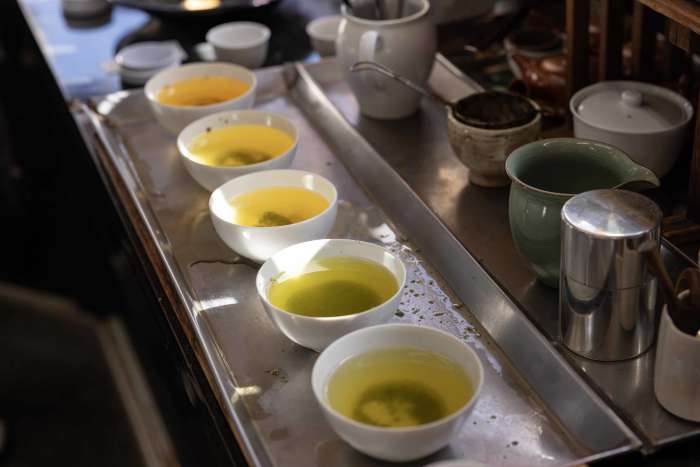
Then came the challenge: doing the blending ourselves. Given ten parts to divide among the teas, we create our own custom mixes, balancing bitterness, freshness, and depth. I add three spoonfuls of a particularly distinctive tea, two each of some smoother varieties and just one of another intriguing type.
Blending tea leaves proved far more delicate than I had expected. As I weighed subtle differences in color, flavor, and aroma, my senses naturally sharpened. Tea, once something I simply drank, began to reveal itself as something intentionally crafted.


From there, we ride roughly 14 kilometers to Gyokuro-no-sato, a michi no eki (roadside station) in an area known for a premium shade-grown variety of ocha known as gyokuro. After lunch, we cross the Asahina River to Hyogetsu-tei, a tea house set in a traditional garden.
In the quiet calm of a tatami-matted room, our host in kimono prepares gyokuro, a premium shade-grown green tea known for its deep umami, served with delicate wagashi sweets. As I savor the tea, my attention naturally turns to the rhythm of the moment and the setting itself. I take a few minutes to admire the tea cups and bowl—an important part of the formal tea ceremony—before thanking them.


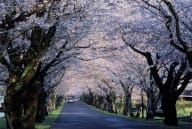
We then head down a cherry-tree-lined river to the Meiji Tunnel, built for pedestrians in 1876 along the historic Tokaido route linking Tokyo and Kyoto. This was one of the important routes for the transport of tea, along with bulk shipping by sea. Its soft brick walls absorb sound as we speed through in near silence, emerging into a charming little village where travelers on the ancient road would stay.


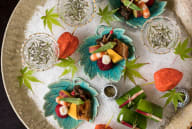
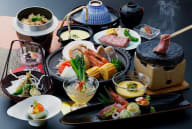
We get back to the Shizuoka city in time for dinner and another lesson in tea—this time on pairing it with food. At the elegant Kakuya Bessho restaurant, tea master Iwazaki guides us through a kaiseki dinner, matching each course with a different preparation of ocha. Kakuya was the name of Tokugawa Ieyasu’s personal chef, and “Bessho” means villa—so the dinner has a connection with the celebrated shogun.
A tiny cup of machiko, a green tea with a natural cherry-leaf aroma, served with otsukuri; then a shot glass filled with some moistened tea leaves and a single ice cube before we get to a small hot pot of pork. “Let the ice melt a bit, then squeeze the ice into the tea leaves—drink it like a shot!” Iwazaki explains. It’s a nice, refreshing palate cleanser, and a little chewy.


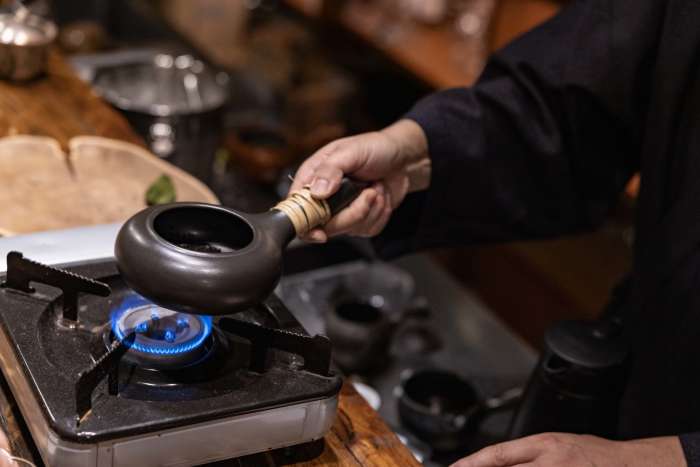
Pairing isn’t just about matching tea with a dish; it also bridges the space between courses, helping to reset and prepare the palate. As the courses pass by, the tea master roasts some tea in a frying pan to create darker flavors, mixes up a flask of iced ocha and explains the different temperatures of water and varieties of ocha used.
Hearing an explanation is one thing, but tasting it for myself transformed pairing from knowledge into experience. With each course, the role of the tea shifted, subtly reshaping not only the flavors on the plate but the memory of the dish itself.

Day 2: Mountains, Wind, and the Open Plain
The day begins with a climb straight up to the tea fields of Tamura No-En (farm). At the top, Yoshiyuki Tamura welcomes us onto a platform suspended above neatly trimmed rows of tea plants. Awaiting us is a kotatsu—a table with an electric heater underneath—and traditional, warm hanten jackets. Drinking tea on this deck, suspended above the tea fields, is an experience reserved for those who make the journey here.
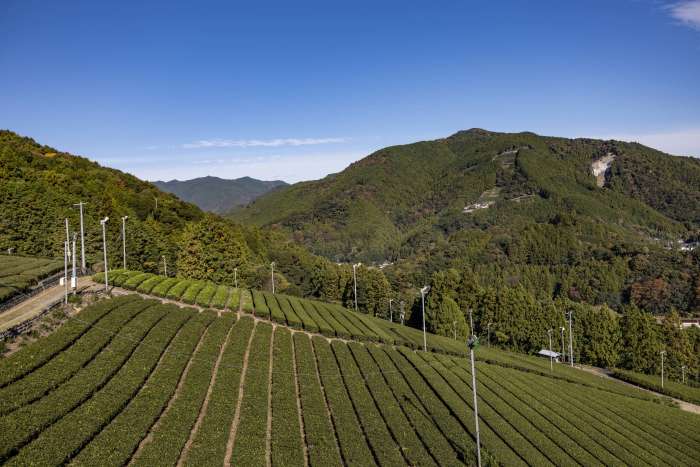

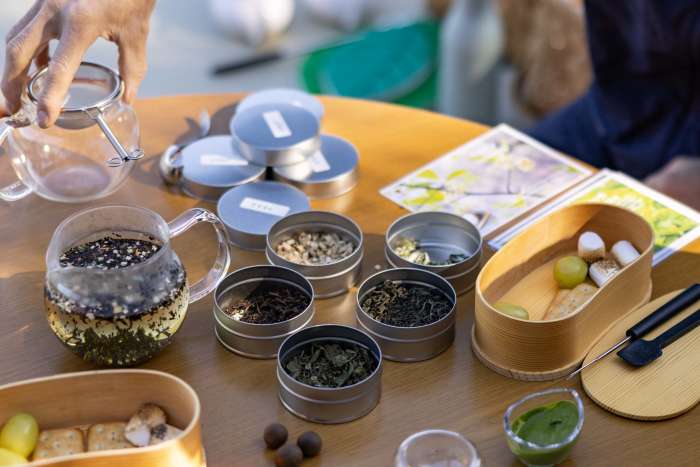
The mountain-grown tea leaves grown here are relatively small; lightly steaming them highlights the natural umami. As we taste, snacks appear—cookies, toasted marshmallows, grapes, and some melted matcha chocolate for dipping. There are also small tin containers of tea; small pieces of kuromoji wood, a native plant; hakka leaves, a kind of Japanese mint; and yomogi, mugwort or wormwood—all of which can be used to make tea.
Tamura’s brews are delicious, the snacks go well with the warm drinks. As we take in the sweeping view of vivid green tea fields spread across the landscape, the quiet connection to this place settles in—until the calm is gently broken by the distant whistle of a steam locomotive, its thin plume of white steam rising slowly from the valley below.
We descend the steep access road at speed, then follow the winding river to Ieyama Station to catch the action of the Oigawa Line’s steam locomotives—including a full-scale Thomas the Tank Engine! We then follow the Oi River, catching glimpses of more trains crossing picturesque bridges before rolling into Kawane Onsen for lunch at the En Café.


After lunch, we get downriver, before resuming riding along a parkway, wind-blown dust from the riverbed reminding us how close we are to the sea.
Then came Horai Bridge, the longest wooden walking bridge in the world, stretching across the Oi River with minimal rails and loose planks that sway in strong winds. First built in 1879 as a pedestrian bridge linking to the developing tea plantations on the far side, it rewards visitors with sweeping views of the tea fields on the far side. Walking our bikes across as the wind howled has us feeling increasingly exposed as we bounce over the planking.
Beyond the bridge, the wind drops, and the river views are replaced by vast tea plantations.


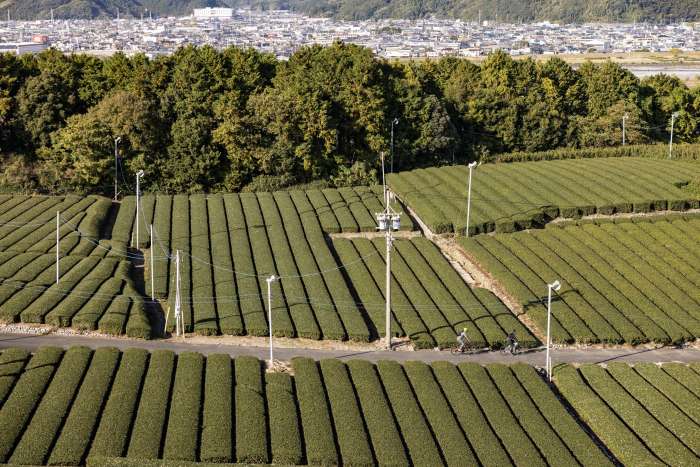
After saying goodbye to Shannon at a scenic overlook, we have a long, twisting 20-kilometer ride through Makinohara’s tea fields to Moriki Noen (Farm). The final descent is a fun, winding downhill section that leaves me a bit exhilarated and just a little bit cold from the crisp autumn air—and ready for some refreshment! Famous not only for ocha but strawberries, melons, and some great crepes made with their produce, Moriki Noen is the perfect refueling stop. I select a dark hojicha(roasted tea)-infused crepe, with a cream filling and a dusting of powdered ocha. It helps raise my spirits after the windy rides, but I need some liquid refreshment.
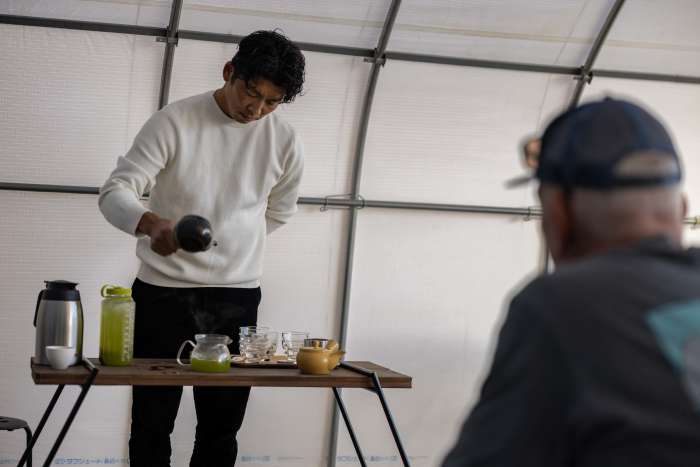
Kazuya Moriki, the seventh-generation owner of the farm, obliges with a wonderful presentation of a variety of hot and iced teas. Once again I find myself joining in the local people’s passion for ocha, and appreciating the chance to enjoy this special drink.


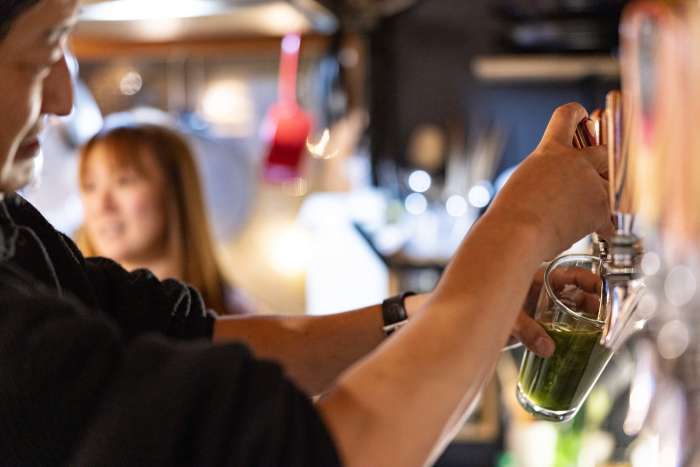
I’m refueled and ready for our last ride to the unique ambience of Haz Cottage. I bunk down in a comfortably appointed Airstream trailer under the trees. Coastal Suruga is surf territory, and dinner takes place in Haz’s surf-influenced beer house, where we try lots of tasty dishes and drink. Owner/cook/bartender Toshiaki Ito even prepares a matcha-topped beer—green, grainy, and unexpectedly satisfying.


Day 3: Castles, Coast, and Craft
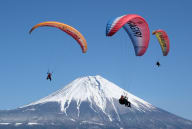
A beautiful morning, with a wake-up call from the birds in the trees above my Airstream. We had come in from the inland direction, so I hadn’t realized how close we were to the ocean. Now I can see, to the east, a line of clouds hanging over the Izu Peninsula; to the northeast stands Mt. Fuji, its summit lightly dusted with snow.
Then we hit the road, first through a pretty urban setting, toward our destination of Koyama Castle, about 14 kilometers away. The castle sits in a high, wooded area, and we do more climbing—this time on foot—to the top floor of the castle keep.
Below me, lush green tea fields spread out in gentle undulations. The panoramic view enables me to connect the routes I had cycled over the previous days into a single, coherent landscape. From above, the climbs and plains suddenly make sense.


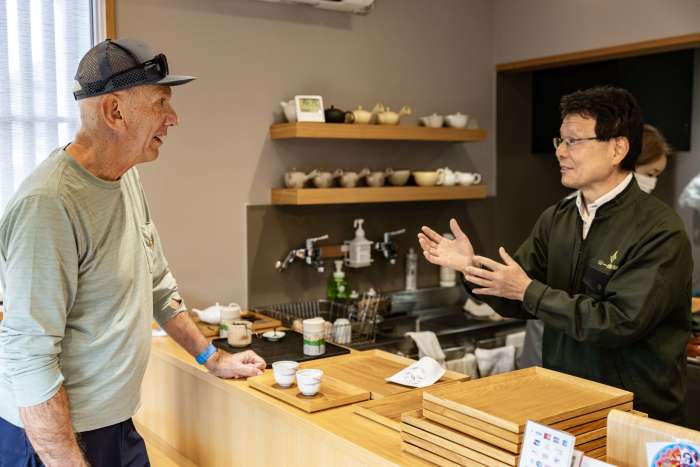
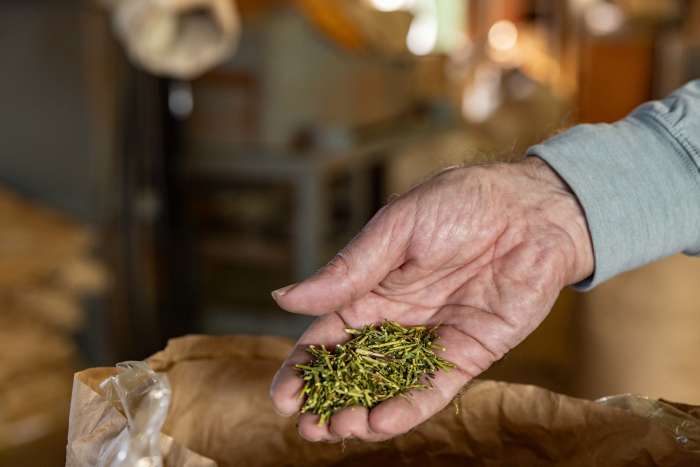
Descending from the castle, we stop at Yamaichien Seicha, where second-generation owner Daisuke Ozawa introduces us to bocha—tea made from stems, veins, and twigs. “When you think about tea, you usually think about the leaves,” he says. “But bocha has a wonderful flavor, very delicate, and delicious. You must use water that’s heated to around 80°C, not boiling.”
Ozawa begins tea preparations while his wife begins decorating a cake with some freshly sliced fig, topped with some fresh cream and sprinkled with powdered tea. It’s a wonderful combination, with the delicate flavor of fig and light cream complementing the gentle flavor of the tea.
We try a few more varieties, then tour the adjacent factory. We place handfuls of raw tea pickings into a powered sieve that shakes out tiny flakes of leaf and dusty remnants, leaving only the surprisingly soft stems. Another bag contains even softer, delicate leaf veins. While these might seem like leftovers, true fans see bocha as somewhere between the premier gyokuro and sencha varieties because of its fresh aroma and delicate flavor. I’m sold on it.


It’s lunchtime. This area is famous for tuna, bonito and shirasu (whitebait), so seafood is definitely on the menu. One more fast ride—less than 10km—gets us to the Kogawa Port Fish Market Restaurant, run by the local fishery association, and hugely popular.
It’s a no-frills kind of place. There’s a ticket machine for ordering, and a lot of the service is do-it-yourself, but the quality is outstanding. I choose the kaisendon, a generous selection of sashimi on top of a rice bowl, served with miso soup. The tea is powdered stuff from a dispenser, but even so, it tastes pretty good. Everything is fresh, delicious and filling—and we leave pumped for more adventure.


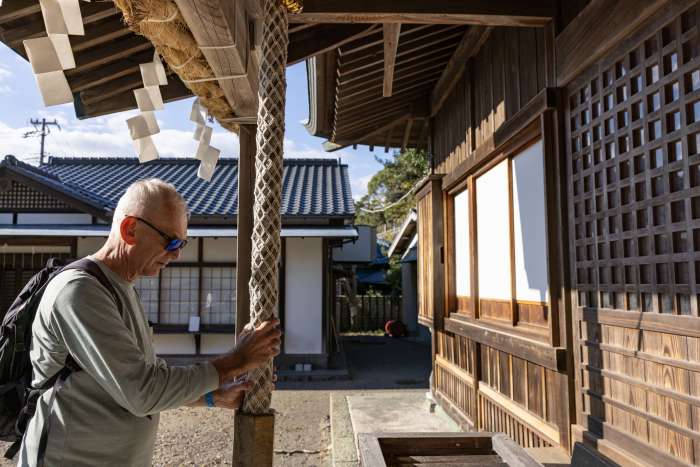
A few kilometers down the coast is Nahe Jinja, a Shinto shrine for fisher folk that is literally at the end of the road. It’s a charming little shrine with several stone torii gates, so I take a few minutes to place some coins in the offering box, shake the suzu bell, bow twice, clap hands twice, and bow once more. I’m giving a bit of thanks for everything I’ve seen and done so far. It’s then I notice a neat stone marker commemorating its foundation in 509—over 1,500 years ago. I come to a halt for a moment, contemplating all the worshippers whose footsteps I follow.


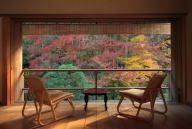
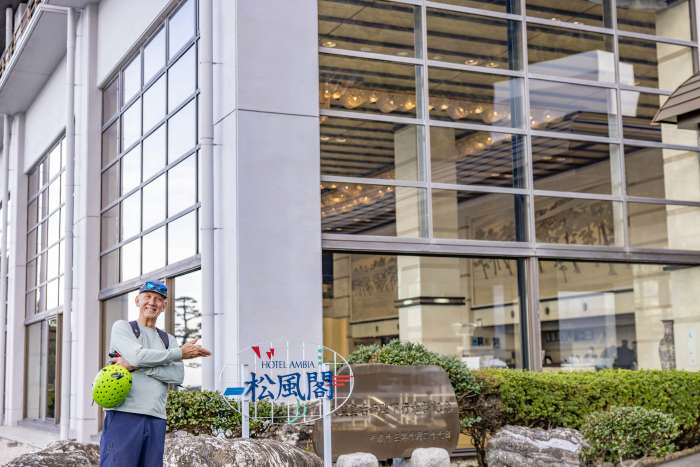
The final physical challenge is a steep climb to the Hotel Ambia Shofukaku, perched high on seaside cliff. We arrive, sweaty, as neatly attired hotel staff come out to welcome us. The 80 kilometers we’ve covered over the past few days and tough climb make the onsen soak that follows all the sweeter.

As I sank into the hot spring, the fatigue in my legs slowly melted away, and the landscapes I had ridden through over the past few days quietly resurfaced. Lush green tea fields, a steam locomotive winding through the mountains, Mt.Fuji lightly dusted with snow. By riding, tasting, and meeting people along the way, my understanding of this land had gradually deepened. As the journey drew to a close, it was not so much a sense of accomplishment that arrived first, but an unexpected feeling of calm and gratitude. Suruga had taken root within me, leaving behind a gentle and lasting afterglow.
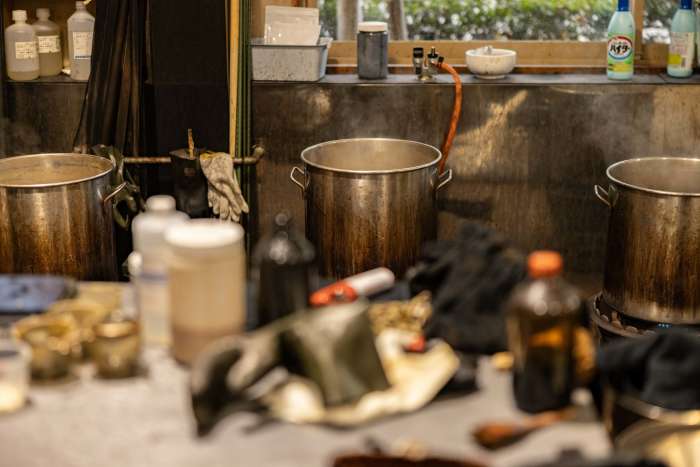
Our final destination is the Takumishuku Traditional Hand Craft Arts Center, a group of low, modern buildings with a striking Japanese aesthetic where Kyoichiro Washizu guides me in fabric dyeing using spent tea leaves.
He’s the fifth generation of a dyeing (Suruga Wazome) family, “that always used chemical dyes,” he says. “I was looking for something that’s interesting, artistic, but also sustainable, and using discarded tea leaves was interesting—and produced good results.”
Washizu brings out a small tote bag dyed very dark brown from the pots of prepared ocha dyes in one corner of the studio. Until now, tea had revealed itself through taste, aroma, and landscape. Here, for the first time, it appeared as color. Leaves that had fulfilled their role were reborn as dye, transforming fabric into something new. Witnessing that cycle, I felt the many tea experiences of this journey connect into a single, continuous line.
“You can freehand a design, or use a stencil,” he says. I’m feeling only moderately creative, so I choose a stencil of three giraffes.


I hold the stencil against the cloth while applying a dye glue with a spatula. I then draw a sun with a light-brown glue while Washizu looks on with a smile. From now, the bag will be dried before being steamed and heated to release the colors, and sent to me in about 10 days.
I wouldn’t need that long to appreciate my adventure of the past few days. Even as I was arriving at Shizuoka Station for the train ride home, I realized what I was taking away. Cycling through Suruga’s tea country revealed tea not as a product or ritual, but as culture, as a way of life. Everyone I met had a passion for ocha, and they expressed that dedication in the unique product found in every cup of tea I enjoyed. I felt close to the land, the people and the tea plants themselves because travel by bicycle is so intimate, so open, so immersed in the sounds and smells around us. I now have a lingering, connection to Suruga and Shizuoka, one I relive every time I brew a pot of ocha and savor the unique, refreshing flavor.
Links
SURUGA Marketing & Tourism Bureau(Guiding and Tour Coordination)
FIEJA(Guiding and Tour Coordination)