






































2026.10 Navigating Japan’s Transportation System: Steps, Tips, and What’s New in 2026 Planning advice and the latest updates for a smarter travel experience.
Punctual, clean, safe, and reliable, Japan’s transportation system is one of the most developed and efficient in the world. Japan’s extensive network of trains, subways, and buses covers nearly every region, from major cities and popular attractions to smaller towns and rural areas, making it easy to explore sightseeing spots and destinations across the country. Wherever you're going, public transportation is often the fastest and most convenient way to get there.
Payment methods are also constantly evolving. In May 2026, the TOURIST PASMO IC card was launched, offering visitors to Japan a smart, cashless way to get around. This joins a growing list of options available to international travelers, including the Welcome Suica and its digital version, Welcome Suica Mobile, as well as contactless credit card payments.
Payment options, however, vary by route and operator and have to be considered in addition to a variety of tickets and passes. It is no surprise that Japan’s transportation may at first seem confusing. Actually, you don’t need to study everything beforehand. Let’s just start with the itinerary. This guide will show you how to navigate Japan’s transportation system by breaking your trip into steps, along with practical tips and the latest information as of 2026.
Exploring Cities: Tap, Pay, and Go
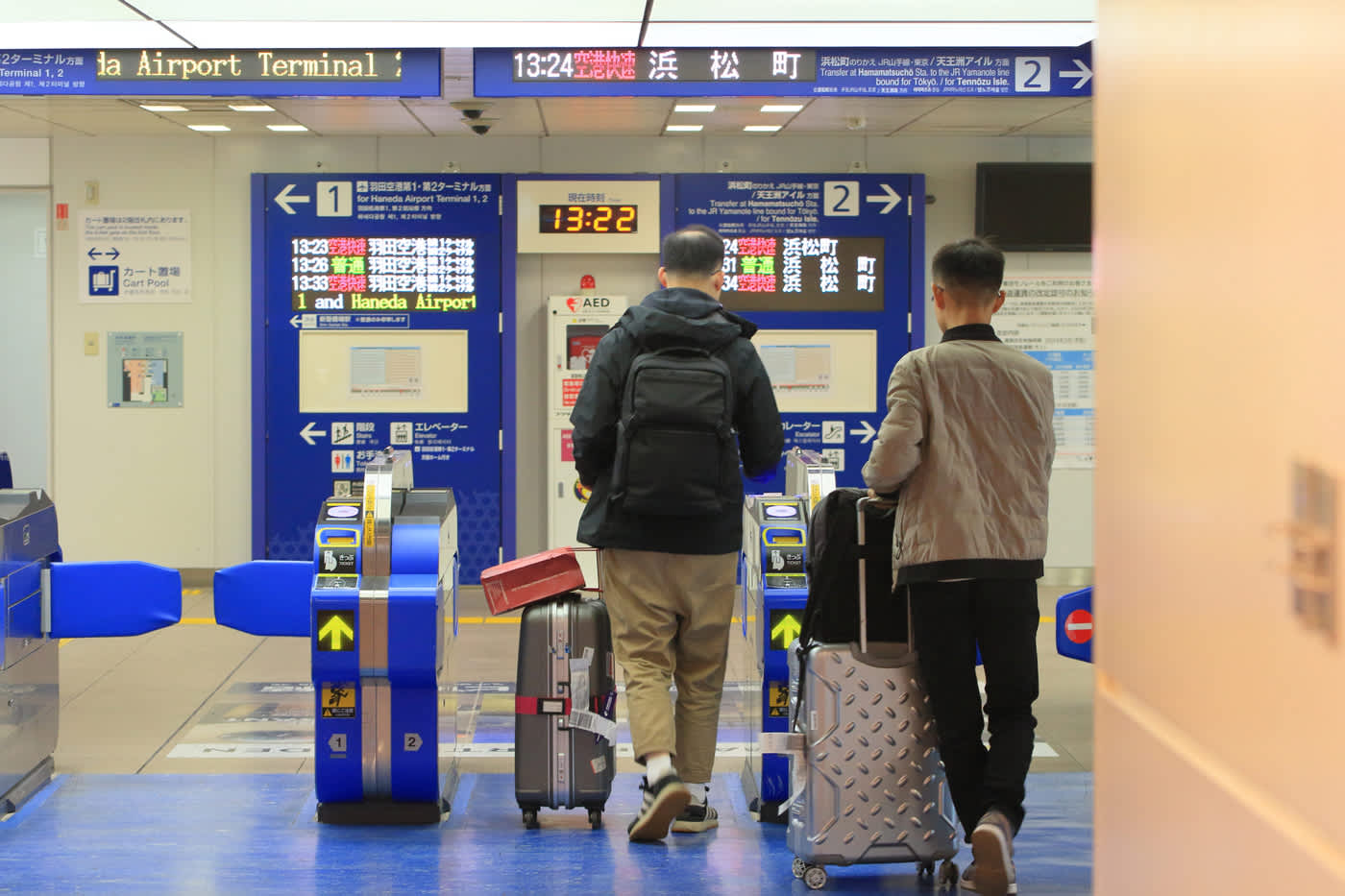
For short trips within urban areas, an IC card is one of the simplest and most convenient ways to get around. This rechargeable contactless card is accepted on most trains, subways, and buses, and saves you from buying tickets every time you ride. IC cards can also be used to make payments at convenience stores, vending machines, taxis, and many other services.
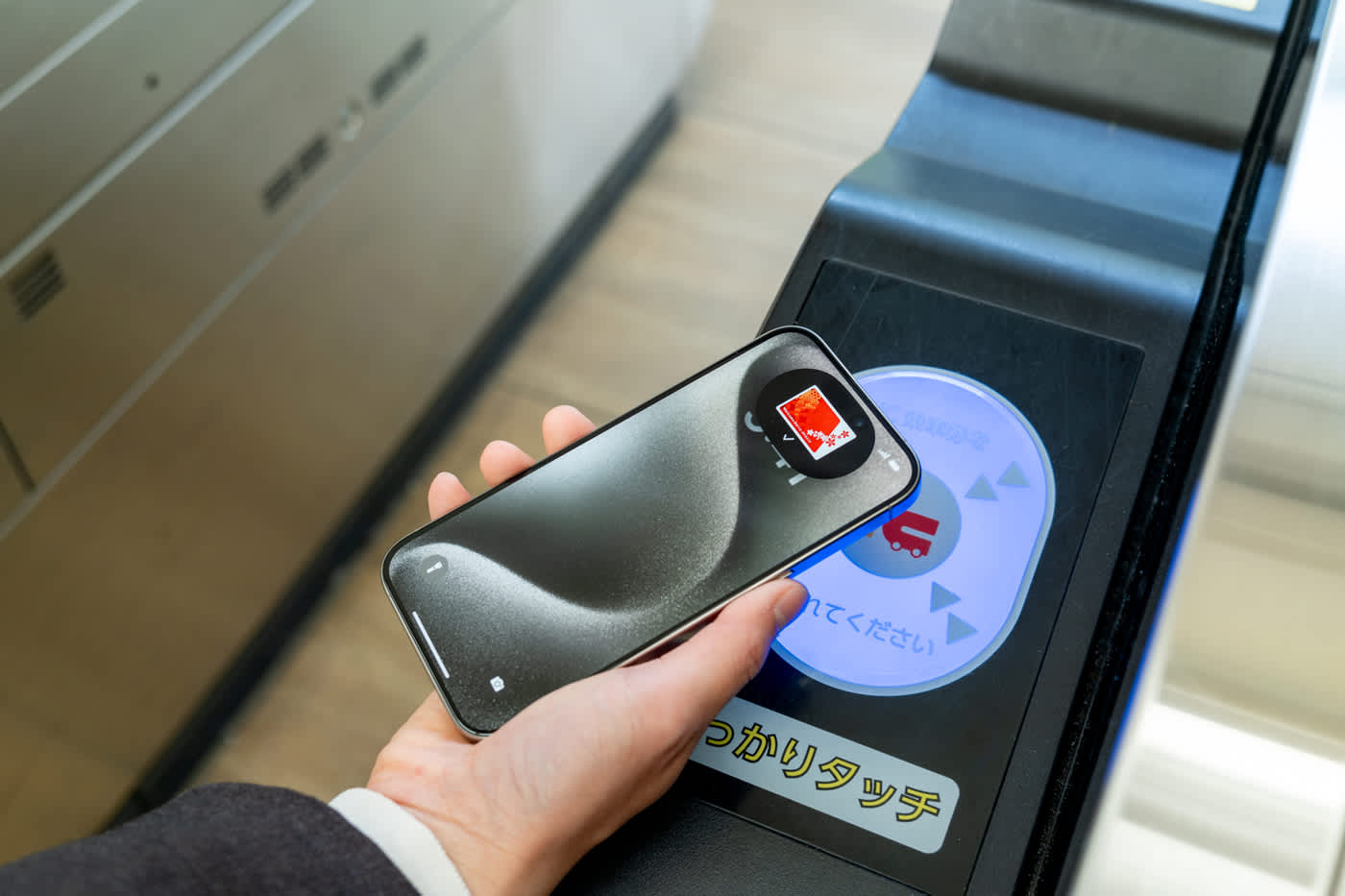
© East Japan Railway Company
As of 2026, there are several options available to international travelers. Welcome Suica and TOURIST PASMO are deposit-free IC cards specifically designed for short-term visitors to Japan, while Welcome Suica Mobile provides a digital alternative for tourists with compatible devices. Check the official websites to compare conditions, purchase locations, and coverage areas and find what works best for you.
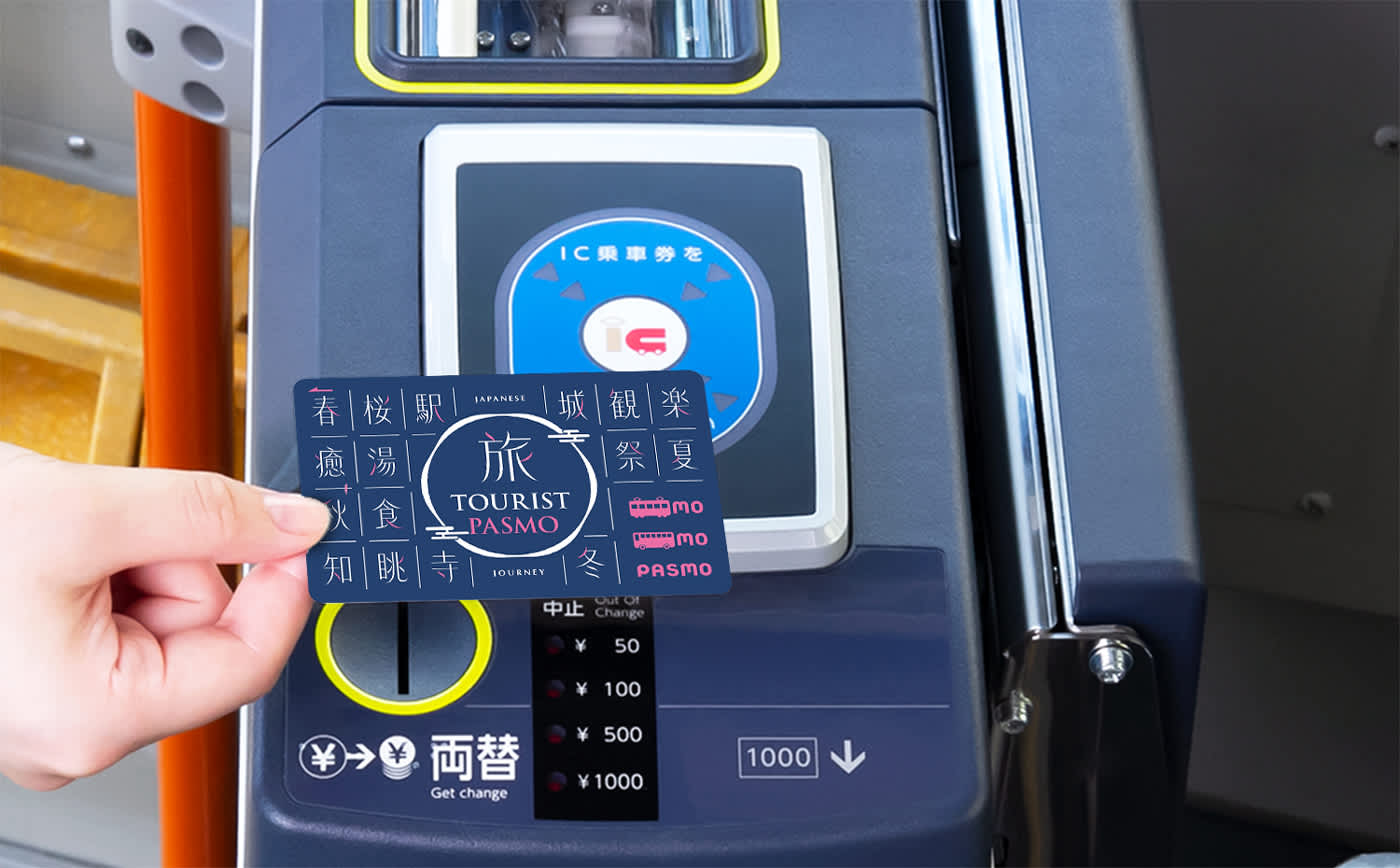
TOURIST PASMOⓇ
Contactless credit card payment has also recently been introduced, allowing travelers to ride trains by tapping a credit, debit, or prepaid card directly at ticket gates. This service is currently accepted only across selected routes and railway companies, so if you plan to use this payment method, it is best to check in advance whether the operator supports it.
When exploring a Japanese city, there is no need to combine multiple payment methods: choose one that suits your travel plans and just remember to have some cash ready in case electronic payment is not available. It is always a good idea to carry small denominations, as large notes may be difficult to change, especially when visiting less central neighborhoods.
Traveling Long-Distance: Start with the Itinerary, Not the Pass
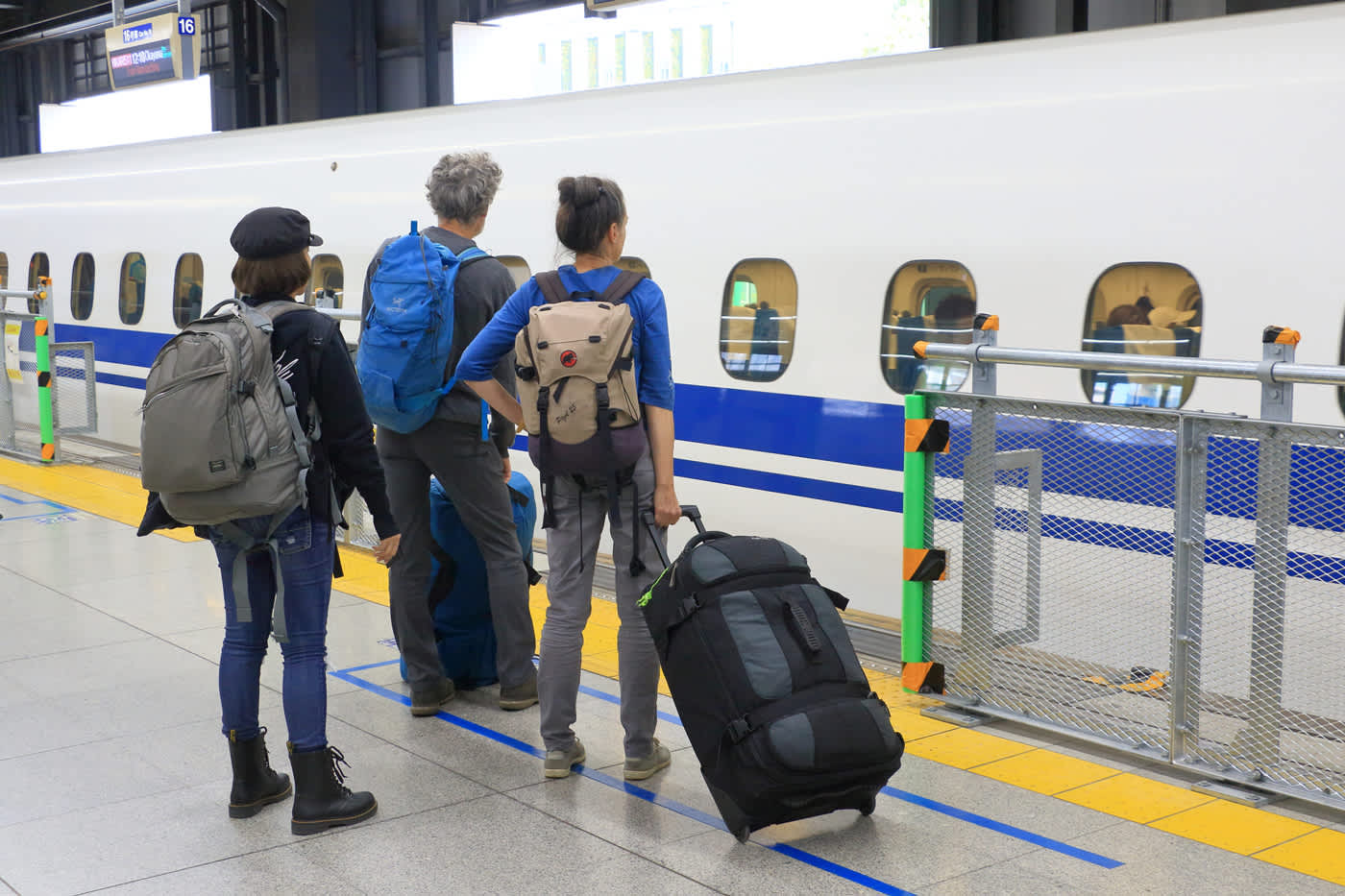
Long-distance travel requires a different approach. If you’re planning to travel to multiple cities in Japan, it is best to plan your route and travel schedule first, then decide if it’d be more cost-effective to buy individual tickets or use a rail pass. With a variety of nationwide and regional rail passes available, building your trip around a particular pass may be tempting, but a rail pass is not necessarily the simplest or most economical option for every itinerary.
The key is to consider your pass options after your itinerary is somewhat finalized. For long-distance travel across the country, the Japan Rail Pass, which allows unlimited rides on almost the entire national JR network, is one of the most popular options. If you’re planning to explore multiple destinations within a specific area, a regional pass is often the better choice. Check the official websites for travel areas, covered trains, validity periods, and updated prices.
For peace of mind, it is always a good idea to make seat reservations in advance, especially when traveling in groups and on longer routes. Non-reserved seats offer more flexibility but may not be available depending on the time of year and type of train. Tokaido Sanyo Kyushu Shinkansen Online Reservation Service allows you to reserve seats on the Tokaido, Sanyo, or Kyushu Shinkansen online and pass through ticket gates using a QR-Ticket or a registered IC card, while JR-EAST Train Reservation is a dedicated platform for Eastern Japan area passes and tickets. If conditions apply, online reservations may also offer discounted fares.

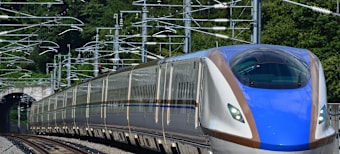
Yamagata Shinkansen E8 series. ©JR-EAST
New seating and pass options have been launched in 2026, bringing more convenience and comfort to Japan travel. The KANSAI RAILWAY PASS LITE, a digital ticket offering unlimited rides on designated subways and private railways across the Kansai region, including Osaka, Kyoto, and Nara, became available in April 2026, while a new Supreme Class, featuring two types of private cabins, has been introduced in October 2026 on the Tokaido and Sanyo Shinkansen.
Beyond the Main Routes: Think Backward and Check Ahead
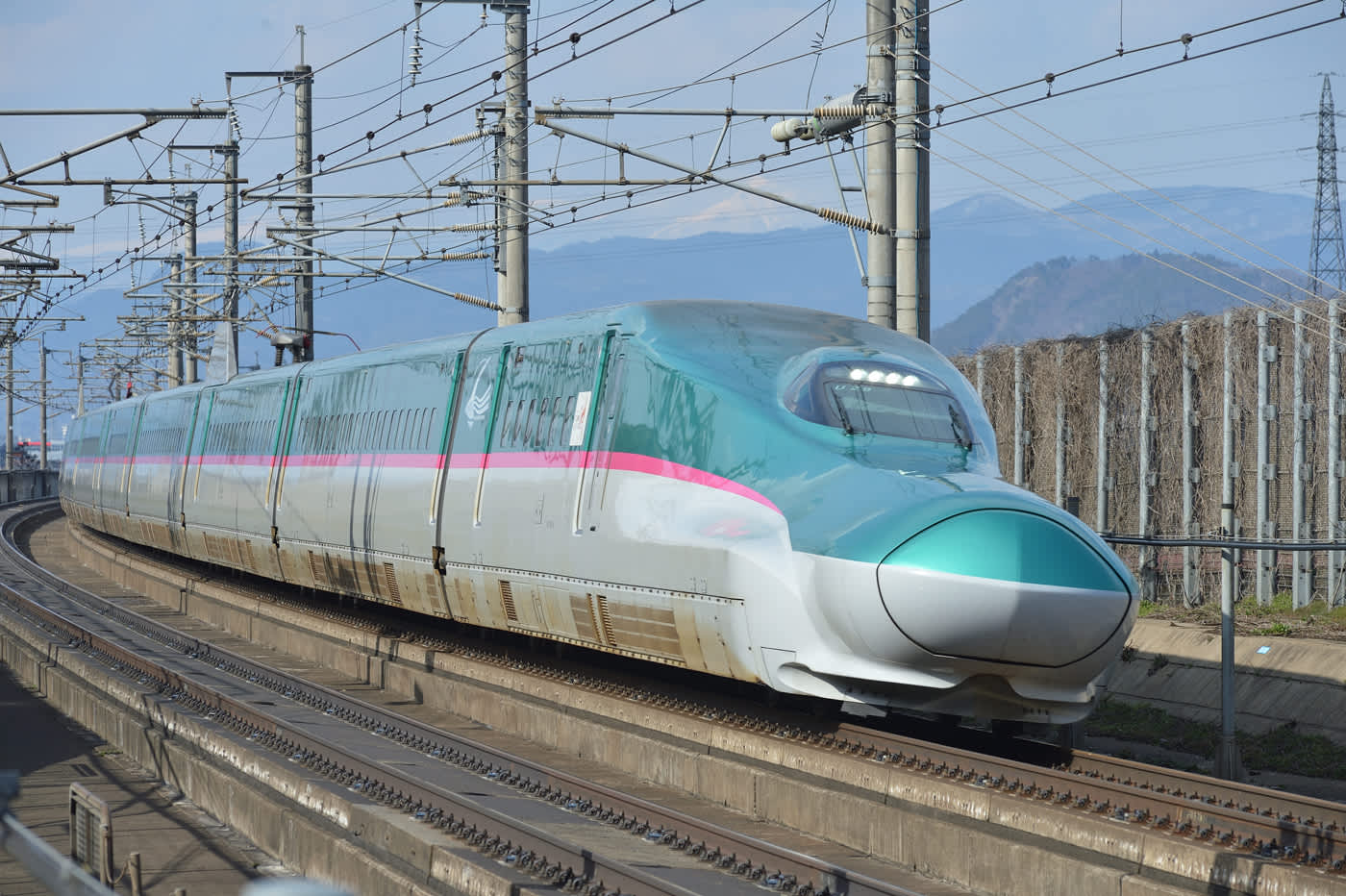
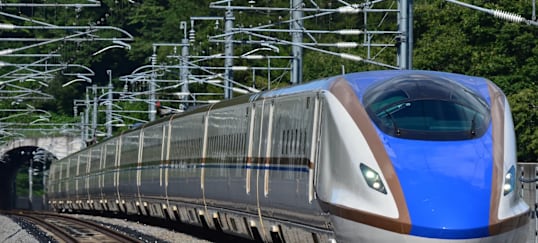
Tōhoku Shinkansen E5 series. ©JR-EAST
When traveling beyond major cities to more remote destinations, the first thing you want to consider is what happens after you get off the Shinkansen or limited express train. Visiting hot-spring resorts, national parks, and mountainous regions often requires an additional journey by local train or bus. In some rural areas public transportation may be limited and less frequent, and payment methods also vary depending on the route. The IC card you have used in the city may not be accepted on local services.
The best approach is probably to work backward from your final destination. Before reserving your long-distance train, check how you will travel the last leg of the journey. Be sure to look up local timetables and the last departure, which payment methods are supported, and whether advance reservations are required.

In areas with limited bus services, or when traveling with heavy luggage, you can also consider taking a taxi. As of 2026, app-based taxi-hailing services are increasingly available outside major cities, but coverage may be limited in small towns and rural areas. Don't forget to check availability in advance and contact a local taxi company when necessary.
Renting a car may also be a practical choice in areas where public transportation is less accessible or when you want to visit multiple places on your own schedule. To drive in Japan, you will need the appropriate documentation, which varies according to the country or region where your driving license was issued. Be sure to verify the requirements before traveling.
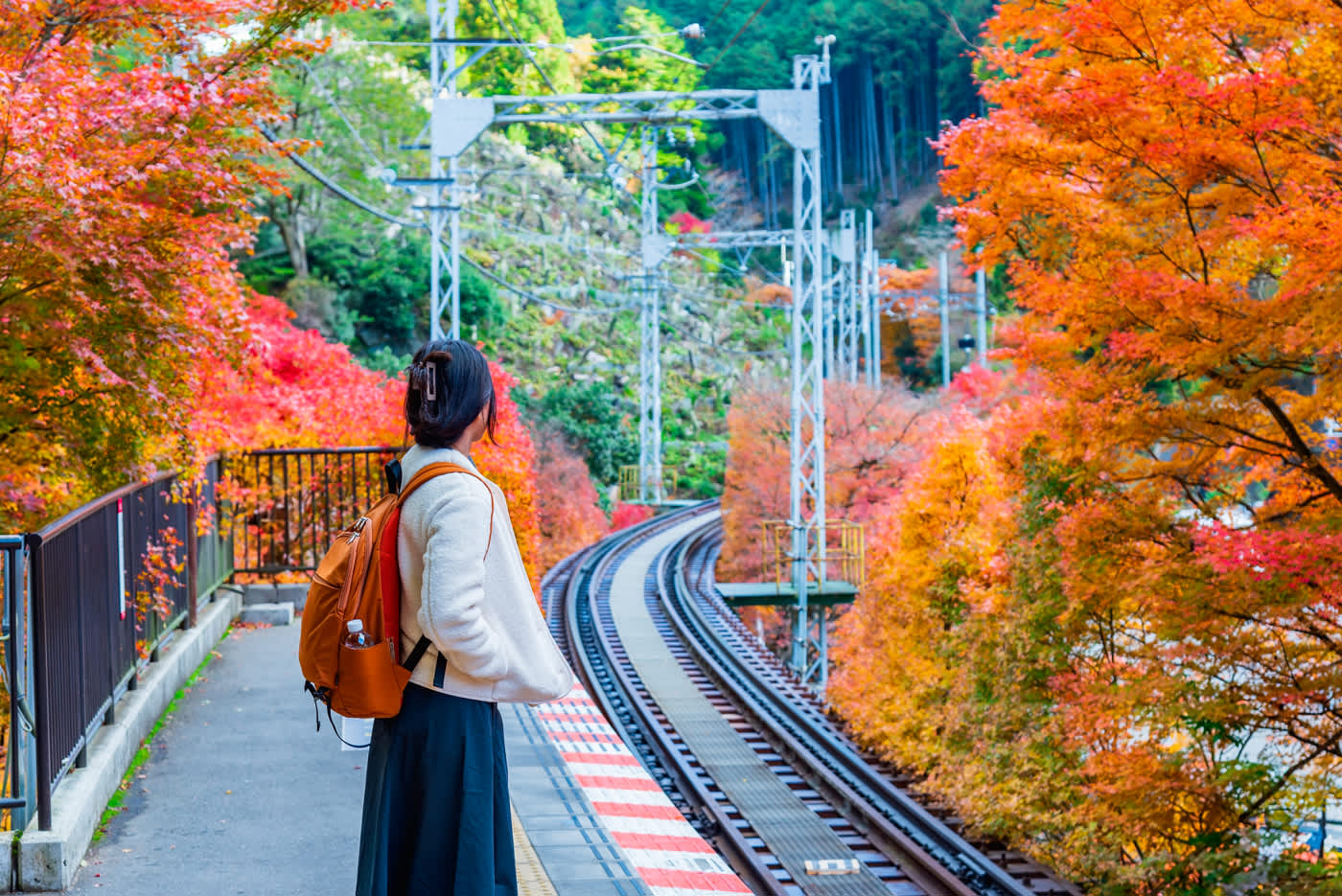
Carefully planning the final section of the journey helps you travel more efficiently and avoid frustrating setbacks, such as having to wait long hours for a train connection or finding out that the last bus of the day has already left. It also makes it easier to include regional destinations in your itinerary, opening the door to a lesser-known side of Japan.
The Takeaway: Plan in Steps, Move Smoothly, Experience More

Traveling in Japan means encountering a wide variety of places, from fast-paced cities to tranquil countryside. There is no need to choose one single type of ticket, card, or payment method that covers everything. Start with the itinerary and the destinations you want to visit, then find what works best for you. For short trips within a city, choose a simple, straightforward way to pay. For long-distance journeys, decide your route and travel dates before arranging tickets, passes, and seat reservations. And if you are traveling to rural areas, plan the final section of the journey first. With these three points in mind, you’ll find it easier to understand Japan’s transportation system and combine different destinations, making your travel experience deeper, richer, and more memorable.
Related Links
Welcome Suica Mobile | JR-EAST |
TOURIST PASMO |
Tokaido Sanyo Kyushu Shinkansen Online Reservation Service |
JAPAN RAIL PASS |
JR-EAST Train Reservation |
|
https://www.eki-net.com/en/jreast-train-reservation/Top/Index |