


Park ranger Akira Kaneko strives to create an environment where nature and people can thrive together
| Ranger | Akira Kaneko |
| Park | Setonaikai National Park |
| Recommended Spot | Narugashima Island |
* This article was written based on an interview conducted with the park ranger in September, 2022.

Akira Kaneko
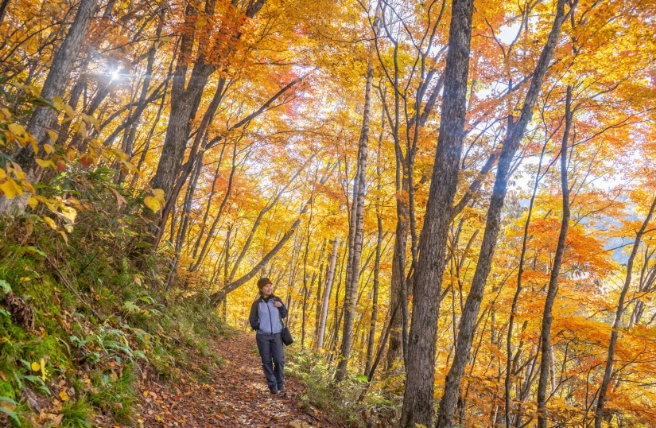
Akira Kaneko was headed for a career in law before he returned to his childhood passion for nature, and became a park ranger. Setonaikai National Park is the third park that Akira Kaneko has worked in, after starting his career at Yoshino-Kumano National Park in 2016. His legal background aids him in making important decisions that maintain the delicate balance between nature and civilization. His main responsibilities include the careful vetting of development plans such as the construction of new homes, restaurants, accommodations, and visitor centers and the monitoring of development projects to make sure they conform to environmental regulations. Kaneko helps foster economic growth while safeguarding the natural beauty of the park.
“My father loves the outdoors, and was a boy scout when he was young. I remember him often taking me out into nature when I was growing up. I first became interested in becoming a park ranger in elementary school, but in later years I ended up taking a different path. It wasn’t until I started free climbing, that my passion for the outdoors and dream of becoming a ranger was rekindled.”
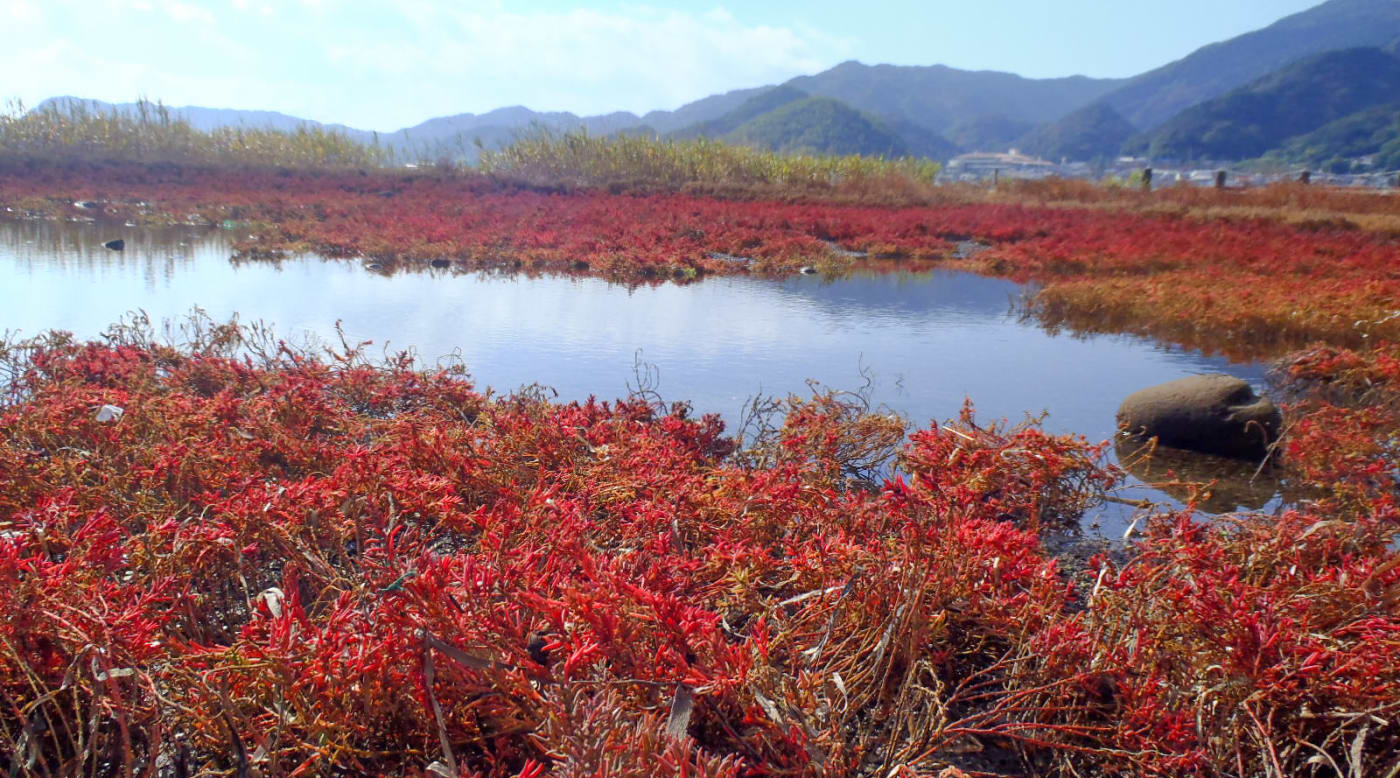
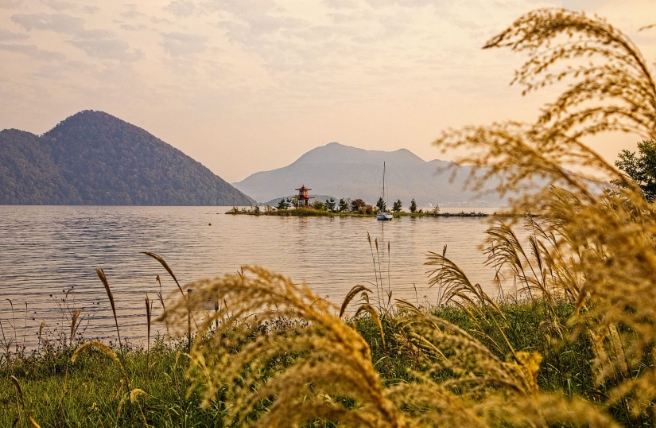
Fiery fall foliage on Narugashima Island
In balance with nature
Setonaikai is Japan's biggest national park, covering over 9,000 square kilometers of land and sea, and encompassing cities, small fishing villages, populated islands, and wild coastlines. The bustling port city of Kobe in Hyogo Prefecture is within the park boundaries, and its population lives closely with the natural surroundings.
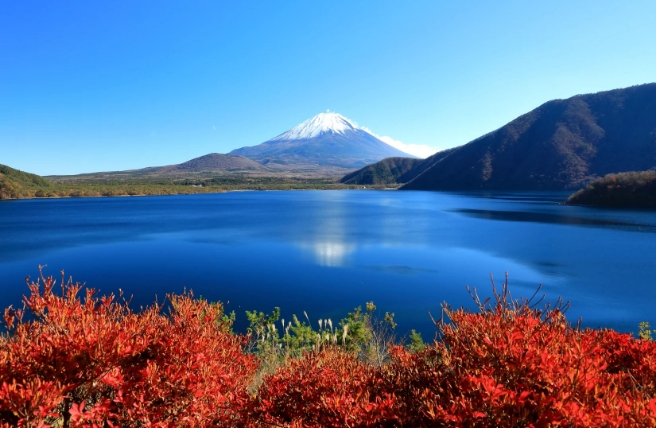
Forest-shrouded Mount Rokko overlooks Kobe and Osaka Bay. It is part of the Rokko range which stretches 56 kilometers from Kobe City in the west to Takarazuka City in the east. In the past, Mount Rokko was exploited for its granite and timber, but is now protected and preserved by Setonaikai National Park and the people of Kobe.
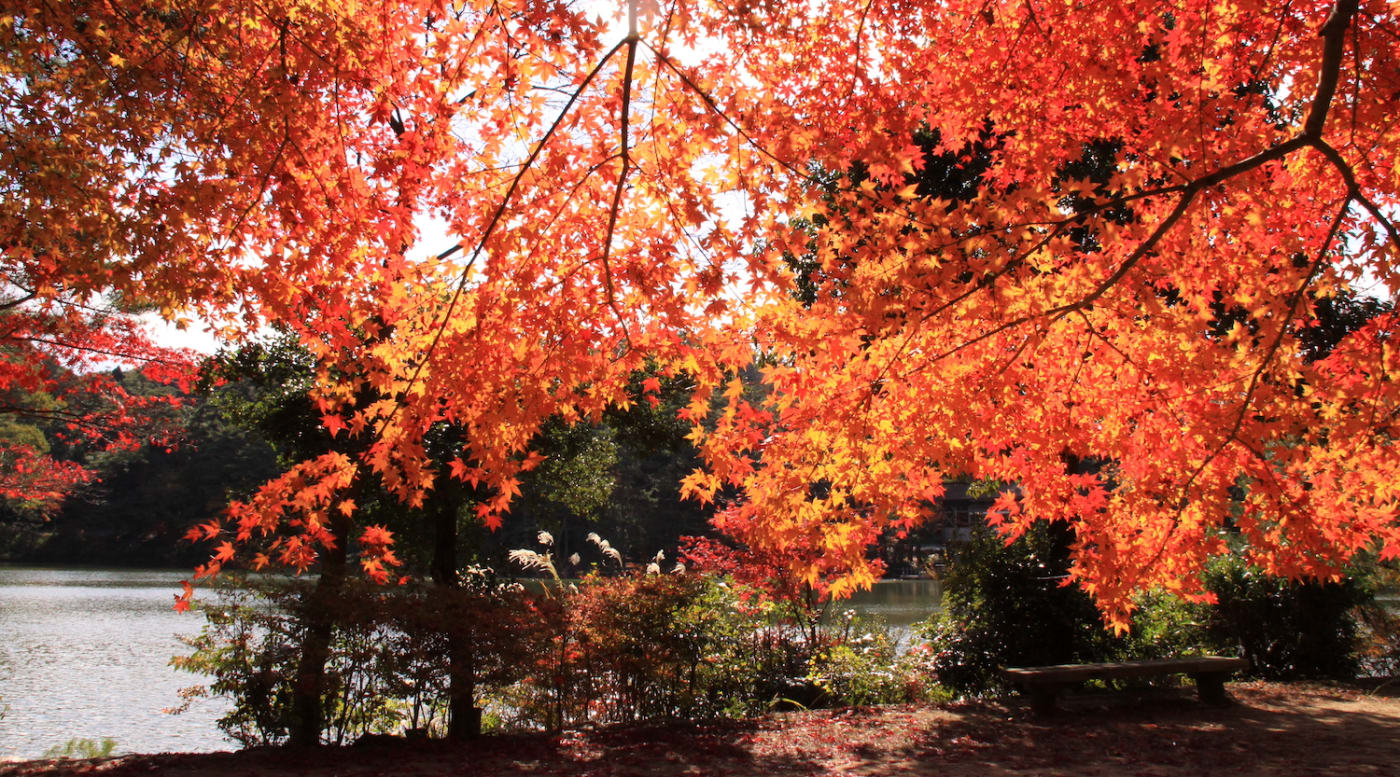
Mount Rokko in fall
“Setonaikai National Park is the only national park to have so many people living within and around its boundaries. The Mount Rokko area alone covers four cities—Kobe City being the largest with a population of 1.5 million. The local people account for a very considerable share of the park's visitors.” says Kaneko. “Nature finds its way into the everyday. Many of Kobe’s citizens walk up Mount Rokko each morning, just as a way to get some exercise.”
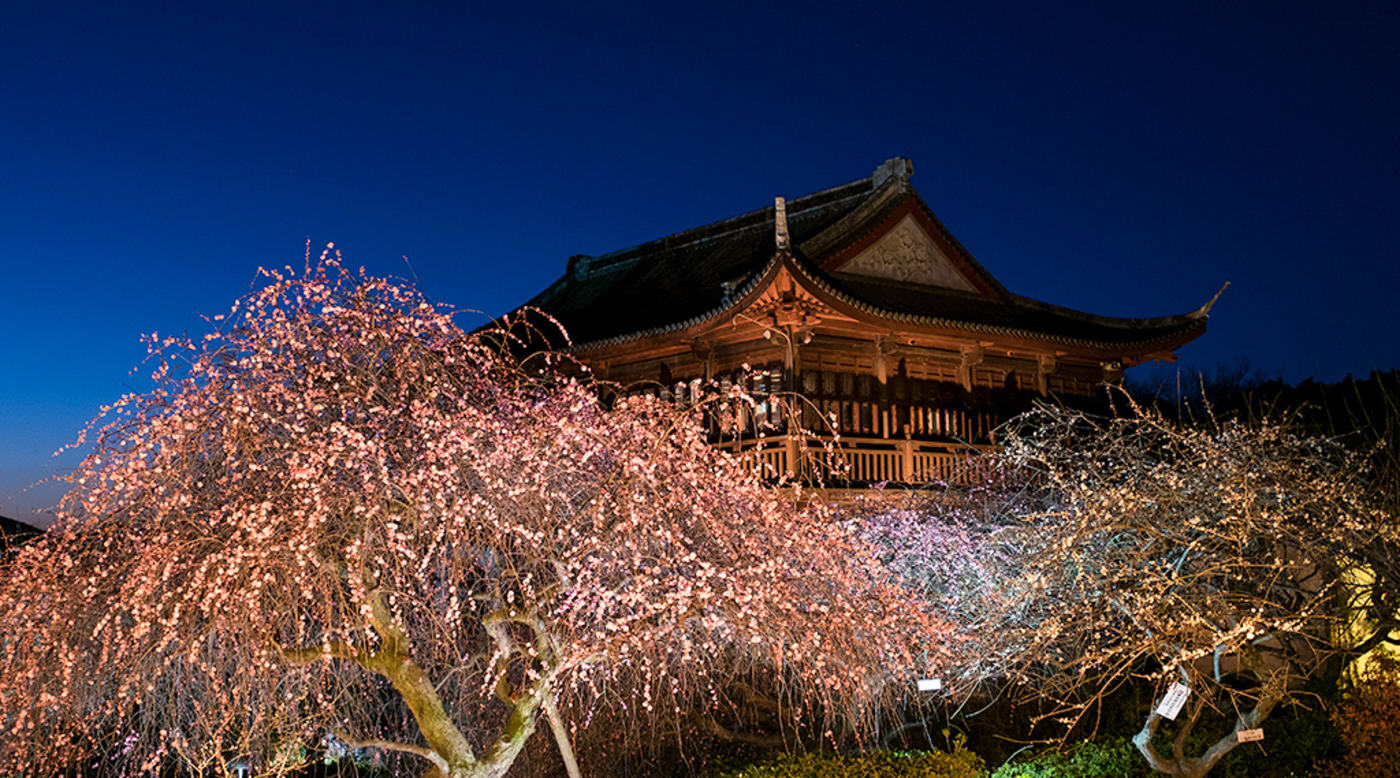
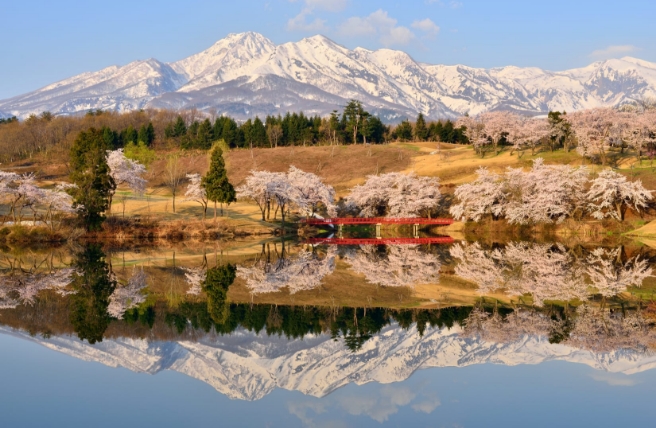
Cherry Blossoms at Sekai no Ume Park
Kaneko envisions a future where facilities such as restaurants and hotels are built with full consideration for preserving the natural beauty of Mount Rokko and its scenic value. He suggests painting buildings in neutral colors and avoiding distracting architectural designs. Kaneko strongly believes that a balance between maintaining natural beauty and creating an environment where people can thrive is necessary.
Give and take is nature’s law
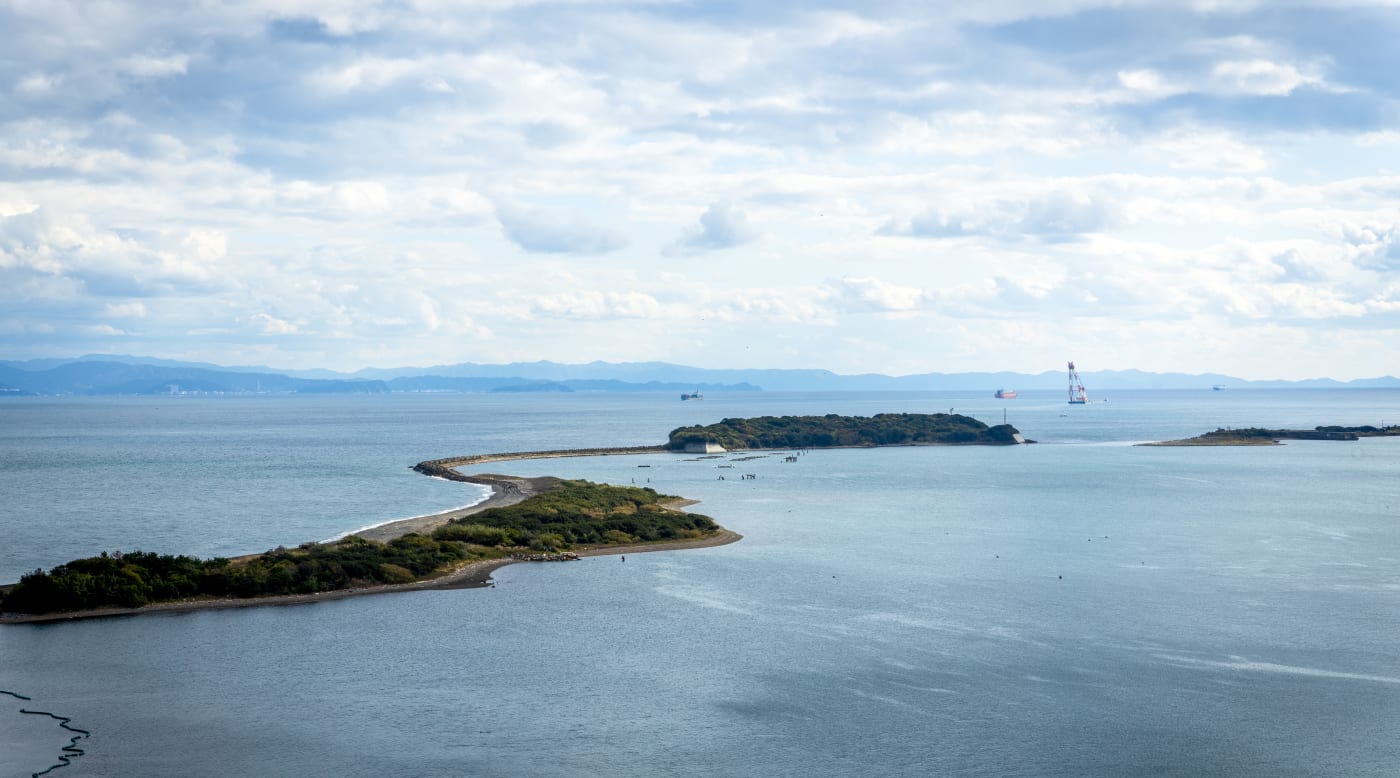
Narugashima Island
Narugashima Island is a three-kilometer sandbar located off the coast of Awaji Island in Osaka Bay. Kaneko introduces the island and how communities used land reclamation techniques to protect coastal areas from high waves.
“Narugashima Island is the result of land reclamation work conducted in the Edo period (1603–1867). The work was commissioned to make it easier for ships to dock on Awaji Island, and prevent high waves from reaching the coastal village of Yura.”
Yura is located beside a cove with headlands that curved inwards towards one another. The opening into the cove was shallow and difficult for ships to navigate, and while the headlands offered some protection from high waves, the opening allowed some of the highest waves to batter the shore. The reclamation work created side channels in the headlands offering better access to the cove for ships and a barrier island that gave more complete protection to villages like Yura on Awaji’s eastern coast.
The reclamation process has benefited the island’s inhabitants. In turn, the people of Awaji Island are appreciative, and express their reverence for nature through community-driven environmental initiatives. The people of Awaji preserve the natural environment of Narugashima Island, which includes beautiful salt marshes and meadows of wildflowers such as the bright-yellow Hibiscus hamabo.

Local middle schoolers cleaning the beach on Narugashima Island
Narugashima Island supports a wide variety of wildlife. One of its crustacean inhabitants is the red-clawed crab (Chiromantes haematocheir). In the past, events were held at Oishi Park during the spawning season to watch the crabs lay their eggs. Events like these are organized by the national park and rangers such as Kaneko. Asked about his favorite part of the park, Kaneko is quick to answer, “definitely Narugashima Island”.

Red-clawed crab
Sailing the seas
Setonaikai National Park covers parts of the mainland and an island archipelago in the Seto Inland Sea—a body of water almost entirely enclosed by Japan’s three major islands of Honshu, Shikoku, and Kyushu.
For first-time visitors, Kaneko recommends a boat tour of the whirlpools in the Naruto Strait, which separates Awaji Island and the coast of Shikoku, connecting the Seto Inland Sea and the Pacific Ocean. “The whirlpools of Naruto Strait only occur four times a day, during low tide and high tide. Getting a first-hand look at some of the world’s largest whirlpools is a special experience. I recommend taking an exciting ferry tour that goes to the edge of the swirling pools.”
So far, Kaneko has worked mostly in the eastern part of Setonaikai National Park. When asked which national park he would like to work in next, he is quick to answer. “I would like to stay in Setonaikai National Park, and explore the diverse, beautiful landscapes and communities of its many other areas.”