








Use the
Planning a Trip to Japan?
Share your travel photos with us by hashtagging your images with #visitjapanjp

นิกโก
①รถไฟด่วนพิเศษ Spacia X
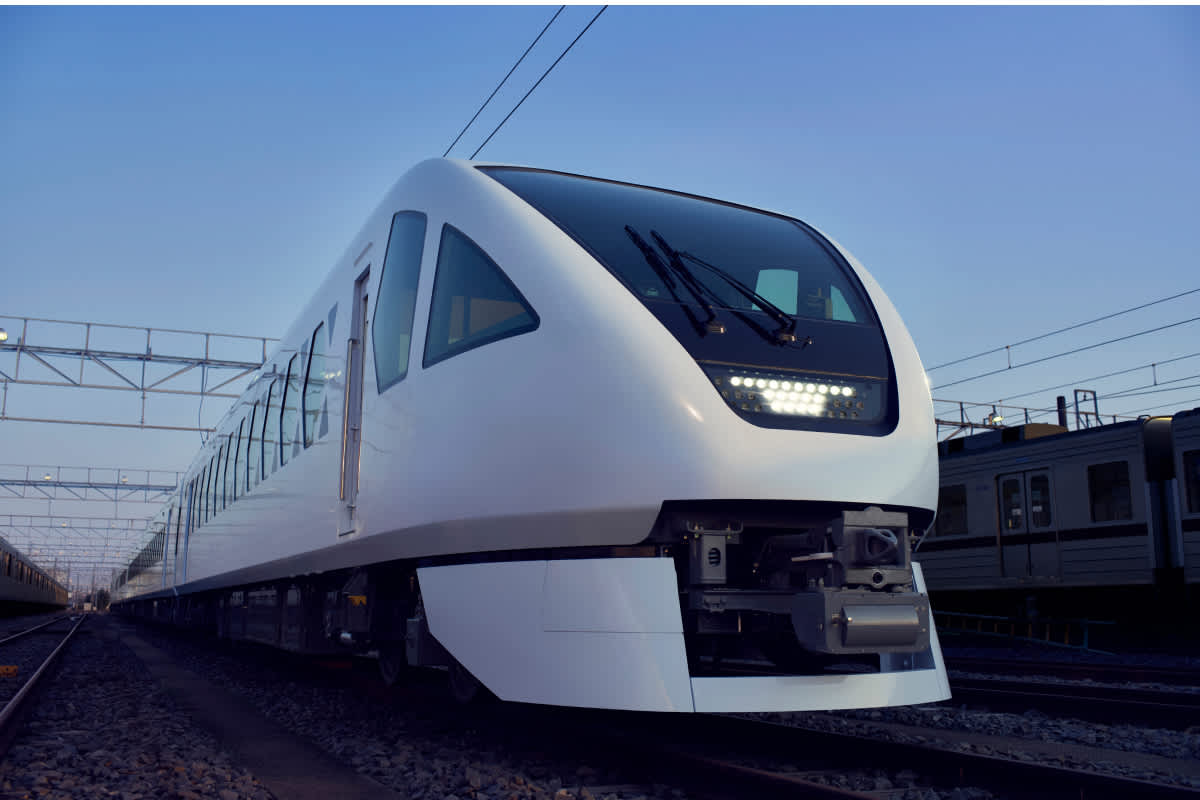
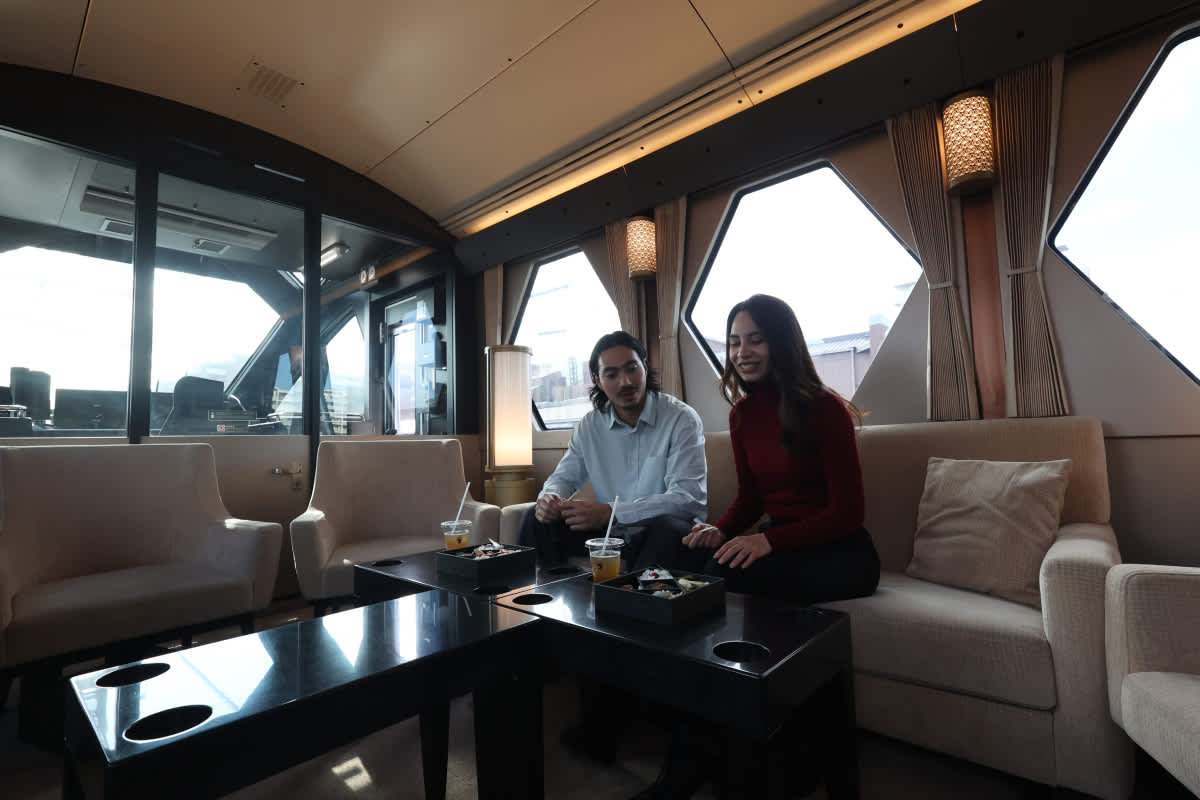
Spacia X คือรถไฟด่วนพิเศษที่ให้บริการโดยบริษัท Tobu Railway เชื่อมต่อระหว่างย่านอาซากุสะสู่พื้นที่นิกโกและคินุงะวะ รถไฟขบวนนี้ได้รับการออกแบบภายใต้แนวคิด “ประสบการณ์การเดินทางระดับพรีเมียม” โดดเด่นด้วยดีไซน์ทั้งภายนอกและภายในอย่างหรูหราอันได้แรงบันดาลใจมาจากวัฒนธรรมยุคเอโดะ โดยผสมผสานสีสันและลวดลายแบบดั้งเดิมไว้ตลอดทั้งขบวน
รถไฟขบวนนี้มีที่นั่งหลากหลายประเภทให้เลือกสรร รวมถึงห้อง Cockpit Suite ซึ่งเป็นพื้นที่สุดพิเศษแบบพาโนรามาที่ช่วยให้ผู้โดยสารได้เพลิดเพลินกับทิวทัศน์เบื้องหน้าอย่างเต็มตา เสมือนกำลังพักผ่อนอยู่ในห้องสวีทสุดหรูที่เคลื่อนที่ได้
นอกจากนี้ ในตู้โดยสารที่ 1 ที่เคาน์เตอร์คาเฟ่ ผู้โดยสารยังสามารถเพลิดเพลินไปกับเครื่องดื่มและอาหารว่างที่รังสรรค์ขึ้นจากวัตถุดิบท้องถิ่นตามเส้นทางรถไฟ ร่วมมอบประสบการณ์การเดินทางนี้ ให้เป็นทริปท่องเที่ยวอันน่าจดจำมิรู้ลืม
https://www.japan.travel/en/luxury/detail/the-new-express-train-spacia-x/
②ศาลเจ้านิกโกโทโชกู


ศาลเจ้านิกโกโทโชกูเป็นที่ประดิษฐานของโทกุกาวะ อิเอยาซุ หนึ่งในจอมทัพผู้เกรียงไกรที่มีชื่อเสียงที่สุดในประวัติศาสตร์ญี่ปุ่น โดยศาลเจ้าแห่งนี้ วัดรินโนจิ และ
ศาลเจ้าฟูตาราซันจิงจะ ได้รับการขึ้นทะเบียนเป็นมรดกโลกโดยองค์การยูเนสโกในนาม "ศาลเจ้าและวัดแห่งนิกโก" ซึ่งศาลเจ้าแห่งนี้มีชื่อเสียงอย่างยิ่งในด้านอาคารที่ตกแต่งอย่างโอ่อ่าและงานแกะสลักที่วิจิตรงดงามของประตูโยเมมง รวมถึงประติมากรรมอันเป็นเอกลักษณ์ อย่าง ลิงสามตัวและแมวนอนหลับด้วยสถาปัตยกรรมที่ผสมผสานองค์ประกอบของทั้งศาสนาชินโตและพุทธศาสนาเข้าด้วยกัน จึงก่อเกิดเป็นบรรยากาศอันงดงามโดดเด่นไม่เหมือนใคร
ตัวศาลเจ้าตั้งอยู่ท่ามกลางธรรมชาติอันอุดมสมบูรณ์ พร้อมอวดโฉมความงามที่แตกต่างกันไปในแต่ละฤดูกาล ตั้งแต่ความเขียวขจีอันสดชื่นในฤดูใบไม้ผลิ ป่าไม้ที่เขียวชอุ่มในฤดูร้อน ไปจนถึงช่วงใบไม้เปลี่ยนสีอันงดงามในฤดูใบไม้ร่วง และทัศนียภาพที่ปกคลุมด้วยหิมะอันเงียบสงบในฤดูหนาว ในฐานะหนึ่งในสถานที่ท่องเที่ยวที่เป็นสัญลักษณ์ของจังหวัดโทชิงิ ศาลเจ้าแห่งนี้พร้อมมอบประสบการณ์ทางประวัติศาสตร์และวัฒนธรรมของญี่ปุ่นอันน่าประทับใจให้แก่ผู้มาเยือน
https://www.japan.travel/th/spot/1482/
③วัดรินโนจิ นิกโก-ซัน
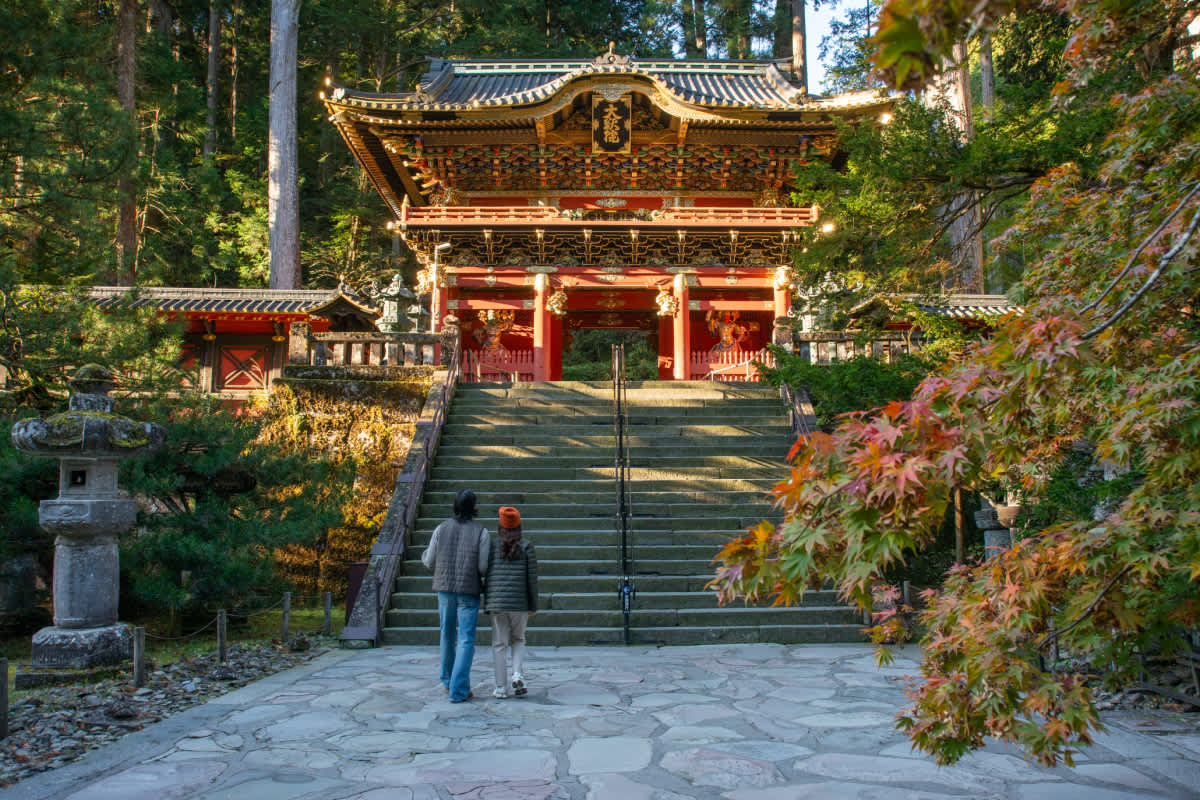
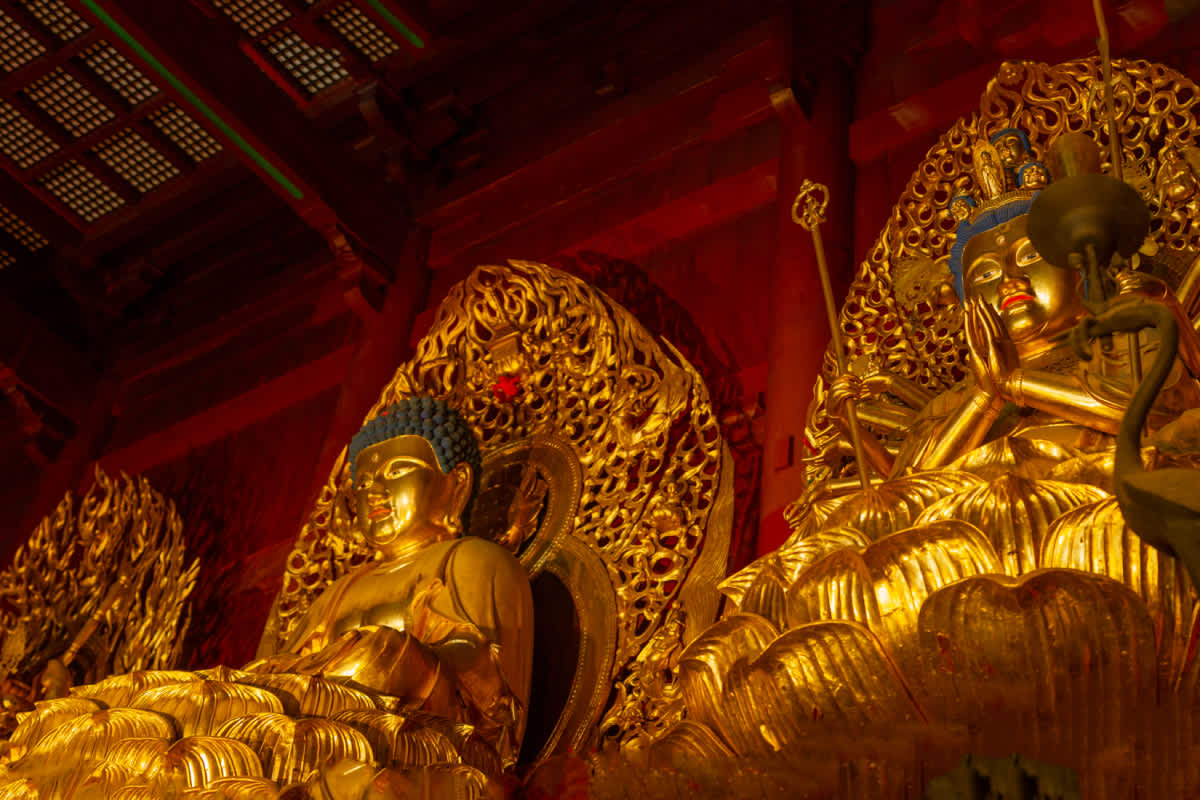
วัดรินโนจิคือวัดพุทธเก่าแก่ อันเป็นส่วนหนึ่งของแหล่งมรดกโลกโดยองค์การยูเนสโกในนาม "ศาลเจ้าและวัดแห่งนิกโก" ร่วมกับศาลเจ้านิกโกโทโชกูและศาสนสถานศักดิ์สิทธิ์อื่นๆ ด้วยหน้าประวัติศาสตร์อันยาวนานกว่า 1,250 ปี วัดแห่งนี้จึงได้รับการยอมรับว่าเป็นหนึ่งในวัดที่สำคัญที่สุดของพุทธศาสนานิกายเทนไดในประเทศญี่ปุ่น
อาคารซังบุทสึโด ซึ่งเป็นวิหารหลักของวัด ถือเป็นสิ่งก่อสร้างไม้ที่มีขนาดใหญ่ที่สุดในแถบขุนเขาของนิกโก ภายในวิหาร ประดิษฐานพระพุทธรูปสีทองอันงดงามตระการตา 3 องค์ ซึ่งสะท้อนถึงการผสมผสานระหว่างพุทธศาสนากับความเชื่อดั้งเดิมของญี่ปุ่นในการบูชาภูเขา ที่เคารพนับถือยอดเขาโดยรอบว่าเป็นสถานที่ศักดิ์สิทธิ์
ผู้มาเยือนสามารถเพลิดเพลินกับทัศนียภาพตามฤดูกาลได้ตลอดทั้งปี โดยในฤดูใบไม้ผลิ ต้นคงโกซากุระอายุกว่า 500 ปี จะผลิบานอวดโฉมในสวนด้านหน้า ขณะที่ในฤดูใบไม้ร่วง สวนโชโยเอ็นที่อยู่ใกล้เคียงก็จะมีชื่อเสียงขจรขจายในเรื่องใบไม้เปลี่ยนสีที่งดงาม ด้วยความลงตัวของการผสมผสานทั้งประวัติศาสตร์ วัฒนธรรมความเชื่อ และความงามทางธรรมชาติ วัดรินโนจิจึงยืนหยัดเป็นหนึ่งในสถานที่สำคัญที่สุดของนิกโก
https://www.japan.travel/th/spot/1481/
④เดอะ ริทซ์-คาร์ลตัน นิกโก

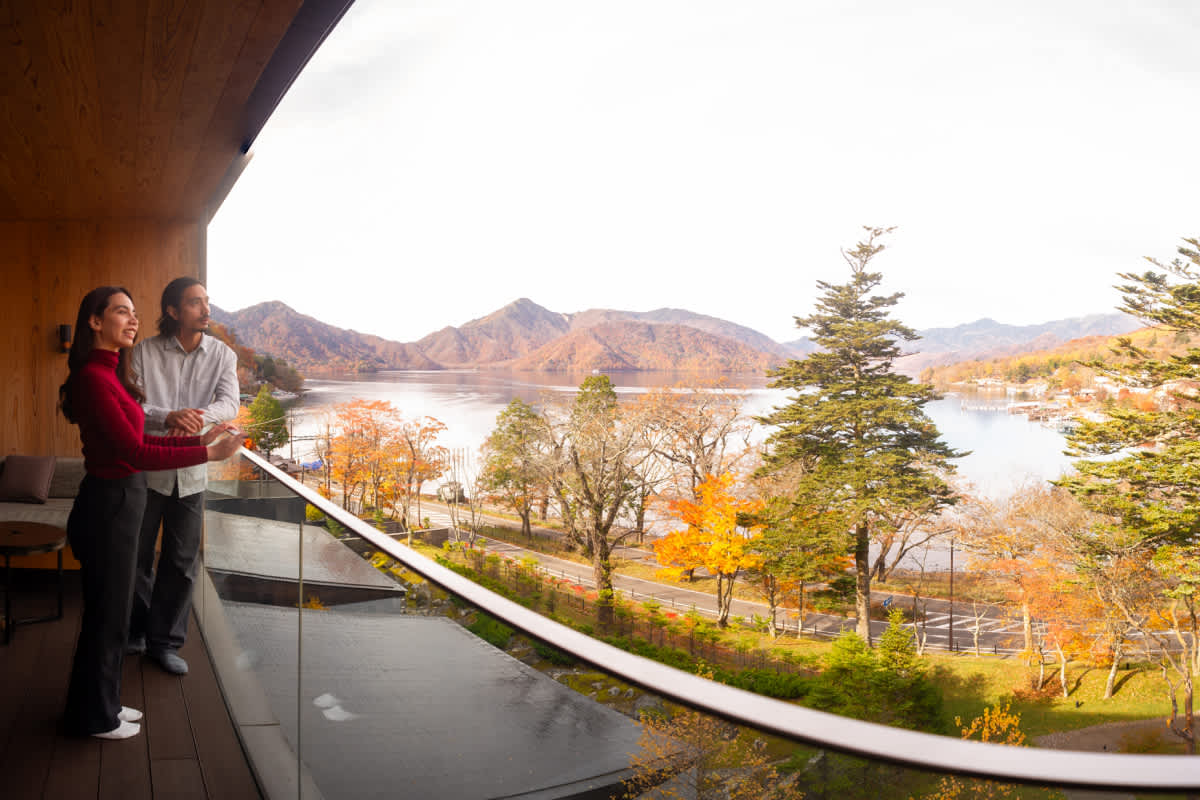
เดอะ ริทซ์-คาร์ลตัน นิกโก ตั้งอยู่ในอุทยานแห่งชาตินิกโก โดยเป็นโรงแรมหรูที่สามารถมองเห็นทัศนียภาพอันงดงามของทะเลสาบชูเซ็นจิและภูเขานันไต ท่ามกลางความเงียบสงบริมทะเลสาบและอากาศอันบริสุทธิ์ของขุนเขา แขกผู้เข้าพักจะได้ใช้ช่วงเวลาอันแสนพิเศษ ไปกับการผ่อนคลายและชื่นชมความงามที่แปรเปลี่ยนไปตามฤดูกาล
การออกแบบของโรงแรมผสานรวมสุนทรียศาสตร์แบบญี่ปุ่นดั้งเดิมเข้ากับความสง่างามร่วมสมัยได้อย่างลงตัว ห้องพักตกแต่งด้วยรายละเอียดที่ได้รับแรงบันดาลใจจากงานหัตถศิลป์ท้องถิ่นของจังหวัดโทชิงิ พร้อมด้วยเลานจ์ที่ชวนให้นึกถึงระเบียงไม้เอ็นกาวะแบบดั้งเดิม ซึ่งร่วมสร้างบรรยากาศอันสงบและหรูหราเหนือระดับ และที่สปาอนเซ็น ผู้เข้าพักสามารถเอนกายผ่อนคลายในบ่อน้ำพุร้อนเปิดโล่ง หรือเพลิดเพลินไปกับสปาทรีตเมนต์หลังจากเดินทางมาตลอดทั้งวัน
สำหรับสุนทรียศาสตร์ด้านอาหารก็ยอดเยี่ยมไม่แพ้กันโดยมีพร้อมสรรพทั้งห้องอาหาร ชุดน้ำชายามบ่าย และบาร์ให้บริการภายในโรงแรม ที่ห้องอาหาร Lakehouse ซึ่งใช้ศาสตร์การทำอาหารที่เน้นวัตถุดิบจากสวน (garden gastronomy)
ผู้เข้าพักจะได้ลิ้มรสอาหารที่ปรุงอย่างพิถีพิถันจากวัตถุดิบท้องถิ่น เคียงคู่กับการชมทิวทัศน์รอบตัว โรงแรมแห่งนี้ยังเป็นจุดเริ่มต้นอันยอดเยี่ยมสำหรับการออกไปสำรวจเส้นทางธรรมชาติและเยี่ยมชมแหล่งมรดกโลกของนิกโกที่อยู่ใกล้เคียงอีกด้วย
https://www.visit-tochigi.com/th/plan-your-trip/things-to-do/29214/
⑤ทะเลสาบชูเซ็นจิ

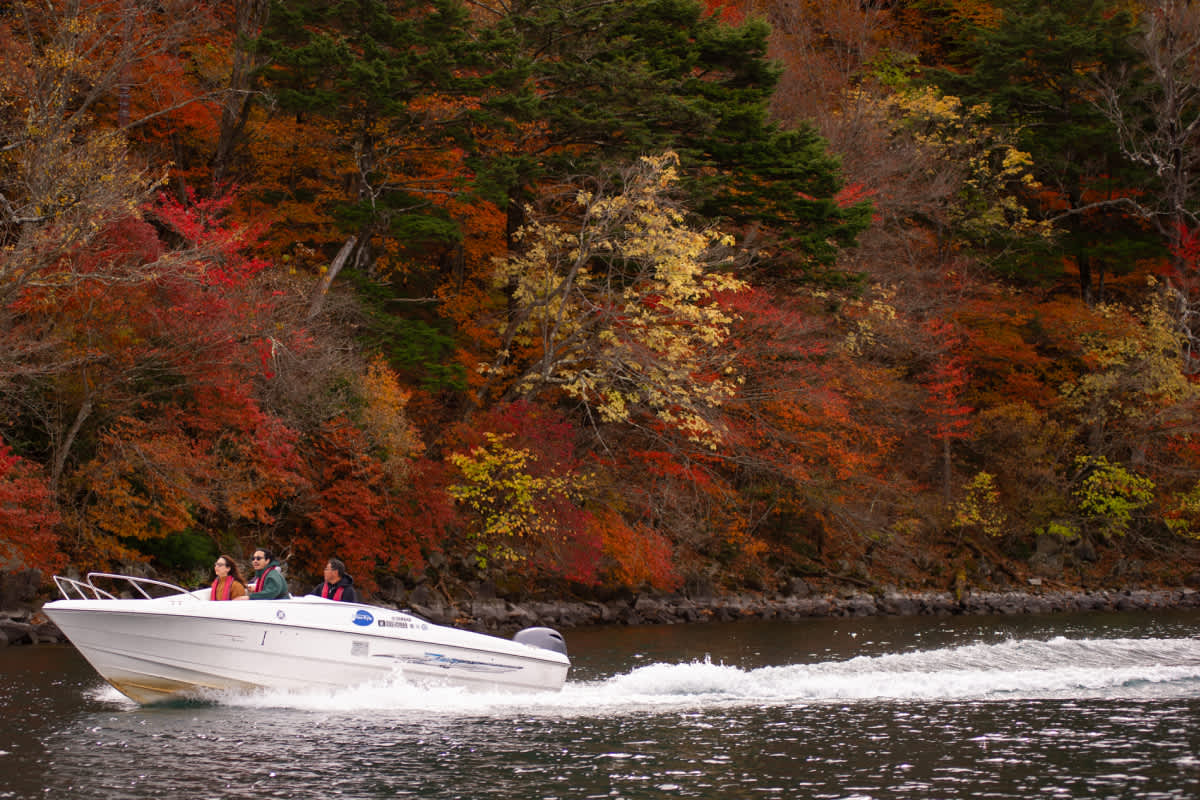
ทะเลสาบชูเซ็นจิ ตั้งอยู่ที่ระดับความสูงประมาณ 1,200 เมตร โดยเป็นทะเลสาบบนที่ราบสูงที่เกิดจากการปะทุของภูเขานันไต
และเป็นหนึ่งในจุดหมายปลายทางอันเลื่องชื่อในด้านทัศนียภาพที่งดงามที่สุดของพื้นที่โอคุนิกโก ชายฝั่งทะเลสาบที่โอบล้อมด้วยขุนเขาและป่าทึบแห่งนี้ เผยให้เห็นทิวทัศน์ธรรมชาติอันเงียบสงบและงดงามตระการตาแบบพาโนรามา
โดยทะเลสาบแห่งนี้พร้อมอวดเสน่ห์ที่แตกต่างกันไปในแต่ละฤดูกาล ยามฤดูใบไม้ผลิจะ สะพรั่งไปด้วยความเขียวขจีสดชื่น ขณะที่ฤดูร้อนก็จะดึงดูดผู้คนให้มาพักผ่อนคลายร้อน ครั้นถึงฤดูใบไม้ร่วง ใบไม้เปลี่ยนสีอันสดใสจะแต่งแต้มริมทะเลสาบพร้อมสะท้อนเงาลงบนผืนน้ำอย่างงดงาม และในฤดูหนาว บริเวณแห่งนี้จะถูกโอบล้อมด้วยไอเย็นอันสดชื่นและความเงียบสงบ
ในส่วนของ บริเวณโดยรอบยังมีสถานที่ท่องเที่ยวที่มีชื่อเสียง เช่น น้ำตกเคะกง ตลอดจนศาลเจ้าและวัดวาอารามที่มีประวัติศาสตร์อันยาวนาน เปิดโอกาสให้ผู้มาเยือนได้เพลิดเพลินกับทั้งธรรมชาติและวัฒนธรรมไปพร้อมกัน นอกจากนี้ภายในทะเลสาบยังมีกิจกรรมหลากหลาย เช่น การล่องเรือชมวิวและการพายเรือแคนู ซึ่งเป็นวิธีพักผ่อนหย่อนใจสบายๆ พร้อมชมทัศนียภาพอันงดงามจากผืนน้ำ
https://www.japan.travel/th/spot/1484/
โตเกียว
⑥มื้ออาหารสไตล์อิซะกะยะ
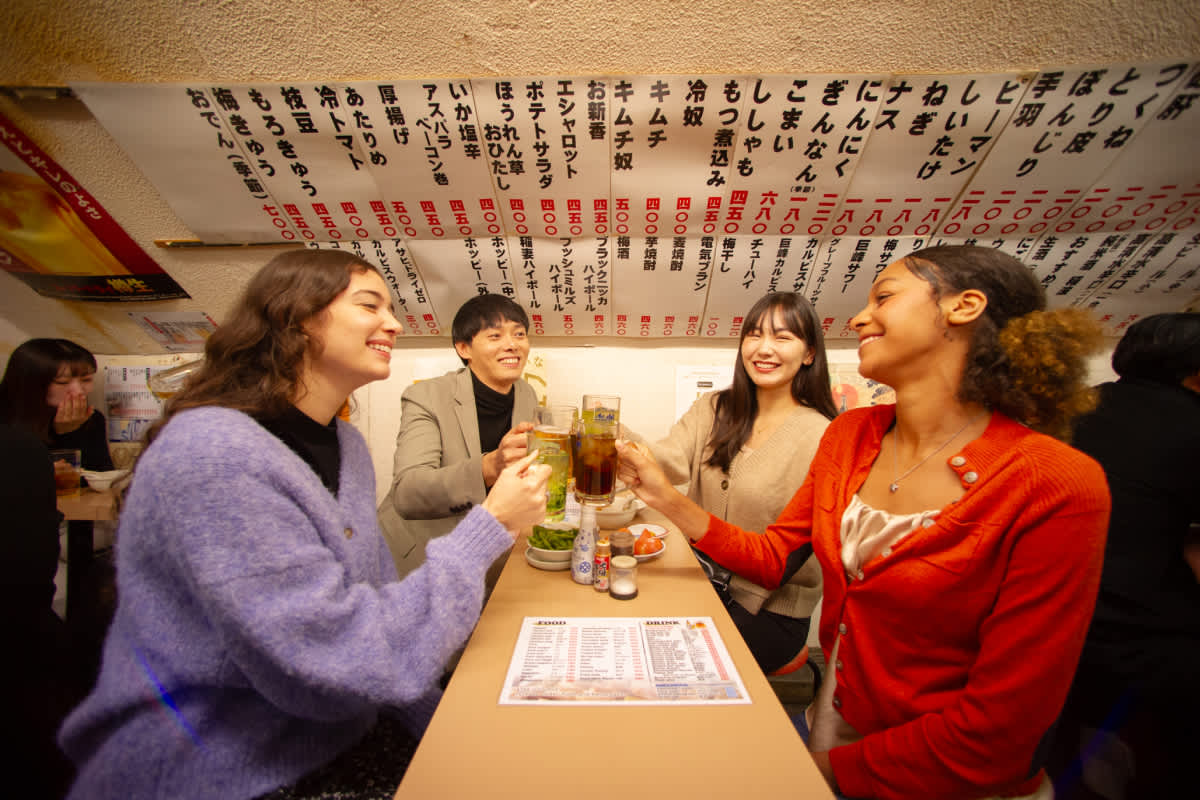

อิซะกะยะ คือร้านอาหารและบาร์สไตล์เป็นกันเอง ที่พบได้ทั่วไปตามเมืองต่างๆ ในญี่ปุ่น อันเป็นแหล่งพบปะสังสรรค์เพื่อเพลิดเพลินกับอาหารและเครื่องดื่มในบรรยากาศที่ผ่อนคลาย โดยทั่วไปลูกค้ามักเลือกสั่งอาหารจานเล็กๆ หลาย ๆ เมนู เช่น ซาชิมิ ยากิโทริ และเทมปุระ มาแบ่งกันทาน พร้อมจิบเครื่องดื่มอย่างสาเก โชจู หรือเบียร์เย็นๆ
อิซะกะยะหลายแห่งอบอวลไปด้วยบรรยากาศที่อบอุ่นและเป็นมิตร เปิดโอกาสให้ได้พูดคุยทักทายกับพนักงาน หรืออาจได้ผูกมิตรกับลูกค้าโต๊ะข้างๆ อย่างเป็นธรรมชาติ ไม่ว่าจะเป็นพนักงานออฟฟิศที่แวะเวียนมาหลังเลิกงาน คู่รัก หรือแม้แต่คนที่มานั่งทานคนเดียว ผู้คนหลากหลายกลุ่มต่างมารวมตัวกัน ณ พื้นที่แห่งนี้ นั่นทำให้อิซะกะยะกลายเป็นสถานที่ ที่เหมาะอย่างยิ่งสำหรับการมาลองสัมผัสสีสันยามค่ำคืนตลอดจนวัฒนธรรมการกินดื่มและการเข้าสังคมของชาวญี่ปุ่น
https://www.japan.travel/th/guide/dinner-at-a-japanese-tavern/
⑦ถนนอิโจนะมิคิ
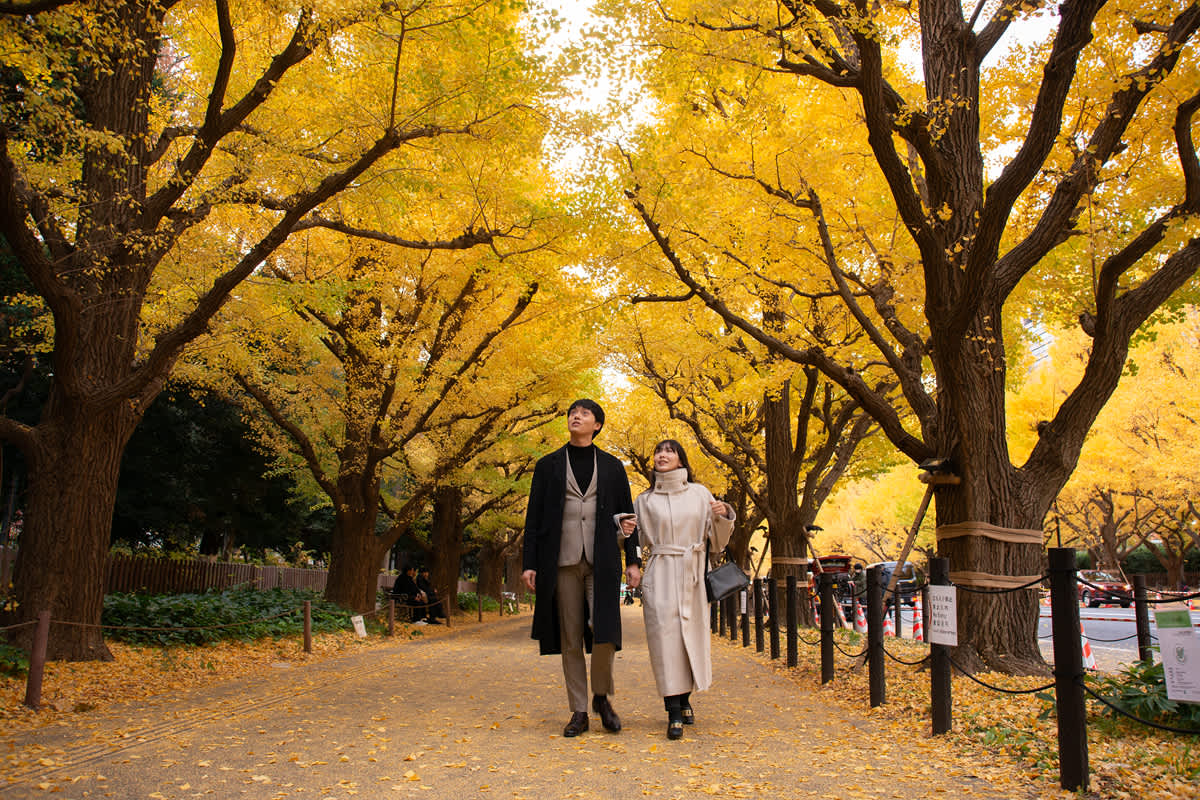

ถนนต้นแปะก๊วยแห่งนี้ตั้งอยู่ในศาลเจ้าเมจิจิงกูไกเอ็น เป็นจุดชมใบไม้เปลี่ยนสีในฤดูใบไม้ร่วงอันเลื่องชื่อที่สุดแห่งหนึ่งของโตเกียว ต้นแปะก๊วยที่ปลูกเรียงรายอย่างเป็นระเบียบตลอดระยะทางประมาณ 300 เมตร จะพร้อมใจกันเปลี่ยนเป็นสีทองอร่ามยามฤดูกาลย่างเข้าสู่ช่วงปลายฤดูใบไม้ร่วง
ถนนสายนี้ได้รับการออกแบบอย่างพิถีพิถัน โดยคำนึงถึงการไล่ระดับความสูงของต้นไม้และความลาดชันของถนนอย่างแม่นยำ ก่อเกิดเป็นทัศนียภาพอันงดงามที่โอบล้อมหอศิลป์อนุสรณ์เมจิที่อยู่ปลายสุดของถนนได้อย่างลงตัว ช่วงเวลาที่เหมาะแก่การมาเยือนที่สุดคือช่วงกลางเดือนพฤศจิกายนถึงต้นเดือนธันวาคม เมื่อใบไม้เริ่มร่วงหล่นจนผืนดินถูกปกคลุมไปด้วยใบไม้สีเหลืองอร่าม เกิดเป็นทัศนียภาพอันงดงามราวกับถูกปูลาดด้วยพรมสีทอง
https://www.japan.travel/th/spot/378/
⑧ย่านกินซ่า
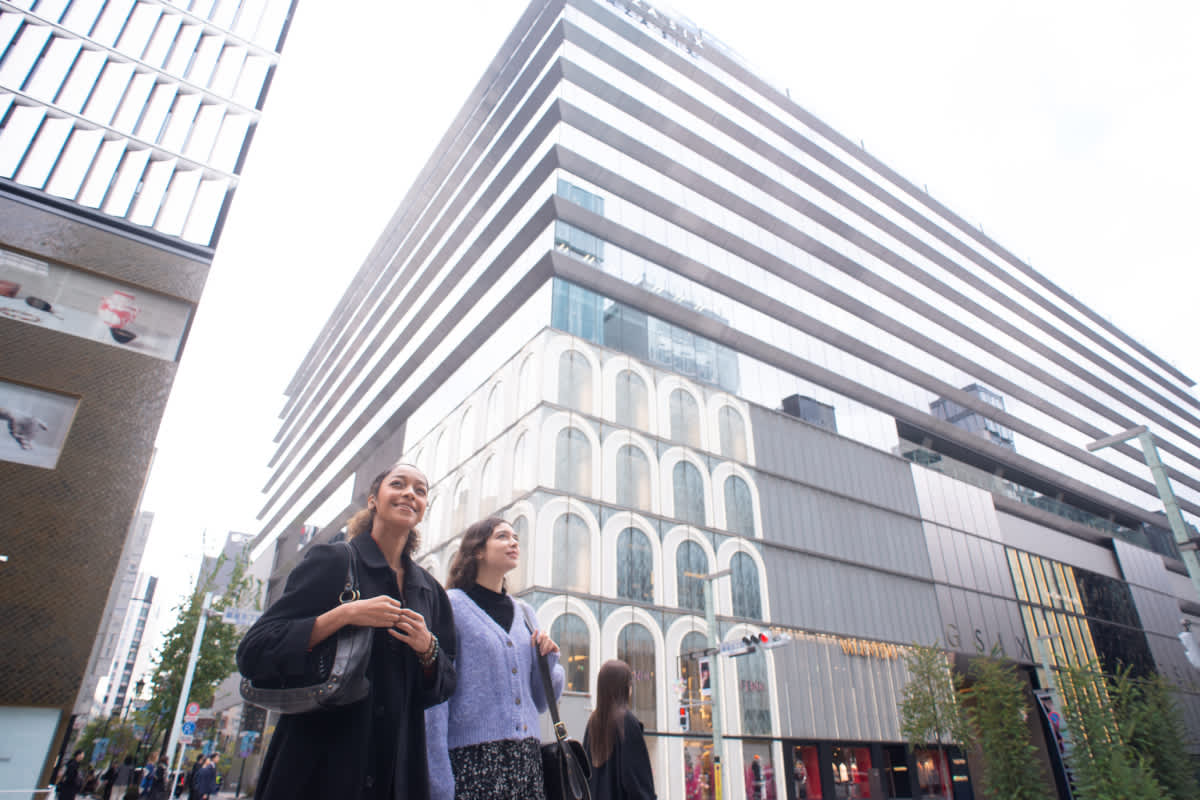

กินซ่าเป็นที่รู้จักไปทั่วโลกในฐานะหนึ่งในย่านช้อปปิ้งที่หรูหรามีระดับที่สุดของญี่ปุ่น ตลอดสองข้างทางเรียงรายไปด้วยร้านแฟล็กชิปสโตร์ของบรรดาแบรนด์หรูและห้างสรรพสินค้าเก่าแก่ อบอวลไปด้วยบรรยากาศอันหรูหราสง่างาม เหมาะสำหรับการเดินเล่นชมเมืองอย่างมีสไตล์
นอกเหนือจากสินค้าแฟชั่น เครื่องประดับ และเครื่องสำอางใหม่ล่าสุดแล้ว นักท่องเที่ยวยังสามารถค้นพบสินค้าญี่ปุ่นคุณภาพสูงรวมถึงงานหัตถกรรมดั้งเดิมอันเป็นเอกลักษณ์เฉพาะตัวของญี่ปุ่นได้อีกด้วย ตลอดถนนเส้นนี้ที่ได้รับการดูแลรักษาเป็นอย่างดี ยังมีคาเฟ่และร้านอาหารตั้งอยู่เรียงราย ช่วยให้คุณสามารถแวะพักผ่อนสบายๆ ระหว่างเพลิดเพลินกับการช้อปปิ้งได้อย่างง่ายดาย
กินซ่าจึงเป็นจุดหมายปลายทางที่ผสมผสานบรรยากาศเมืองอันหรูหรามีสไตล์ เข้ากับจิตวิญญาณแห่งการต้อนรับอันเลื่องชื่อของญี่ปุ่นได้อย่างลงตัว ขับเน้นให้นักท่องเที่ยวสามารถเพลิดเพลินไปกับการเที่ยวชมสถานที่และการช้อปปิ้งได้อย่างเต็มเปี่ยม
https://www.japan.travel/th/story/shopping-in-ginza/
⑨นั่งเฮลิคอปเตอร์ชมวิวยามค่ำคืน
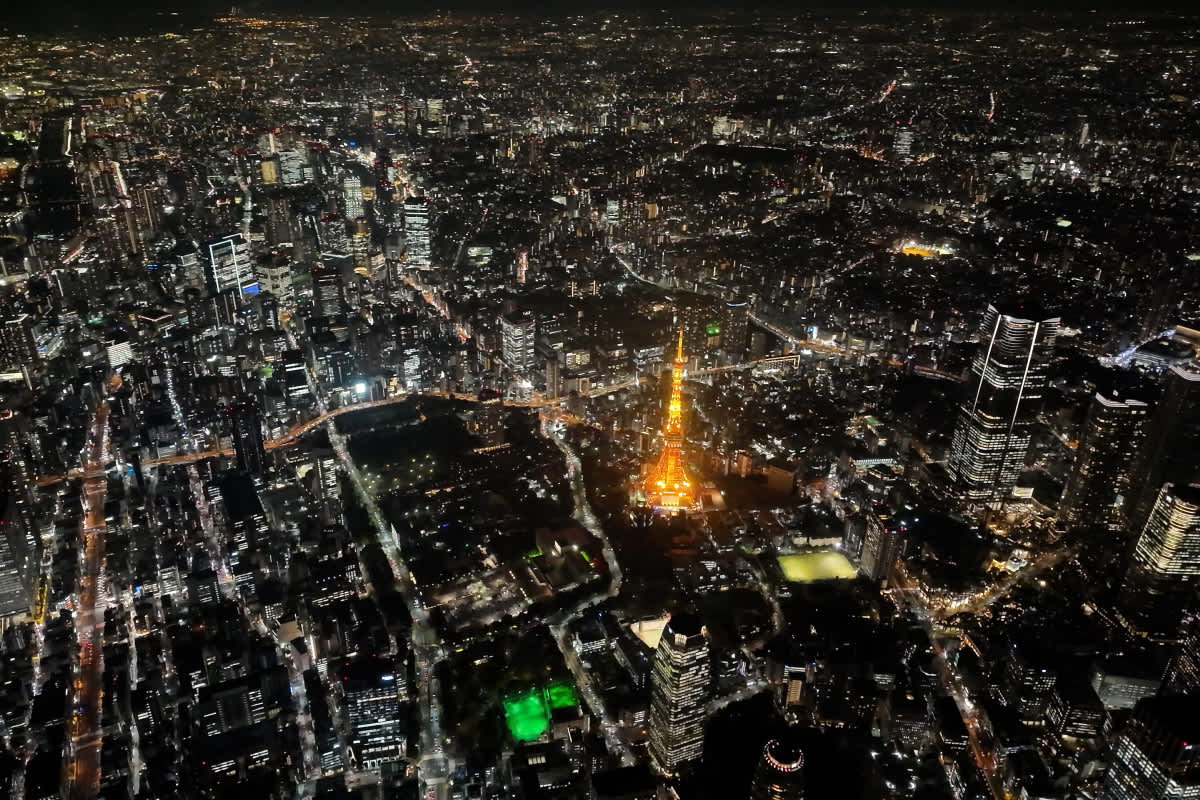

การนั่งเฮลิคอปเตอร์ชมวิวเหนือโตเกียวมอบประสบการณ์พิเศษเหนือระดับบนท้องฟ้า ให้คุณได้ชื่นชมเส้นขอบฟ้าของเมืองจากมุมสูงอย่างหรูหรามีระดับ แม้ในเวลาที่จำกัด คุณก็สามารถดื่มด่ำกับทิวทัศน์มุมกว้างของกรุงโตเกียว รวมถึงสถานที่อันเป็นสัญลักษณ์สำคัญ อย่าง โตเกียวทาวเวอร์ โตเกียวสกายทรี ตึกระฟ้าในชินจูกุ และย่านริมน้ำ
ในเวลากลางวัน เที่ยวบินนี้จะเผยให้เห็นความยิ่งใหญ่และโครงสร้างอันน่าประทับใจของตัวเมือง ขณะที่ในยามค่ำคืน เส้นขอบฟ้าที่ประดับประดาด้วยแสงไฟจะส่องประกายระยิบระยับราวกับอัญมณี จากมุมมองอันเป็นเอกลักษณ์ซึ่งไม่สามารถสัมผัสได้จากภาคพื้นดิน คุณจะได้ค้นพบมิติและเสน่ห์ของโตเกียวในมุมมองใหม่
ไม่ว่าจะเป็นการมาเยือนโตเกียวครั้งแรก หรือในโอกาสพิเศษอย่างทริปฉลองครบรอบ ประสบการณ์สุดหรูนี้จะเป็นไฮไลท์ที่มอบความทรงจำอันยากจะลืมเลือนให้กับการเดินทางของคุณ
https://www.japan.travel/th/experiences-in-japan/4973/
ภูมิภาคโทไก ตอนกลางของญี่ปุ่น
⑩ทะเลสาบคาวากุจิ

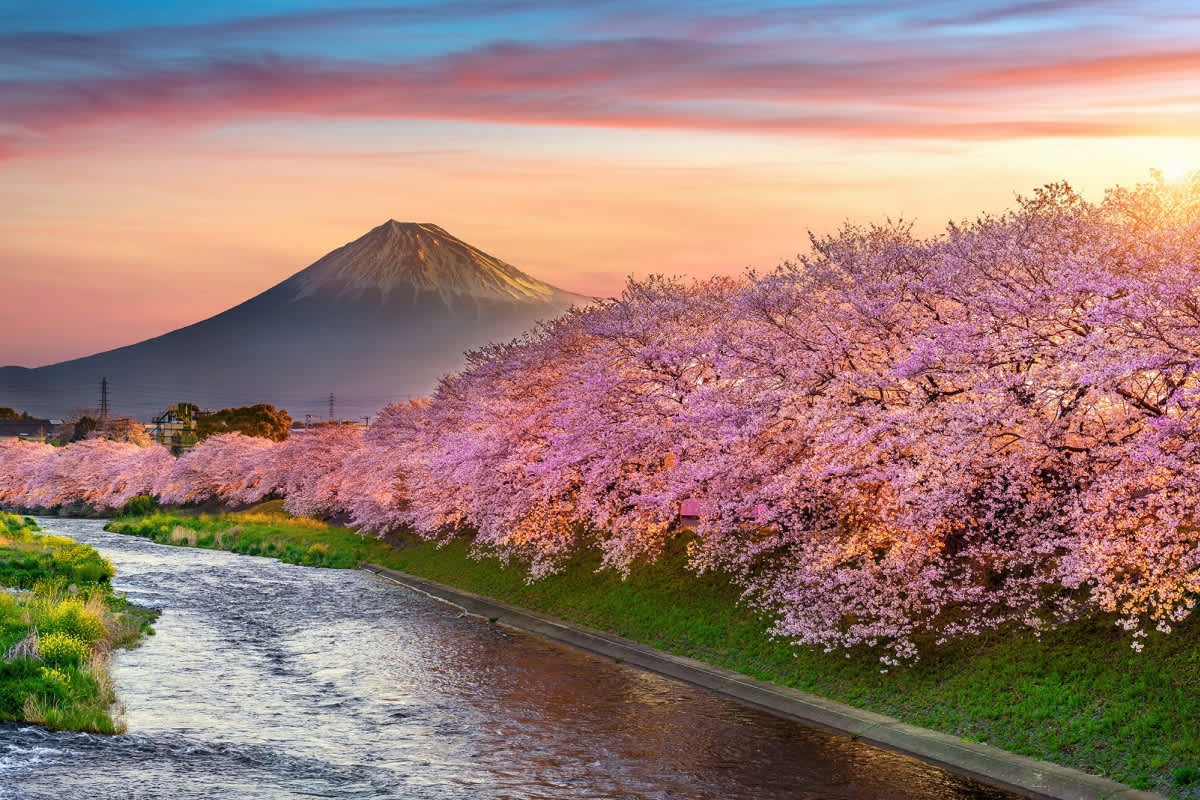
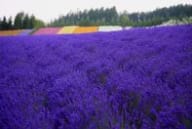
ทะเลสาบคาวากุจิคือหนึ่งในสถานที่ท่องเที่ยวอันงดงาม ซึ่งได้รับการขึ้นทะเบียนเป็นส่วนหนึ่งของแหล่งมรดกโลกทางวัฒนธรรม ภูเขาไฟฟูจิโดยองค์การยูเนสโก และมีชื่อเสียงเป็นพิเศษในฐานะจุดชมทิวทัศน์อันเป็นเอกลักษณ์ของภูเขาไฟฟูจิยามสะท้อนเงาบนผืนน้ำ บริเวณริมทะเลสาบมีทิวทัศน์ที่สวยงามตามฤดูกาลตลอดทั้งปี ในฤดูใบไม้ผลิ ดอกซากุระจะบานสะพรั่งโอบล้อมทิวทัศน์ ขณะที่ทุ่งลาเวนเดอร์จะบานสะพรั่งเต็มที่ตั้งแต่ช่วงต้นฤดูร้อนจนถึงกลางฤดูร้อน
ยามย่างเข้าสู่ฤดูใบไม้ร่วง เนินเขาโดยรอบทะเลสาบจะถูกแต่งแต้มไปด้วยสีสันอันสดใสของใบไม้เปลี่ยนสีก่อเกิดเป็นภาพทิวทัศน์อันน่าตื่นตาตื่นใจของภูเขาไฟฟูจิที่ถูกโอบล้อมด้วยใบไม้สีแดงและสีทอง ซึ่งในบางช่วงเวลาจะมีการจัดแสดงประดับไฟในยามค่ำคืนร่วมด้วย ส่วนฤดูหนาวจะมาพร้อมกับสภาพอากาศที่หนาวเย็นและแจ่มใส ซึ่งเผยให้เห็นทัศนียภาพของภูเขาไฟฟูจิในมุมที่งดงามตระการตาที่สุด
นอกจากนี้ พื้นที่โดยรอบยังมีทั้งน้ำพุร้อน พิพิธภัณฑ์ และจุดชมวิว ให้คุณได้เลือกสำรวจอีกมากมาย ด้วยการเดินทางที่สะดวกสบายจากโตเกียวและโยโกฮามะ ทะเลสาบคาวากุจิจึงเป็นจุดหมายปลายทางยอดนิยมสำหรับการพักผ่อนระยะสั้นมาอย่างยาวนาน
https://www.japan.travel/th/spot/1329/
⑪ชิบุ ทัตสึโนคัง

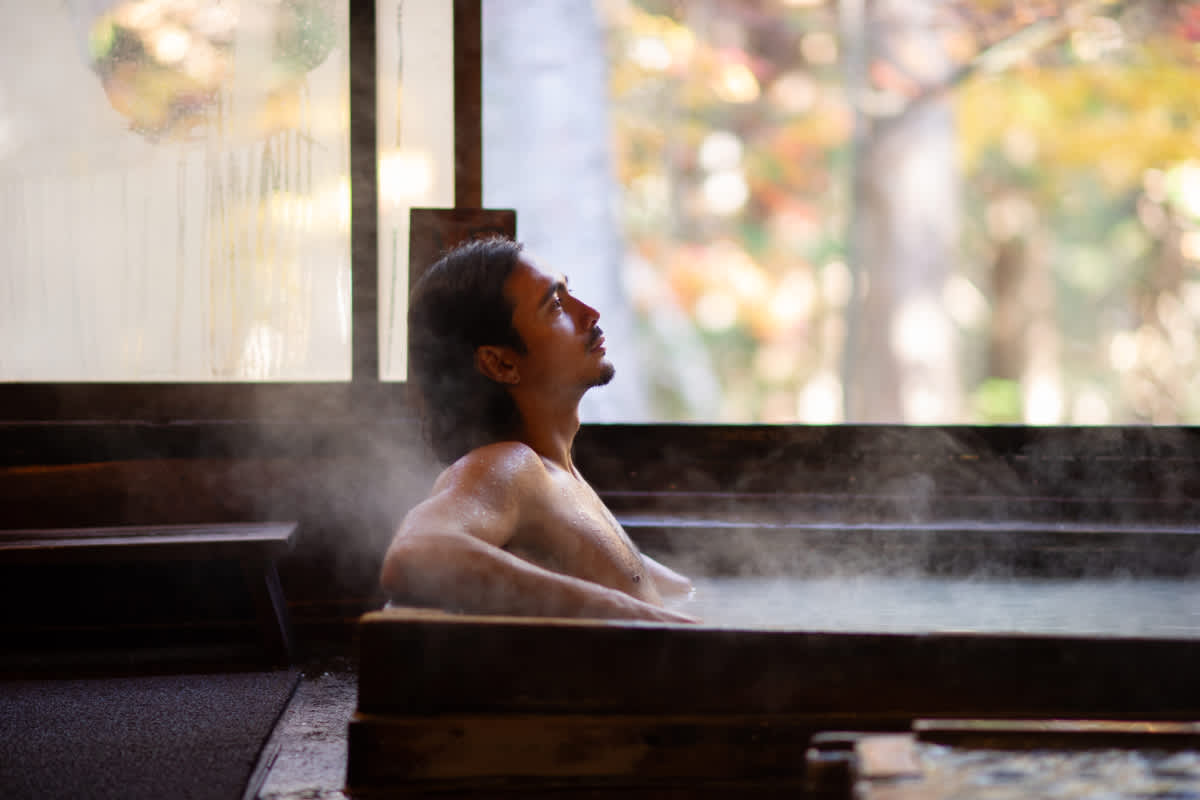
ชิบุ ทัตสึโนคัง คือเรียวคังน้ำพุร้อนเก่าแก่ที่ตั้งอยู่อย่างเงียบสงบในภูเขาของจังหวัดนะงะโนะ ท่ามกลางวงล้อมของป่าต้นเบิร์ชสีขาว โดยทางเรียวคังตั้งใจลดทอนสิ่งอำนวยความสะดวกที่ไม่จำเป็นรวมถึงการตกแต่งที่หรูหราฟุ่มเฟือยให้น้อยที่สุด เพื่อเชิญชวนให้แขกผู้เข้าพักได้ดื่มด่ำกับความภูมิฐานที่เรียบง่าย ตลอดจนใช้เวลาฟังเสียงและสัมผัสถึงกลิ่นอายของธรรมชาติอย่างแท้จริง
หนึ่งในไฮไลท์อันเป็นเอกลักษณ์ของเรียวคังแห่งนี้ คือน้ำพุร้อนธรรมชาติที่ไหลตรงจากแหล่งกำเนิด ซึ่งอุดมไปด้วยแร่ธาตุและขึ้นชื่อลือชาในเรื่องสรรพคุณทางยา ยิ่งไปกว่านั้น แขกผู้เข้าพักยังสามารถดื่มน้ำพุร้อนนี้ได้ ซึ่งช่วยให้สัมผัสถึงวัฒนธรรมอนเซ็นของญี่ปุ่นอย่างลึกซึ้งทั้งจากภายในและภายนอกร่างกาย
สำหรับมื้ออาหาร นำเสนออาหารพื้นบ้านสไตล์ภูเขาที่ปรุงด้วยวัตถุดิบตามฤดูกาลจากชินชู โดยดึงเอาความโดดเด่นของรสชาติแห่งธรรมชาติในภูมิภาคออกมาอย่างพิถีพิถัน เรียวกังแห่งนี้ตั้งอยู่ห่างไกลจากความวุ่นวายและความสะดวกสบายของชีวิตประจำวัน เพื่อมอบช่วงเวลาแห่งการพักผ่อนที่ช่วยฟื้นฟูร่างกายและจิตใจอย่างล้ำลึกท่ามกลางธรรมชาติ
https://navi.chinotabi.jp/en/spot/1535/
⑫คายะบุกิ โนะ ยากะตะ
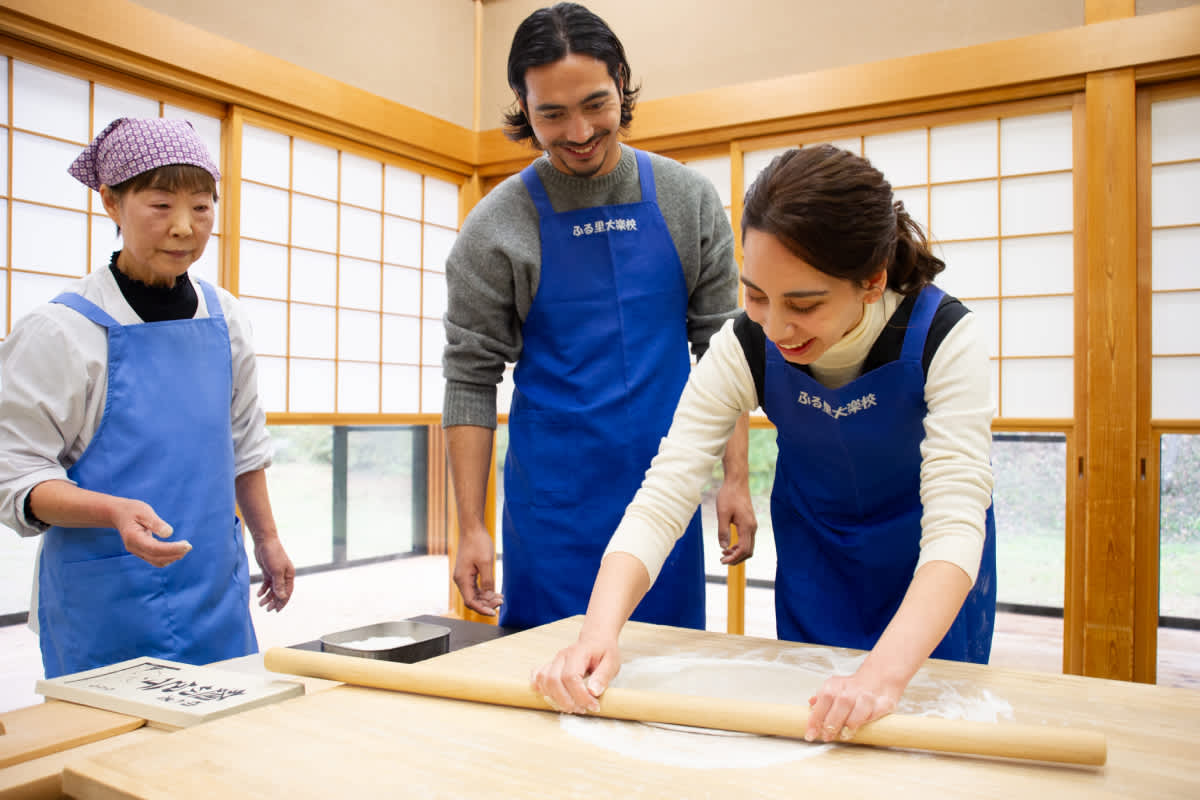
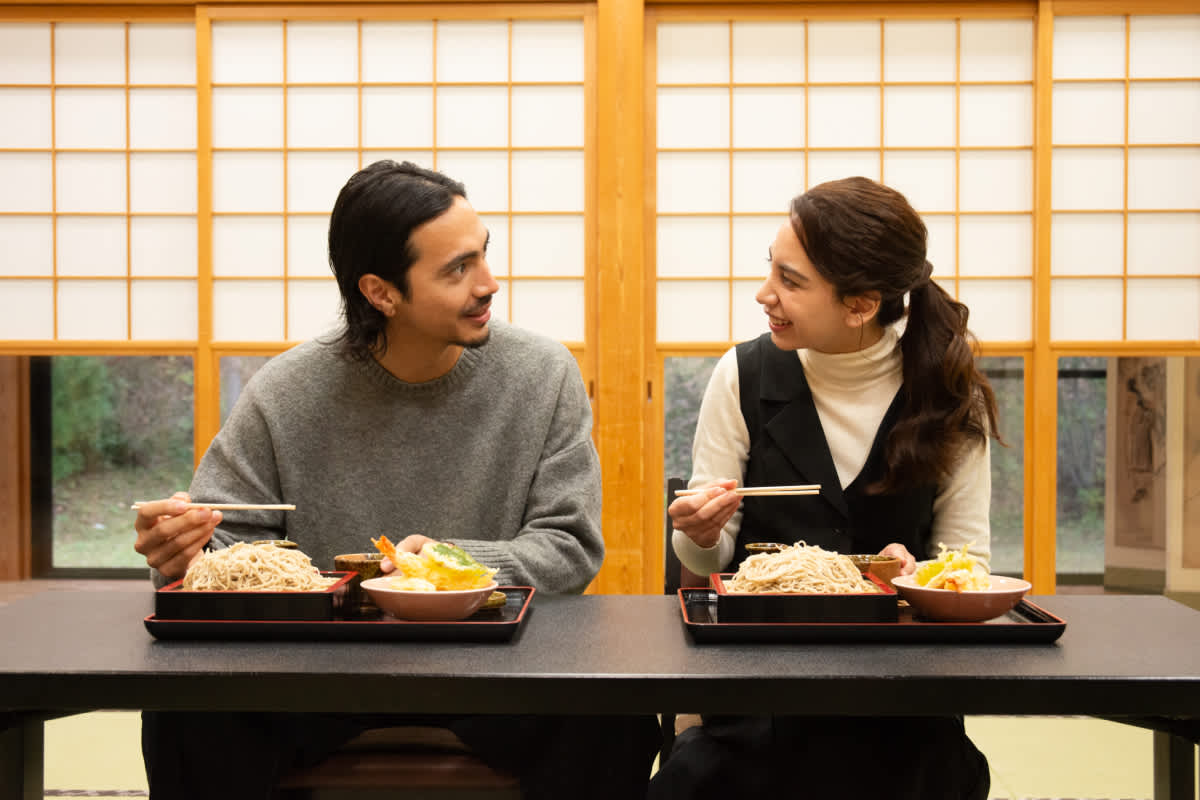
กิจกรรมที่ให้คุณได้ลงมือทำจริงนี้ เปิดโอกาสให้นักท่องเที่ยวได้สัมผัสวัฒนธรรมอาหารของญี่ปุ่นด้วยตนเอง ณ จังหวัดนะงะโนะ ซึ่งเป็นที่รู้จักกันอย่างกว้างขวางว่าเป็นหนึ่งในแหล่งผลิตโซบะชั้นนำของญี่ปุ่น โดยผู้เข้าร่วมจะได้เรียนรู้กระบวนการทำเส้นโซบะอย่างครบถ้วน ตั้งแต่การนวดแป้งด้วยวัตถุดิบบัควีทคุณภาพสูงและน้ำอันบริสุทธิ์ ไปจนถึงการรีดและหั่นเส้นโซบะ
ภายใต้การแนะนำของช่างฝีมือผู้เชี่ยวชาญ เวลาที่จดจ่ออยู่กับแต่ละขั้นตอนจึงไม่ใช่เพียงแค่บทเรียนการทำอาหารเท่านั้น แต่ยังเป็นช่วงเวลาแห่งการเชื่อมต่อกับธรรมชาติและจิตวิญญาณทางวัฒนธรรมของญี่ปุ่นอีกด้วย ซึ่งหนึ่งในความสุขสุดพิเศษของประสบการณ์นี้คือการได้ลิ้มรสโซบะทำสดใหม่ ณ ที่แห่งนั้น
แม้ว่านะงะโนะจะมีชื่อเสียงเป็นพิเศษในเรื่องโซบะ ทว่าทั่วประเทศญี่ปุ่นก็มีพื้นที่ปลูกบัควีทที่มีชื่อเสียงเช่นกัน นักท่องเที่ยวจึงสามารถสัมผัสประสบการณ์การทำโซบะในลักษณะเดียวกันได้ทั่วไปในหลายพื้นที่ของประเทศ
https://www.japan.travel/en/sports/adventure/activities/soba-noodle-making-workshop-in-nagano/
⑬สึมาโงะ (นะกะเซนโด)

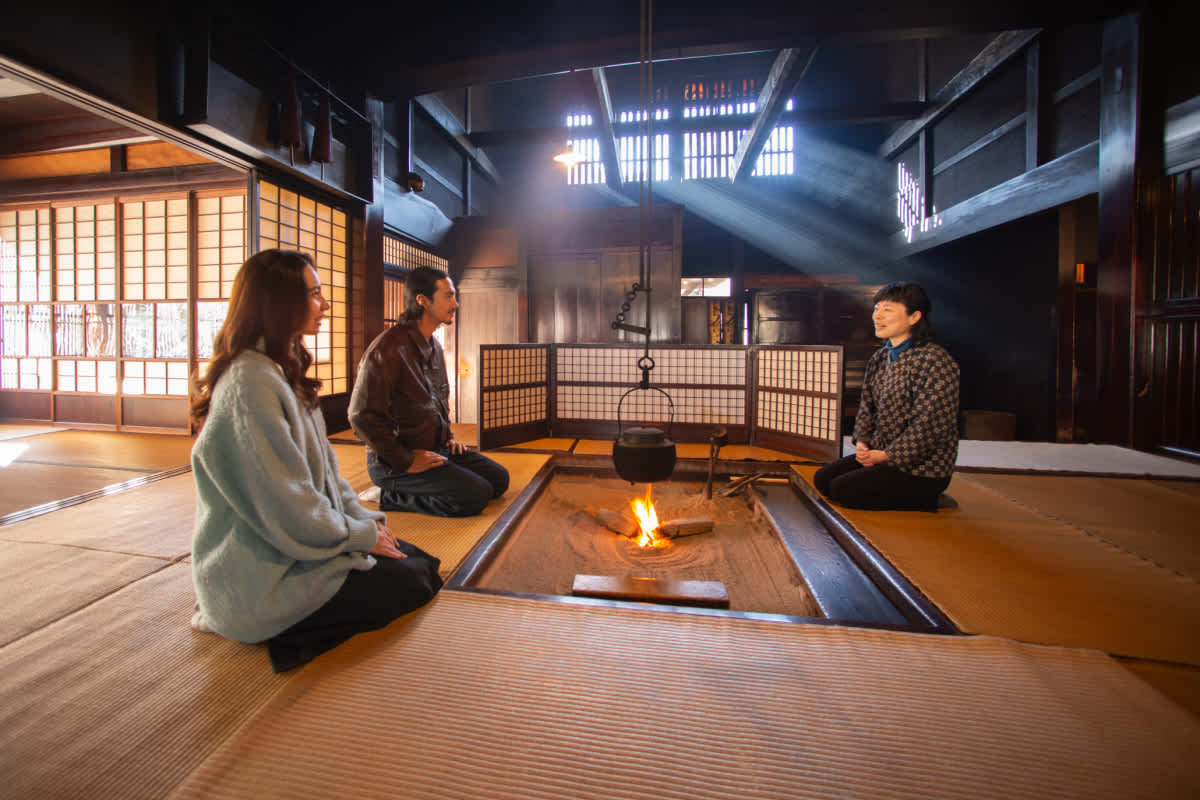
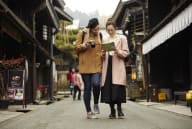
สึมาโงะเป็นเมืองจุดแวะพักเก่าแก่ในจังหวัดนะงะโนะ ซึ่งครั้งหนึ่งเคยเจริญรุ่งเรืองอย่างยิ่งบนเส้นทางนะกะเซนโด ซึ่งเป็นเส้นทางสายสำคัญที่เชื่อมระหว่างเกียวโตและเอโดะ (โตเกียวในปัจจุบัน) ด้วยความทุ่มเทในการอนุรักษ์อย่างแรงกล้า ทำให้ทัศนียภาพของเมืองจากยุคเอโดะได้รับการดูแลรักษาไว้อย่างดี โดยมีอาคารไม้แบบดั้งเดิมเรียงรายมาจนถึงทุกวันนี้
ร้านขายของที่ระลึกและร้านน้ำชาเล็กๆ เรียงรายอยู่ริมถนน รอต้อนรับผู้มาเยือนให้ได้ลิ้มลองอาหารพื้นบ้านอันแสนเรียบง่าย เช่น โกเฮโมจิ (โมจิย่างราดซอสมิโซะหวาน) และปลาแม่น้ำย่างเกลือ
นอกจากนี้ เส้นทางเดินป่านะกะเซนโด ซึ่งเชื่อมต่อระหว่างเมืองสึมาโงะกับเมืองแวะพักมาโกเมะที่อยู่ใกล้เคียง ก็เป็นที่นิยมไม่แพ้กัน โดยการเดินเท้าที่ใช้เวลาประมาณสองถึงสามชั่วโมงนี้ จะนำพานักเดินทางลัดเลาะไปตามเส้นทางปูหินเก่าแก่และช่องเขา พาให้คุณได้จินตนาการย้อนไปถึงการเดินทางของผู้คนเมื่อหลายศตวรรษก่อน
https://www.japan.travel/th/spot/1365/
เกียวโต
⑭RAU

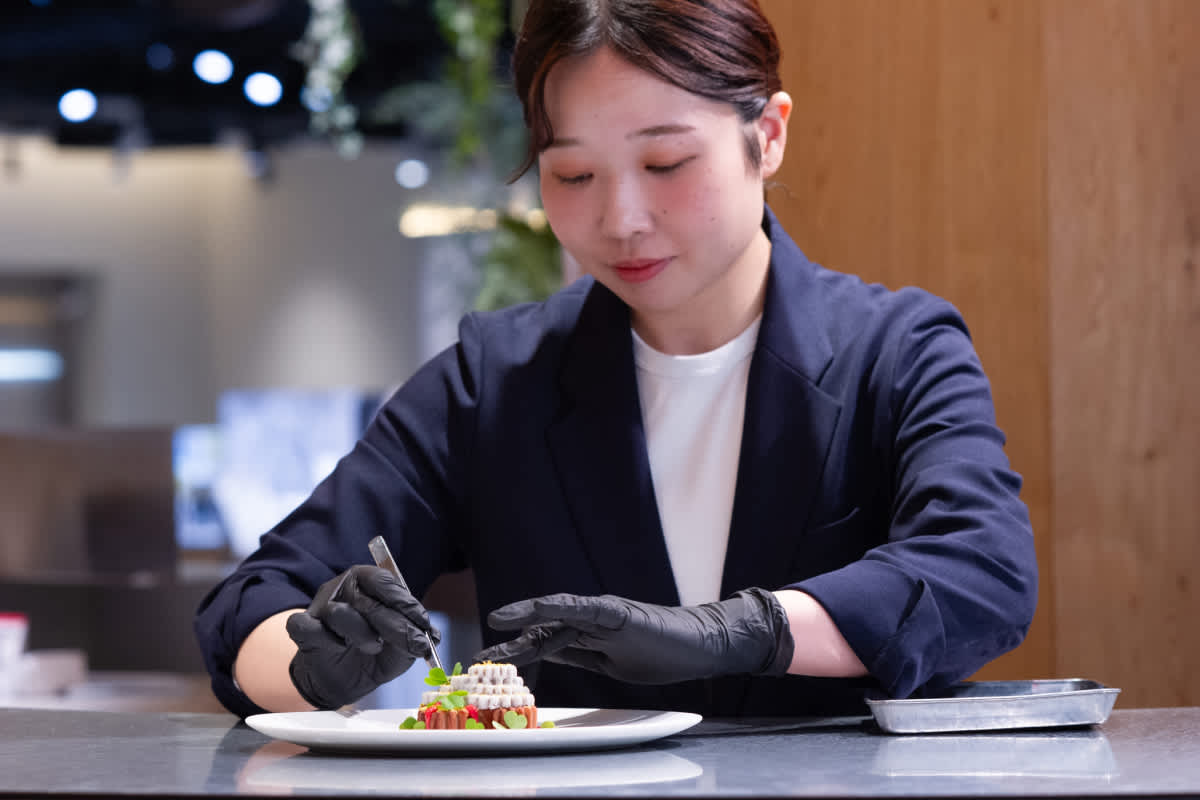
RAU ตั้งอยู่ในย่านคาวารามาจิของเกียวโต เป็นร้านพาทิสเซอรี่และคาเฟ่ยอดนิยมที่ขึ้นชื่อเรื่องขนมหวานอันเปี่ยมด้วยสไตล์และความคิดสร้างสรรค์ ขนมหวานแต่ละชิ้นได้รับการออกแบบอย่างพิถีพิถัน ไม่เพียงแต่ในด้านรสชาติและกลิ่นสัมผัสเท่านั้น แต่ยังรวมถึงรูปทรงและเนื้อสัมผัส จนกลายมาเป็นขนมหวานที่งดงามราวกับผลงานศิลปะที่สามารถรับประทานได้
ในส่วนของการตกแต่งภายในก็สะท้อนให้เห็นถึงความงามอันประณีตเช่นเดียวกัน โดยใส่ใจในทุกรายละเอียดอย่างพิถีพิถัน ตั้งแต่เก้าอี้และโต๊ะ ไปจนถึงเครื่องใช้บนโต๊ะอาหารและช้อนส้อม พื้นที่แห่งนี้จะมอบบรรยากาศที่สงบ เรียบหรู เพื่อให้คุณได้เพลิดเพลินกับช่วงเวลาแห่งการพักผ่อน
ระหว่างหยุดพักจากการเที่ยวชมเกียวโต ที่แห่งนี้นักท่องเที่ยวจะได้พบกับขนมหวานสุดพิเศษ ซึ่งผสมผสานความละเอียดอ่อนแบบวิถีญี่ปุ่นเข้ากับศิลปะร่วมสมัยได้อย่างลงตัว
⑮สามเหลี่ยมปากแม่น้ำคะโมกาวะ
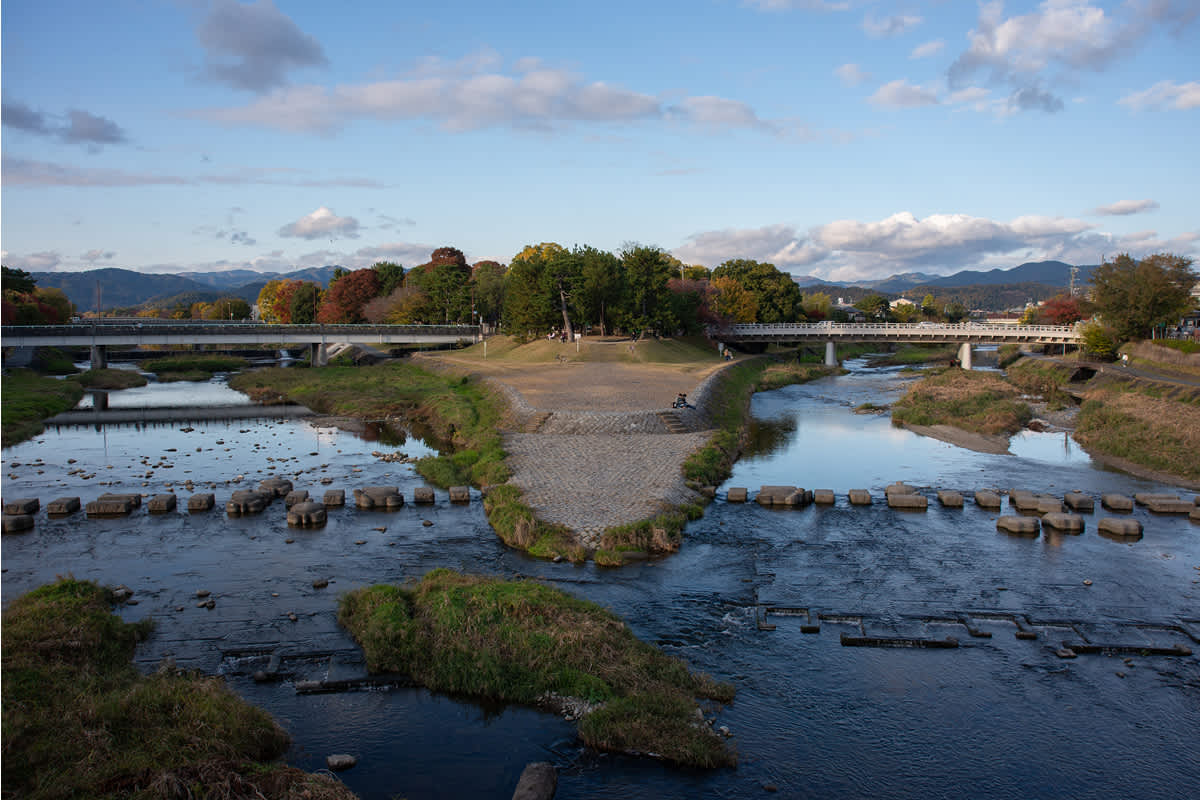

สามเหลี่ยมปากแม่น้ำคะโมกาวะคือพื้นที่ริมแม่น้ำอันเปิดโล่งและให้ความรู้สึกแสนผ่อนคลาย ซึ่งเป็นจุดบรรจบกันของแม่น้ำคาโมะและแม่น้ำทาคาโนะใจกลางเมืองเกียวโต หนึ่งในเอกลักษณ์อันเป็นที่รู้จักมากที่สุดของพื้นที่แห่งนี้คือทางเดินหินข้ามแม่น้ำ ในวันอากาศแจ่มใส ผู้คนทุกเพศทุกวัยตั้งแต่เด็กไปจนถึงผู้ใหญ่ต่างกพากันมาเพลิดเพลินกับการเดินข้ามหินเหล่านี้ ซึ่งเป็นกิจกรรมที่เรียบง่ายแต่เปี่ยมไปด้วยความสนุกสนาน
บริเวณริมฝั่งแม่น้ำ ชาวเมืองมักจะมาใช้เวลาเดินเล่น อ่านหนังสือ หรือนั่งปิกนิก สะท้อนให้เห็นถึงวิถีชีวิตประจำวันอันแสนสงบของชาวเกียวโต ท่ามกลางทัศนียภาพที่ธรรมชาติและตัวเมืองผสมผสานกันอย่างกลมกลืน ผู้มาเยือนจะได้สัมผัสกับเกียวโตในมุมที่ผ่อนคลายลง และเพลิดเพลินไปกับจังหวะชีวิตที่เนิบช้าของเมือง
https://www.japan.travel/th/spot/1183/
⑯วัดโจจูจิ
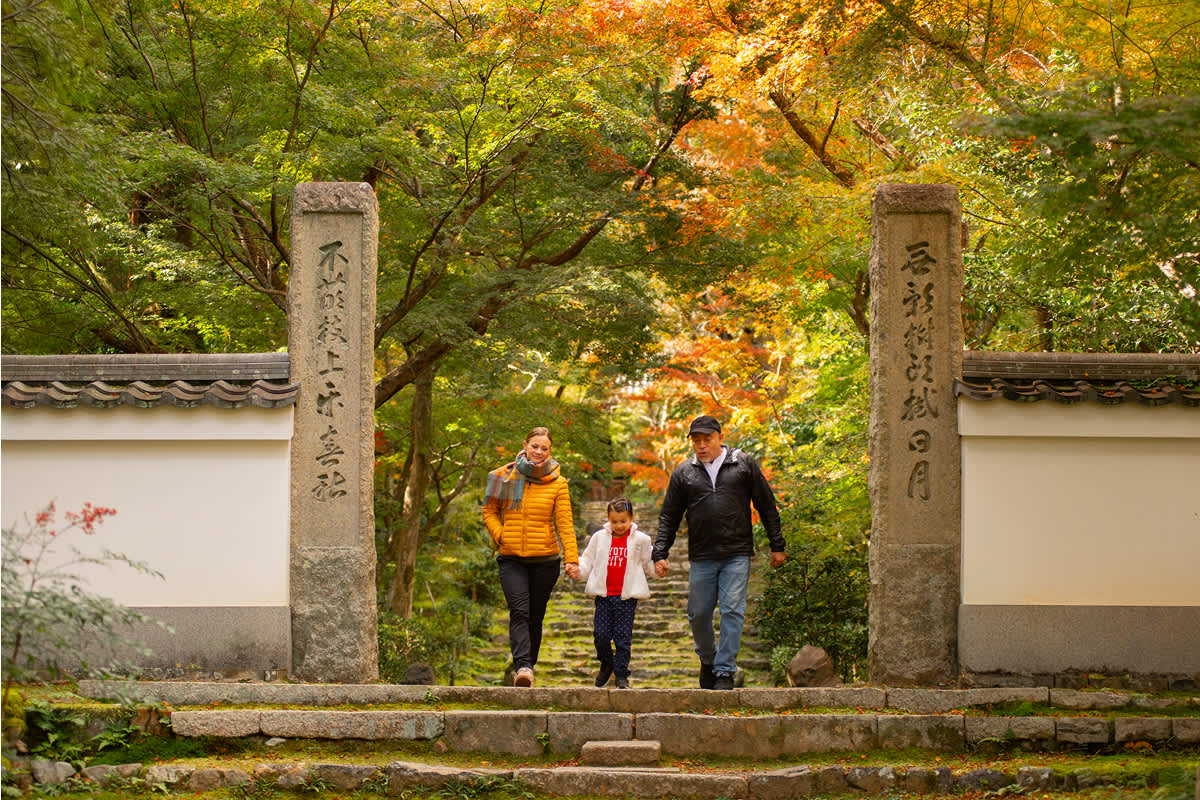

วัดโจจูจิ ตั้งอยู่ในย่านราคุไซ เมืองเกียวโต เป็นวัดนิกายเซนอันเงียบสงบและมีชื่อเสียงในด้านบรรยากาศอันเอื้อแก่การทำสมาธิ วัดแห่งนี้ตั้งอยู่ใกล้กับสถานที่ท่องเที่ยวชื่อดังอย่างวัดไซโฮจิ (โคเกะเดระ หรือวัดมอส) และวัดเมียวโทคุซันเคกอนจิ (วัดสุซุมุชิเดระ) โอบล้อมไปด้วยธรรมชาติและเป็นสถานที่พักผ่อนอันสงบเงียบ ห่างไกลจากความพลุกพล่านของตัวเมือง วัดแห่งนี้มีต้นกำเนิดย้อนไปถึงยุคเฮอัน (ค.ศ. 794-1185) โดยยังคงรักษาประวัติศาสตร์ที่ยาวนานกว่า 1,200 ปีเอาไว้
ทุกๆ ปีในช่วงฤดูใบไม้เปลี่ยนสีที่สวยงามที่สุด พื้นที่บางส่วนของวัดที่ปกติไม่เปิดให้บุคคลทั่วไปเข้าชมนั้น จะอนุญาตเปิดให้เข้าชมเป็นพิเศษได้ในระยะเวลาจำกัด สวนญี่ปุ่นของวัดซึ่งได้รับการออกแบบอย่างชาญฉลาดโดยใช้ประโยชน์จากภูมิประเทศและต้นไม้โดยรอบนั้น ได้รับความชื่นชมเป็นพิเศษ การได้นั่งบนระเบียงทางเดินไม้ (เอ็นกาวะ) พร้อมทอดสายตาชมสวนนั้นจะมอบทัศนียภาพอันน่าจดจำได้อย่างแท้จริง
ในฐานะสถานที่ท่องเที่ยวที่ยังไม่ค่อยเป็นที่รู้จักมากนักในเกียวโต วัดโจจูจิเปิดโอกาสให้นักท่องเที่ยวได้หลีกหนีจากแหล่งท่องเที่ยวที่แออัด และมาดื่มด่ำไปกับความงามทางธรรมชาติรวมถึงความเงียบสงบแบบญี่ปุ่นได้อย่างเต็มเปี่ยม