


























Use the
Planning a Trip to Japan?
Share your travel photos with us by hashtagging your images with #visitjapanjp
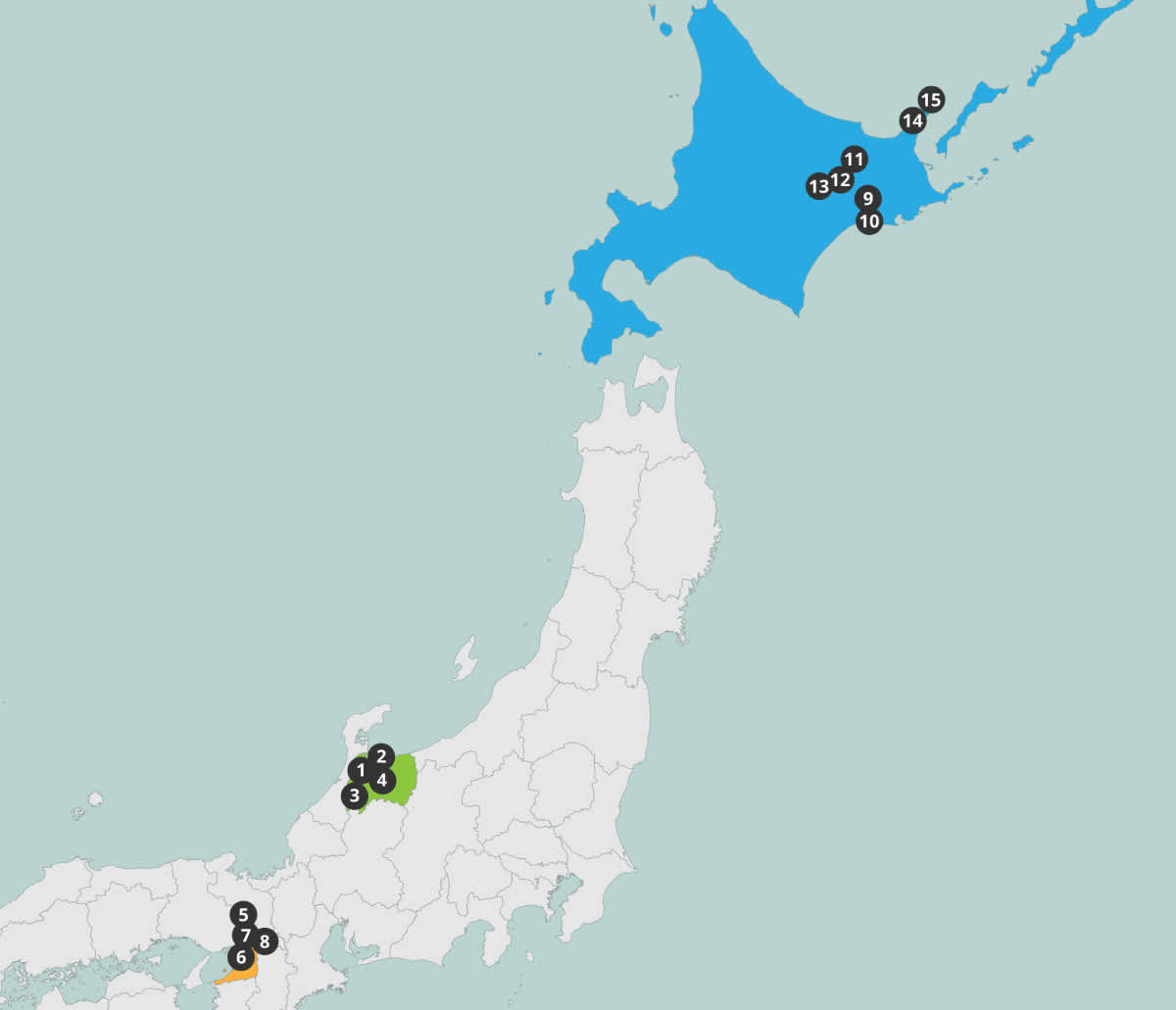
Toyama
①Zuiryuji Temple


Zuiryuji Temple is widely regarded as a representative example of Zen Buddhist temple architecture from the early Edo period (1615–1868). One of its most striking features is the carefully planned temple layout: the Somon Gate, Sanmon Gate, Buddha Main Hall, and Hatto Lecture Hall are aligned along a single straight axis, with buildings arranged symmetrically on either side.
The Sanmon Gate, Buddha Main Hall, and Hatto Lecture Hall are all designated National Treasures, noted for their imposing roofs and intricate wooden joinery. While the temple is grand in scale, its restrained design reflects the Zen philosophy of simplicity and balance, quietly expressing the spirit of Zen and the refined aesthetics of Japanese architecture.
For visitors to Takaoka, Zuiryuji Temple is an essential cultural landmark not to be missed.
https://www.japan.travel/en/spot/1408/
②Great Buddha of Takaoka

The Great Buddha of Takaoka is a renowned bronze statue counted among the Three Great Buddhas of Japan, alongside those in Nara and Kamakura. Throughout its history, the statue faced repeated destruction due to fires and other disasters, but it was eventually rebuilt using the advanced metal casting techniques of Takaoka, a city long known for its copperware craftsmanship. After 26 years of effort, the current statue was completed in 1933.
Standing within the grounds of Daibutsuji Temple, the statue reaches a height of about 16 meters including its pedestal. Its dignified presence and refined facial features have earned it the nickname “the most handsome man in Japan.”
Highlights include the Sanskrit character displayed on the circular halo behind the statue and the corridor inside the pedestal, where Buddhist paintings and historical artifacts are exhibited.
https://visit-toyama-japan.com/en/places-to-go/21108
③Bed and Craft


Bed and Craft is an experiential accommodation in the traditional craft town of Inami, where guests stay in private houses renovated from vacant homes and former workshops scattered throughout the town. Known for its renowned Inami woodcarving, the town’s heritage is reflected in each uniquely designed guest room.
A distinctive feature of the stay is the opportunity to take part in hands-on craft experiences. Under the guidance of local artisans, guests can learn authentic techniques in the very workshops where the crafts are made.
With rooms located throughout the town, exploring the streets and dining at local restaurants become a natural part of the experience. Each accommodation has its own design and atmosphere, offering a stay that goes beyond sightseeing—more like living within the community, even if only for a short time.
https://www.japan.travel/en/experiences-in-japan/5850/
④Toyama Ramen

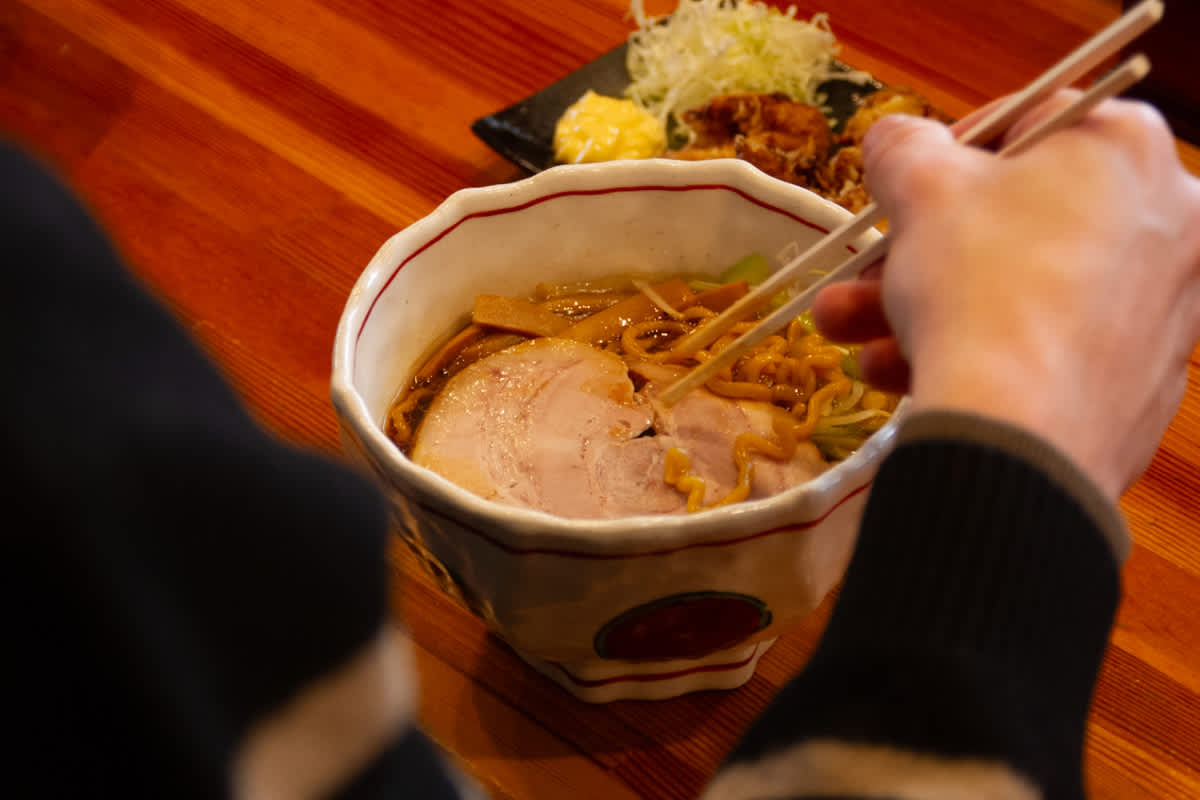
In Toyama, alongside standard ramen styles, Toyama Black Ramen is especially well known. This local specialty is characterized by its strikingly dark, soy sauce–based broth. Rich in soy sauce and often seasoned with black pepper, it is typically served with simple toppings such as slices of chashu pork and chopped green onions.
Today, many ramen shops have refined the balance of flavors, adjusting elements such as saltiness, sweetness, and aroma. As a result, the taste can vary widely from shop to shop. From long-established restaurants to newer establishments, visitors can enjoy comparing different interpretations across the prefecture.
https://visit-toyama-japan.com/en/travel-inspiration/toyama-black-ramen
Osaka
⑤Katsuoji Temple

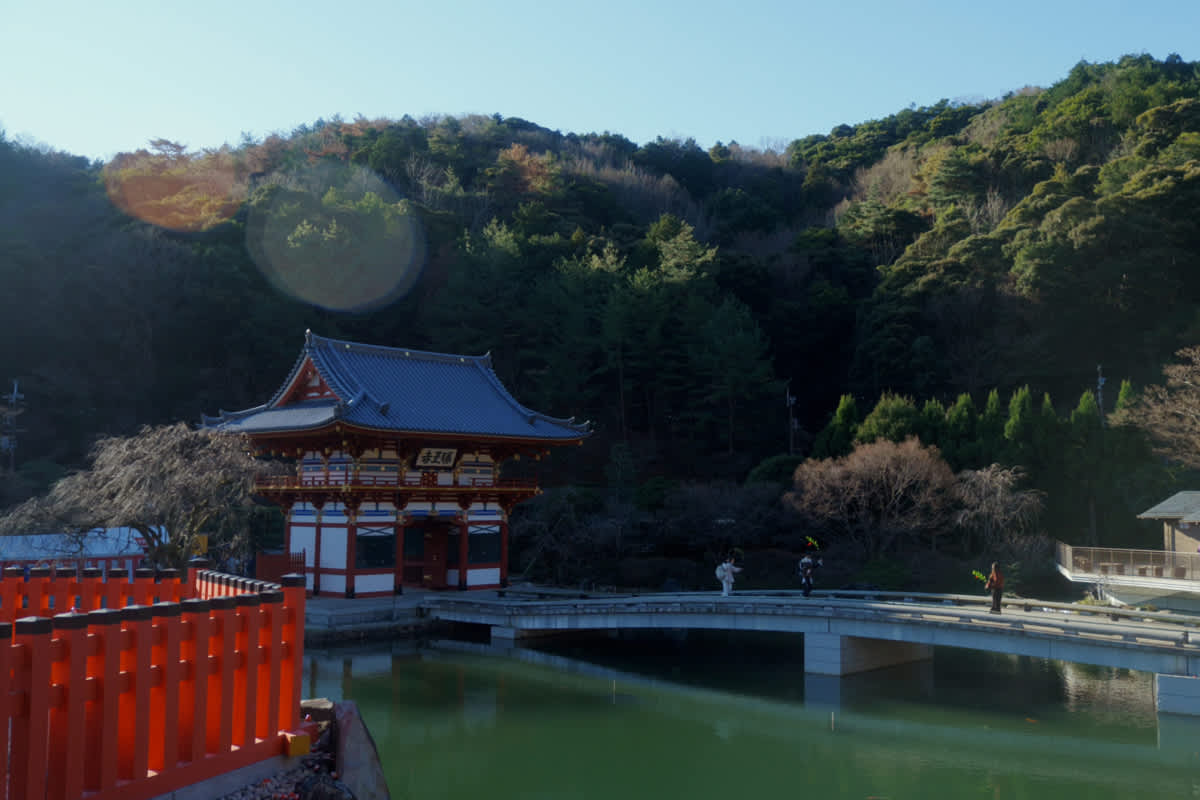
Located in the mountains of northern Osaka at around 400 meters above sea level, Katsuoji Temple has long been associated with victory and success. For over 1,300 years, people have come here to pray for success in many areas of life, including examinations, work, and sports.
One of the most striking sights on the temple grounds is the countless daruma dolls left by worshippers, each representing a wish for perseverance and achievement. These are known as kachi daruma, or “victory daruma.” At Katsuoji Temple, however, “victory” is not about defeating others, but about facing oneself and overcoming personal weaknesses.
Surrounded by nature that changes with the seasons, the temple offers a peaceful setting to pause, reflect, and regain a sense of balance.
https://en.osaka-info.jp/spot/katsuoji/
⑥Sumiyoshi Taisha Shrine

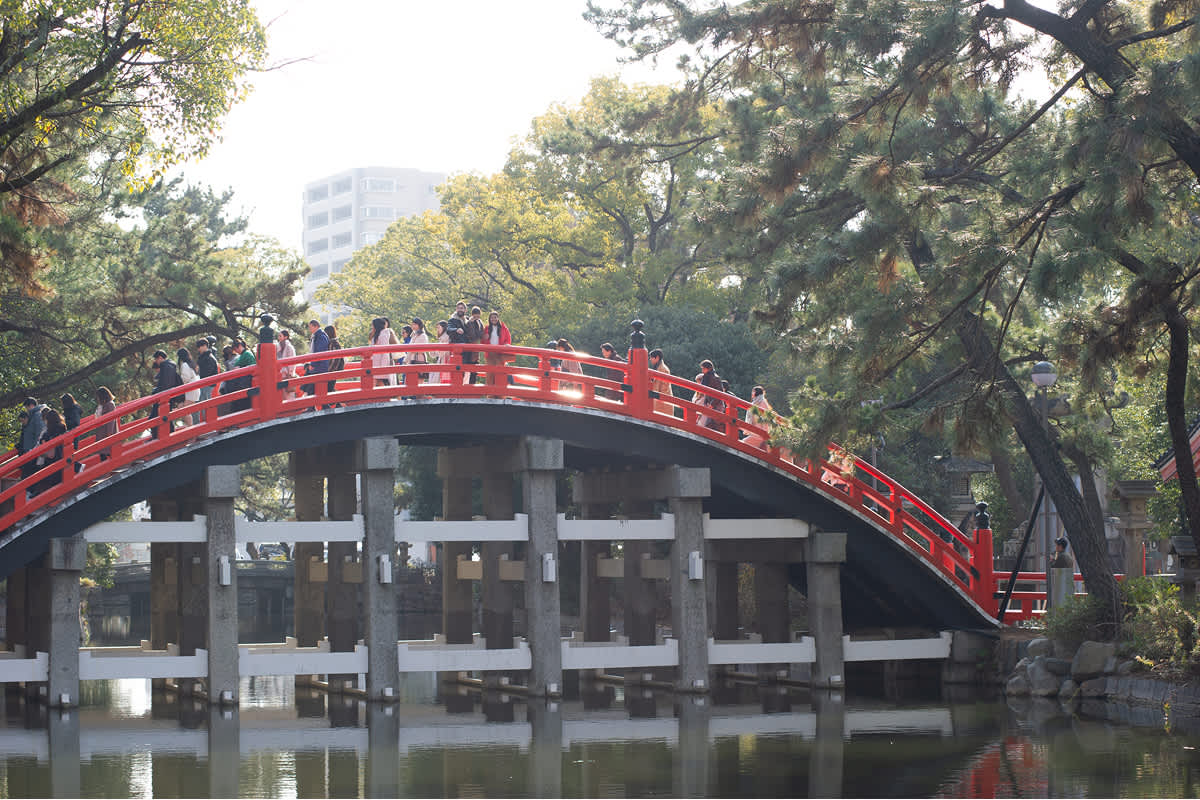
Sumiyoshi Taisha is one of Japan’s most important shrines, with a history of around 1,800 years. Its four main halls, all designated National Treasures, are built in Sumiyoshi-zukuri, one of the oldest styles of shrine architecture in Japan.
Within the grounds stands a distinctive arched bridge, commonly known as the Taiko Bridge, which is believed to purify those who cross it. The shrine is also home to abundant greenery, including camphor trees more than 1,000 years old, creating a calming, forest-like atmosphere despite its urban setting.
As the head shrine of around 2,300 Sumiyoshi shrines across Japan, it has long been revered as a deity of safe voyages and prosperous business. Throughout the year—especially during the New Year period—it attracts large numbers of worshippers and remains closely connected to everyday life in Osaka.
https://www.japan.travel/en/spot/1083/
⑦Tombori River Cruise

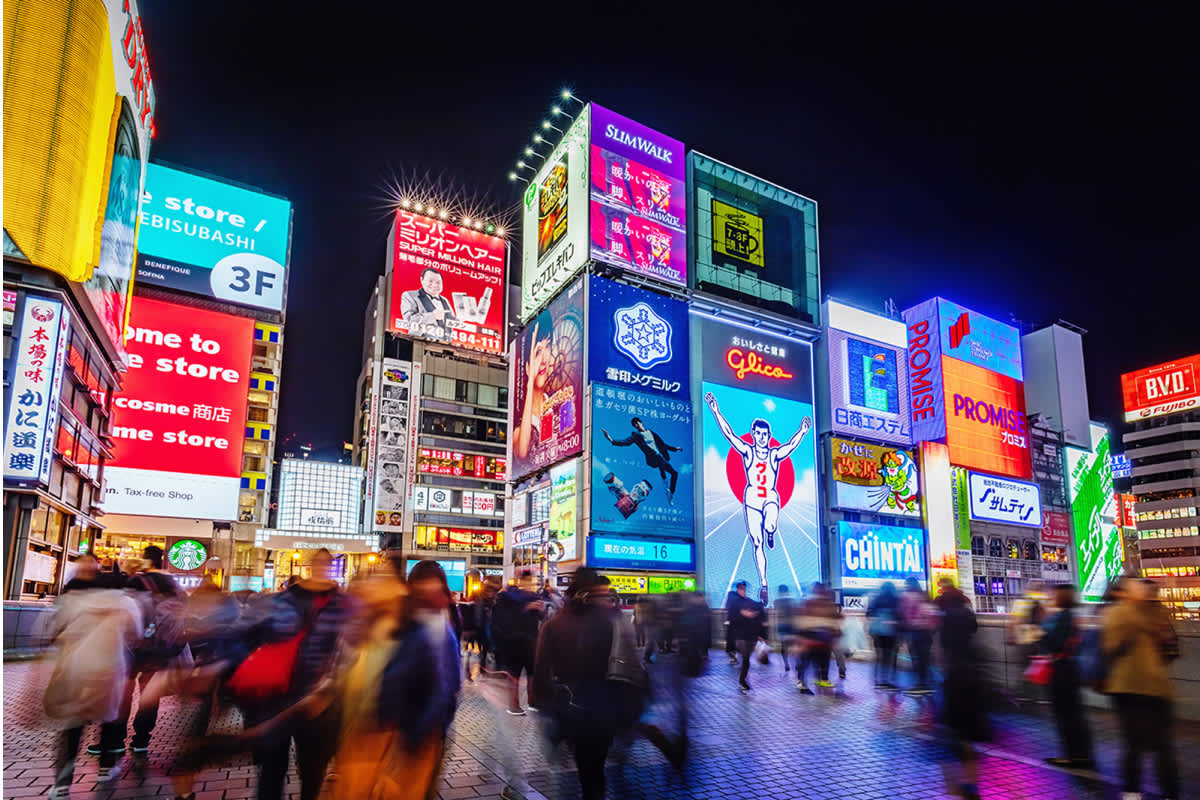
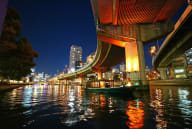
The Tombori River Cruise is a sightseeing boat tour that takes visitors along the Dotonbori River through the heart of Osaka. During the approximately 20-minute ride, passengers can relax and take in the lively cityscape, with neon signs and restaurants lining both sides of the river.
While daytime cruises offer a vibrant view of the city, evening cruises are especially popular, as neon lights reflect off the water. The guides are known for their humorous commentary, adding to the experience while introducing Osaka’s unique character.
Easy to fit into a stroll through Dotonbori, this popular activity offers a lively and memorable way to experience the city’s energetic atmosphere.
https://osaka-info.jp/en/spot/tombori-river-cruise/
⑧Kani Doraku


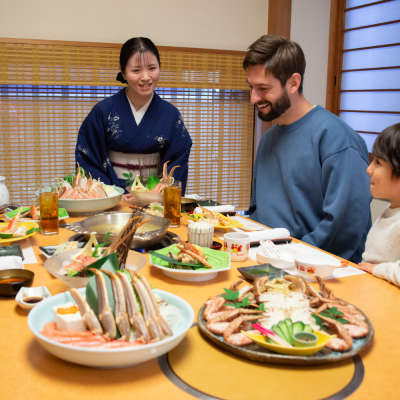
Located in the heart of Dotonbori, one of Osaka’s most vibrant entertainment districts, Kani Doraku Dotonbori Honten is a long-established restaurant specializing in crab cuisine. The area is known for its lively atmosphere, with neon signs and restaurants lining the streets, making it one of Osaka’s most iconic destinations.
The restaurant’s giant moving crab sign has become a well-known landmark and a popular photo spot. Guests can enjoy a variety of crab dishes, including kani-suki hot pot, grilled crab, sashimi, and tempura, often served as part of a kaiseki-style course.
Despite its location on one of Osaka’s busiest streets, the interior is calm and refined, offering a place to experience both the city’s energy and the elegance of Japanese cuisine.
Hokkaido
⑨Kushiro Washo Market


Kushiro Washo Market is known as one of Hokkaido’s three major markets, alongside Hakodate Morning Market and Nijo Market in Sapporo. Its signature specialty is katte-don, a customizable seafood bowl made by choosing your favorite toppings and placing them over rice.
Visitors can stroll through the market, purchasing small portions of ingredients—such as sea urchin, salmon roe, crab, and tuna—from different vendors to create their own bowl. Part of the appeal lies in walking from stall to stall, selecting each topping along the way.
Located within walking distance of Kushiro Station, the market is easy to access and makes a convenient stop for breakfast or lunch.
https://www.visit-hokkaido.jp/en/spot/detail_10020.html
⑩Robatayaki


Robatayaki is a distinctive Japanese dining style in which seafood and vegetables are grilled over charcoal right in front of guests. The city of Kushiro is considered its birthplace, where close ties to a nearby fishing port allow for exceptionally fresh seafood. This style of grilling has since spread across Japan.
Seasonal fish, shellfish, and vegetables grilled over charcoal develop a rich, smoky aroma that brings out the natural flavors of each ingredient. Part of the appeal also lies in the lively interaction between the grill chef and guests, as dishes are prepared and served directly across the counter.
More than just a meal, robatayaki offers an experience shaped by atmosphere and human warmth, where the sights, sounds, and flavors of the grill come together.
https://en.kushiro-lakeakan.com/eat_souvenir/7660/
⑪Akan Yuku no Sato Tsuruga


Located on the shores of Lake Akan within Akan-Mashu National Park, Akan Yuku no Sato Tsuruga is a hot spring resort known for its views of the lake and the surrounding Akan mountain range. The resort’s natural hot springs can be enjoyed in a variety of settings, including large public baths overlooking the lake, open-air baths, panoramic saunas, and spa facilities, each offering a different atmosphere throughout the day.
Guest rooms range from those with private open-air baths to traditional Japanese-style rooms, as well as spaces incorporating design elements inspired by Ainu culture, reflecting the heritage of the region. The resort also features an activity counter where guests can arrange seasonal nature experiences in the surrounding area.
With cuisine highlighting ingredients from eastern Hokkaido, the resort offers a stay that brings together the region’s nature, hot springs, and local food culture.
⑫Lake Akan Ice Festival
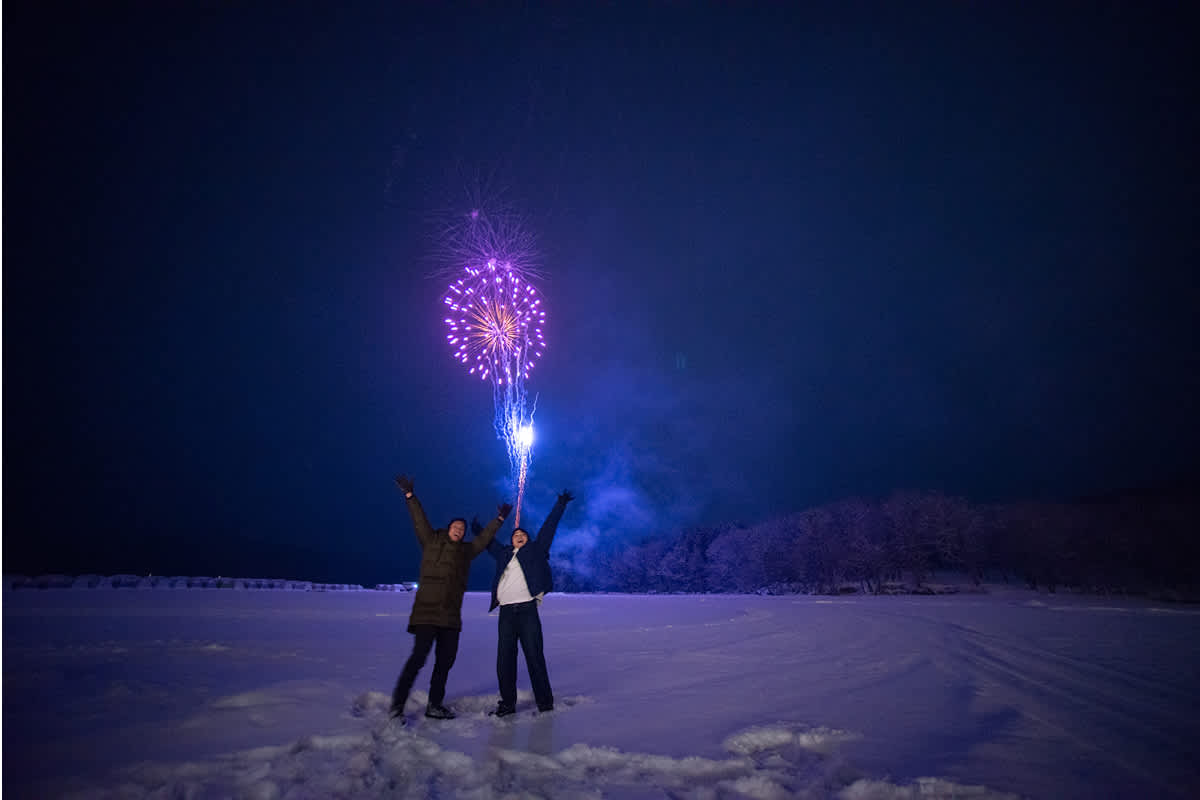
Held each year from early February to early March, the Lake Akan Ice Festival is a signature winter event in the Lake Akan area. Set on the fully frozen surface of the lake, where temperatures can drop to –20°C, it offers a striking winter setting.
The festival’s highlight is the nightly fireworks show, Fuyu Hanabi. Brilliant bursts light up the clear winter sky, reflecting off the snow- and ice-covered lake in a magical display.
During the day, visitors can enjoy a range of snow and ice activities, including banana boat rides and smelt fishing on the frozen lake. The venue is also just a short walk from Lake Akan Onsen, making it easy to visit while staying at nearby resorts and ryokan.
https://www.japan.travel/en/sports/snow/snow-travel/lake-akan-ice-festival/
⑬Akankohan National Ski Area Utara

Akankohan National Ski Area Utara offers a scenic skiing experience with views of Lake Akan and Mt. Oakan. The resort features a range of runs for all levels, from beginners to advanced skiers, and is also well suited for snowboarding.
For more experienced skiers, the resort includes a slalom course that has hosted international competitions. Snowboarders can enjoy a dedicated area with jumps and rails, while a kids’ park provides a safe and enjoyable space for families.
The ski season typically runs from mid-December to early April, depending on snow conditions. In the green season, the area serves as a trailhead for hikes to viewpoints on Mt. Oakan, making it a year-round base for outdoor activities in the Akan region.
https://www.japan.travel/national-parks/parks/akan-mashu/see-and-do/akankohan-national-ski-area/
⑭Drift Ice Walk


The Drift Ice Walk is a unique winter activity available in the Utoro area of Shiretoko, where visitors can experience the dramatic presence of drift ice up close. Wearing a specialized dry suit, participants head out with a guide to walk across the drift ice or float in the icy sea, fully immersing themselves in the dynamic landscape as the ice presses against the shoreline.
There are very few places in the world where drift ice reaches the shore and can be experienced from within the water, making this a rare opportunity. It is a unique way to experience Shiretoko’s harsh yet beautiful winter nature through all five senses.
https://www.japan.travel/en/spot/537/
⑮Shiretoko Wildlife Watching Tour


This guided tour offers the chance to explore the rich ecosystem of the Shiretoko Peninsula, a UNESCO World Natural Heritage Site, with expert guides. On land, visitors walk through primeval forests and wetlands, encountering natural habitats where wildlife such as brown bears, Ezo deer, and migratory birds can be observed.
There are also cruise-style tours that offer a view of nature from the sea. As the boat travels along Shiretoko’s dramatic coastline of towering cliffs, it is possible to spot Steller’s sea eagles, white-tailed eagles, and seals. Depending on the season, there may also be opportunities to see migrating whales or orcas.
The experience varies greatly depending on the season and weather. From spring through autumn, the forests and sea are full of life, while in winter the landscape transforms with drift ice and snow-covered scenery, offering a powerful way to experience Shiretoko’s dynamic natural environment.
https://www.japan.travel/en/spot/2143/