












Use the
Planning a Trip to Japan?
Share your travel photos with us by hashtagging your images with #visitjapanjp
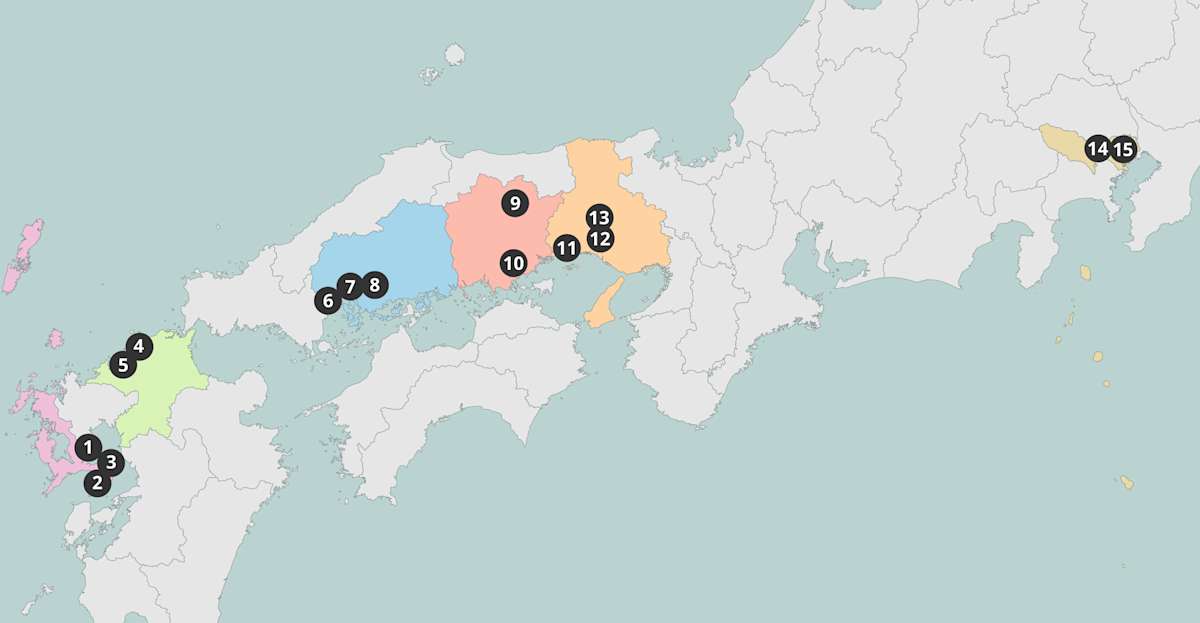
Nagasaki
①Shirakimine Plateau
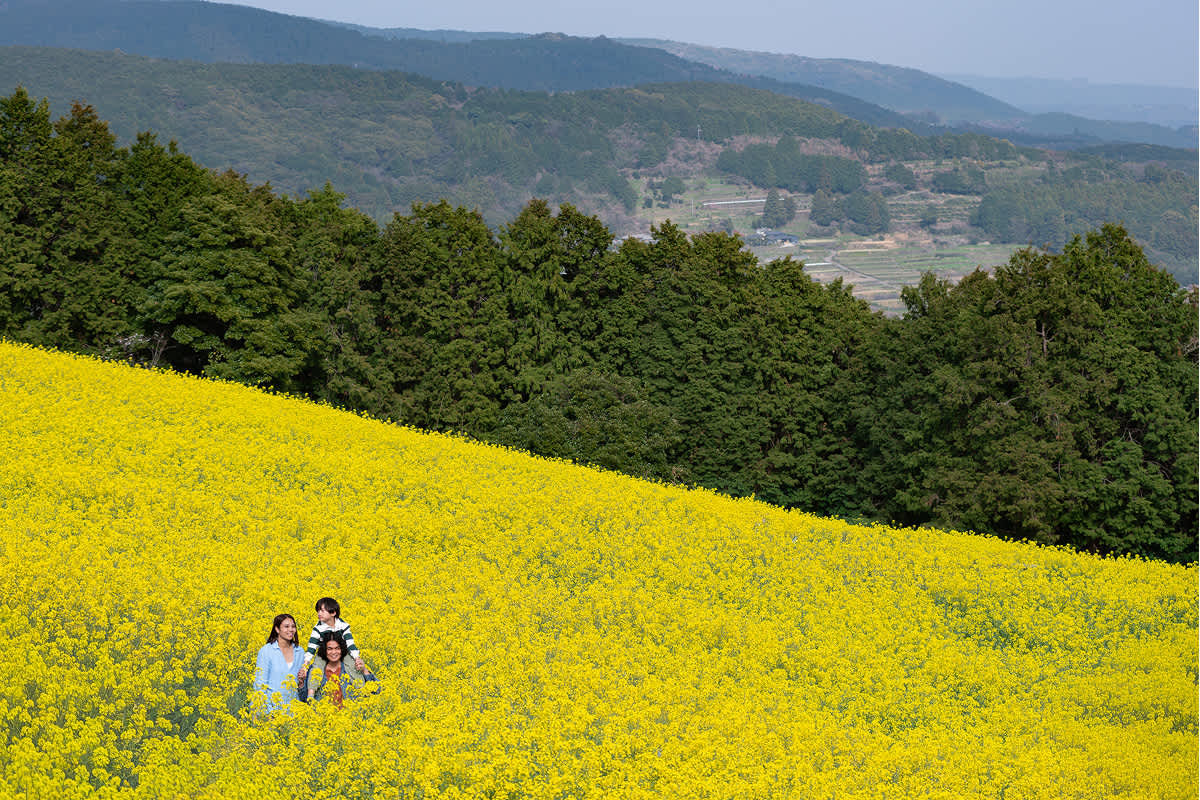
Shirakimine Plateau lies partway up Mt. Gokahara, which rises to 1,057 meters. Across approximately 10,000 square meters of rolling highland, seasonal flowers bloom against sweeping views of Isahaya Bay and Mt. Unzen. In spring, cherry blossoms and around 100,000 rapeseed flowers create a colorful landscape, while autumn brings approximately 200,000 cosmos flowers. The plateau is also known as a sunrise photography spot, attracting photographers who come to capture the changing colors of the dawn sky above the expansive scenery below.
②Shimabara Hand-Stretched Somen
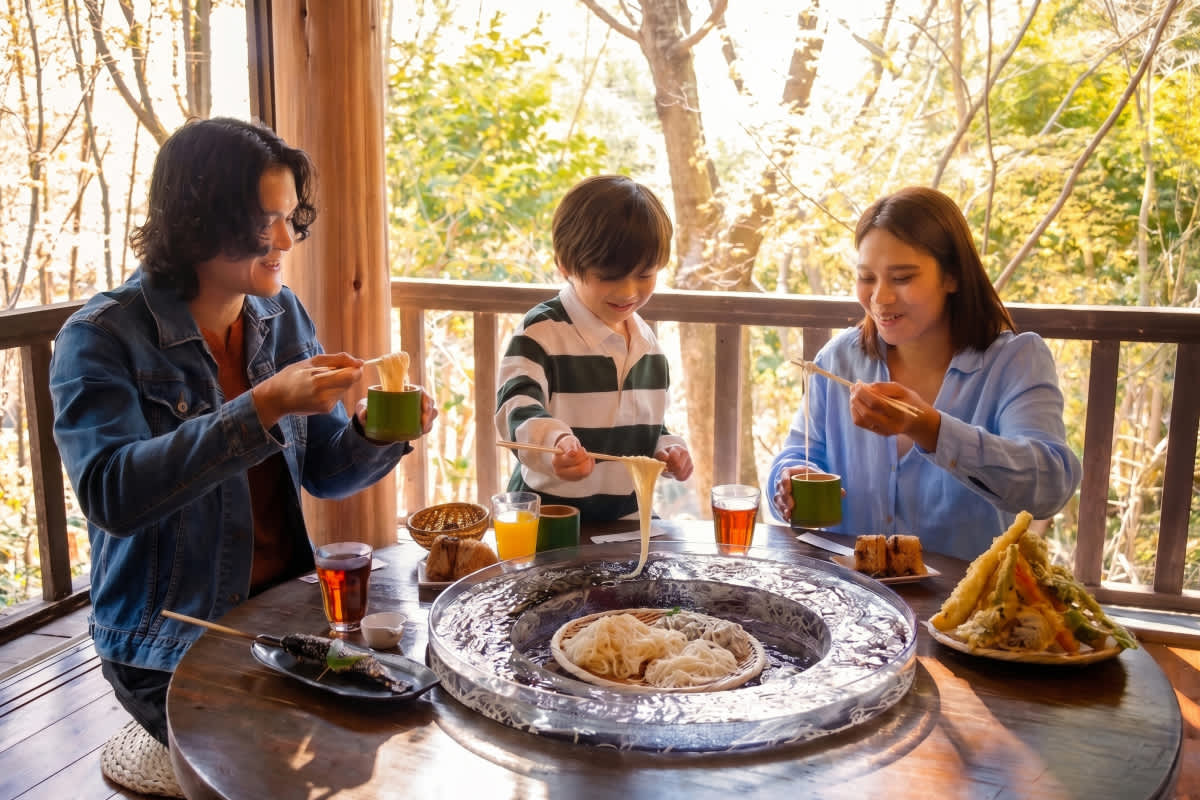
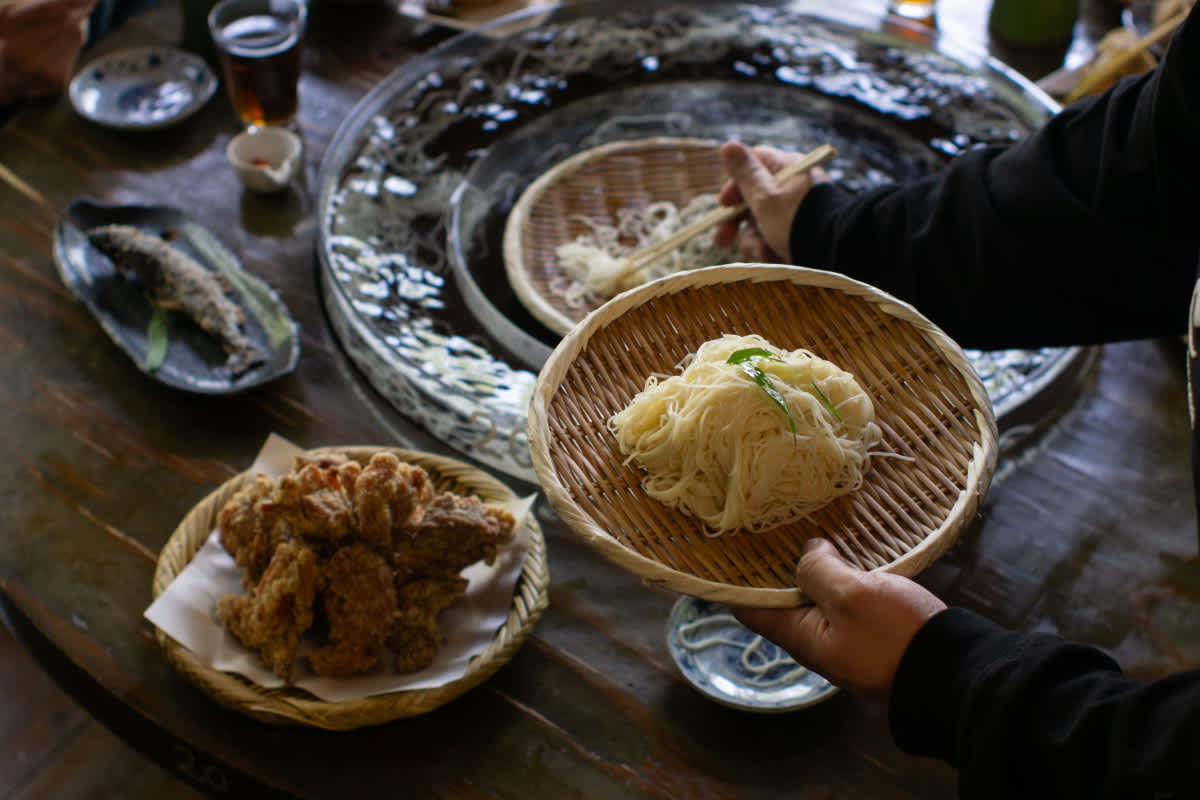
Produced across the Shimabara Peninsula, particularly in Minamishimabara, Shimabara hand-stretched somen is one of Japan’s best-known regional varieties of thin wheat noodles. It is made using abundant spring water and groundwater from Mt. Unzen, together with traditional hand-stretching techniques passed down through generations. Repeated resting and stretching give the noodles their characteristically firm bite and silky texture. It is cherished as one of the signature foods of the Shimabara Peninsula, which has been recognized under the Japanese government’s SAVOR JAPAN program for its distinctive local food traditions.
Surrounded by seasonal scenery in Unzen-Amakusa National Park, Yamanotera Yukyo is a restaurant known for nagashi somen—hand-stretched noodles served in a stream of cool spring water. The dish offers a refreshing way to experience one of Shimabara’s traditional flavors.
③Shimabara Hibaruyama Flower Park
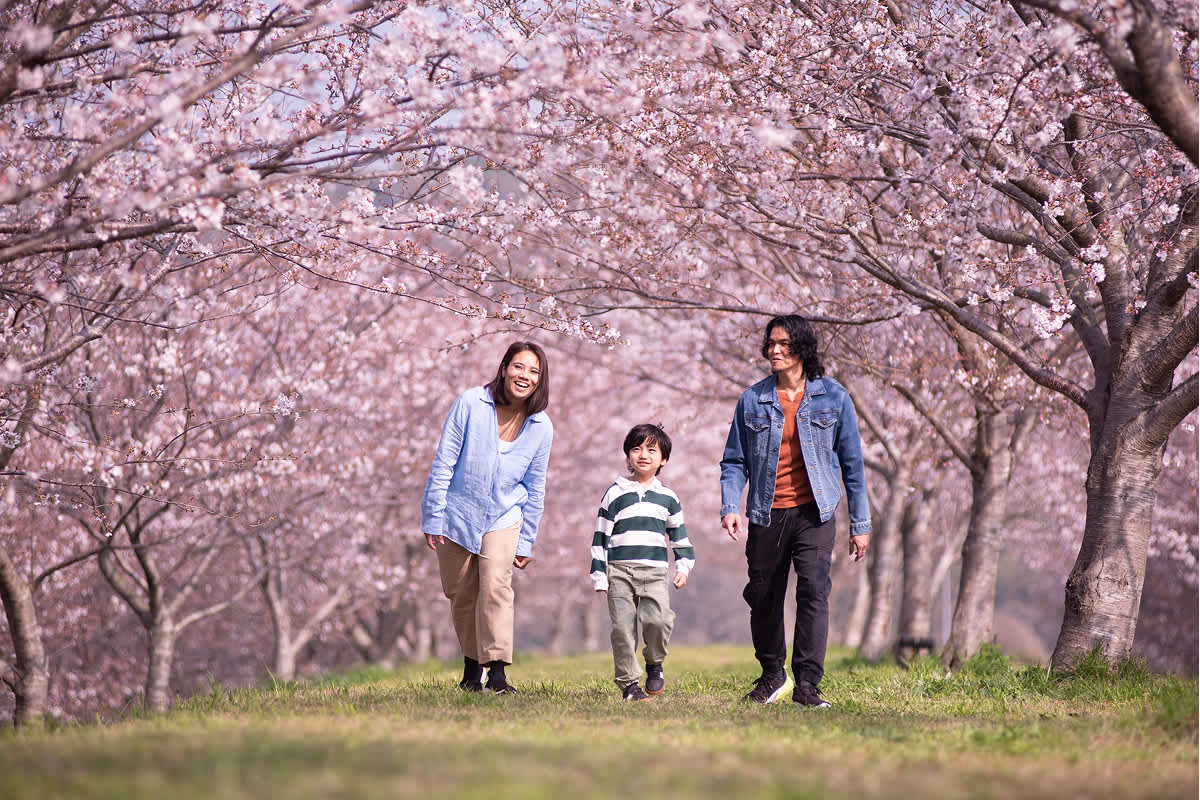
Shimabara Hibaruyama Flower Park stands as a symbol of the region’s recovery from the eruption of Mt. Unzen’s Fugendake peak. Follow the park’s walking paths for views of Heisei Shinzan, the highest peak of Mt. Unzen, framed by seasonal flowers. Cherry blossoms, rapeseed flowers, and poppies fill the park in spring, while cosmos and late-blooming sunflowers reach their peak in autumn. As one of Shimabara’s best-known flower-viewing destinations, the park offers a chance to appreciate the changing seasons while learning about the region’s journey toward recovery.
https://shimabaraonsen.com/en/guide/hanamatsuri
Fukuoka
④Uminonakamichi Seaside Park
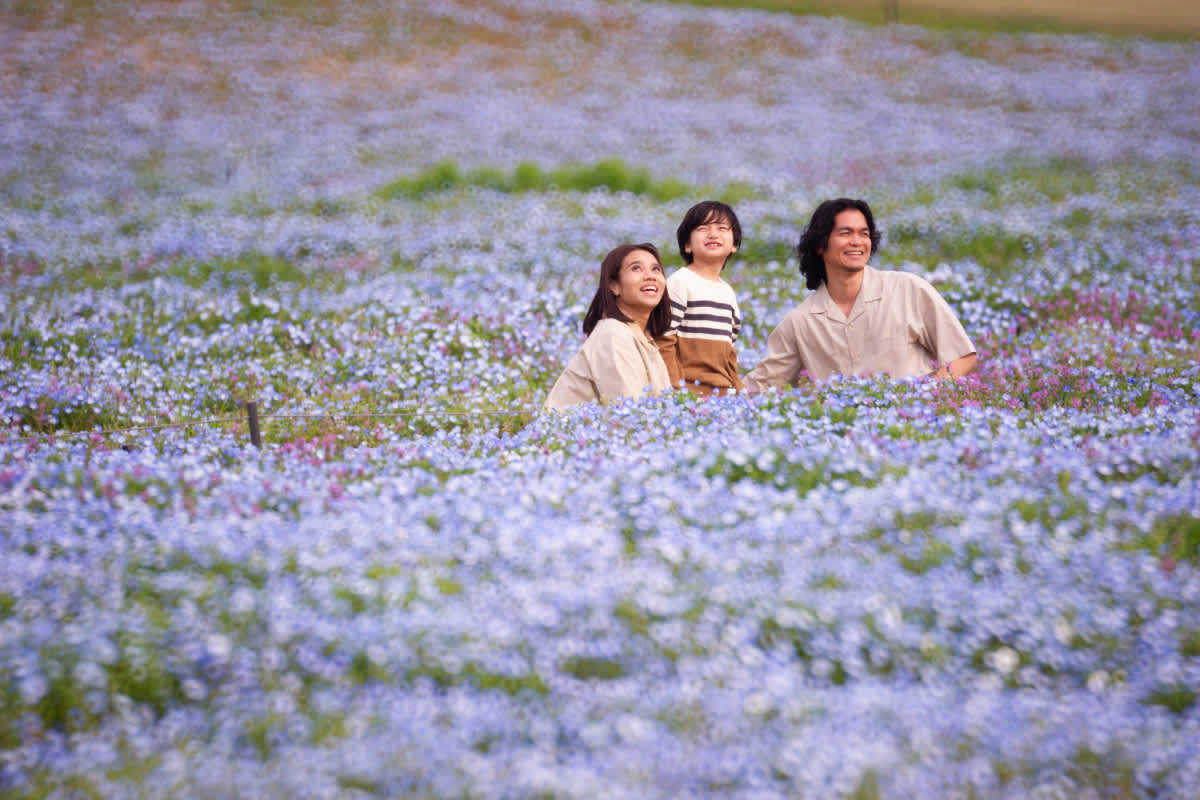
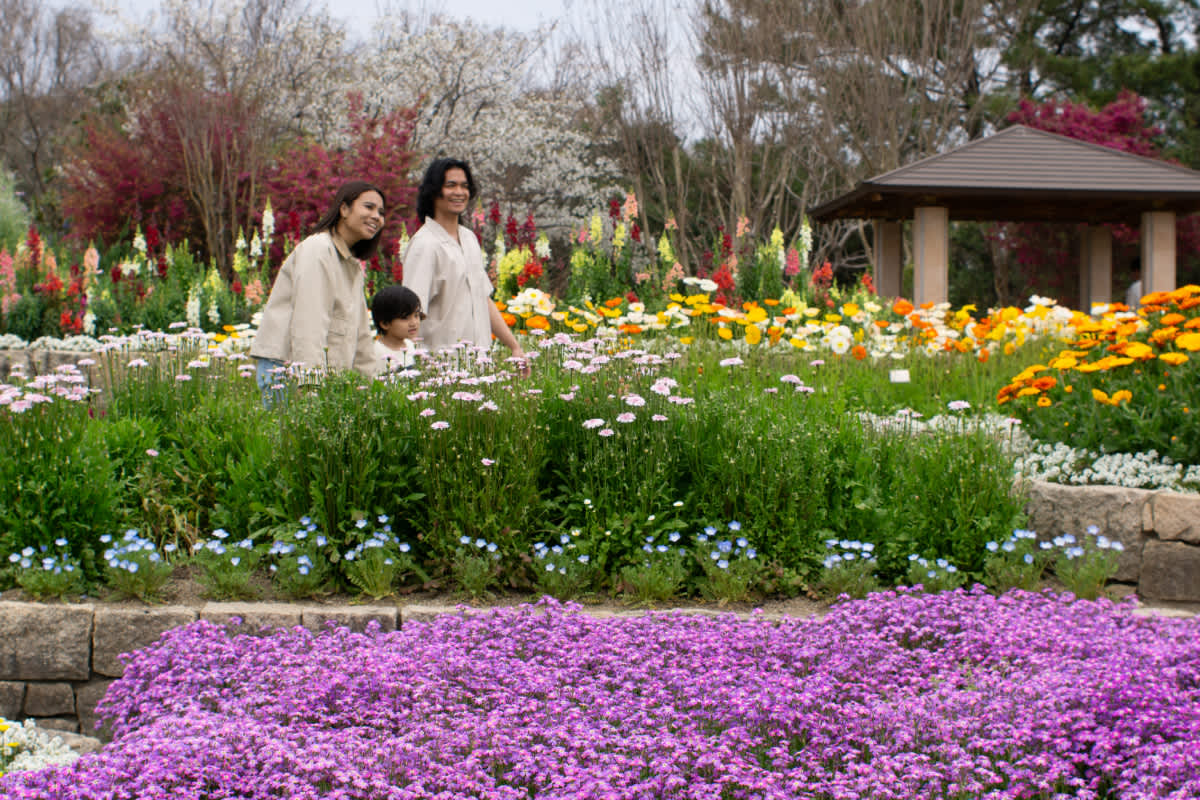
Uminonakamichi Seaside Park is a national government park filled with nature in Fukuoka City. In addition to seasonal flowers across its expansive grounds, visitors can encounter animals such as squirrel monkeys and capybaras. Go-karts, cycling, and barbecues are among the many activities available, while one of western Japan’s largest leisure pools is a popular summer attraction. The park is also adjacent to the Marine World Uminonakamichi aquarium and a resort hotel, making it a popular destination for families and visitors of all ages.
https://www.crossroadfukuoka.jp/en/spot/12408
⑤teamLab Forest Fukuoka – SBI SECURITIES Co., Ltd
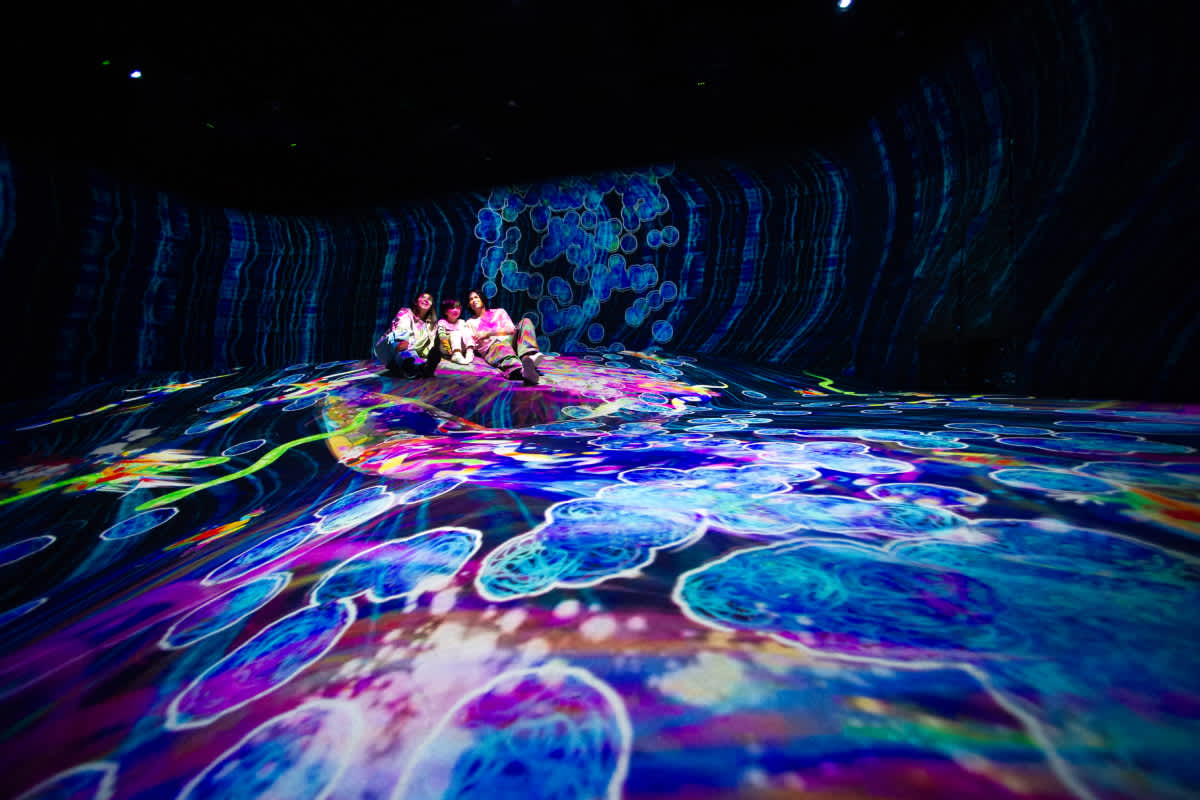
teamLab Forest Fukuoka is a permanent museum created by the international art collective teamLab. Light, sound, and digital imagery combine to create a fantastical world divided into two areas: Catching and Collecting Forest and Athletics Forest. Visitors use their bodies to interact with the artworks, which respond and change according to their movements. This immersive approach makes the museum a popular art destination for children and adults alike.
https://gofukuoka.jp/spots/detail/257499
Hiroshima
⑥Simose Art Museum
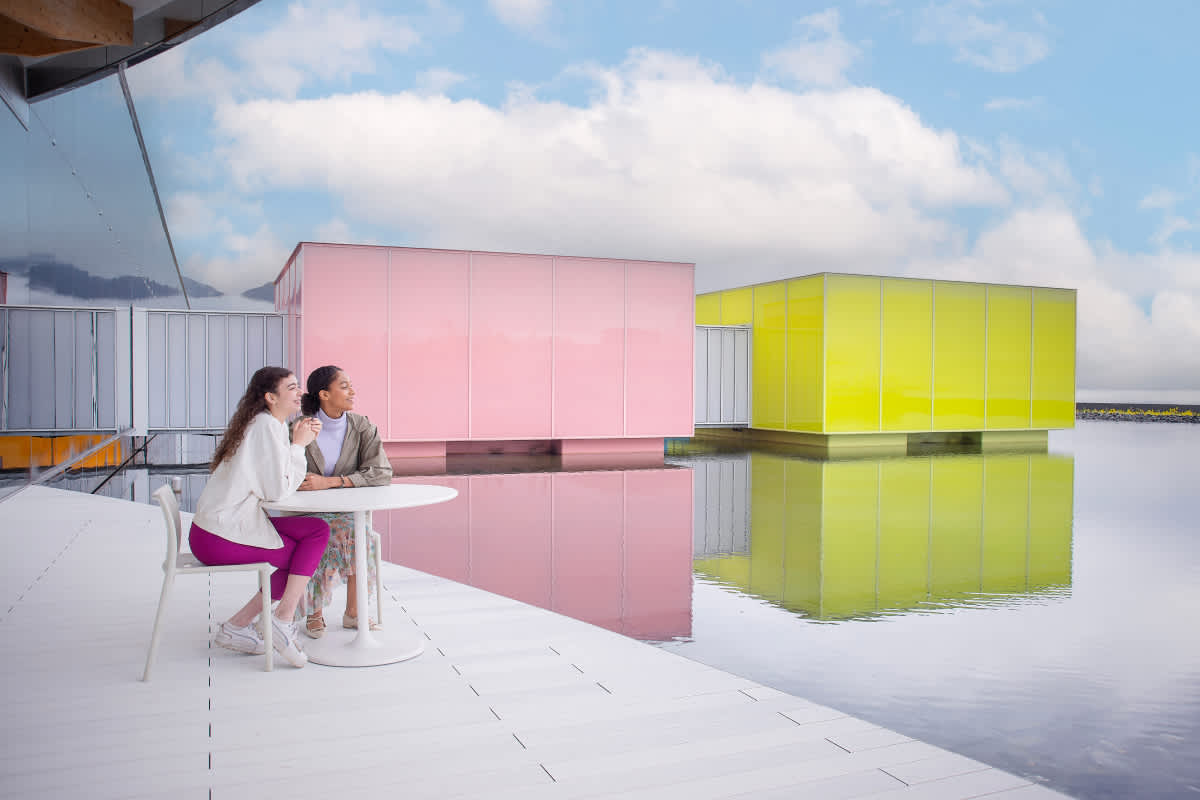
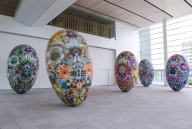
Simose Art Museum stands on the waterfront overlooking the Seto Inland Sea. Its colorful movable galleries, positioned within a reflecting pool, are the museum’s defining feature. Architect Shigeru Ban designed them with inspiration from the islands of the Seto Inland Sea.
In addition to its displays of modern and contemporary art and crafts, the museum invites visitors to stroll through Émile Gallé’s Garden. Named after the French artist and designer, the garden features flowers and plants depicted in his works. Recognized for its distinctive architecture and setting, the museum received the Prix Versailles, the top honor in the World’s Most Beautiful Museums category, in 2024.
https://www.japan.travel/en/experiences-in-japan/5943/
Simose Art Garden Villa
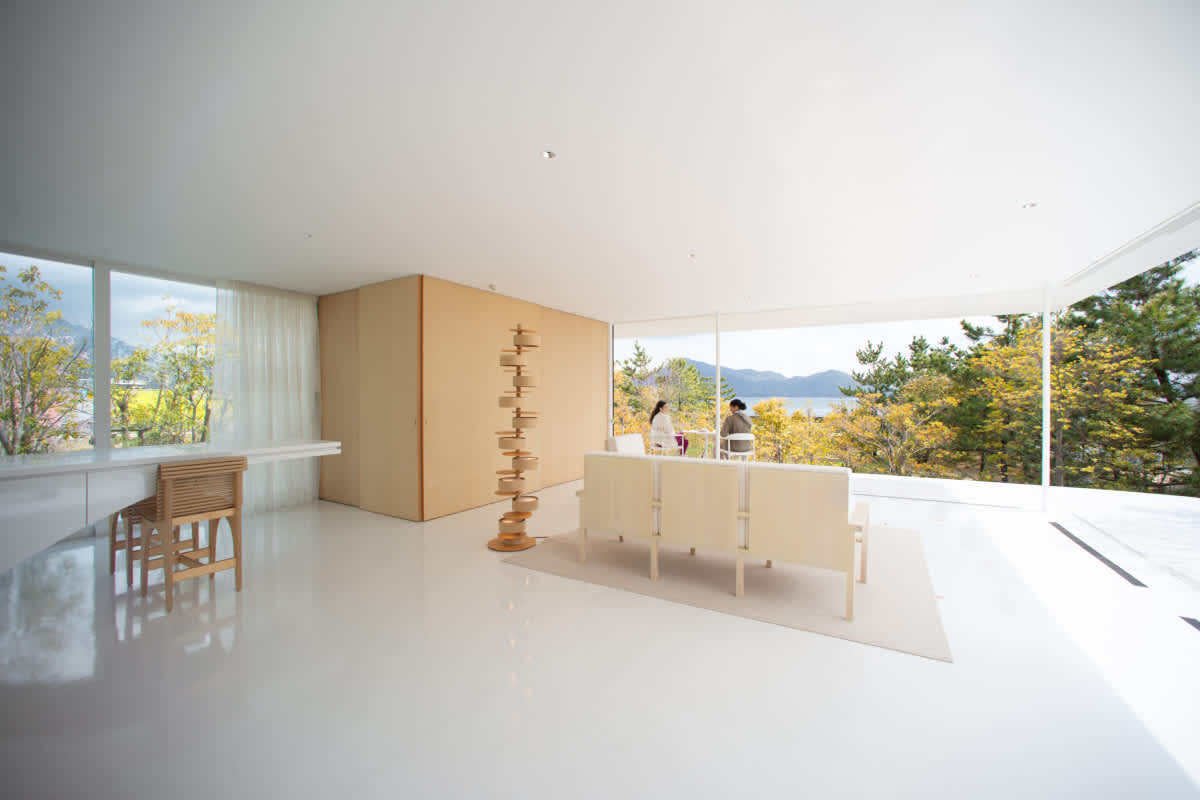
Simose Art Garden Villa is a small luxury art resort adjoining Simose Art Museum. Its ten villas are divided between two areas: the Forest Villas, surrounded by trees, and the Waterfront Villas, overlooking a reflecting pool. Each villa has a distinctive design, offering guests the rare opportunity to stay inside a work of architecture created by Pritzker Architecture Prize-winning architect Shigeru Ban.
https://www.japan.travel/en/luxury/detail/simose-art-garden-villa/
⑦Kayaking Around Miyajima
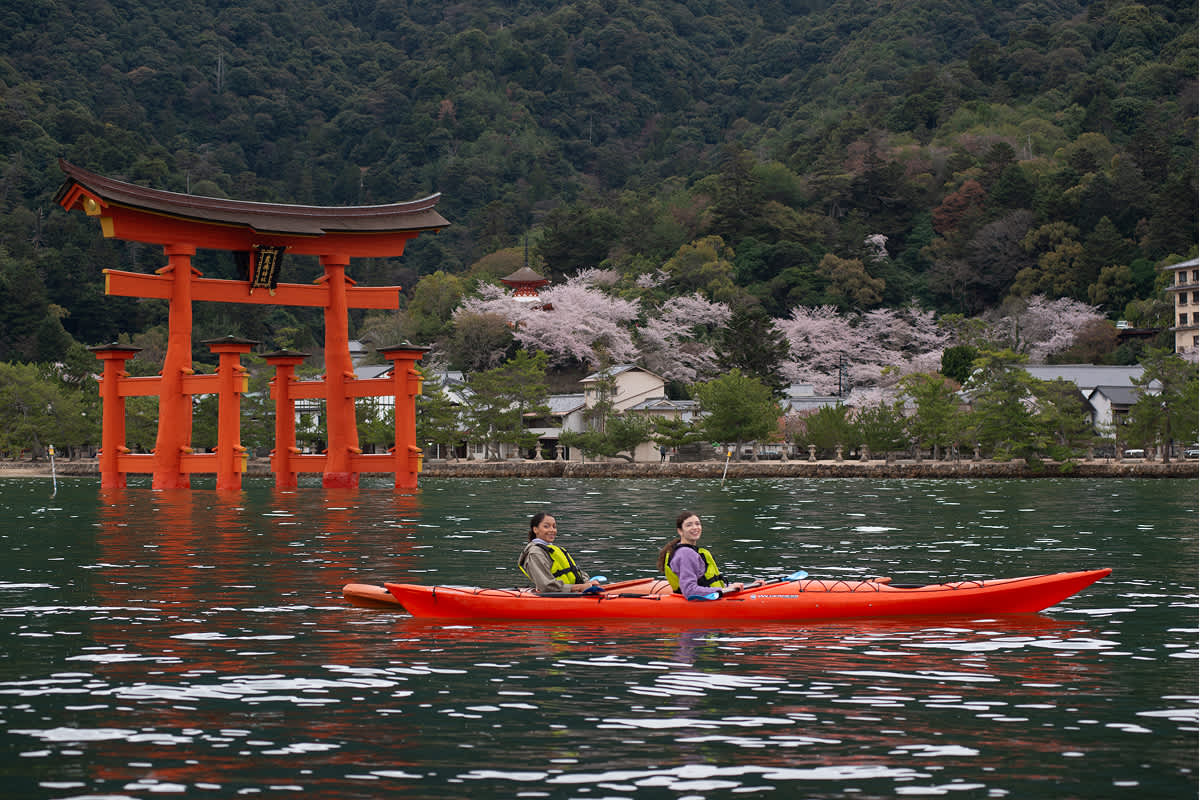
Kayaking is a popular way to explore the waters around Miyajima, home to World Heritage-listed Itsukushima Shrine. Paddle across the calm Seto Inland Sea for close-up views of the shrine’s great torii gate and buildings from the water. Seeing Miyajima this way offers a more dramatic experience than viewing it from land and brings you closer to the island’s natural beauty and history. Guides provide a safety briefing before departure, and the necessary equipment is available for rental, making the activity accessible even to beginners.
https://dive-hiroshima.com/en/feature/feature-24097/
⑧Okonomimura
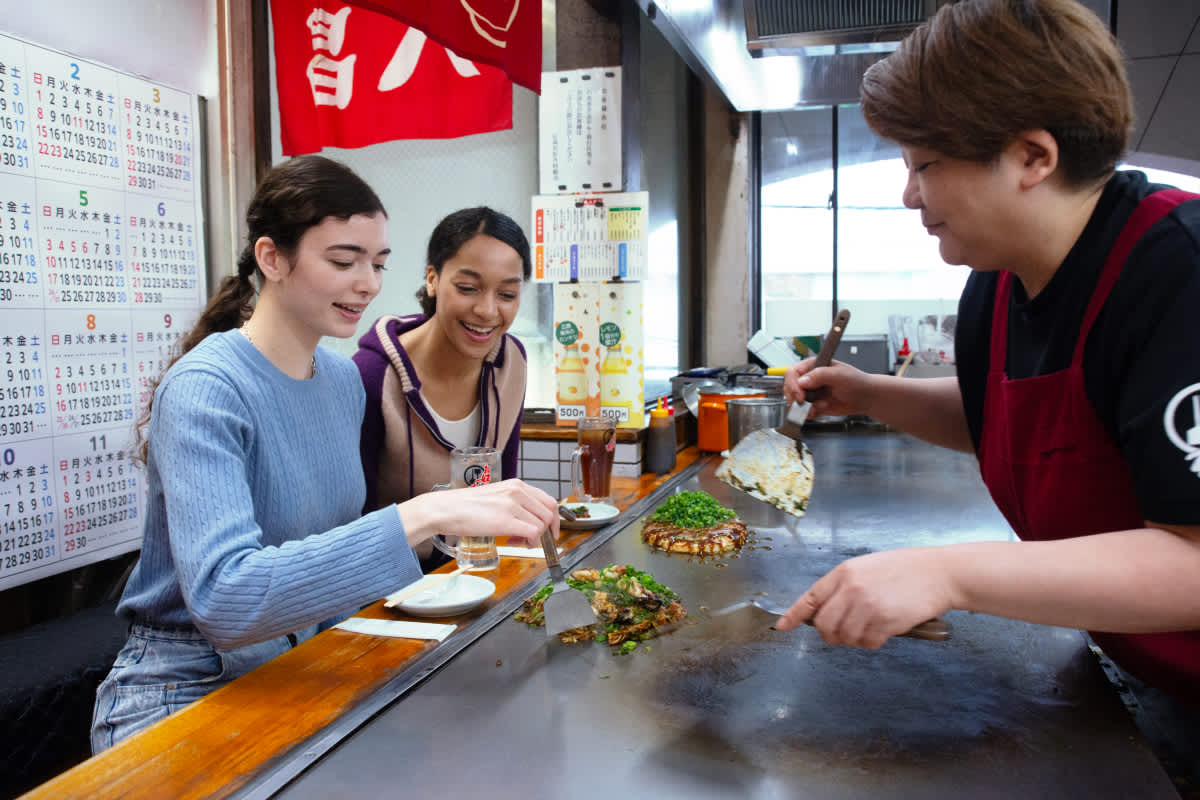
Okonomimura is a popular dining destination that brings together restaurants specializing in Hiroshima-style okonomiyaki. One of Japan’s best-known teppan-grilled dishes, okonomiyaki varies in style from region to region. Unlike Osaka-style okonomiyaki, in which the ingredients are mixed into the batter, the Hiroshima version is made by layering cabbage, noodles, and other assorted savory ingredients. Each restaurant at Okonomimura offers its own take on the dish, making it possible to compare different ingredients and preparations.
Hassho, on the second floor, is known for its fragrant grilled noodles and exceptionally thin layer of batter. Gather around the griddle to experience authentic Hiroshima-style okonomiyaki and the city’s lively food culture.
https://www.japan.travel/en/experiences-in-japan/538/
Okayama
⑨Strawberry Picking


Strawberry picking is a popular seasonal activity in Okayama, a prefecture renowned for its fruit. Typically available from around December to May, the experience allows visitors to pick ripe strawberries by hand and enjoy them on the spot.
At Yamada Bee Farm, set in a lush countryside outside the city, visitors can compare several varieties of strawberries at their seasonal best inside greenhouses filled with their sweet aroma. The freshly picked fruit offers exceptional flavor and juiciness. The farm also has a cafe-restaurant that uses local ingredients and carefully selected fruit, as well as hands-on programs such as honey harvesting and beeswax candle making.
https://www.okayama-japan.jp/en/spot/10725
⑩Sushi Restaurant
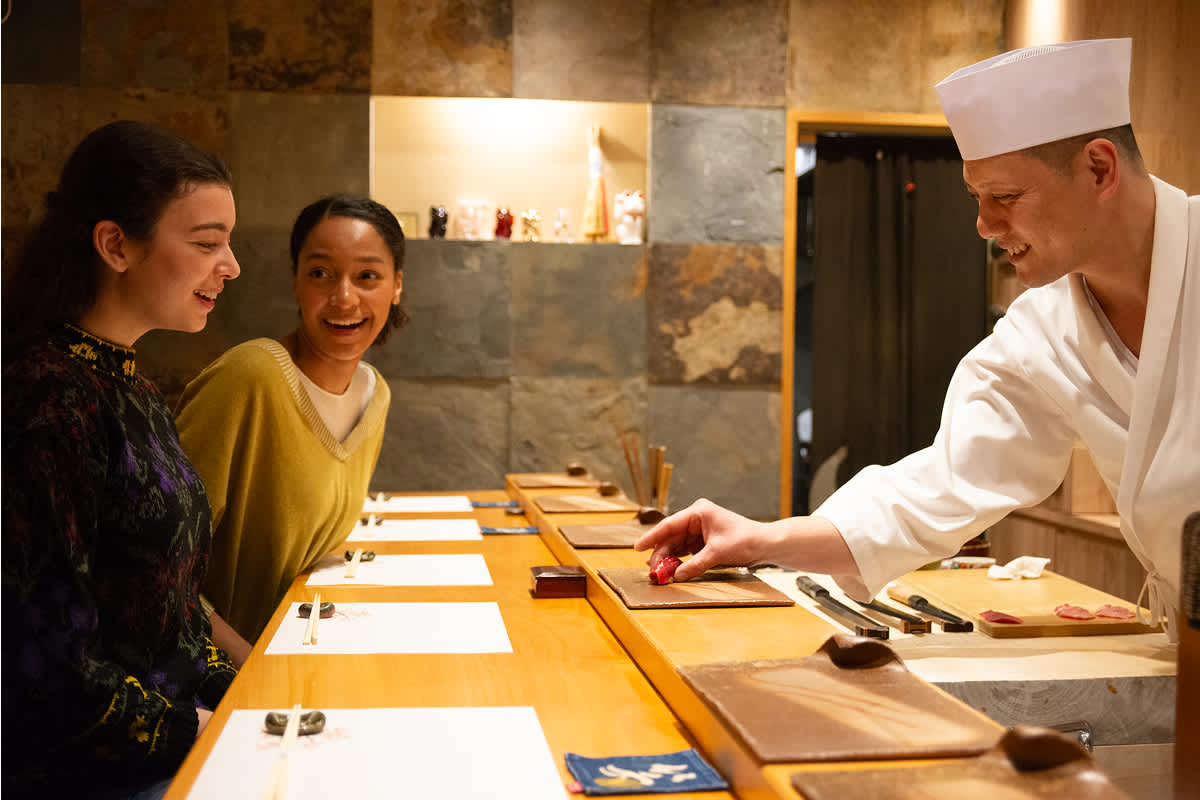
Sushi is one of Japan’s defining food traditions. Its appeal lies not only in enjoying fresh seafood and seasonal flavors piece by piece, but also in experiencing the distinctive preparation methods and craftsmanship of each restaurant.
Sushi Haru has been featured in respected restaurant guides, including the Michelin Guide and Gault&Millau. In its calm and intimate setting, diners can take their time savoring the flavors of the season. It is a recommended choice for visitors seeking an authentic sushi experience in Okayama.
Hyogo
⑪Italian Restaurant
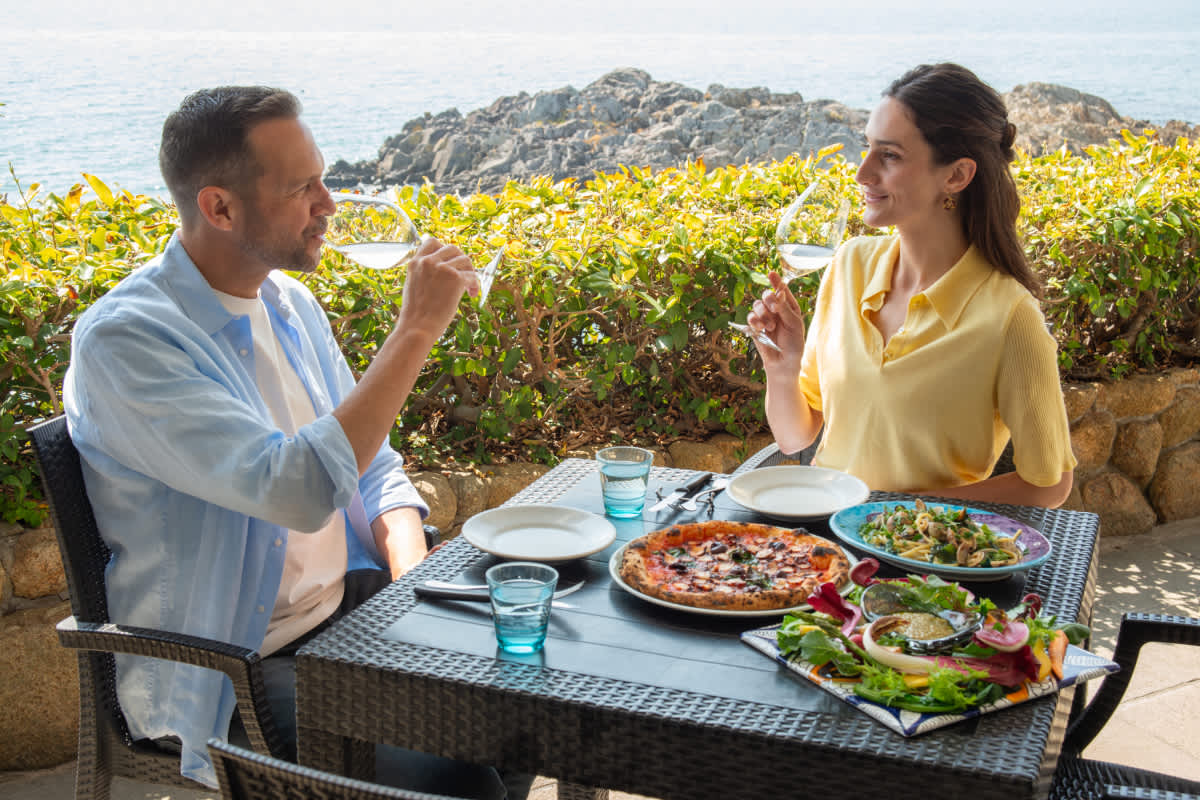
Japan’s rich and varied dining culture encompasses not only traditional Japanese cuisine, but also authentic international cooking, including Italian cuisine.
Sakuragumi is known for its authentic Neapolitan dishes made with ingredients imported directly from Italy and fresh seafood from the Seto Inland Sea. Its Neapolitan pizzas, baked in a wood-fired oven, are among the restaurant’s most popular offerings. Its peaceful sea views perfectly complement its distinctive Italian cuisine, which showcases the flavors of the region.
https://ako-kankou.jp/en/dining/sakuragumi.html
⑫Himeji Castle
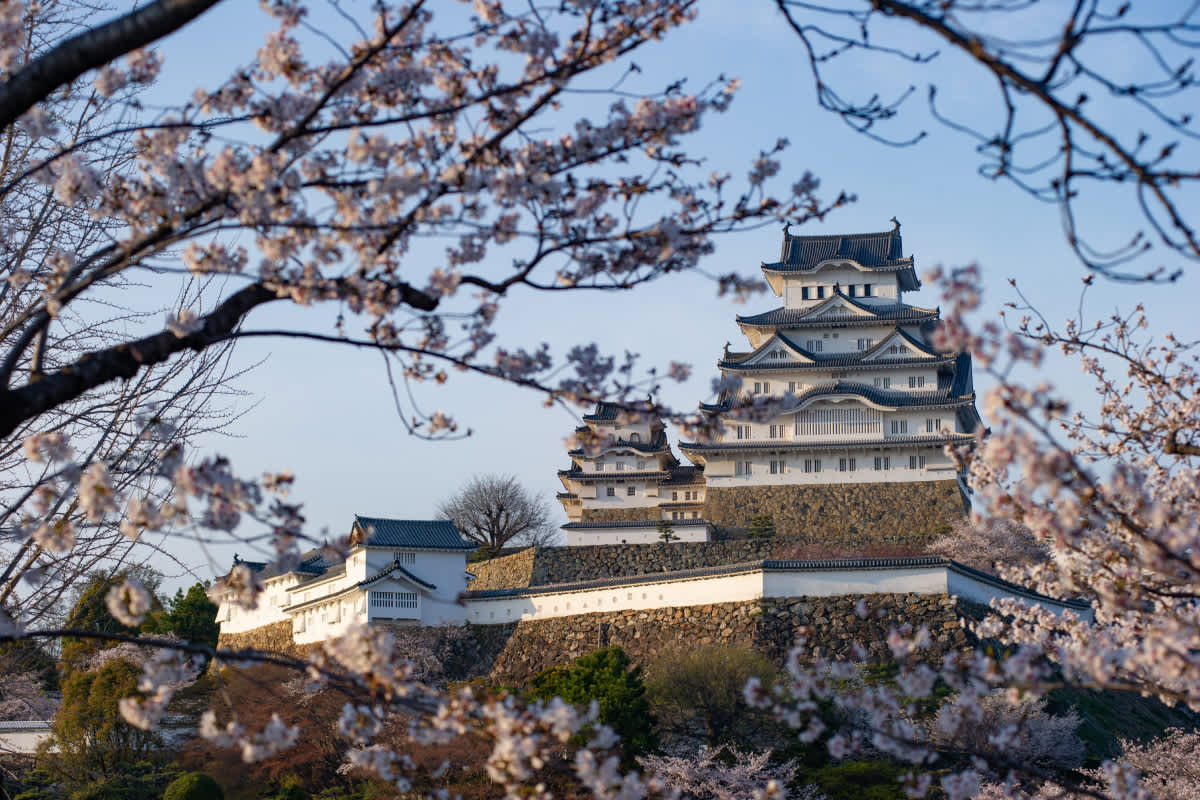
Himeji Castle is both a Japanese National Treasure and a UNESCO World Heritage Site, and is regarded as one of the country’s finest castles. Home to one of Japan’s 12 remaining original castle keeps, Himeji Castle has retained its elegant appearance for more than 400 years. Its brilliant white plastered exterior has earned it the nickname “White Heron Castle.” The main keep, along with many original turrets and gates, survives today, making the complex a masterpiece of Japanese castle architecture and a major destination for visitors from Japan and around the world.
https://www.japan.travel/en/spot/1030/
⑬Koko-en
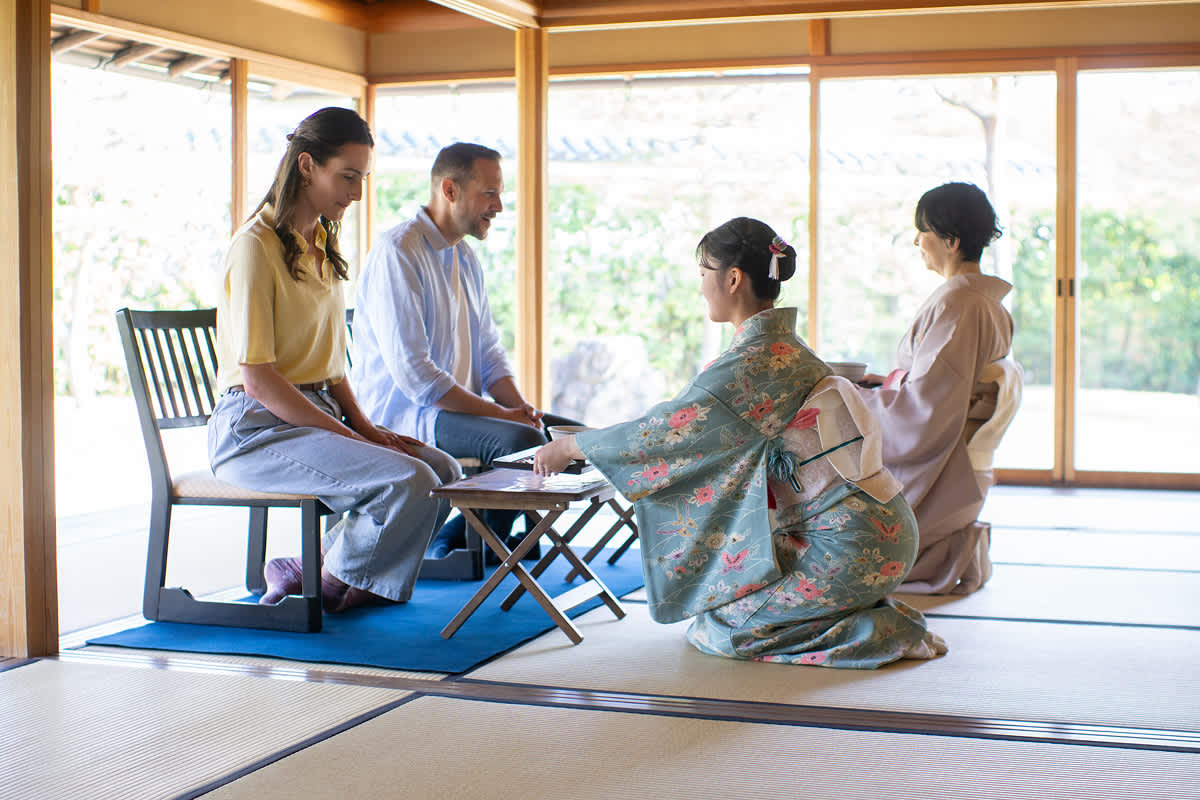
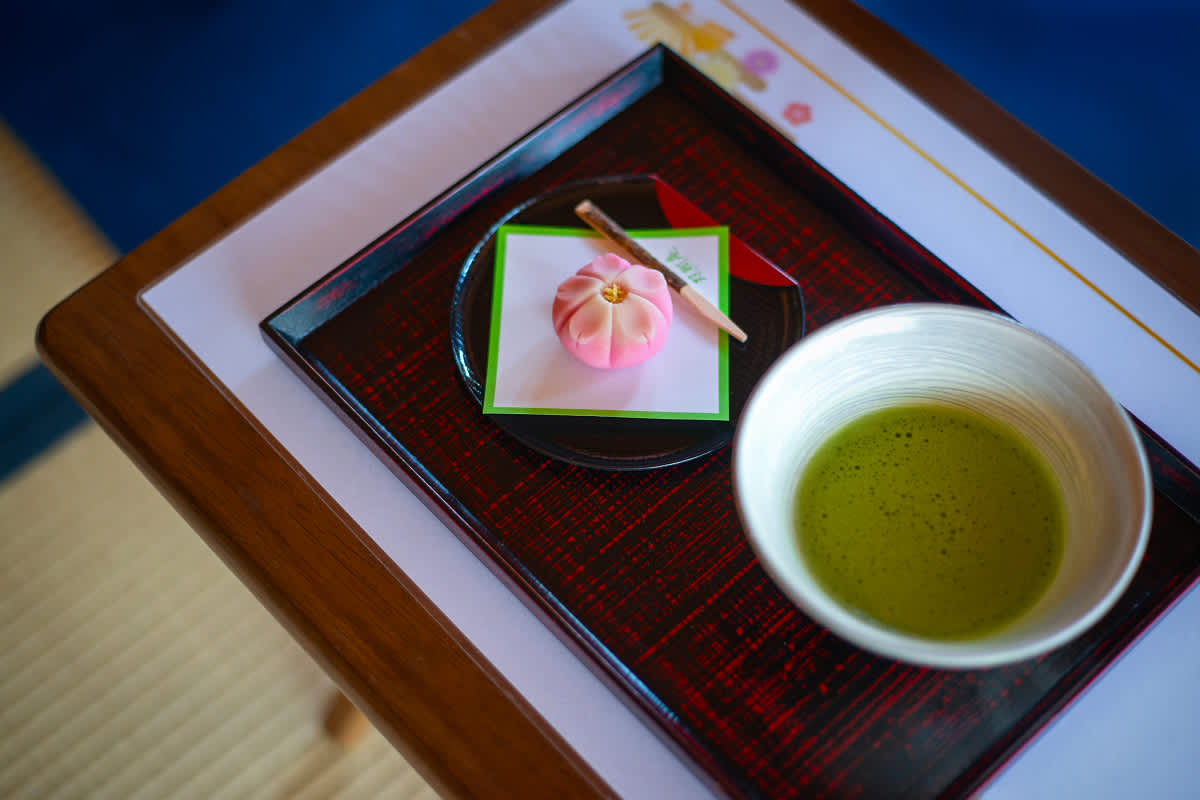
Koko-en was created on the former site of the west residence of Himeji Castle’s feudal lord. Its nine distinctive gardens include landscaped spaces with waterfalls and ponds, each designed to express the beauty of Japan’s changing seasons.
In the Tea Ceremony Garden, the authentic sukiya-style Soujuan teahouse serves matcha and traditional Japanese sweets. With World Heritage-listed Himeji Castle as a backdrop, visitors can enjoy a landscape where history and nature exist in harmony.
https://www.japan.travel/en/spot/1029/
Tokyo
⑭Yoyogi Park
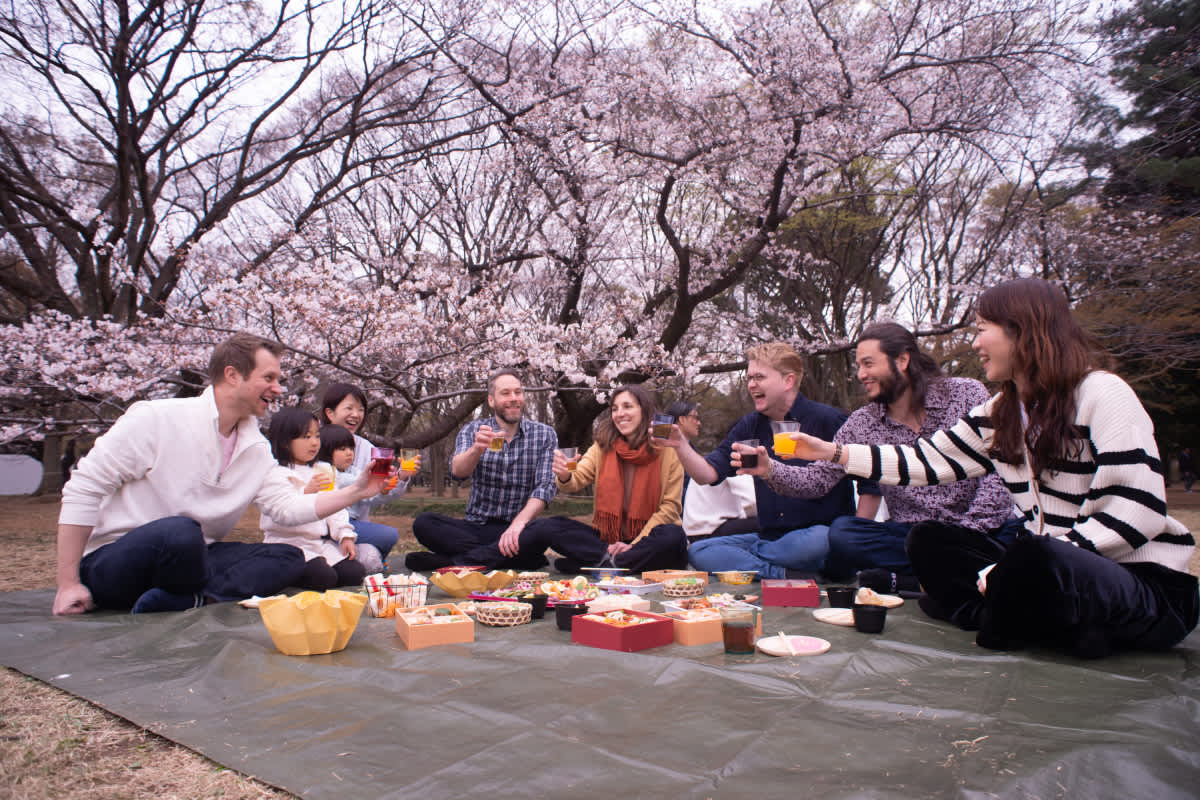
Yoyogi Park is one of Tokyo’s best-known urban parks, offering abundant greenery in the heart of the city. The area served as the Olympic Village during the 1964 Tokyo Olympics before being developed as a public park. Today, it is a popular place for walking, jogging, cycling, and relaxing outdoors.
In spring, hundreds of cherry trees bring color to the park and attract crowds for hanami, or cherry blossom viewing. Visitors can also enjoy picnics on its spacious lawns. Its location near Harajuku and Meiji-Jingu Shrine makes it easy to experience both Tokyo’s vibrant city life and its natural surroundings.
https://www.japan.travel/en/spot/1654/
⑮Shinjuku Gyoen National Garden
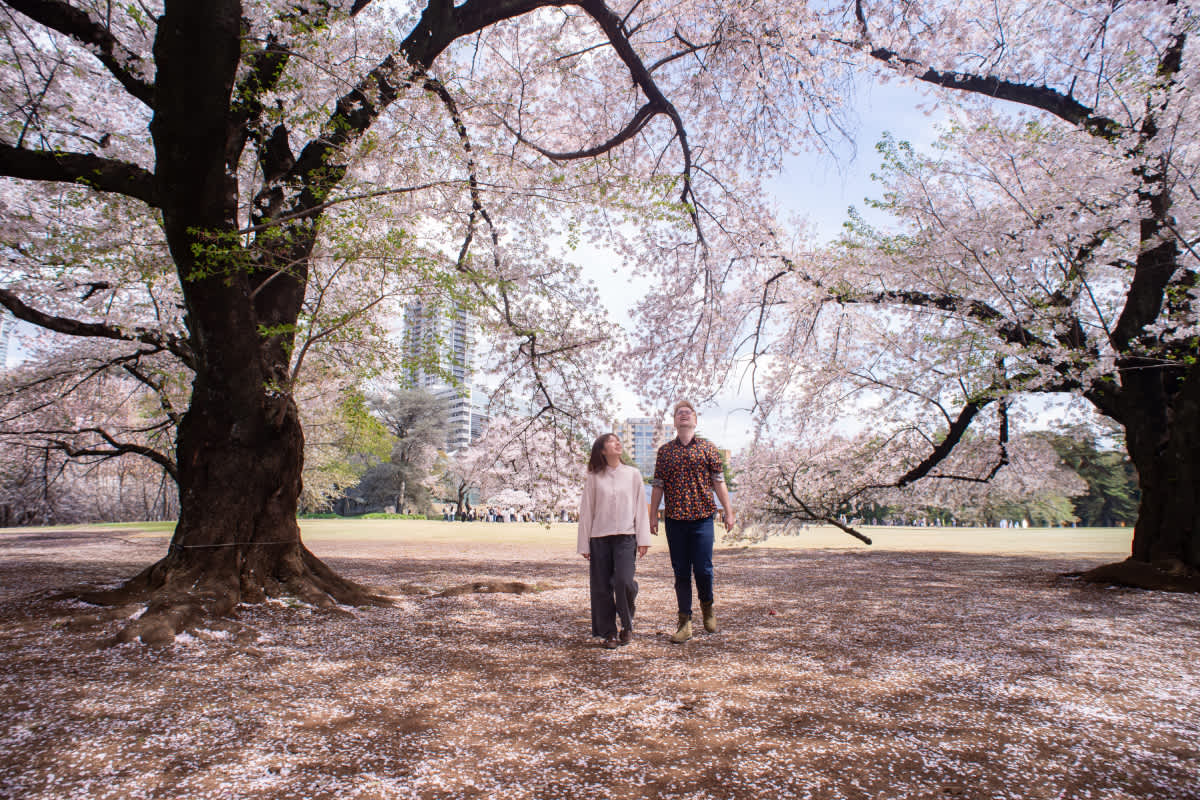
Shinjuku Gyoen National Garden is one of Tokyo’s foremost gardens and has historic connections to the Imperial Family. Its expansive grounds bring together a formal garden, a landscape garden, and a traditional Japanese garden, creating a variety of distinct scenery.
In spring, approximately 900 cherry trees fill the grounds with color. Because the garden contains numerous varieties that bloom at different times, visitors can enjoy the blossoms over an extended period. Alcohol is not permitted, helping to maintain a peaceful atmosphere that makes the garden popular with families and adults seeking a relaxed hanami experience.
https://www.japan.travel/en/spot/1659/