















Use the
Planning a Trip to Japan?
Share your travel photos with us by hashtagging your images with #visitjapanjp
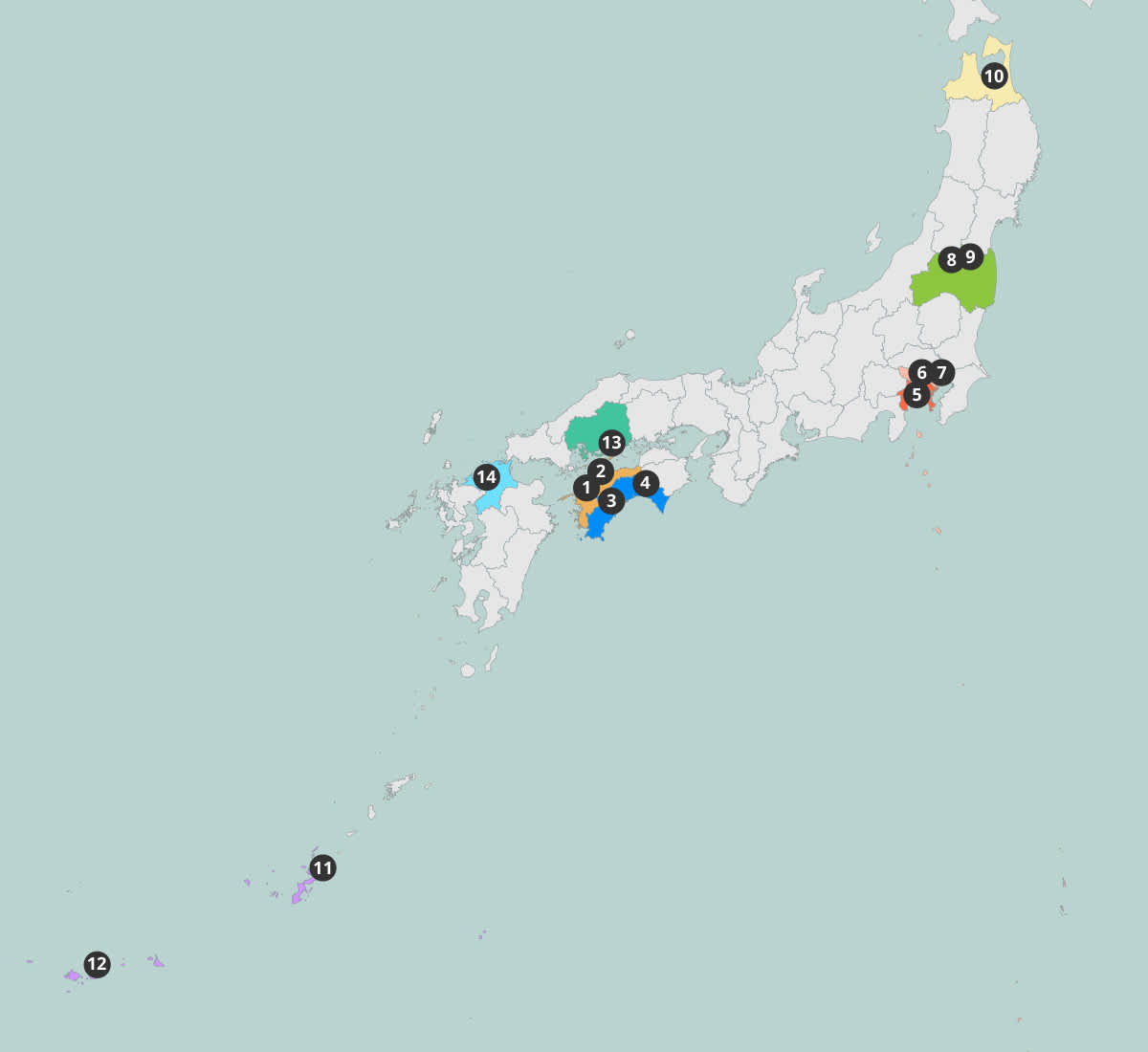
Ehime
①Waterfall Purification Experience in Uchiko
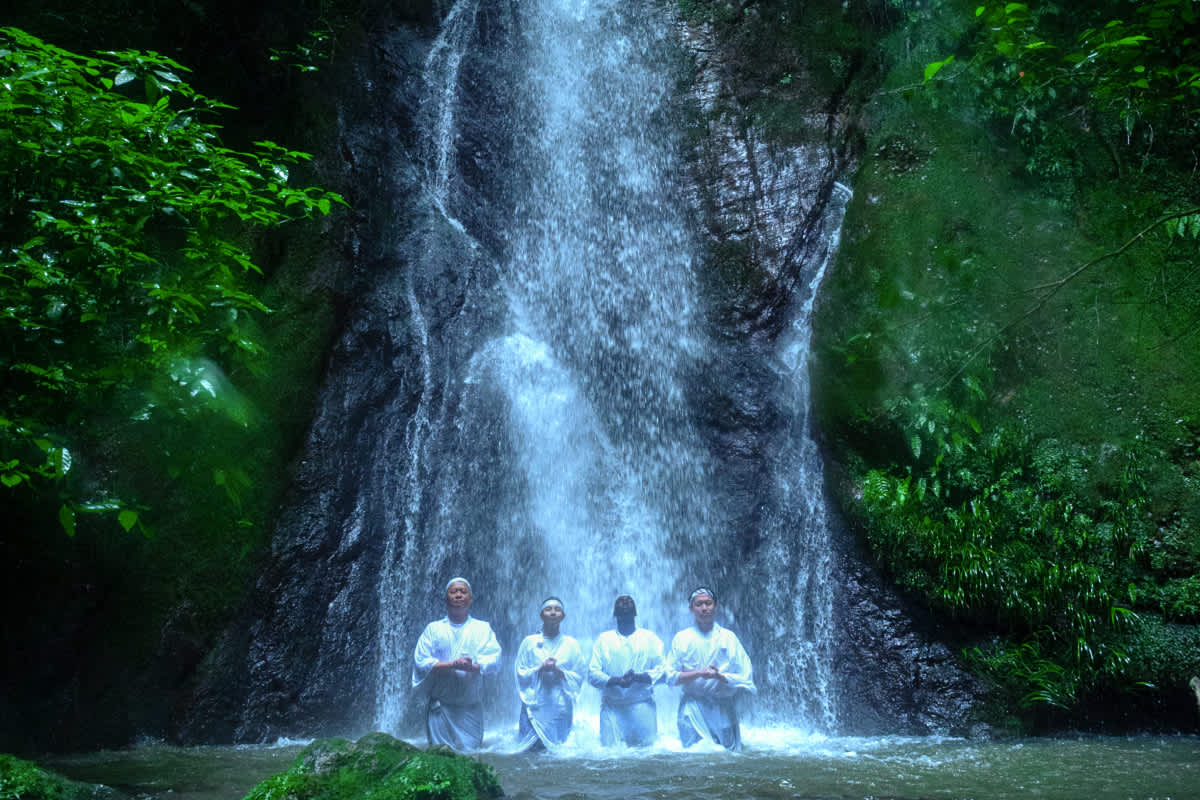
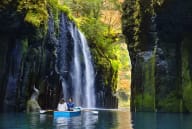
Takigyo, a traditional waterfall purification practice, involves standing beneath a waterfall to cleanse the body and mind. In Uchiko, near the center of Ehime Prefecture, a locally guided waterfall experience is generally offered from mid-June through early October. White garments, river boots, and bath towels are available to rent. Changing rooms, restrooms, and showers are also located nearby, helping first-time participants feel at ease.
https://www.japan.travel/en/japans-local-treasures/waterfall-purification-experience-uchiko-2025/
②Shaved Ice Shop
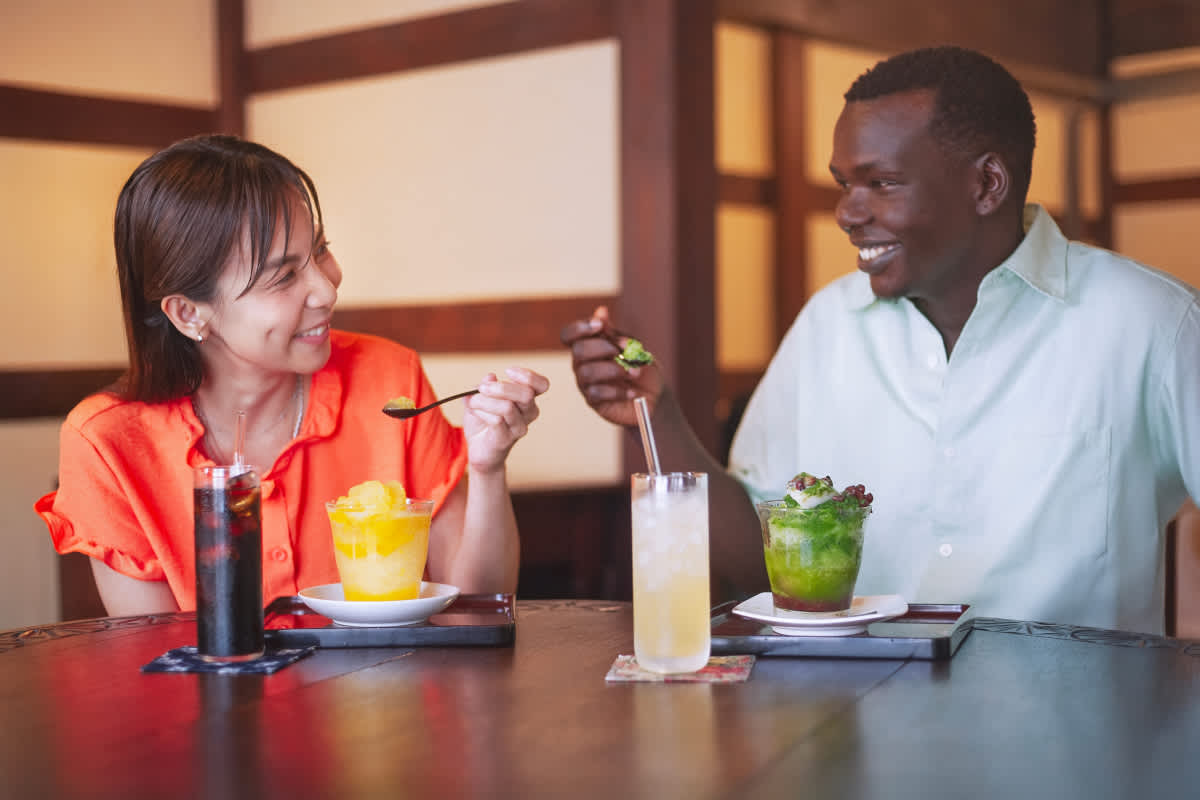
Shaved ice topped with sweet syrup has been enjoyed in Japan for more than 1,000 years and remains a favorite way to cool off in summer.
COTO COTO is a Japanese sweets shop housed in a renovated traditional home in Uchiko's preserved historic district. The owner makes ohagi—glutinous rice coated with sweet bean paste—and daifuku, soft mochi wrapped around a sweet filling, by hand. In summer, the shop serves shaved ice topped with fruit syrups made using generous amounts of locally grown fruit and house-made condensed milk. It makes the perfect refreshing treat to enjoy during a stroll through town.
https://uchikogenic.com/en/food/coto-coto/
Kochi
③Rafting on the Shimanto River

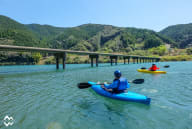
The Shimanto River is one of Japan's best-known clear rivers. Its winding course and the rich natural scenery along its banks provide the setting for a wide variety of river activities.
Rafting tours are offered from Mishima Camping Ground. In addition to traveling downriver by raft, participants can try stand-up paddleboarding. A break with drinks and a Kochi snack during the tour adds another local touch to the experience.
④Burger Restaurant

The breadth of Japan's food culture extends from traditional cuisine to regional burgers. 5019 PREMIUM FACTORY Nankoku specializes in distinctive burgers that make the most of ingredients from Kochi Prefecture. Its popular customizable burger combines a patty grilled over fragrant Tosa binchotan—a type of high-quality Japanese white charcoal—with vegetables grown by the restaurant and the diner's choice of sauce. The result highlights both the ingredients and the smoky aroma of the charcoal. A Japanese-style hamburger steak made with Tosa Wagyu beef is another dish worth trying.
Kanagawa
⑤Stand-Up Paddleboarding in Hayama
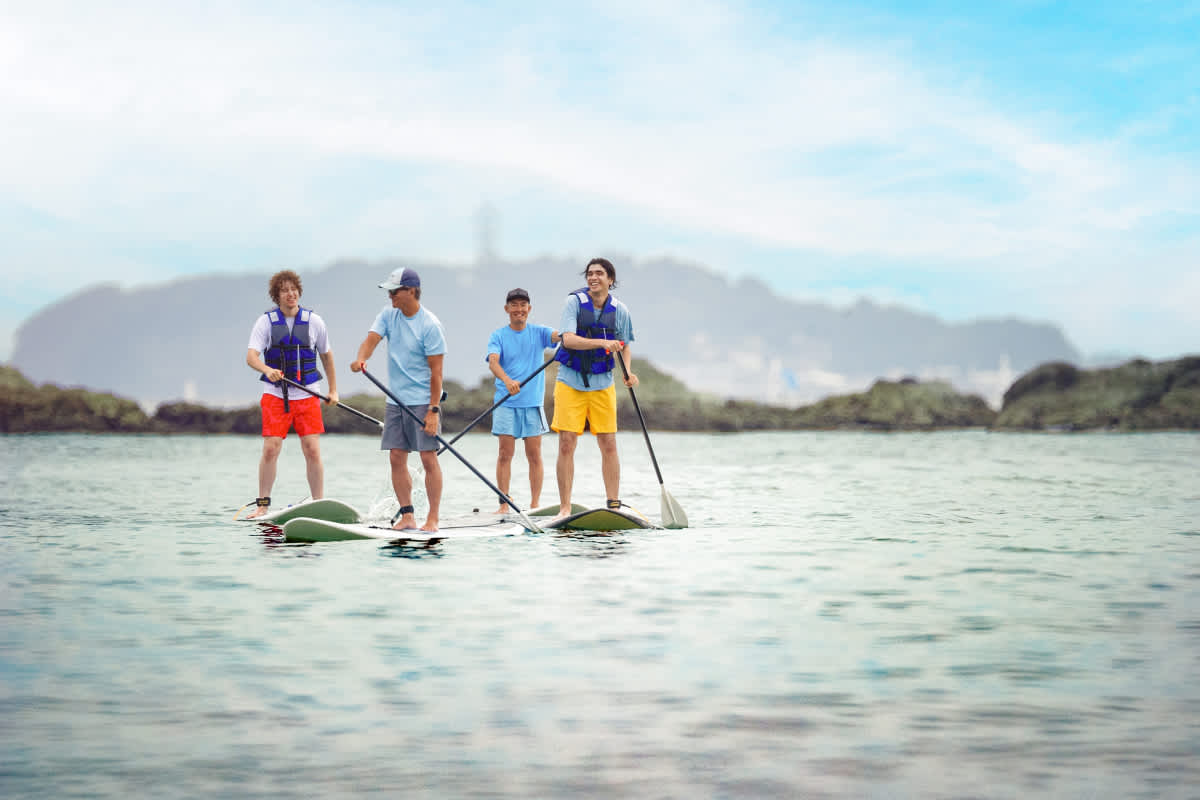
Located beside Zushi, Hayama is a seaside resort within easy day-trip distance of Tokyo. Stand-up paddleboarding lets participants enjoy the scenery from just above the water while standing on a board and propelling themselves with a paddle. Beginners can join introductory lessons with guidance from an instructor, while experienced paddlers can take a tour to a small offshore island marked by a red torii gate. In clear weather, Mt. Fuji may be visible from the water.
https://visitkanagawa.jp/destination/sup-at-hayama-ocean-sports/1337
⑥Umi no Ie Beach Houses
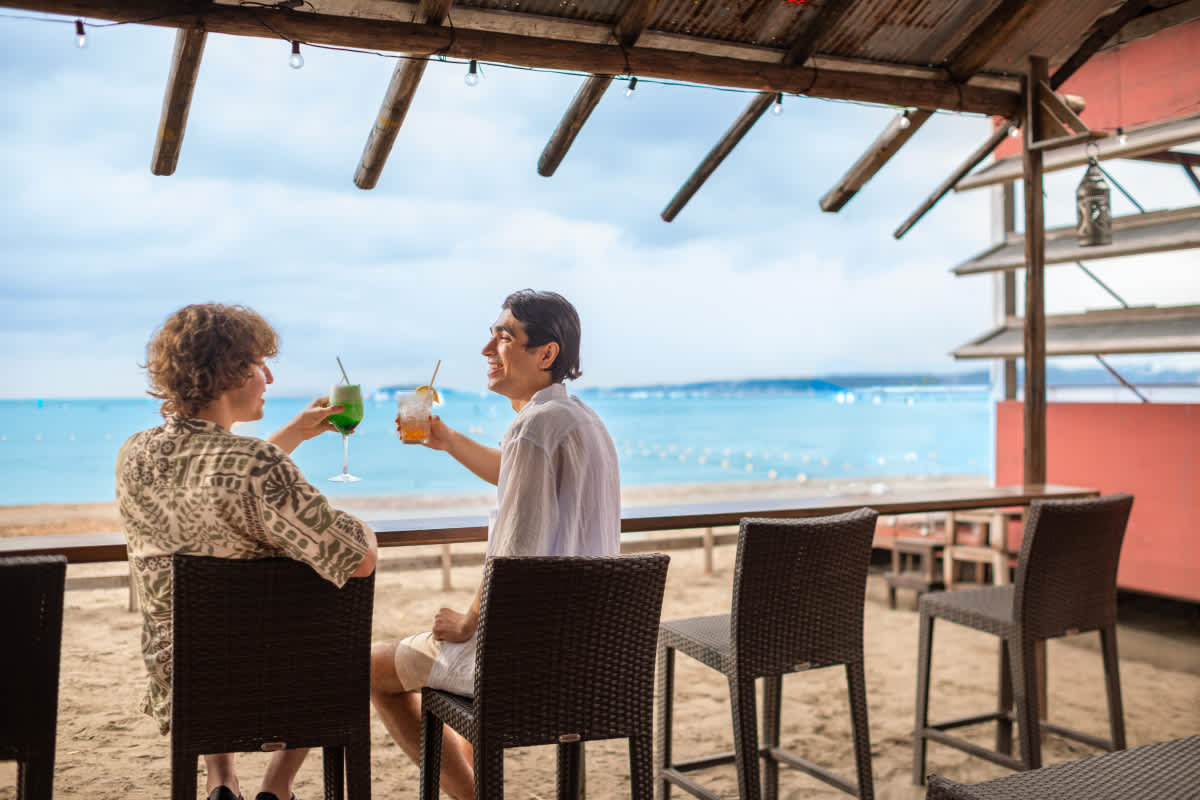
An umi no ie is a seasonal facility that serves as a base for a day at the beach. Amenities, fees, and conditions of use vary by facility. Many provide changing rooms, lockers, and showers. They also serve light meals such as yakisoba (stir-fried noodles), along with shaved ice and a selection of drinks. Some also rent beach equipment, including inflatable rings, snorkeling sets, and parasols.
At Hayama's Morito Beach and Isshiki Beach, a variety of these beach houses line the shore. Many have stylish interiors and atmospheres reminiscent of cafes or bars.
Tokyo
⑦Beer Gardens
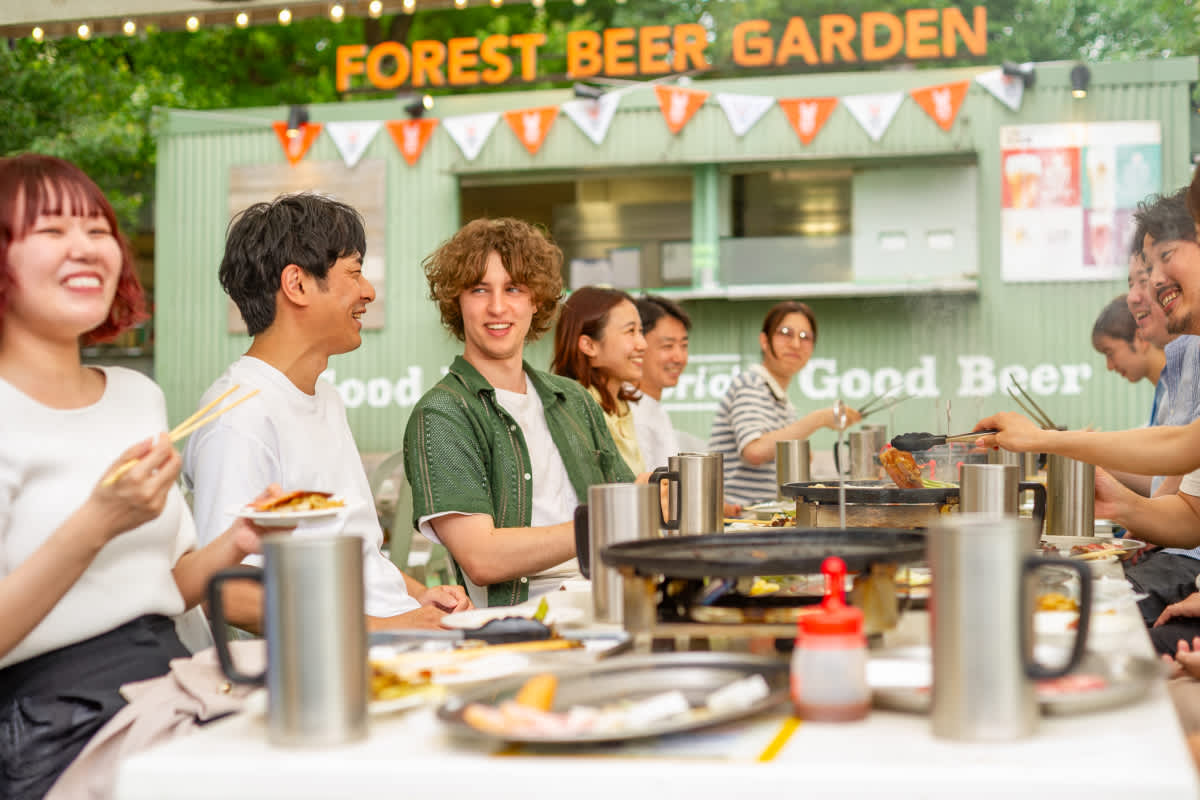
Beer gardens are seasonal outdoor dining venues where friends and families gather around a table for food and drinks. They are a classic choice for summer get-togethers in Japan, and advance reservations are recommended for busy evenings and weekends.
FOREST BEER GARDEN in the Meiji Jingu Gaien area is one of Tokyo's largest beer gardens. Despite its central location, the venue is surrounded by greenery and offers barbecued food and beer in an open-air setting. Children's pricing and a wide range of nonalcoholic beverages make it enjoyable for families and guests who do not drink.
Fukushima
⑧Farm Stays and Agricultural Experiences
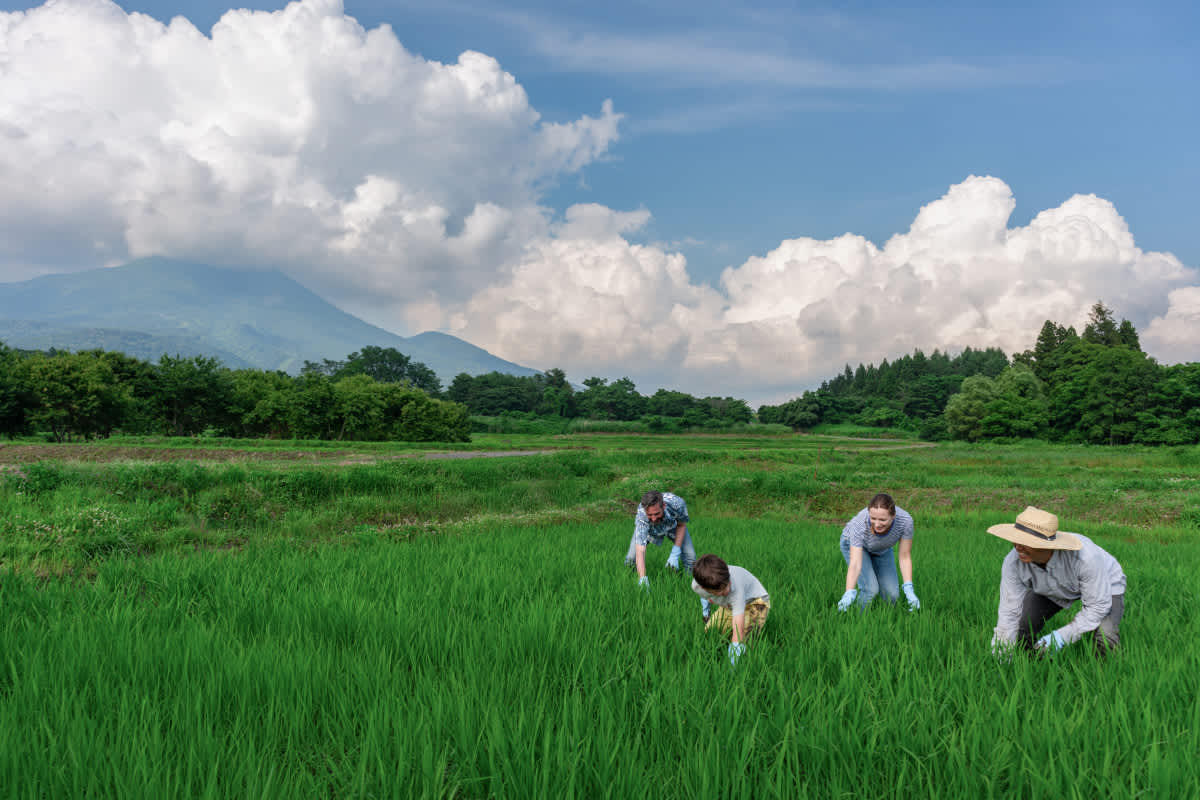
A farm stay offers the chance to join agricultural work or prepare regional dishes while interacting with local residents, deepening visitors' understanding of the area's way of life and culture. Accommodations range from stays with host families on working farms to traditional homes and private rental houses. The opportunity to step into everyday life at the destination is one of the experience's defining appeals.
At Farm & Retreat BANDAI, local businesses and producers work together to arrange customized day trips and overnight stays. Activities may include rice farming, harvesting vegetables or fruit, barbecuing, and walking through town, providing varied ways to engage with the region's nature and culture.
https://www.japan.travel/en/guide/homestay-farmstay/
⑨Goshikinuma Ponds
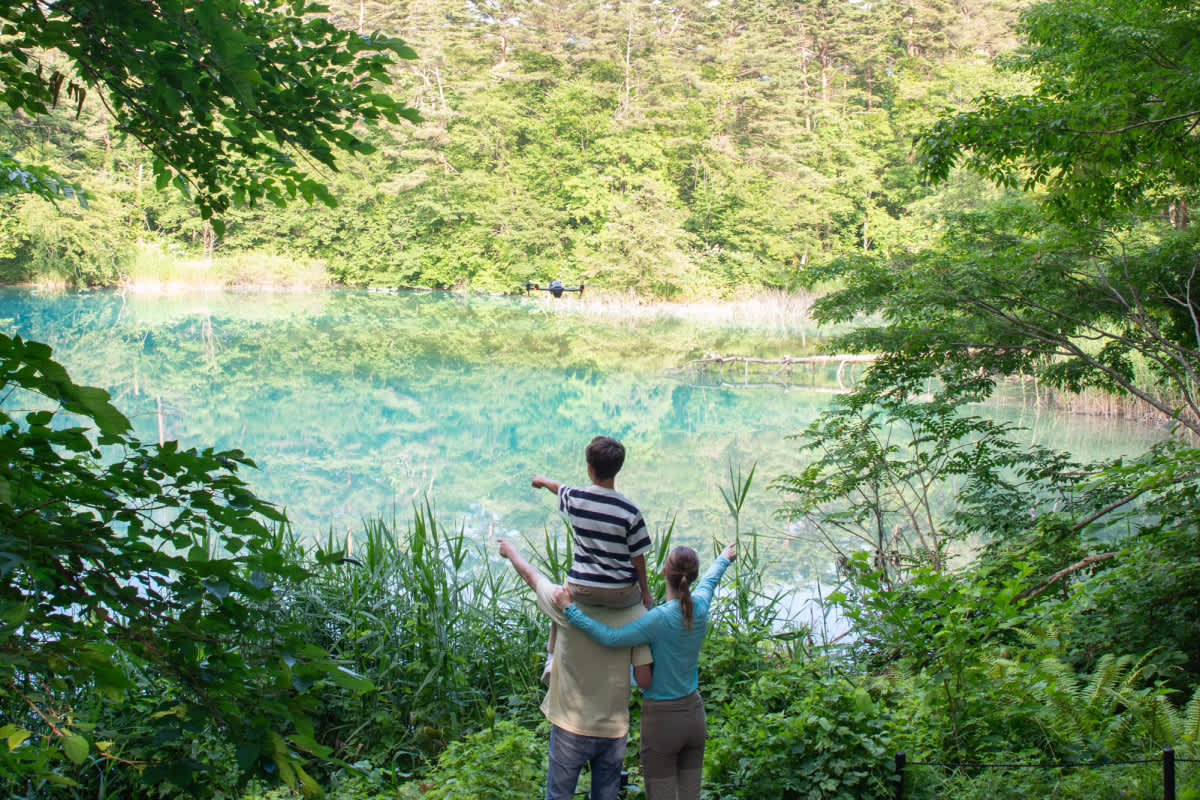
Goshikinuma is the collective name for more than 30 ponds in Fukushima Prefecture. Forming part of Bandai-Asahi National Park, they were created by an eruption of Mt. Bandai. Minerals in the water, the angle of the light, and other factors give each pond its own distinctive hues.
A trail approximately four kilometers long takes about 90 minutes to walk one way and can be walked from either the Bishamonnuma or Yaginuma trailhead. After completing the walk, visitors can return to their starting point by local bus. At Bishamonnuma, the largest of the Goshikinuma ponds, rowboats are available outside the winter season, and visitors can admire the imposing Mt. Bandai beyond the water.
https://www.japan.travel/en/spot/1744/
Aomori
⑩Aomoriya by Hoshino Resorts
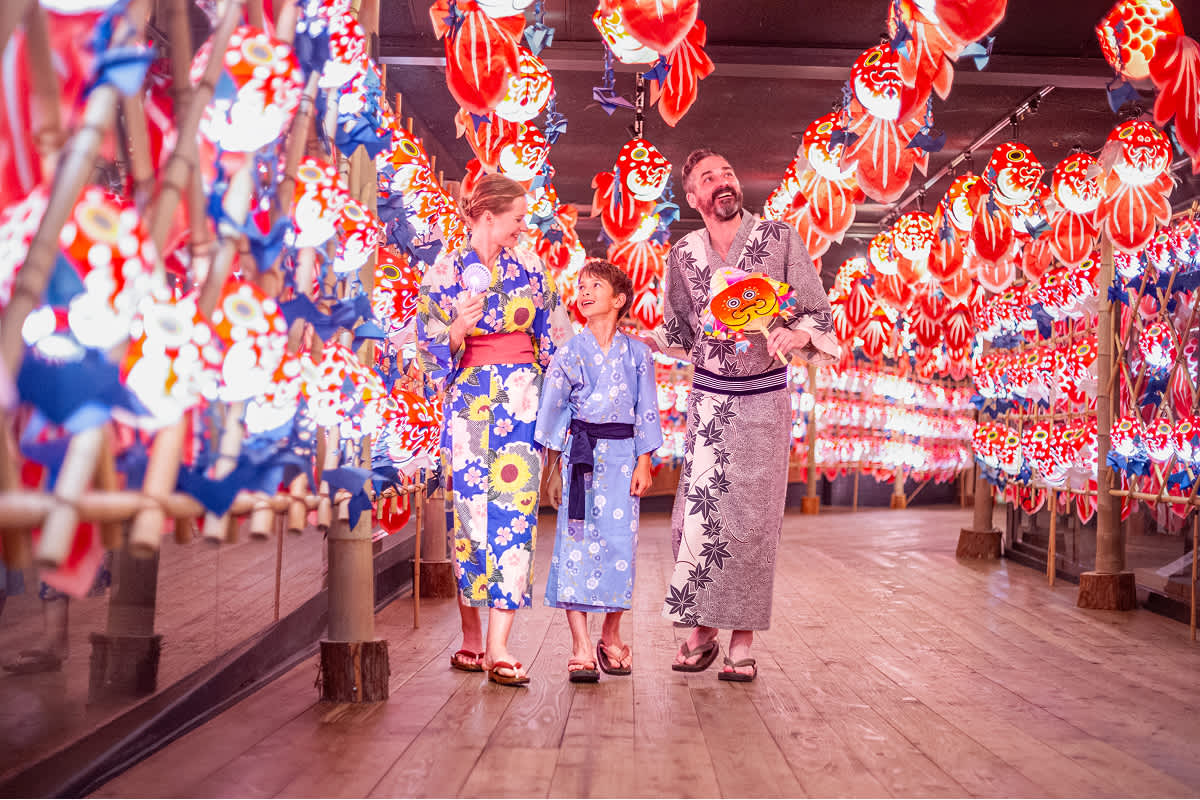
Traditional thatched-roof houses, gardens, and a footbath are scattered across the resort's expansive grounds. Guests can follow the walking paths or ride in a horse-drawn carriage, as though traveling through the traditional rural scenery of Aomori. Inside, an area where the energy of the prefecture's festivals can be felt throughout the year features a daily show that fills the space with excitement reminiscent of the festivals themselves.
At the buffet, regional dishes, fresh seafood, apple desserts, and other flavors of Aomori come together in one place. Guests can also follow the local custom of morning bathing in an indoor bath scented with Aomori hiba cypress or an open-air bath that appears to float on a pond. From lively festivals and tranquil scenery to regional flavors and hot springs, the resort offers so many sides of Aomori that it feels almost like an Aomori theme park.
https://aomori-tourism.com/en/spot/detail_8028.html
Okinawa
⑪The Sea Around Okinawa
Okinawa attracts visitors from Japan and around the world with beaches of clear blue water and white sand. Travelers can enjoy marine activities, relax on the shore, or watch the sunset while listening to the waves.
Kunigami Village, shown in the video, lies at the northern end of Okinawa's main island. The village is rich in nature and covered by the subtropical forest known as Yanbaru. Its forests form part of a UNESCO World Natural Heritage Site and support rare plants and animals, including the Okinawa rail. The village also offers star-filled skies after dark, while tranquil beaches such as Tobaru Beach and Kaganji Beach add to its appeal.
https://www.japan.travel/en/destinations/okinawa/okinawa/
Okinawan Food Culture
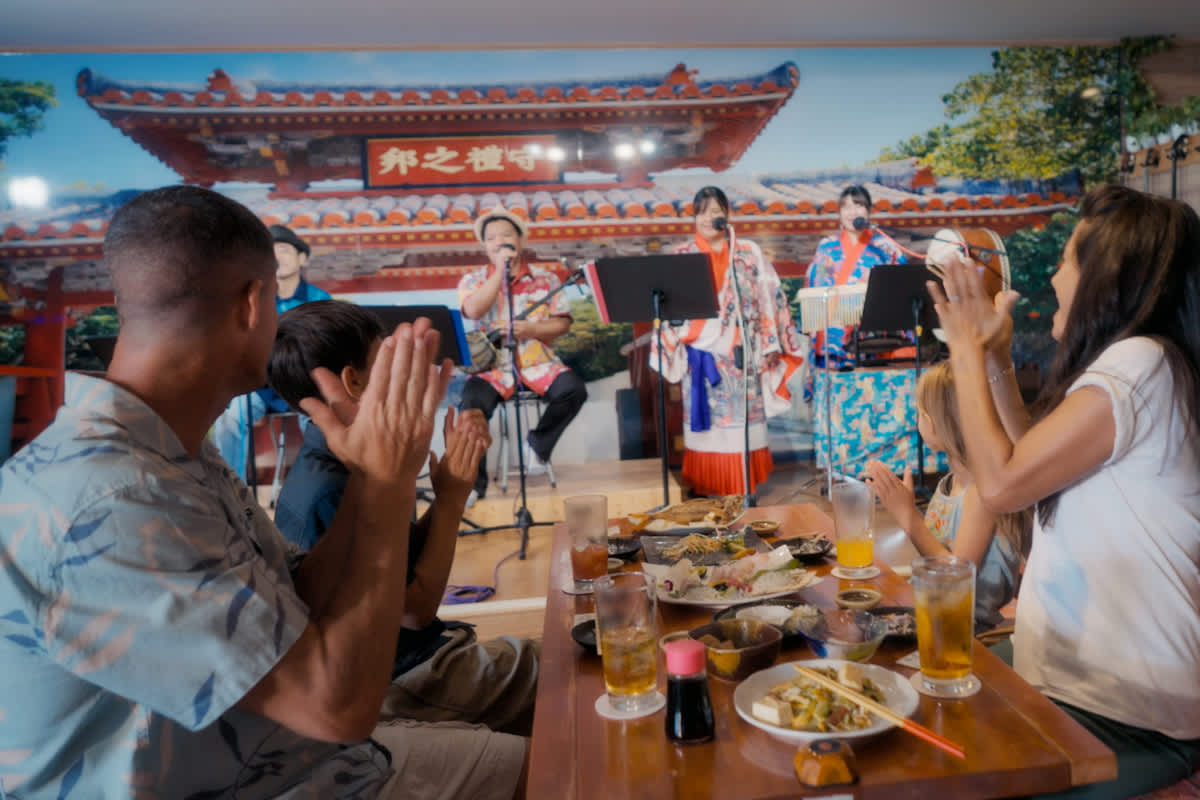
For an evening in Okinawa, consider visiting a minyo izakaya—a traditional izakaya featuring live Okinawan folk music. Guests can enjoy Okinawan cuisine and awamori, Okinawa’s traditional distilled spirit, while listening to music performed on the sanshin, a traditional three-stringed instrument. Okinawa is also widely known for the longevity of its residents, and its traditional diet, which makes use of island ingredients, is often cited as a contributing factor. These restaurants offer visitors an approachable introduction to Okinawan culture.
Ryukyu Dining UMUI, a minyo izakaya in Nago, hosts two live performances each day, with music ranging from Okinawan folk songs to classical pieces. The menu includes traditional Okinawan favorites as well as creative dishes featuring local ingredients.
https://www.japan.travel/en/sports/diving/travel/okinawas-gourmet-specialties/
⑫Okinawa's Outer Islands: Ishigaki Island
Okinawa Prefecture consists of more than 160 islands, including its main island. Ishigaki Island, the gateway to the Yaeyama Islands, is served by direct flights from major cities in Japan as well as cities elsewhere in Asia. This subtropical destination has some of Okinawa's most beautiful beaches and is known for waters where divers may encounter manta rays.
Ishigaki also serves as a base for visiting other popular islands, including Taketomi Island, known for its red-tiled village and water buffalo carts, and Iriomote Island, which forms part of a UNESCO World Natural Heritage Site.
https://www.japan.travel/en/destinations/okinawa/okinawa/ishigaki-island-and-around/
Additional Summer Features
⑬Cycling the Shimanami Kaido

Known as a mecca for cyclists, the Shimanami Kaido is an approximately 70-kilometer scenic cycling route linking Onomichi in Hiroshima Prefecture with Imabari in Ehime Prefecture. Its bridges connect islands across the Seto Inland Sea, creating the exhilarating sensation of riding above the water. Along the way, cyclists pass calm seas, island communities, and citrus groves that capture the character of Setouchi.
A blue line marking the recommended route, directional signs, and rest stops make the course easy to follow. Rental bicycles are available in Onomichi, Imabari, and on the islands, and can be returned at selected terminals along the way. Cyclists can therefore complete the entire route or choose a shorter section suited to their time and fitness level.
https://www.japan.travel/en/sports/cycling/courses/shimanami-kaido-cycling-road/
https://www.japan.travel/en/japans-local-treasures/shimanami-kaido-cycling-tips-2023/
Summer Festivals
Traditional summer festivals take place across Japan, particularly from July through September. Their origins vary: some are connected to Obon observances welcoming ancestral spirits, while others grew from beliefs surrounding protection from illness or disaster. Many participants dress in yukata, lightweight summer kimono, as drums and flutes fill the air and people join in the dancing or sample food from festival stalls.
Across the country, each celebration reflects its region's history and character. Examples include the spirited dancing of Awa Odori and Yosakoi, the Nagaoka Fireworks illuminating the night sky, Akita Kanto Festival with its towering lantern poles, and the enormous illuminated floats of the Aomori Nebuta Festival. These celebrations embody summer in Japan and offer a vivid encounter with local culture and communal energy.
⑭Dazaifu Tenmangu Shrine
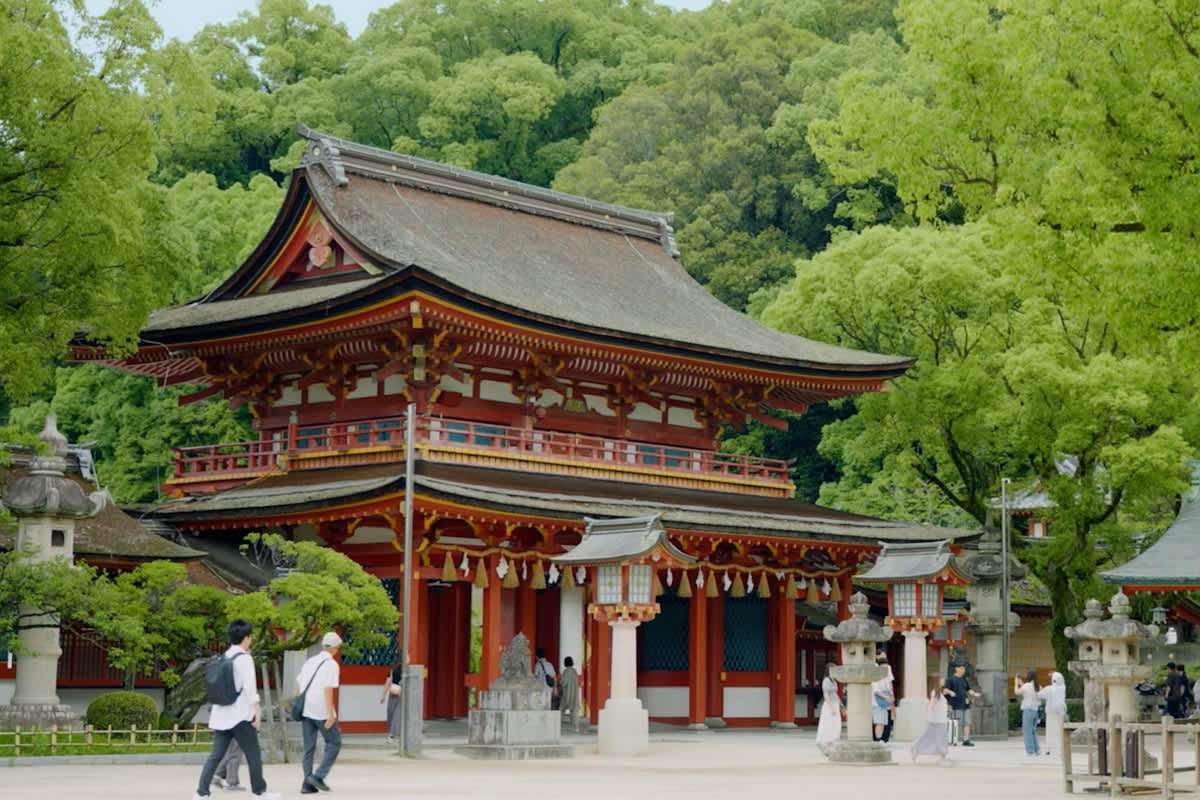
Dazaifu Tenmangu Shrine in Fukuoka Prefecture is the head shrine of approximately 10,000 Tenmangu shrines throughout Japan. It enshrines Sugawara no Michizane, revered as the deity of learning, culture, and the arts. Many visitors come to pray for academic success, and the shrine is also known for the roughly 6,000 plum trees across its grounds and the famous umegae mochi sold along its approach.
In 2026, the shrine completed the first major restoration of its main sanctuary in 124 years. The work included reroofing the structure and restoring its lacquerwork, painted details, and ornamental metal fittings, returning the building to its magnificent appearance. With its long history and legacy of traditional craftsmanship, the shrine is one of Dazaifu’s defining landmarks.