














































Silky, crispy, fresh, or fried—few ingredients are as simple yet satisfying as tofu. While it’s now embraced worldwide as a plant-based staple, tofu in Japan has deep historical roots dating back to ancient Buddhist traditions. Today, it continues to capture the interest of travelers seeking wellness and authentic local flavor—and there’s no better place to experience it than Fukui Prefecture.
Known for its rich tofu culture, this coastal prefecture takes pride in everything from its lavish tofu kaiseki to its comforting atsuage and aburaage, offering a taste of tradition with every bite.
What is the History of Tofu in Japan?

Photo courtesy of Daihonzan Eiheiji
Tofu first made its way to Japan from China during the Nara Period (710–794), brought by Buddhist monks who valued it as both a sacred offering and a nourishing source of plant-based protein. In early Japan, it remained a rare and refined food, enjoyed mainly by monks and aristocrats. Over time, tofu’s appeal spread—first to the samurai class, and eventually to the general public. By the Edo Period (1603–1867), tofu had become a beloved household staple, with dedicated shops and regional styles flourishing across the country. Its versatility, simplicity, and cultural resonance helped cement its place at the heart of Japanese cuisine—where it remains today.
What Types of Tofu Are There in Japan – and How Is It Eaten?
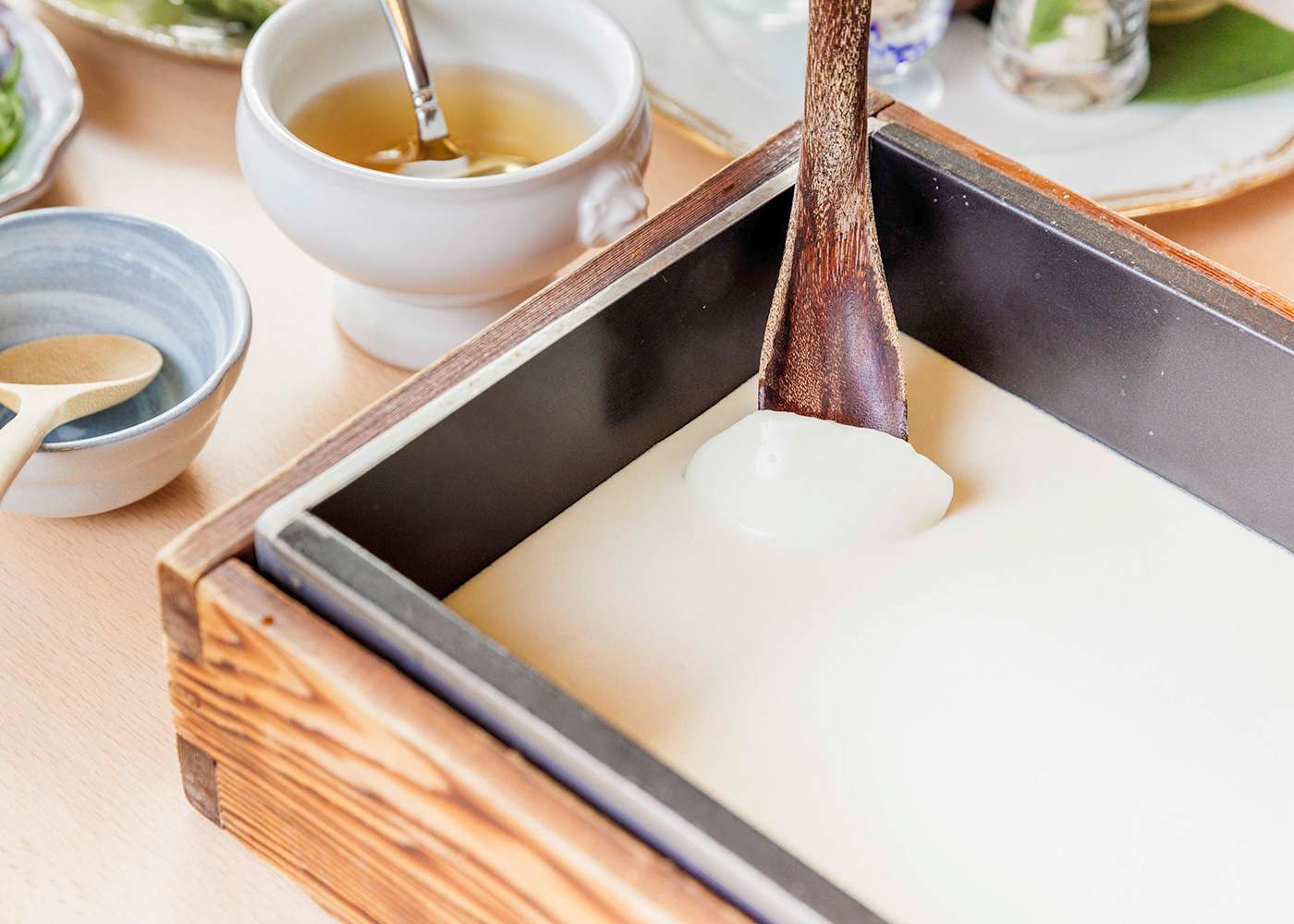
Tofu in Japan comes in many forms, each with its own texture, flavor, and traditional uses.
• Silken tofu (kinugoshi) is soft and custard-like, often served chilled as hiyayakko or added to soups and stews like mabodofu.
• Firm tofu (momen) holds its shape better and is commonly used in simmered dishes.
• Deep-fried varieties, such as aburaage (thin, airy sheets) and atsuage (thicker tofu with a crisp outer layer), feature prominently in dishes like miso soup, kitsune udon, and inarizushi.
• In temple cuisine (shojin ryori), you'll find freeze-dried koyadofu—a sponge-like tofu that soaks up flavor beautifully.
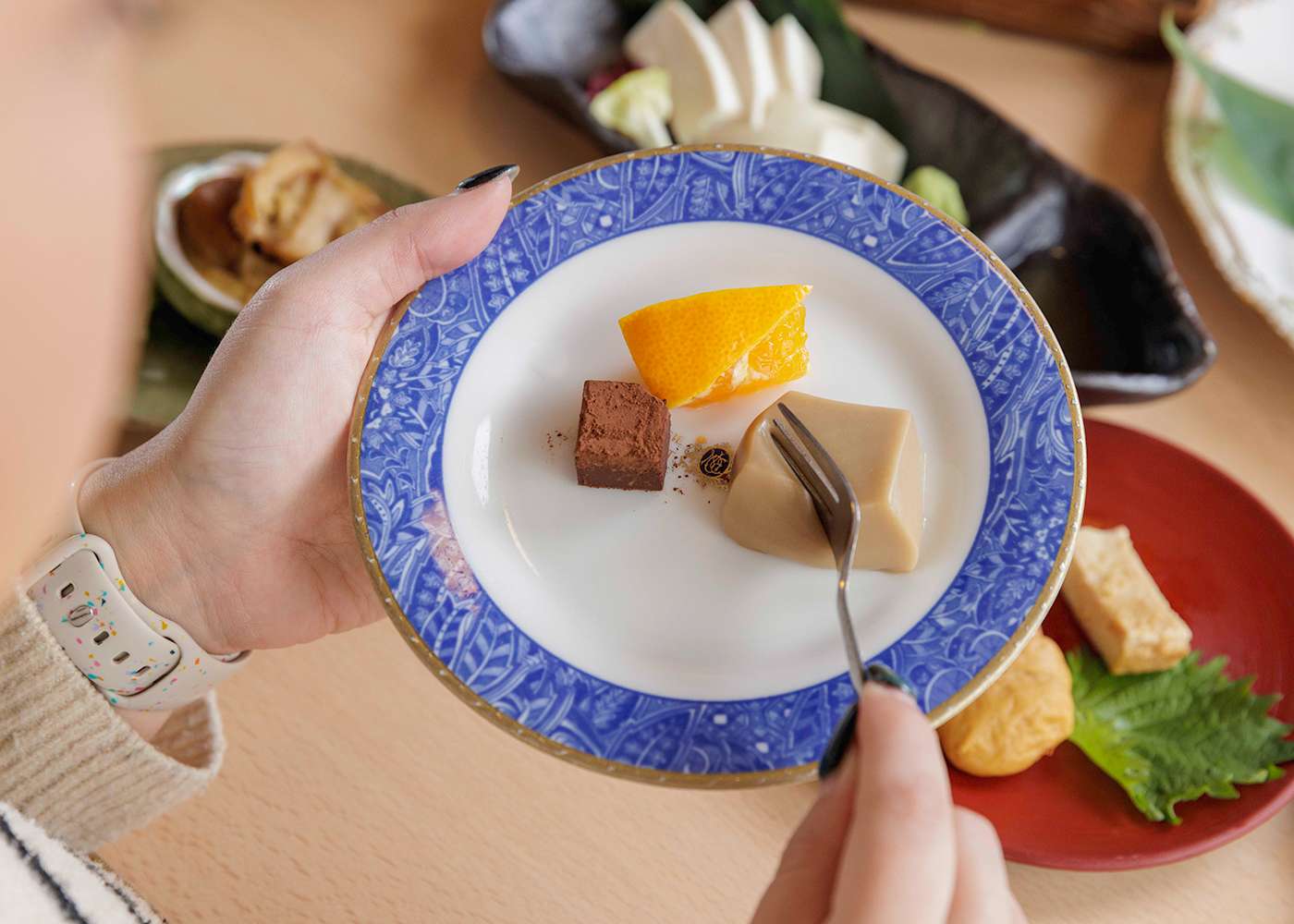
Tofu can even be fermented, whipped into desserts, morphed into plant-based meats or more. With so many types and flavors, the possibilities for enjoying tofu in Japan are truly endless!
Head to Fukui for Tofu Cuisine

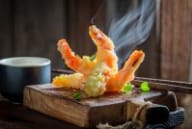
Surrounded by lush nature and centuries-old temples, Fukui Prefecture offers a calm, Zen-like atmosphere—and a deep-rooted culinary tradition centered around tofu. With a strong Buddhist heritage and the crystal-clear waters essential for exceptional taste, it's no surprise that tofu holds a special place here. One of Fukui’s standout specialties is atsuage—a thick, plump style of deep-fried tofu known for its crispy, fragrant crust and soft, chewy center. In this region, tofu is far more than a simple side—it’s grilled like a steak, simmered in dashi broth, or even stuffed like a sandwich. With so many creative and time-honored ways to enjoy it, Fukui is the perfect place to embark on a tasty tofu pilgrimage.
Where to Eat Tofu in Fukui

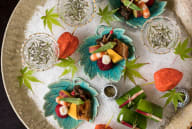
First, head to Eiheiji Temple, an active Soto Zen Buddhist monastery founded in 1244 that helped shape the development of shojin ryori vegetarian cuisine. Monks here have long crafted creative tofu dishes, one of which is goma-dofu, a smooth, subtly sweet tofu made with white or black sesame.
Eiheiji Temple

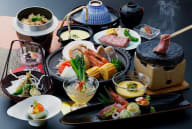
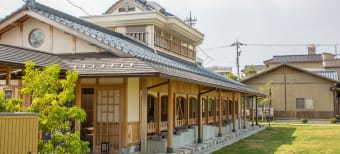
Located just beyond the temple grounds is Hakujukan, a contemporary temple inn. Here, guests can experience Zen Buddhist hospitality through meditation, open-air baths, and tofu-centered meals served in kaiseki banquet style. The cuisine reflects seasonal dishes inspired by shojin ryori that use fresh, local ingredients including tofu. Dining at Hakujukan emphasizes mindful eating and simplicity utilizing foraged ingredients from the surrounding mountains and avoiding waste whenever possible.
Hakujukan
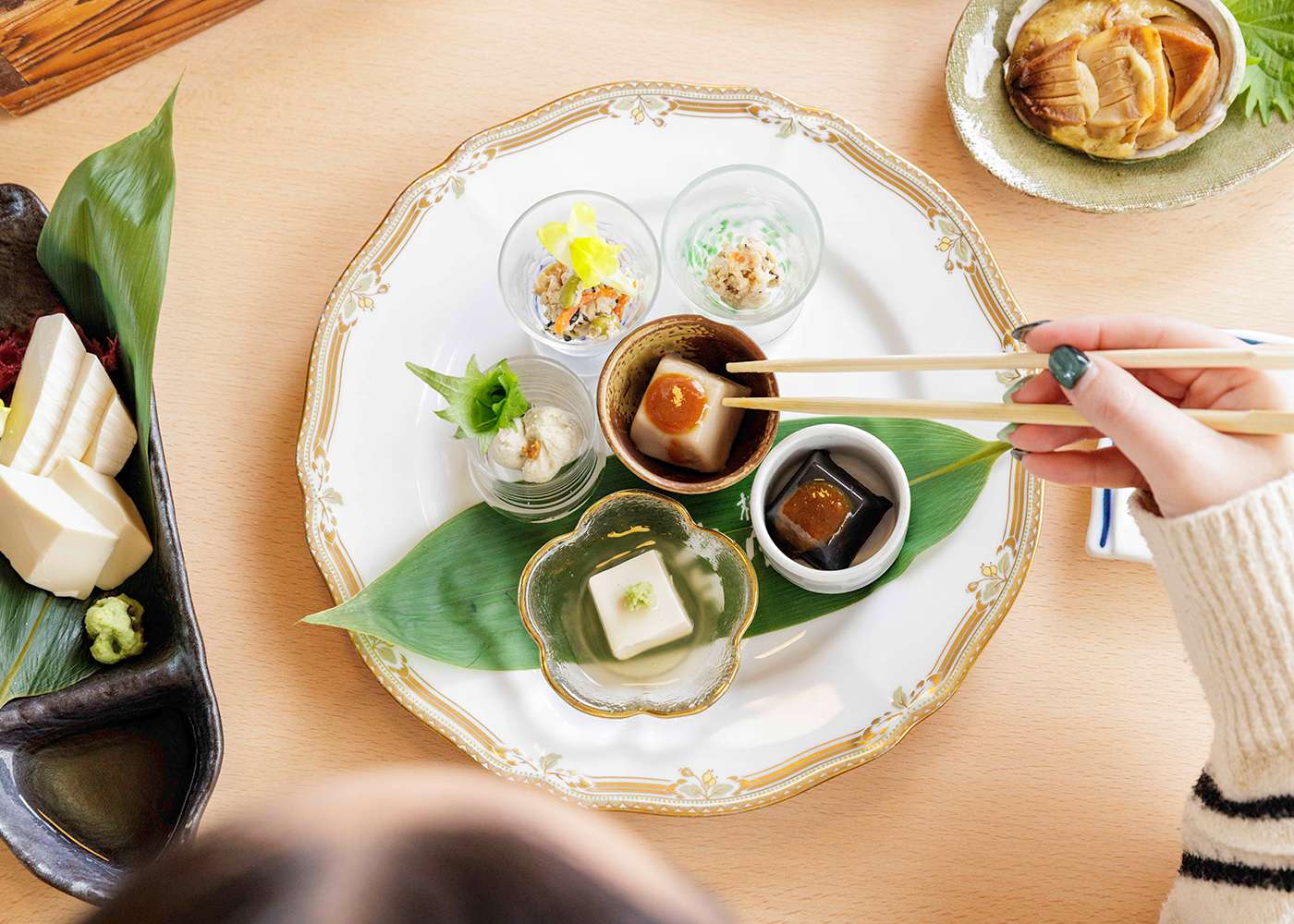
Zen-no-Sato, which is the temple town’s informal name, is also home to Sachiya, an award-winning tofu-specialty restaurant ideal for travelers seeking a tofu-centered feast in Fukui.

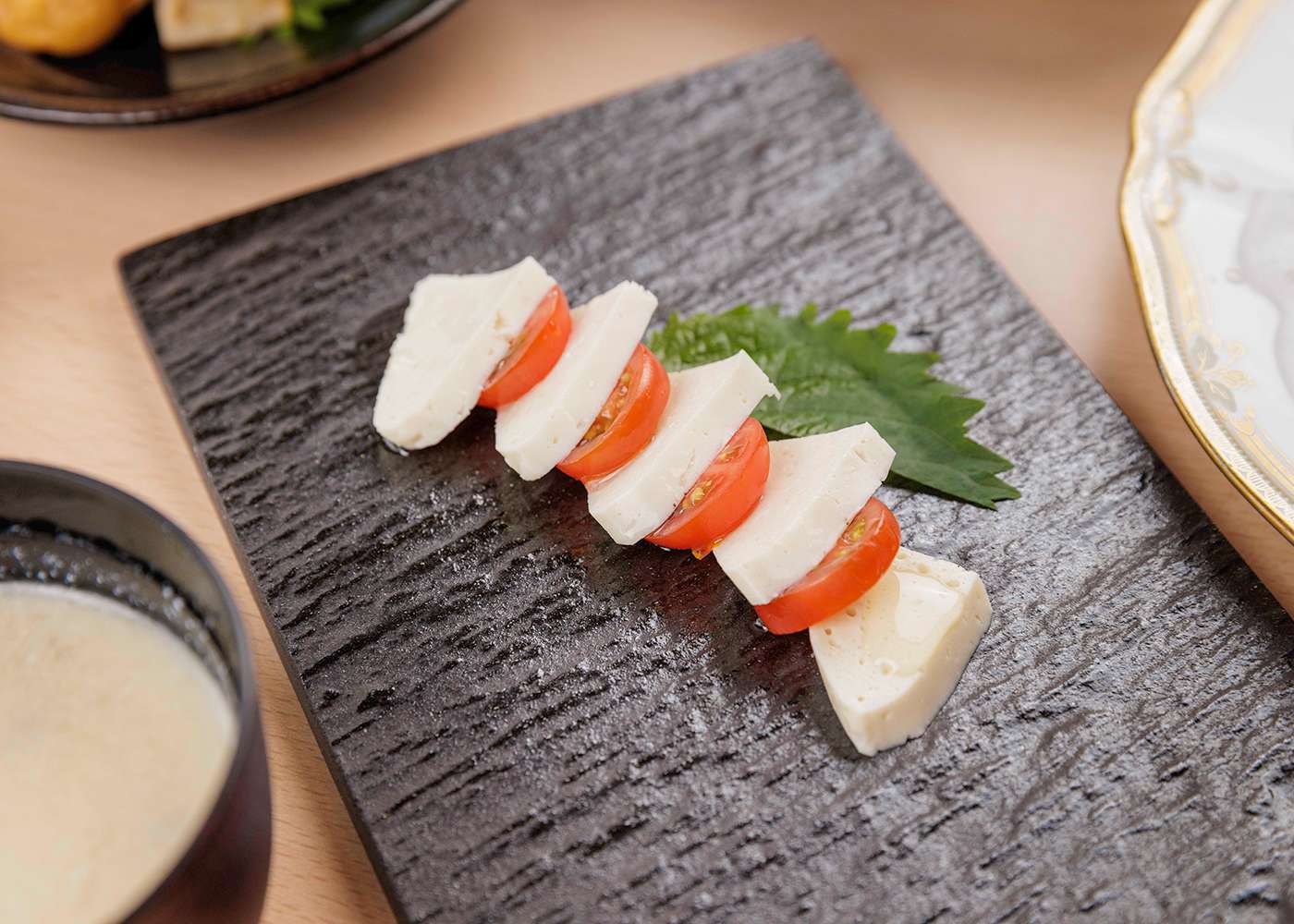
From house-made vegan dashi to soy-based mozzarella available on the menu and for purchase, Sachiya continues to experiment while maintaining a clear focus on tofu. Vegan-friendly dashi is also quite hard to source, making this restaurant a real find.
Sachiya

Tofu has become a familiar ingredient in health-conscious kitchens around the world, but in Fukui, its presence is both historical and evergreen. As you explore Zen-no-Sato, you’ll find tofu reimagined in other fun and creative ways—from atsuage tofu burgers to creamy yuba ice cream. These playful gastronomic expressions show how tofu continues to adapt within modern Japanese food and global cuisine, while remaining faithful to local traditions.
Fukui is a must-visit for travelers drawn to food-focused, spiritual, and sustainable travel in Japan. Exploring Eiheiji Temple, the surrounding Zen-no-Sato, and sampling tofu cuisine shows how Japanese tofu culture is lived in Fukui, not just preserved. You will certainly leave with plenty of ideas for tofu cuisine to replicate once you get home!
Related Links:
Eiheiji Temple
Hakujukan
Zen-no-Sato
Sachiya
Recommended For You


-
About the author
Author : Nina Otsubo Cataldo
Nina Otsubo Cataldo is a travel writer, inbound tourism consultant, and an intercultural communication specialist. Originally from Tokyo, she has explored 35 prefectures and now lives in Myoko, Niigata, while continuing to advocate for travel to up-and-coming destinations.

