

























2025.12 Where Serious Players Go to Level Up: Gaming in Japan Make 2026 the year for your Japanese gaming pilgrimage
Japan is the birthplace of countless gaming giants, and few countries celebrate that legacy as much as it does. For gaming enthusiasts, this means the chance to step into living playgrounds where beloved fictional worlds come alive. From neon-lit arcade districts to immersive theme parks and the world’s biggest gaming expo, Japan is where pixel dreams become reality.
The Origins of a Gaming Nation
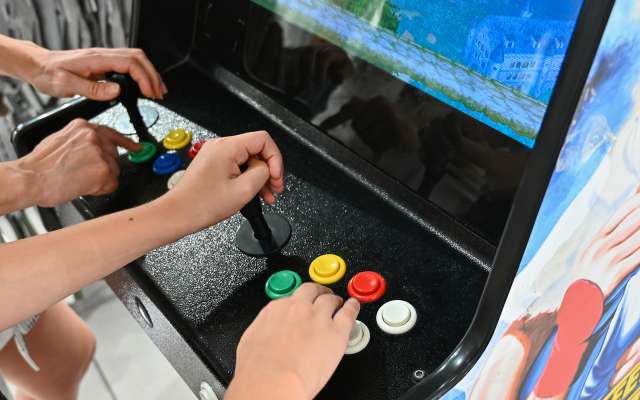
For anyone who grew up with a controller or arcade stick in hand, Japan feels like a sacred ground. It’s home to Nintendo, Sony, Konami, Square Enix, and countless legendary franchises that have reshaped entertainment worldwide—and in the process, became a key part of Japan’s own cultural identity.
The boom began in the ‘70s and ‘80s when Japanese arcades and home consoles captured imaginations across the globe. Fueled by groundbreaking hardware and creative vision, Japan’s gaming culture grew rapidly and drew millions of fans into its orbit. Today, that legacy has leapt off the screen and into the real world, with themed streets, shops, and events where gamers can experience their passions in some of the most immersive ways imaginable.
Akihabara: The Beating Heart of Gamer Culture
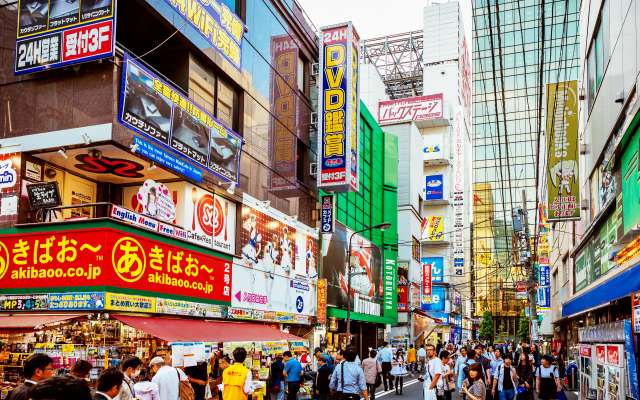
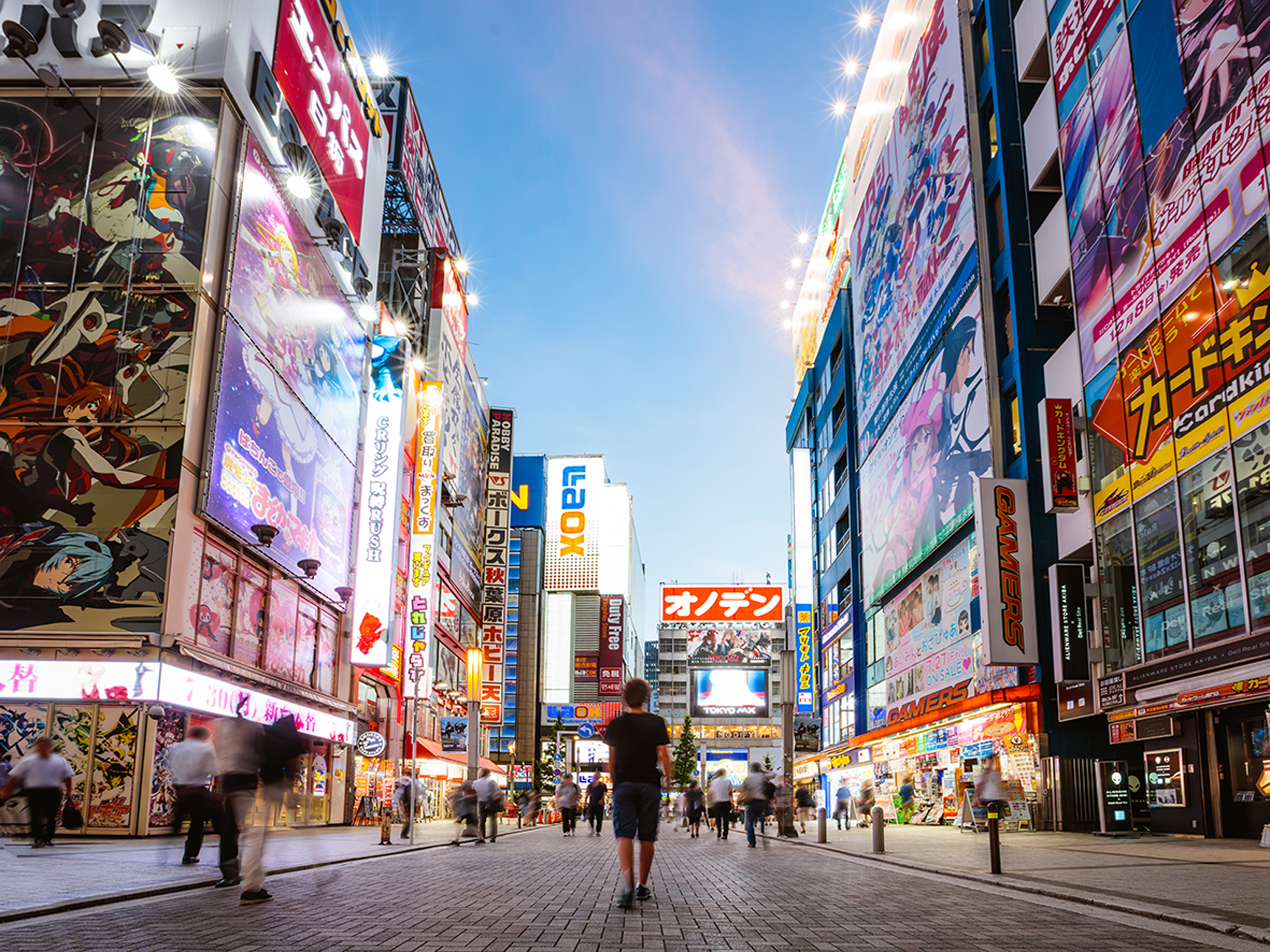
Akihabara, nicknamed “Akiba,” is Tokyo’s undisputed hub for gaming and geek culture. Once known for consumer electronics, today its modern alleys and mega-stores have become a playground for gamers and fans of Japanese otaku culture. Step into cutting-edge arcades offering everything from rhythm games and claw machines to collectable card game machines, and more.
But Akiba hasn’t forsaken the past. It is also a retro gaming paradise, with specialist stores packed with vintage consoles, cartridges, and accessories, plus several arcades brimming with classics from the 1990s and early 2000s. For locals and international visitors alike, it’s the ultimate nostalgic trip down gaming’s memory lane.
Whether you’re browsing collectible figures, hunting for retro cartridges, or enjoying an exciting adventure in a pixelated world of imagination, Akihabara delivers the full spectrum of gaming culture. It’s a neighborhood where nostalgia and cutting-edge tech collide, creating an experience that you won’t forget.
Access: About 5 minutes by the JR Yamanote Line Inner Loop from Tokyo Station to Akihabara Station.
Akihabara Station
Step Inside Mario’s Kingdom
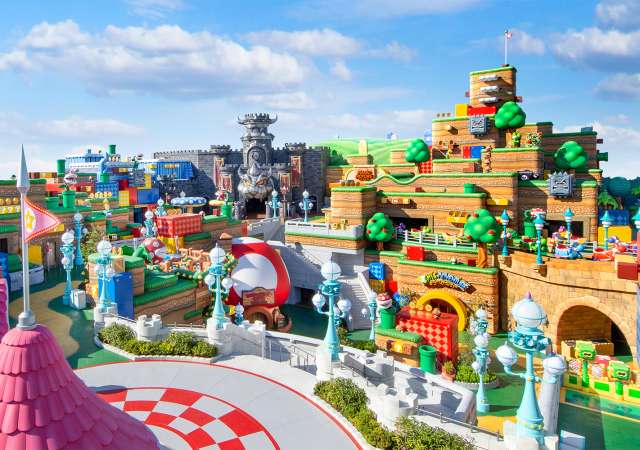
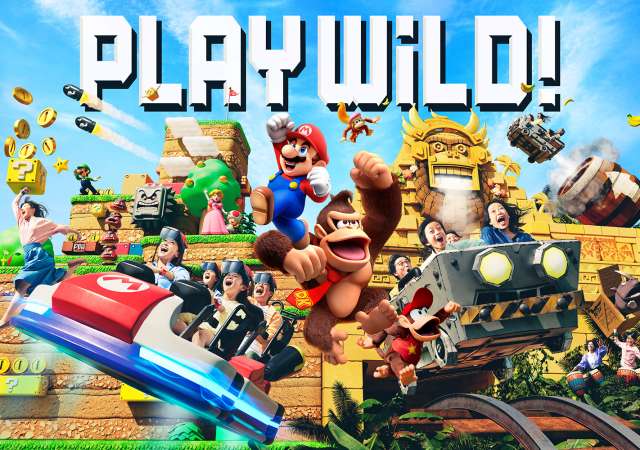
At Osaka’s Universal Studios Japan, Super Nintendo World brings the Mario universe to life. With a Power-Up Band, you can punch blocks, collect keys, and unlock a showdown with the final boss. Race through Bowser’s Castle in a Mario Kart adventure or explore the newly opened Donkey Kong Country. Every corner of the park brims with detail, thrilling everyone from lifelong gamers to the youngest fans.
Images courtesy of Universal Studios Japan
© Nintendo
TM & © Universal Studios. All rights reserved.
The attractions are fully interactive—you might find yourself leaping into a mine cart with Donkey Kong one moment or completing quests the next. From retro-nods to cutting-edge attractions, plus food, shopping, and themed photo spots, it’s a destination that captures the magic of gaming in real life.
Access: About 15 minutes by the JR Osaka Loop Line and the JR Sakurajima Line from Osaka Station to Universal City Station.
Universal Studios Japan
Denden Town: Osaka’s Electric Wonderland
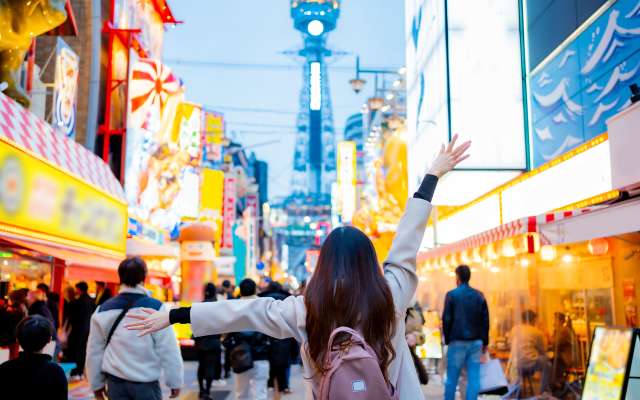
Denden Town is located near Shinsekai, the nostalgic capital of Osaka.
If Akihabara is Tokyo’s gaming hub, then Denden Town is its Osaka counterpart. This district is brimming with retro game shops, hobby stores, and multi-floor electronics retailers. Collectors can spend hours here hunting for their Holy Grail—whether that’s a vintage cartridge, a classic console, or a rare limited-edition figure.
The vibe is a little less hectic than Akihabara, but no less packed with gems. Denden Town is perfect for hardcore gamers who want to dive deep into their hobby for an entire day, while still welcoming casual visitors who just enjoy browsing quirky shops and soaking up the atmosphere. It’s a hotspot where you can shop, play, grab a bite to eat, and even connect with local gamer communities.
Access: About 15 minutes by the Osaka Metro Midosuji Line and the Osaka Metro Sennichimae Line from Umeda Station to Nippombashi Station.
Denden Town
Japan’s Expanding Game Map
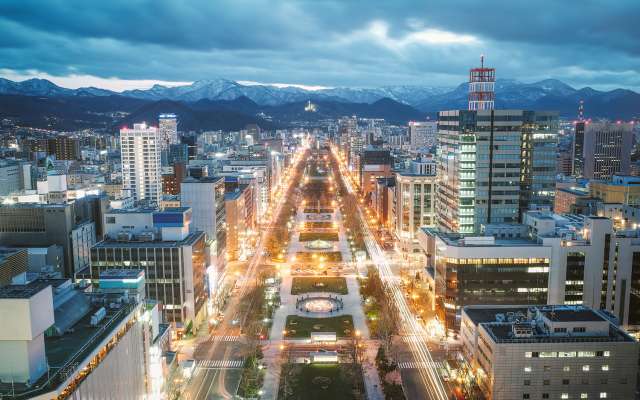
The cool new hotspot: Sapporo shaping up to be Japan’s next game-changer.
Japan’s gaming industry isn’t confined to Tokyo or Osaka. Lately, it’s started expanding northward. In Sapporo, the capital of Hokkaido, Sega Sapporo Studio is proving that creative hubs can exist outside Japan’s traditional technology centers. Established in 2021, the studio joins the likes of 8ing and h.a.n.d. (Hokkaido Artist’s Network and Development), highlighting Sapporo’s growing importance as a serious player in Japan’s gaming industry, supported by strong local talent and government backing.
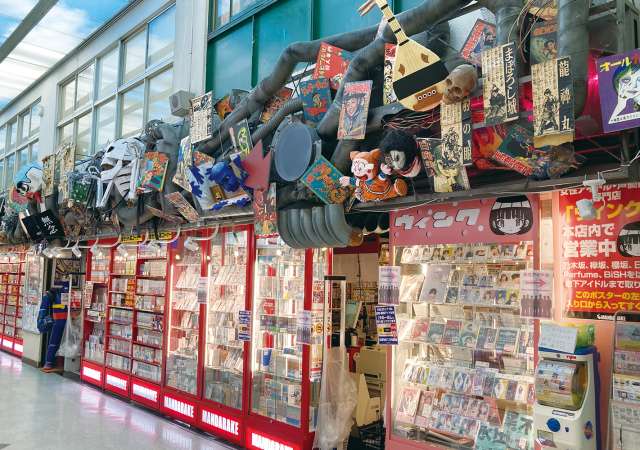
Mandarake in Nakano Broadway is a maze of anime, manga, and vintage game treasures.
Complementing this northern expansion is Mandarake, a renowned retailer of anime and manga, as well as a retro treasure trove packed with rare consoles and elusive cartridges. What began in Tokyo’s Nakano Broadway has now spread nationwide, with stores in Sapporo, Fukuoka Prefecture, Aichi Prefecture, Tochigi Prefecture, and beyond. Each location serves as a cultural beacon for passionate collectors and gamers.
You can visit the original Mandarake store in Tokyo‘s Nakano Broadway shopping complex, Mandarake is a sprawling labyrinth of stores devoted to anime, manga, and games. Its retro gaming sections are treasure troves packed with rare consoles and elusive cartridges. There are also numerous other gaming and gaming-related stores in Nakano Broadway, such Lashinbang, Game Station, and countless smaller shops making it a must-visit for any fan.
Access: About 20 minutes by the JR Chuo Line from Tokyo Station to Nakano Station. It’s a 5-minute walk from there.
Nakano Broadway
Tokyo Game Show: The Ultimate Stage for Players and Creators
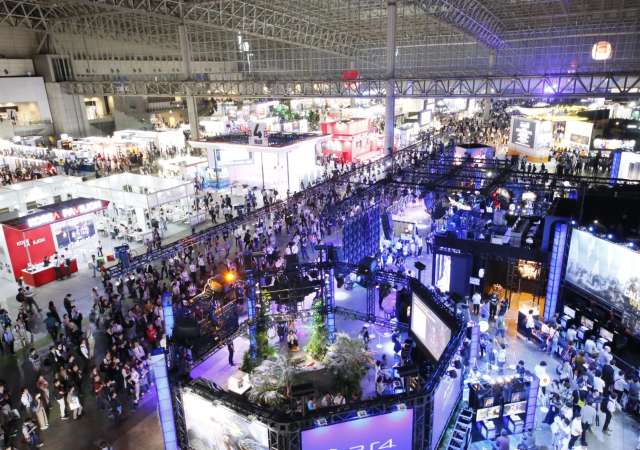
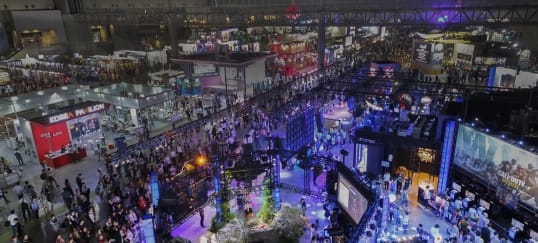
Tokyo Game Show has both business and public days so everyone can get involved!
Held every September at Makuhari Messe in Chiba Prefecture, the Tokyo Game Show (TGS) is one of the world’s largest gaming events. For four days, the convention hall transforms into a showcase of the latest in gaming technologies, upcoming releases, and spectacular cosplay events.
The first two days are for industry professionals, while the weekend dates are open to the public, attracting fans from around the globe. Queues form early as attendees rush to test unreleased titles or peripherals. For many, TGS is the ultimate chance to connect directly with creators, developers, and fellow gamers in a carnival-like atmosphere unlike any other.
Access: About 30 minutes by the Keiyo Line from Tokyo Station to Kaihin-Makuhari Station. Then a 5-minute walk from there.
Japan is Every Gamer’s Endgame
From Akihabara’s neon maze to Osaka’s interactive Super Nintendo World, Japan offers experiences that go far beyond sitting in front of a screen. It’s a country where retro classics, modern innovations, and global gaming culture intersect. For hardcore gamers, these spots are more than attractions, they’re pilgrimage destinations.
Not matter your level of fandom, Japan ensures every player finds their adventure, bringing the worlds of gaming and collecting vividly to life in ways you won’t find anywhere else.
Related Links
Super Nintendo World |
Mandarake Stores |
Tokyo Game Show |