

































Sydney, Australia – 28 April, 2026 - In an increasingly fast paced and noisy world, Japan’s Shikoku Ohenro Pilgrimage may be the escape travellers are looking for to recharge and reset.
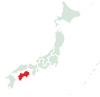
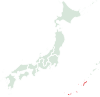
Around 150,000 people undertake Japan’s Shikoku Ohenro Pilgrimage each year with international walkers forming a rapidly growing share. Connecting 88 Buddhist temples around the island of Shikoku in Japan, this circular 1,400km route is known for its spiritual purpose, long-distance walking and centuries-old traditions. While the walk can take 30-60 days on foot, many choose to break it down in stages over several years or combine walking with modern transportation. Pilgrims (referred to as Ohenro-san) often stand out, wearing white robes, a conical sedge hat and carrying a wooden staff.
Today visitors hike the trails for wellness, nature, digital detox and cultural immersion, offsetting the stress that builds up over time from daily life. A recent Mastercard Trends Report  highlighted that travel is increasingly seen as a way to reset mental wellbeing, rather than simply escape.
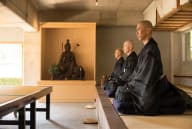
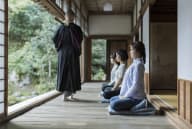
The Shikoku Ohenro Pilgrimage is one such way to work on a healthy state of mind by connecting with nature, using the time to reflect and engage in Buddhist practice such as meditation at the temples along the way. Pilgrims follow a centuries-old sequence of rituals focused on gratitude and reflection. They include ritual purification of the body and mind, ringing temple bells, lighting candles and incense, prayer, and receiving a stamp in their nokyocho, which is a spiritual record of the entire journey.
Wellness tourism forecast by the Global Wellness Institute1 is set to approach $1.4 trillion by 2027 as travellers are increasingly prioritising journeys that support rest, renewal and personal wellbeing. The Research Center for the Shikoku Henro and Pilgrimages of the World reports that the number of walking pilgrims and foreign visitors has returned to pre-pandemic levels. It added that international pilgrims have become a growing share of participants.
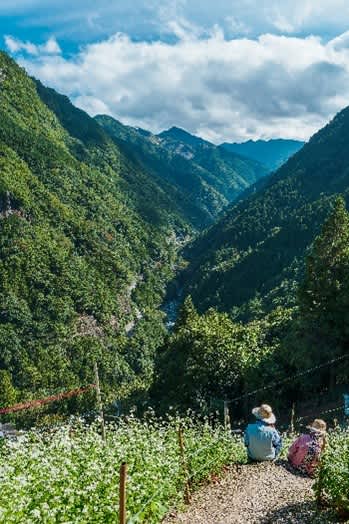
One of the most moving elements of the trip is the strong connection to nature as the walk passes through extraordinarily beautiful mountains, forests, coastal roads and rural villages providing many opportunities for quiet reflection.
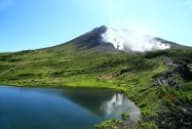
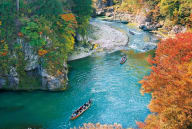
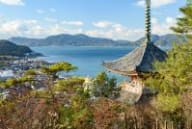
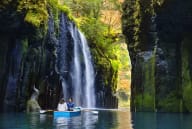
Highlights include the Iya Valley (Tokushima Prefecture), famed for its steep forested gorges and the Kazurabashi Bridge, a traditional suspension bridge woven from mountain vines, or the Shimanto River, famous for its pristine waters and tranquil rural scenery. For those looking for a spiritual climb, don’t miss Mt Ishizuchi, the highest mountain in western Japan and one of the country’s most sacred peaks, with climbers using chains fixed to the rock face to reach the summit for views across the Seto Inland Sea.
Sydney Office, Japan National Tourism Organization (JNTO) Executive Director, Naoki Kitazawa said motivations for pilgrimages differ, but the journey can leave all travellers transformed.
“People’s motives for making this pilgrimage vary, some come for spiritual reasons to pray for healing or in memory of those who have passed away, while others choose this journey for self-reflection or to find oneself. Whatever the reason, this healing journey will leave you a changed person.”
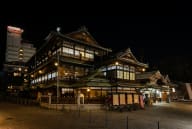
After a full day’s hike, onsen is the perfect way to rest a weary body. Many of the accommodation options have access to natural hot springs for this restorative experience, from traditional inns, temple lodgings and guesthouses.
Regardless of the approach, it is the immersive journey through Japan’s natural beauty landscapes that leaves visitors feeling mentally and physically restored and changed for the better.
For more information go to www.japan.travel/en/au/
-Ends-
For additional information, please contact: jnto@gtitourism.com.au
About JNTO
Japan National Tourism Organization (JNTO) is a government body whose aim is to promote Japan internationally as both a leisure and business travel destination through the themes of Adventure Travel, Sustainable Tourism, and Luxury Travel. JNTO has 26 international offices and is the ultimate resource for travel-related information on Japan.
Sydney Office, Japan National Tourism Organization (JNTO) services Australia, New Zealand, and the Pacific region.
Footnote
