































Kumano Kodo Kii Peninsula
Sydney, Australia: 10 March: As visitor numbers to Japan continue to rise, many Australians are seeking new ways to experience the country, one that goes beyond the neon and into nature, favouring community and conservation over crowds, and connecting travellers with Japan’s deep-rooted respect for the land, craftsmanship and culture.
Sustainability in Japan is not a trend, it is a philosophy woven into everyday life. From centuries-old pilgrimage trails and traditional farming landscapes to community-led craft revival projects and zero-waste towns, Japan offers immersive, low-impact experiences that encourage travellers to tread lightly while travelling meaningfully.
“Sustainability has long been embedded in Japanese culture through the concepts of mottainai - avoiding waste - and satoyama, the harmonious coexistence between people and nature,” said Naoki Kitazawa, Executive Director, Sydney Office, Japan National Tourism Organization (JNTO). “As international visitation increases, it’s more important than ever to encourage travellers to extend their exploration to support local communities and experience authentic Japan in ways that protect its natural and cultural heritage for future generations.”
Here are some of Japan’s most inspiring sustainable destinations and experiences, which are bound to reward curiosity and responsible travel.
Kamikatsu, Tokushima Prefecture (Shikoku)
Tucked into the mountains of Shikoku, Kamikatsu has hit the headlines as Japan’s first declared zero-waste town. Here, residents sort waste into dozens of categories, compost food scraps and actively reduce consumption. Visitors can stay at the innovative Hotel Why, built largely from reclaimed materials, and join eco-tours that explain the town’s circular approach to living. Beyond its environmental credentials, Kamikatsu offers an authentic slice of rural Japan - think forest walks, local produce and warm community hospitality. It’s a powerful reminder that sustainability starts at a grassroots level.
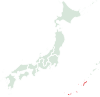
Yanbaru National Park, Okinawa Prefecture – zero-waste immersion in nature
For a completely different zero-waste experience, travellers can stay at the Treeful Treehouse Sustainable Resort  located in the lush Yanbaru National Park in northern Okinawa Prefecture. Solar-powered and completely immersed in nature, accommodation is in a choice of treehouses and aerohouses, all above ground so as not to interfere with ground habitats and wildlife. No fossil fuels are used, grass is cut by Donna, the resident goat and everything is designed to coexist with nature.
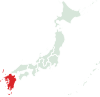
Yakushima, Kagoshima Prefecture - ancient forests & slow trekking
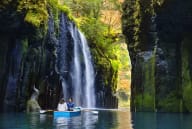
A UNESCO World Heritage-listed island south of Kyushu, Yakushima is famed for its primeval cedar forests, with some trees estimated to be over 1,000 years old. Mist drapes the moss-covered landscape, creating an otherworldly trekking experience, with visitor impact carefully managed through strict conservation controls and guided hiking. Travellers can explore waterfalls, coastal trails and wildlife habitats while supporting local eco-guides and small guesthouses. It’s slow travel at its finest: immersive, mindful and deeply restorative.
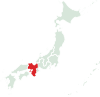
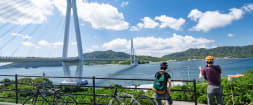
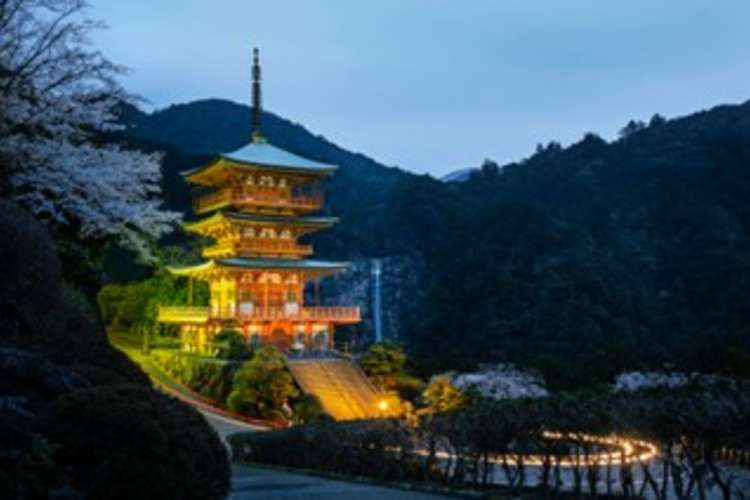
Kumano Kodo, Kii Peninsula (Wakayama & Nara Prefectures) – pilgrimage meets purpose
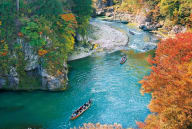
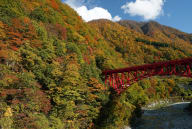
The UNESCO-listed Kumano Kodo pilgrimage routes wind through the forested mountains and sacred shrines of the Kii Peninsula on paths trodden by pilgrims seeking spiritual renewal for more than a thousand years. Today, Australians can embrace the slow tourism trend and support rural communities preserving ancient traditions on multi-day hikes walking village to village, staying in rustic family-run minshuku guesthouses and enjoying home-style, local cuisine.
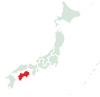
Ozu, Ehime Prefecture – heritage preservation as a pathway to sustainable tourism
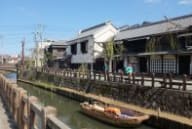
In the historic castle town of Ozu in Ehime Prefecture, residents chose restoration over redevelopment when dealing with the problems of population decline and vacant heritage home, transforming traditional merchant houses into cafés, shops and accommodation through the distributed NIPPONIA Hotel Ozu Castle Town. The town’s centrepiece, Ozu Castle, now offers the rare chance to stay overnight in its reconstructed wooden tower, turning preservation into an immersive visitor experience. With a portion of tourism revenue reinvested into conservation, and international recognition through the Green Destinations awards, Ozu stands as a leading example of how heritage and tourism can work hand in hand to revitalise regional Japan.
Toyooka & Kinosaki Onsen, Hyogo Prefecture - conservation in action
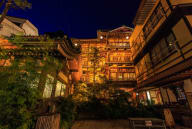
Best known for its charming Kinosaki Onsen hot spring town where travellers can experience the town’s 1300-year-old therapeutic bathing culture and stay in a locally owned-and-operated ryokan, Toyooka is also a global leader in wildlife restoration. Visitors can visit the landmark Hyogo Park of the Oriental White Stork conservation facility, which is dedicated to the protection, breeding and reintroduction of konotori – a majestic bird with a two-metre wingspan that once disappeared from the wild in Japan altogether.
Green X Expo 2027
Set to bloom in Yokohama, Green X Expo 2027 , also known as the International Horticultural Expo 2027, invites visitors to explore sustainable living through the beauty of flowers, greenery and innovative landscape design. Under the theme “Scenery of the Future for Happiness,” the Expo will blend spectacular garden displays with forward-thinking ideas around green cities, regional revitalisation and harmony with nature in a powerful message of sustainability and peace.
- Ends -
For additional information, please contact: mediaau@jnto.go.jp
