







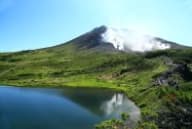












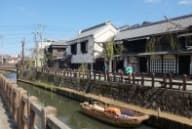





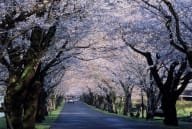





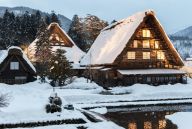



Across Japan, diverse landscapes have influenced distinctive food cultures and ways of life. Abashiri, in eastern Hokkaido in northern Japan, is surrounded by the Sea of Okhotsk, lakes and rivers, and broad farmland where wheat and vegetables grow in the cool climate. Visitors can taste seafood and dishes made with locally grown ingredients, experiencing the region’s connections to its waters and farmland.
Far to the southwest, Nishi-Awa lies in the mountains of western Tokushima Prefecture in the Shikoku region, where communities have cultivated steep slopes for more than 400 years. Travelers can walk beside these hillside fields and experience local cuisine and everyday life through a farm stay.
A closer look at each region reveals how these distinctive landscapes continue to influence local food and everyday life.
In This Article
- Abashiri: Following the Water
- From the Fields to the Oven
- Nishi-Awa: Farming on the Mountain Slopes
- Stay and Experience Everyday Life in Nishi-Awa
- Different Landscapes, Different Food Cultures
Abashiri: Following the Water
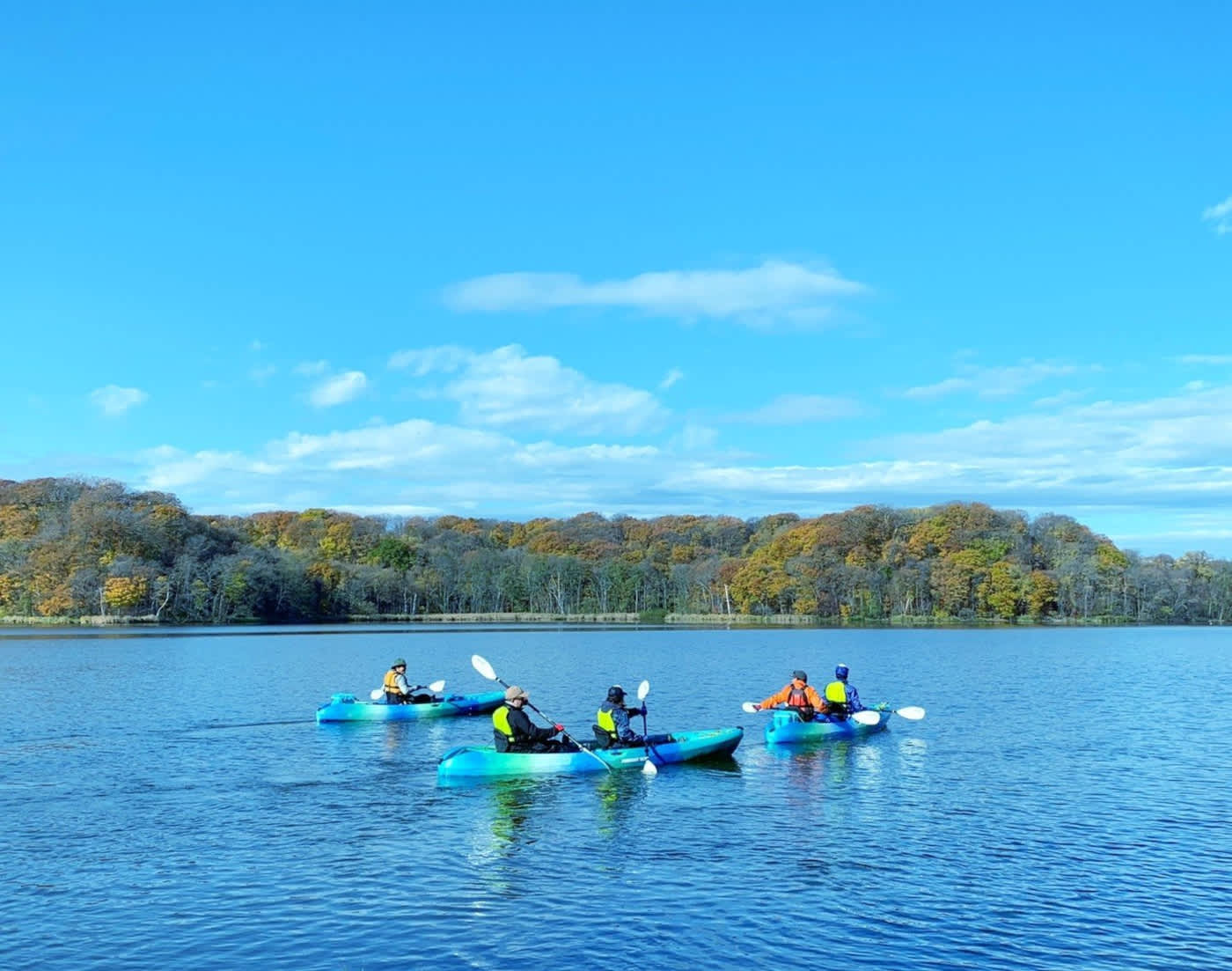
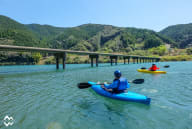
Photo Credit: Connectrip
To understand Abashiri’s food culture, begin with its waters. The Sea of Okhotsk supports fisheries for scallops, crab, and other seafood, while Lake Abashiri is known for small freshwater clams called shijimi.
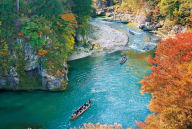
Kayaking offers another way to experience Abashiri’s waters and the surrounding vegetation. Some tours cross the lake, while others follow the river. From around September to October, depending on timing and natural conditions, paddlers on the river may see salmon swimming upstream. Although sightings cannot be guaranteed, river tours may offer a chance to observe this stage of the salmon life cycle.
Winter brings another change as drift ice reaches the coast. Drift ice contributes to nutrient cycling and plankton growth in the Sea of Okhotsk, helping sustain the marine ecosystem that supports the region’s fisheries.
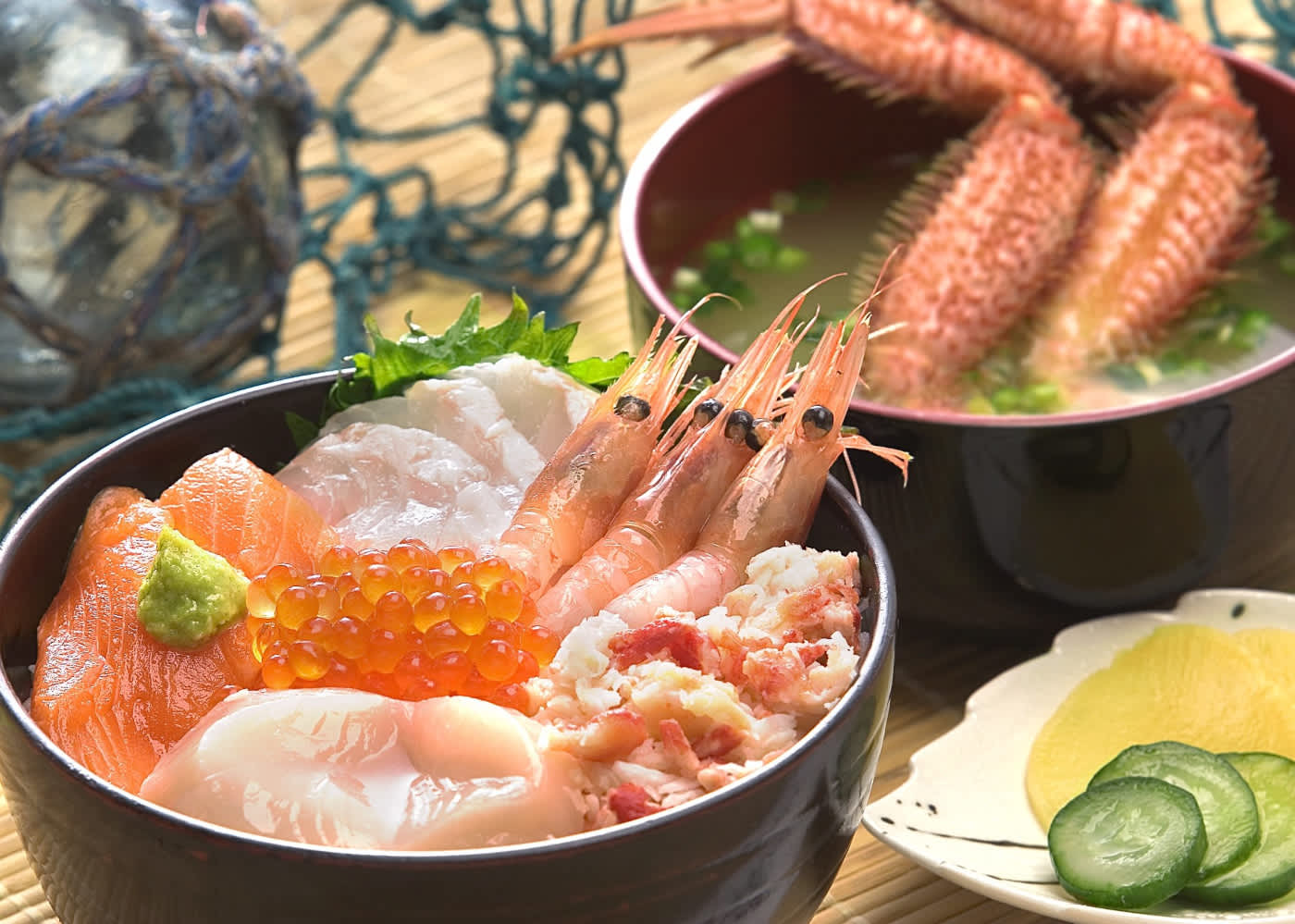
The role of Abashiri’s waters in its food culture becomes clearer at the table. Visitors can enjoy salmon in sushi and regional dishes or sample several kinds of seafood in a seafood bowl. After exploring the lake, river, or coast, eating locally sourced seafood provides another way to experience the relationship between Abashiri’s waters and its local cuisine.
From the Fields to the Oven
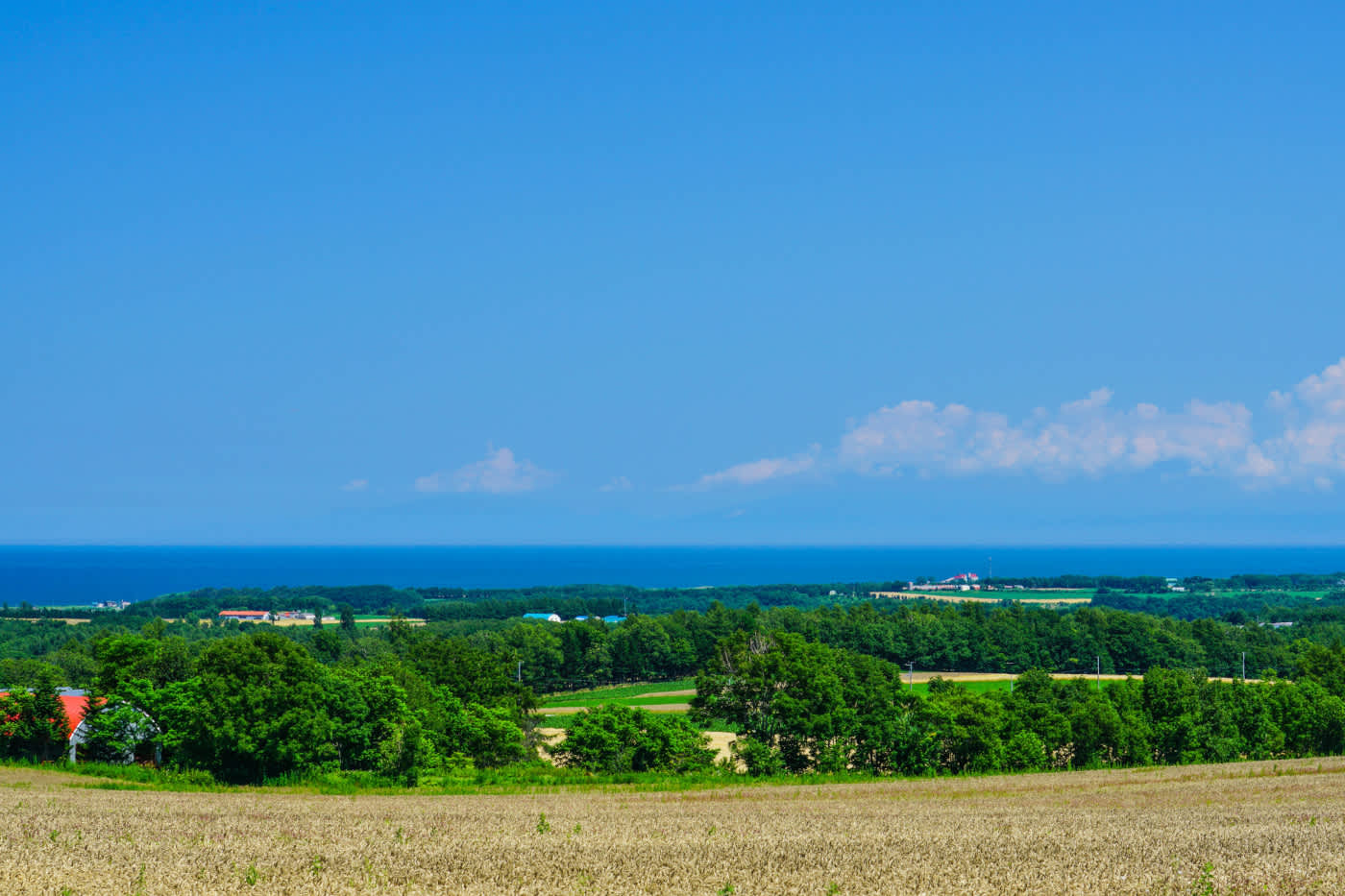
Move inland, and another side of Abashiri’s food production comes into view. Broad fields spread across the countryside, where farmers grow wheat and vegetables.
Kando-no-Michi, a scenic route through Abashiri’s countryside, offers another way to see this agricultural landscape. Fields stretch toward distant mountains, with the Sea of Okhotsk and, in clear conditions, the Shiretoko Mountain Range visible beyond them.
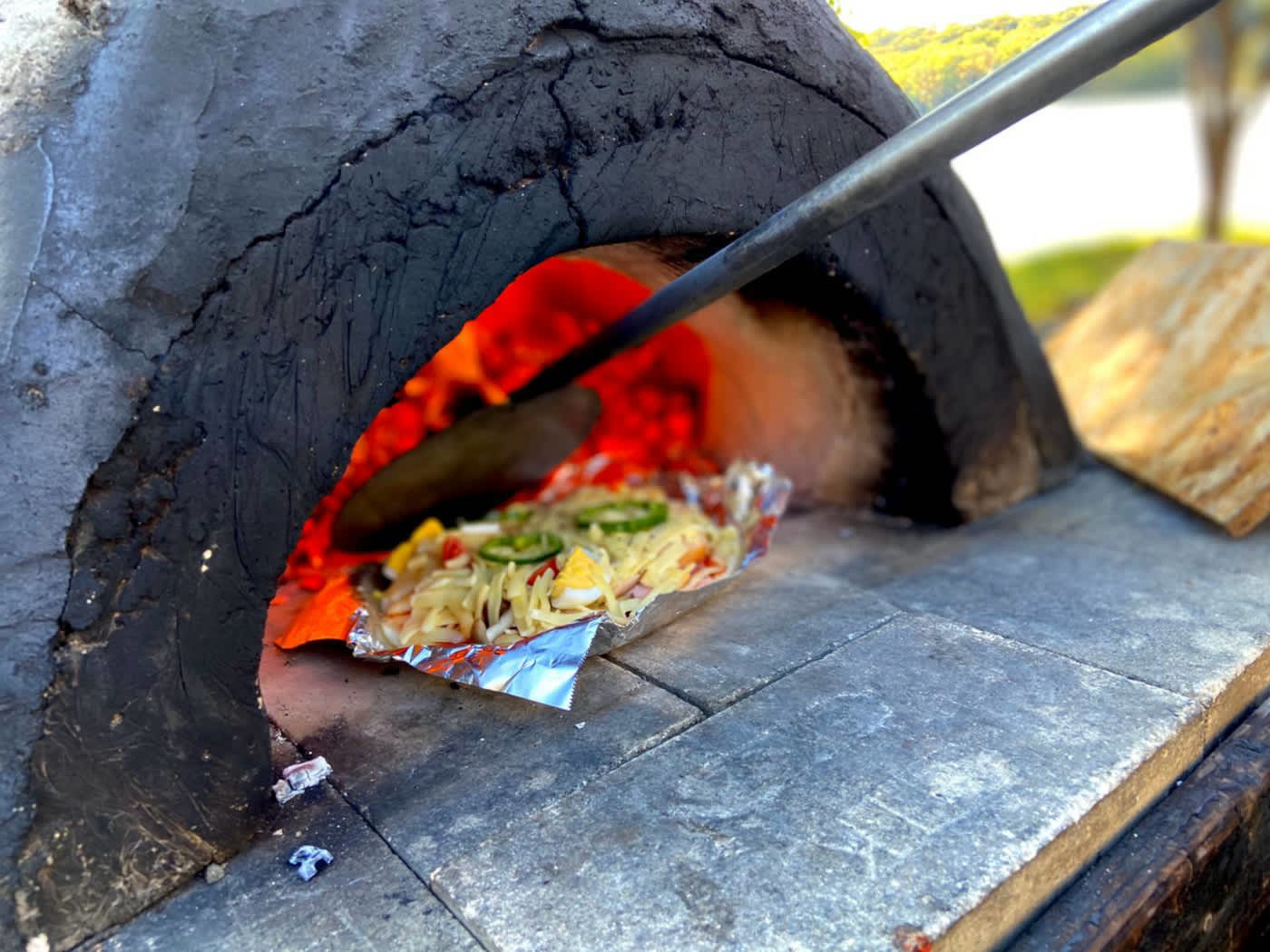
A hands-on food experience offers visitors a direct connection to this agricultural landscape. Visitors stretch dough made with locally grown wheat, choose from toppings sourced from the region, and bake their own pizza in a stone oven. Depending on the program, they can also prepare local salmon dishes or learn to make foods such as mochi rice cakes and tofu. By cooking and eating on site, visitors can connect Abashiri’s farms and fisheries with the ingredients on the table.
Nishi-Awa: Farming on the Mountain Slopes
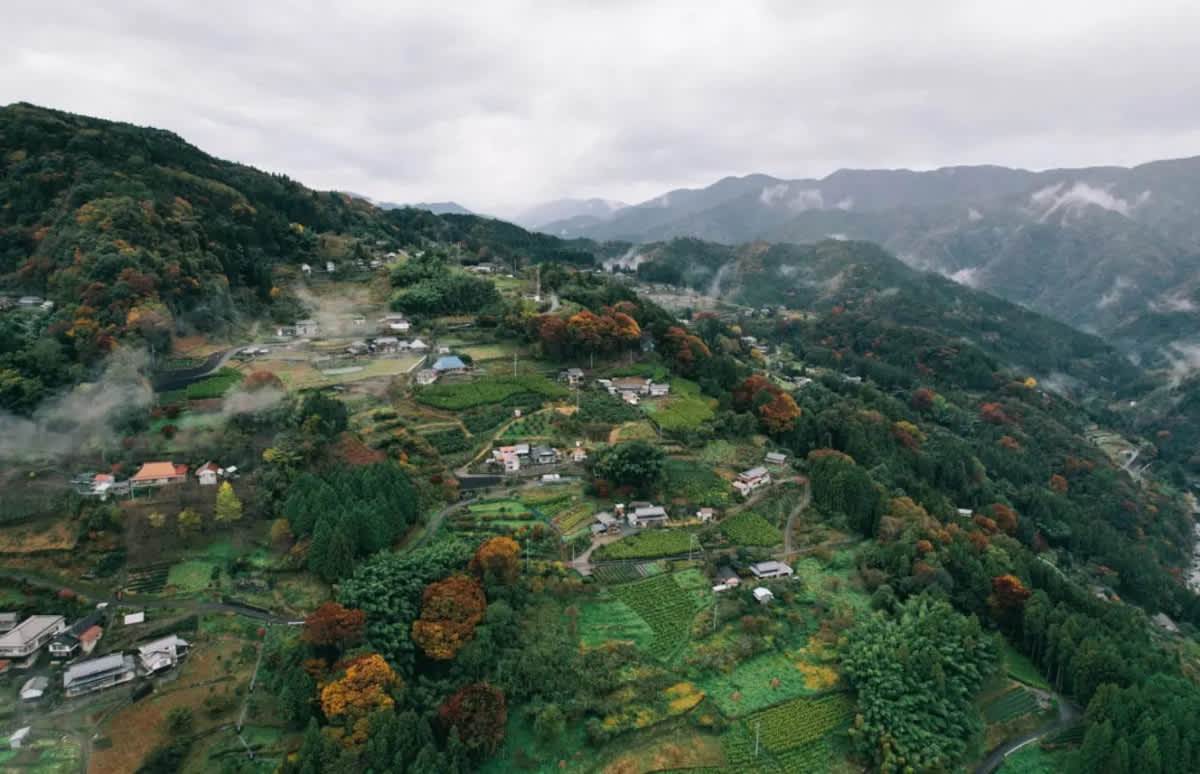
Nishi-Awa presents a contrasting agricultural landscape, defined by steep mountain slopes.
Communities in western Tokushima Prefecture have cultivated these mountain slopes for more than 400 years, with some fields reaching gradients of around 40 degrees. Rather than converting the terrain into terraces, farmers developed methods suited to working directly on the slopes. Within this agricultural system, farming is generally small-scale and diverse, with a range of grains and vegetables cultivated instead of a single dominant crop. Local varieties have also been maintained in part through seed saving.
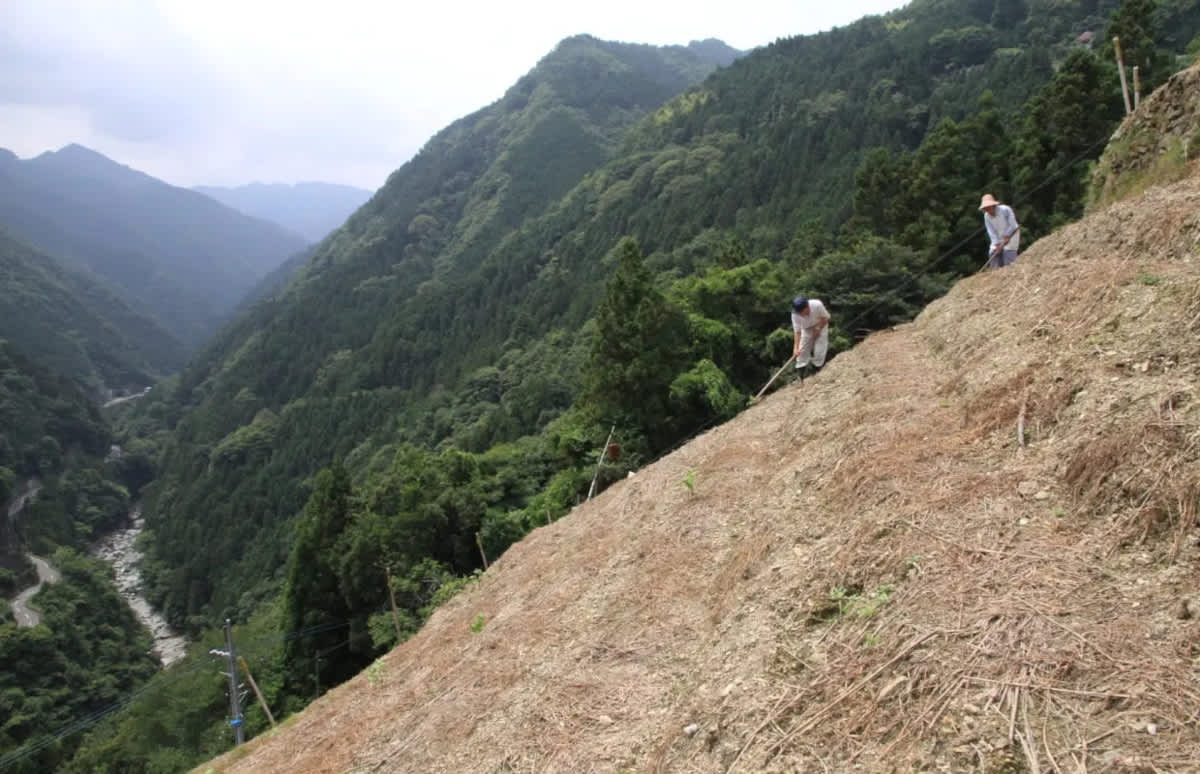
The Nishi-Awa Steep Slope Land Agriculture System was recognized as a Globally Important Agricultural Heritage System by the Food and Agriculture Organization of the United Nations in 2018.
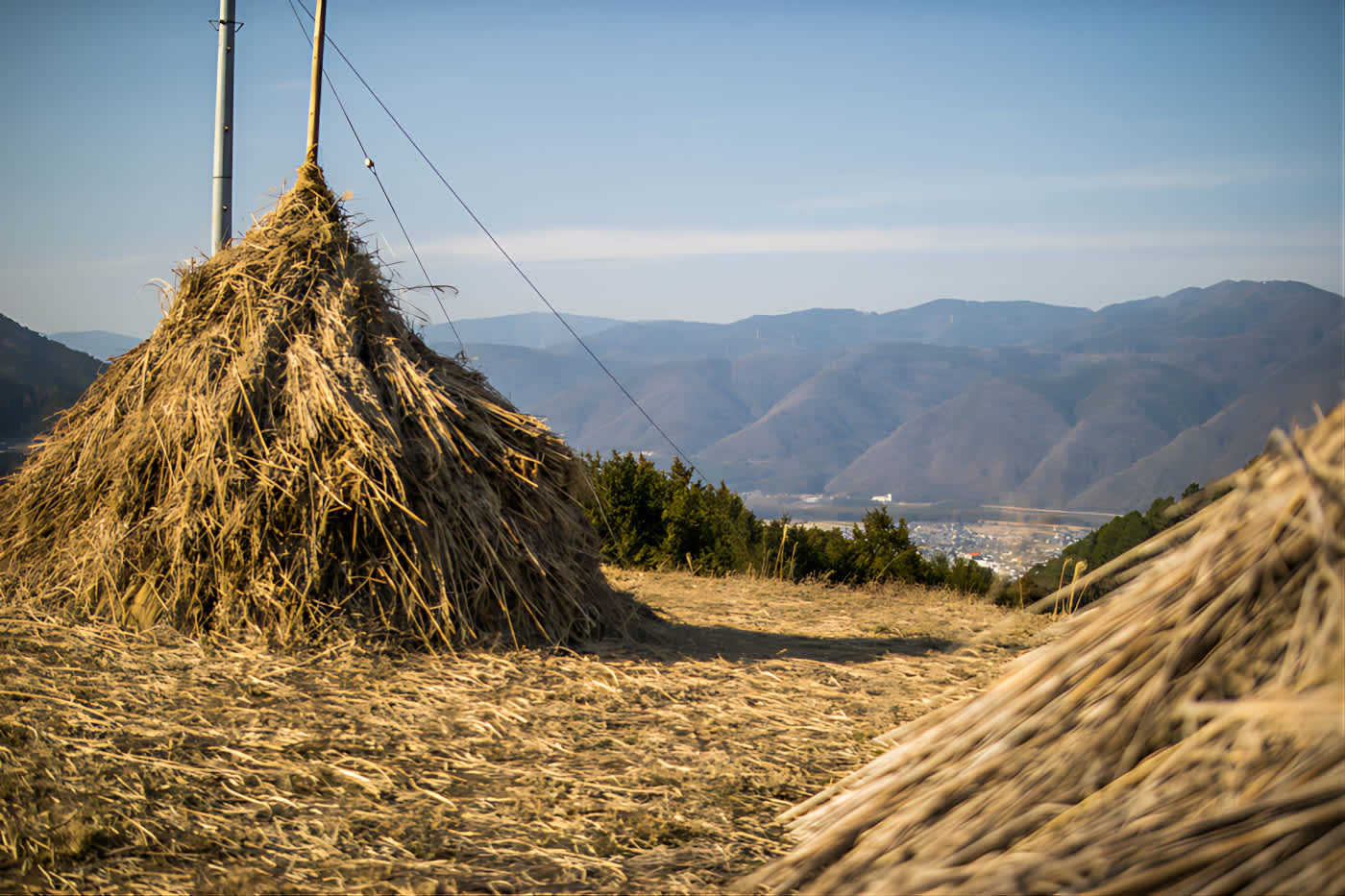
An important feature of Nishi-Awa’s steep-slope farming system is the use of kaya, a collective term for several types of grass. After being cut, the kaya is gathered into conical stacks known as koeguro and left to dry before being used in the fields.
The terrain has also influenced what people grow and eat. While rice is a staple in many parts of Japan, relatively little land in Nishi-Awa is suitable for paddy cultivation. Grains other than rice therefore came to play an important role. Millets and buckwheat, together with potatoes and vegetables adapted to the mountain environment, have long formed part of local agriculture and everyday meals. Drying and storage allowed crops from the sloped fields to be used beyond the harvest season. These preservation practices remain part of the region’s food culture.

Stay and Experience Everyday Life in Nishi-Awa
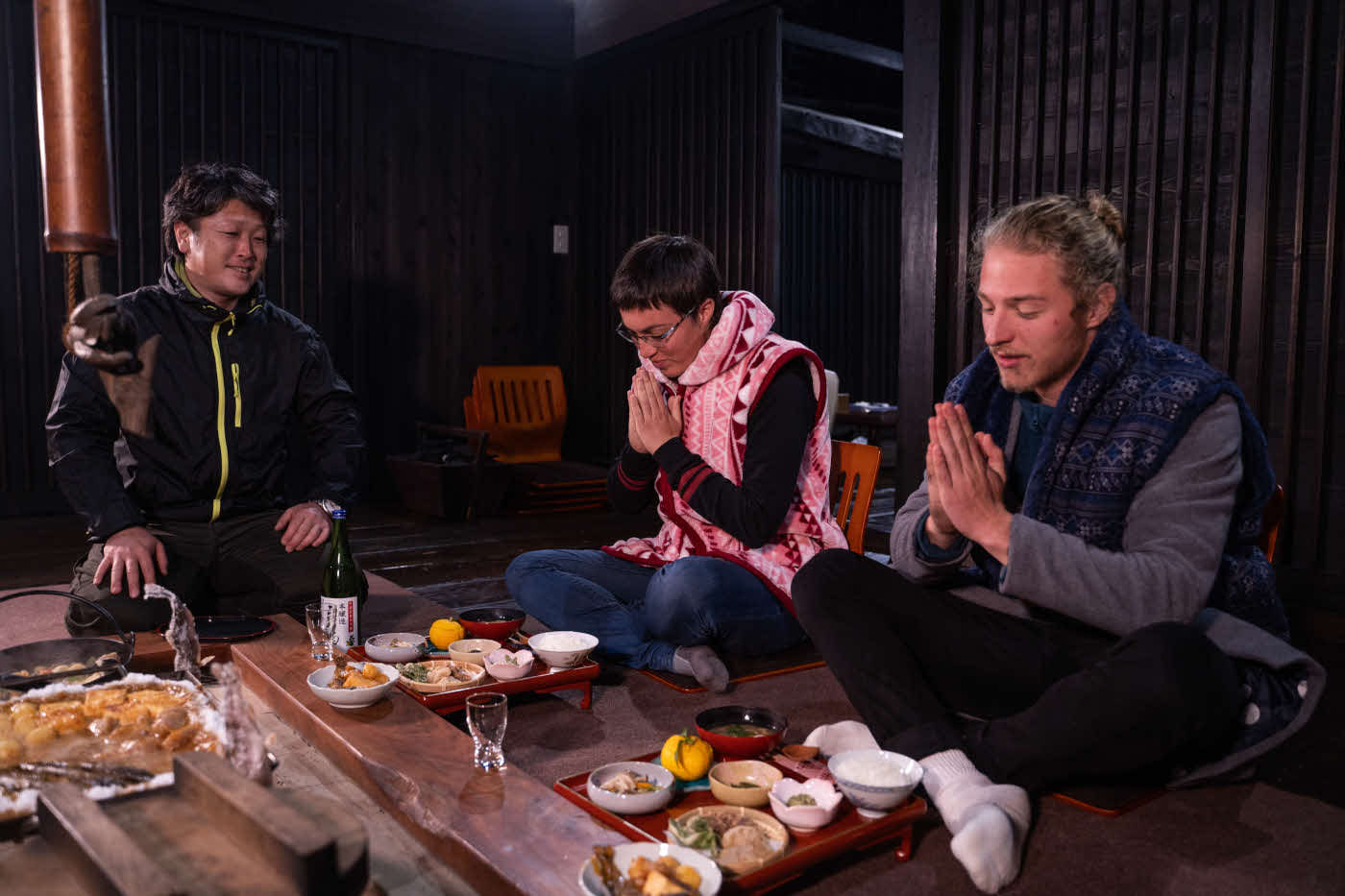
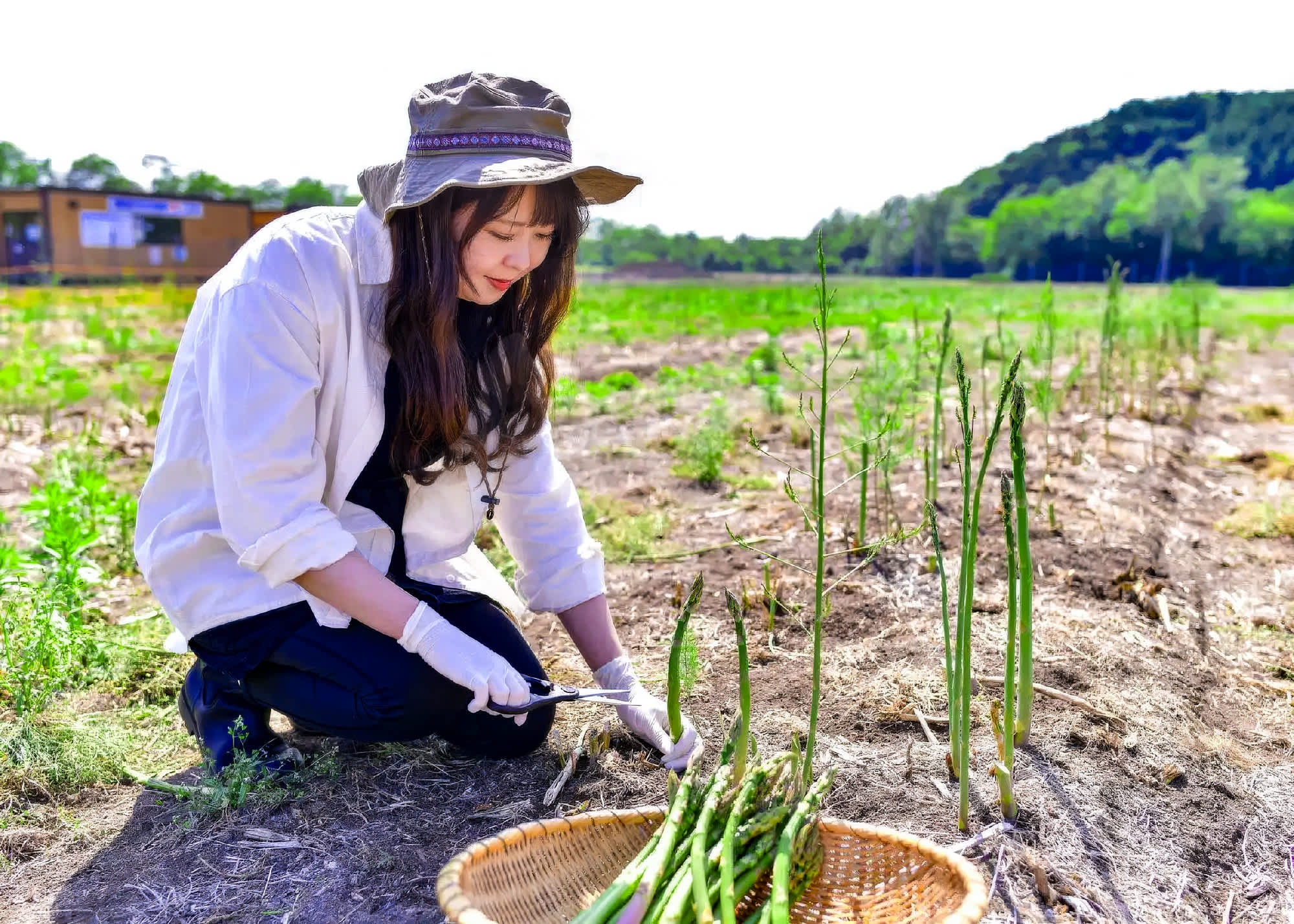
A farm stay can bring these elements together. Depending on the accommodation and season, travelers may harvest vegetables, help with work in the sloped fields, split firewood, or cook rice in a traditional metal pot over a fire. Some programs also include making buckwheat noodles or konnyaku (konjac), and learning how produce such as white radish is dried and preserved.
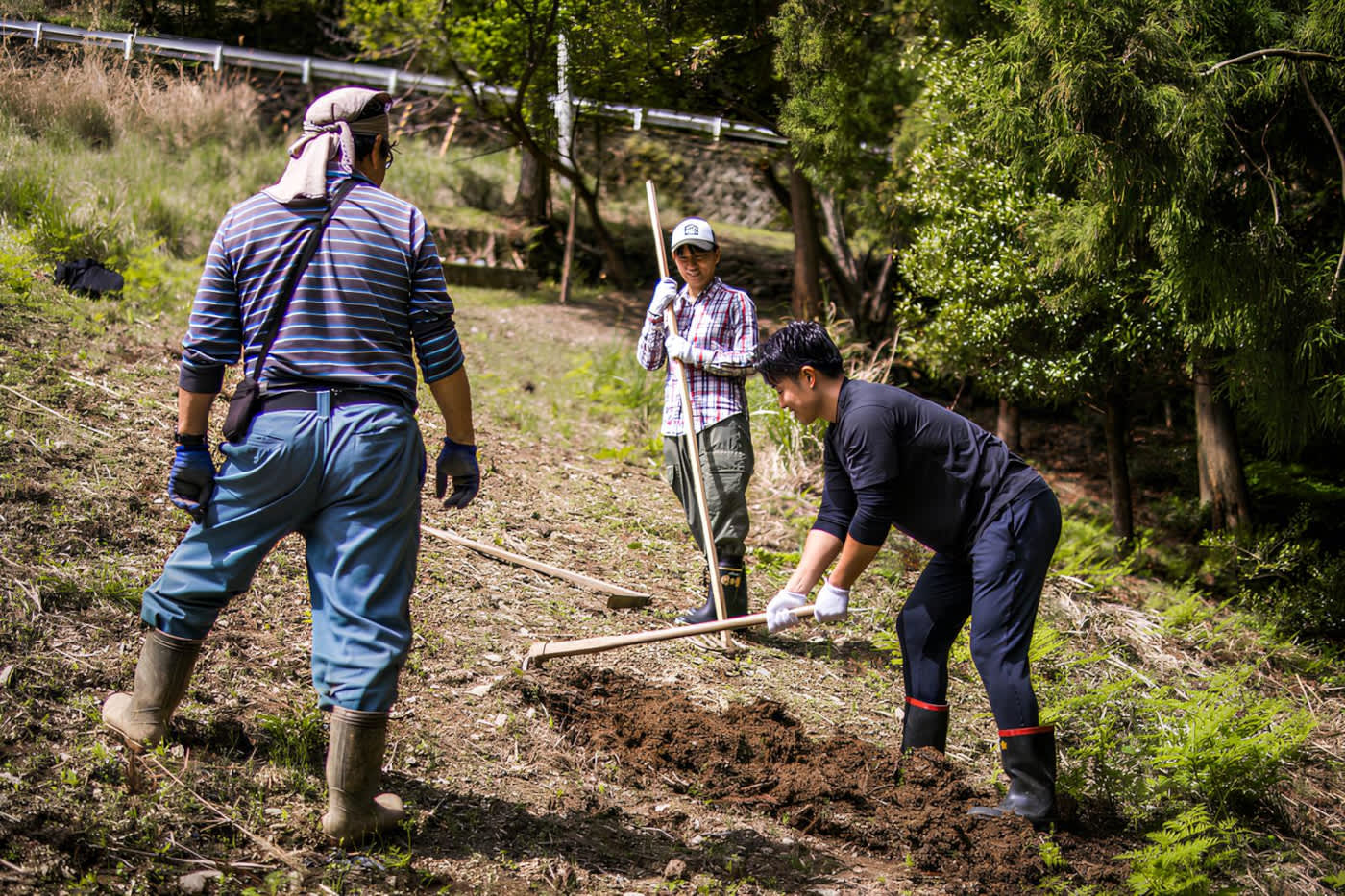
Seeing the fields and helping prepare ingredients before sitting down to eat add context to the meal. The steep terrain helps explain how farming practices developed here, while dishes made with produce from nearby fields show how crops suited to mountain conditions are used in everyday cooking. Sharing dinner and breakfast with local hosts extends the experience beyond a single daytime activity.
Different Landscapes, Different Food Cultures
Abashiri and Nishi-Awa show two different relationships between landscape and food. In Abashiri, the river, lake, sea, and open farmland support both fisheries and agriculture. In Nishi-Awa, farming practices, crop choices, and local dishes reflect the conditions of steep mountain slopes.
For travelers, these connections come into focus through experience—from watching for salmon while kayaking and cooking with local ingredients in Abashiri to walking through Nishi-Awa’s sloped fields and sharing meals with farm-stay hosts. Staying overnight in Nishi-Awa offers more time to see how farming, food, and everyday life remain connected.
Across both regions, spending time in the places where food is produced reveals the work, knowledge, and everyday life behind what appears on the table.
Related Links:
SAVOR JAPAN – Abashiri
SAVOR JAPAN – Nishi-Awa
SAVOR JAPAN – Explore Regional Flavors | Ministry of Agriculture, Forestry and Fisheries
Countryside Stay Japan – Farm-Stay Experiences
Farm Stay Japan
Nishi-Awa Tourism Area (Farm Stay Booking)
Recommended For You


-
About the author
Author : Stephanie M.
Stephanie M. is a translator and writer living in Japan. Raised in Okinawa with family roots in Hawaii, she grew up surrounded by island culture and traditions shaped by many influences. After tasting Kagawa udon on one of her first work trips, she became fascinated by how much food can change from region to region, and now loves exploring the local flavors and traditions that give each place its own character.

