


































When planning a visiting one of Japan’s many art museums, people naturally focus on the art collections inside the museum, but in many cases, the museum building is itself a work of art. Join us as we take a look at three less well-known, but exceptionally well-designed art museums whose architecture is as impressive as its exhibits!
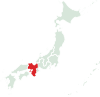
1. The Museum of Oriental Ceramics, Osaka (Osaka Prefecture)
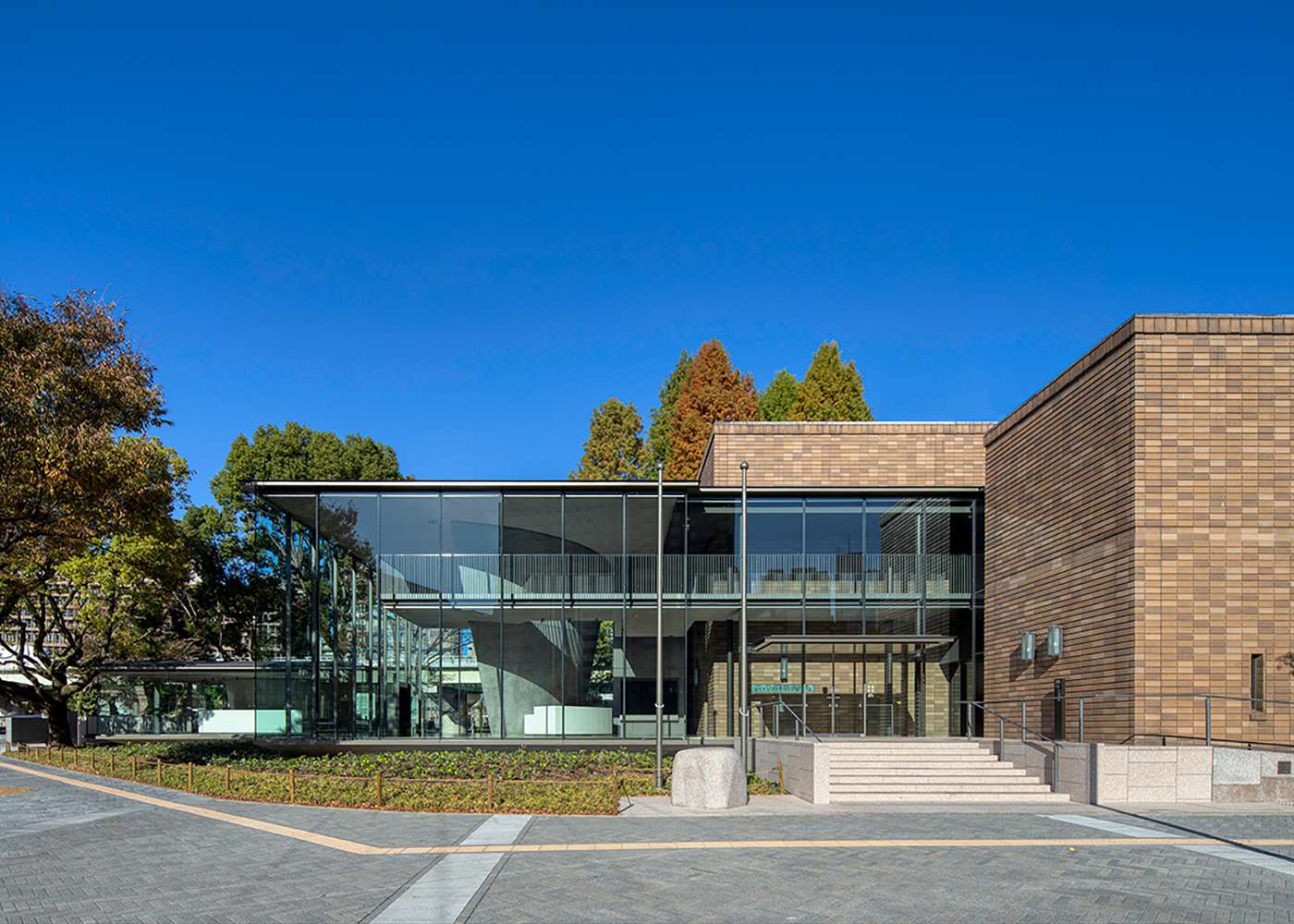
Stretching across an island in the river, Nakanoshima Park is a peaceful oasis amid the skyscrapers of busy downtown Osaka. It is one of the city’s oldest public parks and home to the Museum of Oriental Ceramics. Completed in 1982, this museum was designed by architect Ryuichi Yokokawa to house a vast collection of Asian ceramics, primarily Chinese, Korean, and Japanese.
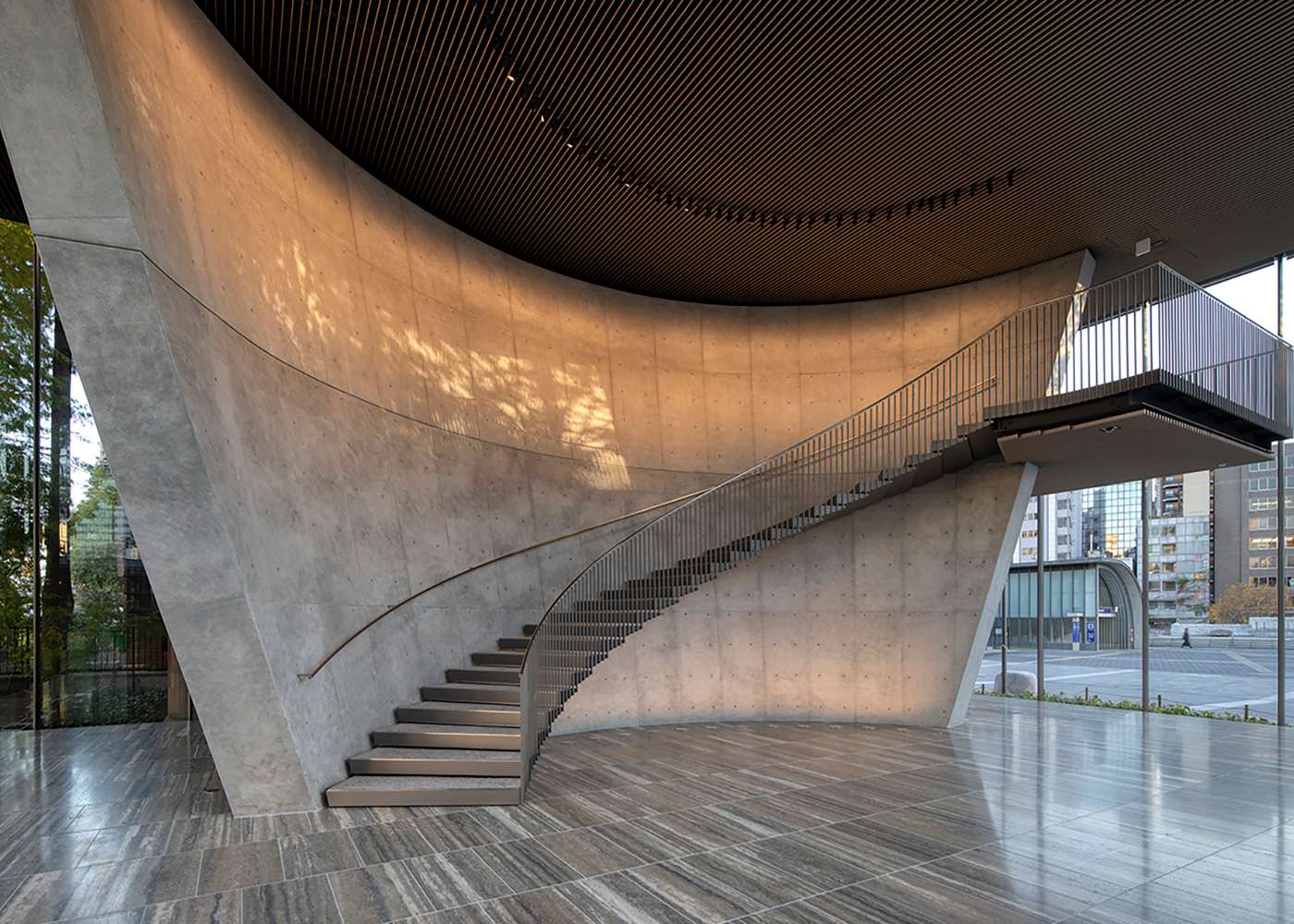
The museum’s entrance hall and cafe were expanded in 2024, with large glass-paneled walls added to create a sense of spaciousness, opening up a view that extends as far as Nakanoshima Park’s lovely trees. Inside the museum’s galleries, some spaces utilize controlled natural light, with skylights and indirect illumination enhancing the subtle textures and colors of the exhibits. Adding to the allure, rotating display platforms exquisitely showcase the beauty of the ceramics from multiple angles.
The Museum of Oriental Ceramics, Osaka
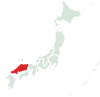
2. Iwami Art Museum (Shimane Prefecture)

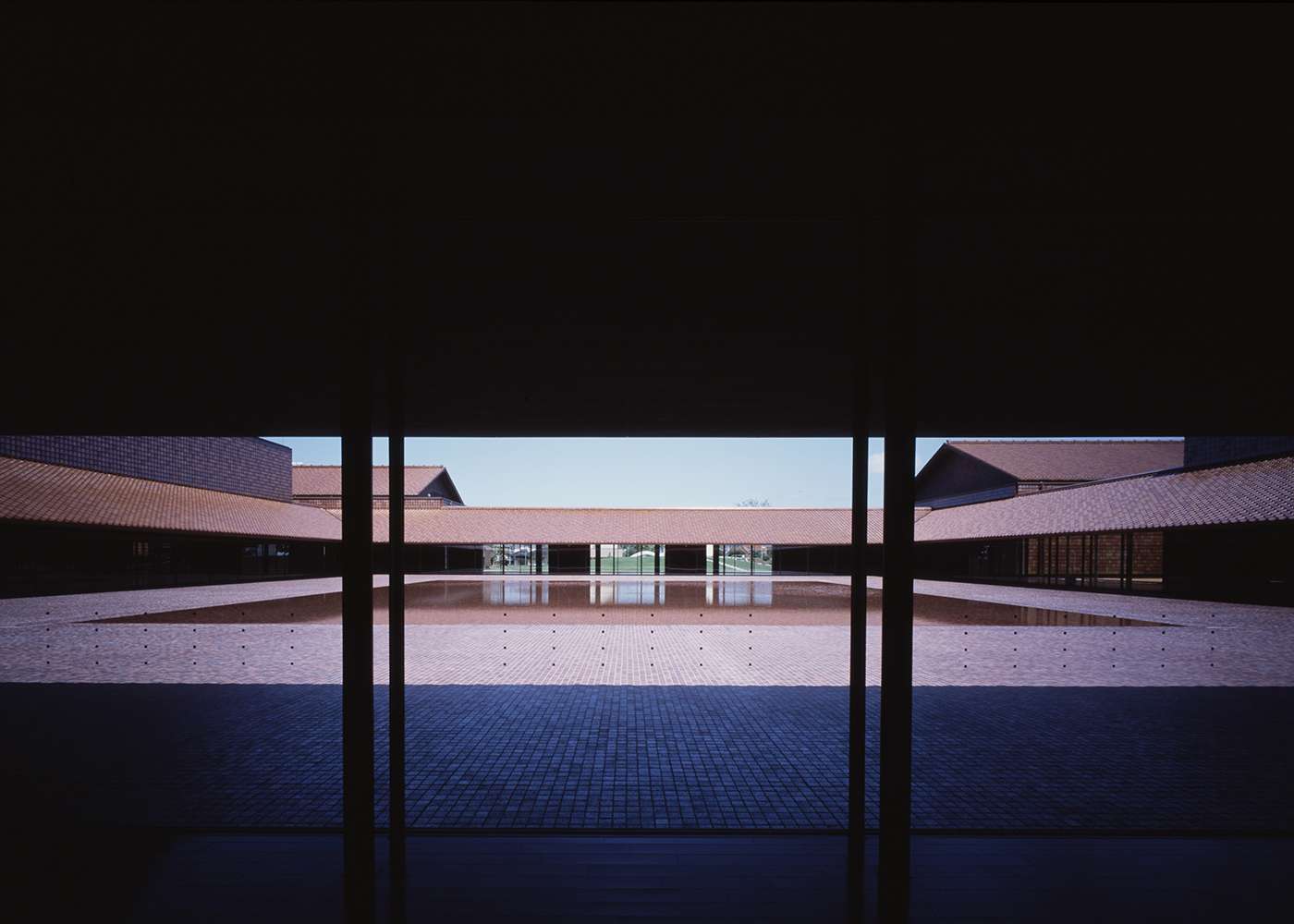
The Iwami Art Museum in Shimane’s Masuda City occupies part of a larger facility known as the Shimane Arts Center, designed by Hiroshi Naito and completed in 2005. Four galleries within the museum feature a diverse collection of both Japanese and Western modern art, with a particular focus on three subjects: contemporary fashion, Iwami art (Iwami is in the western part of Shimane), and work relating to author Mori Ogai (1862-1922) who was born in the town of Tsuwano in Shimane.
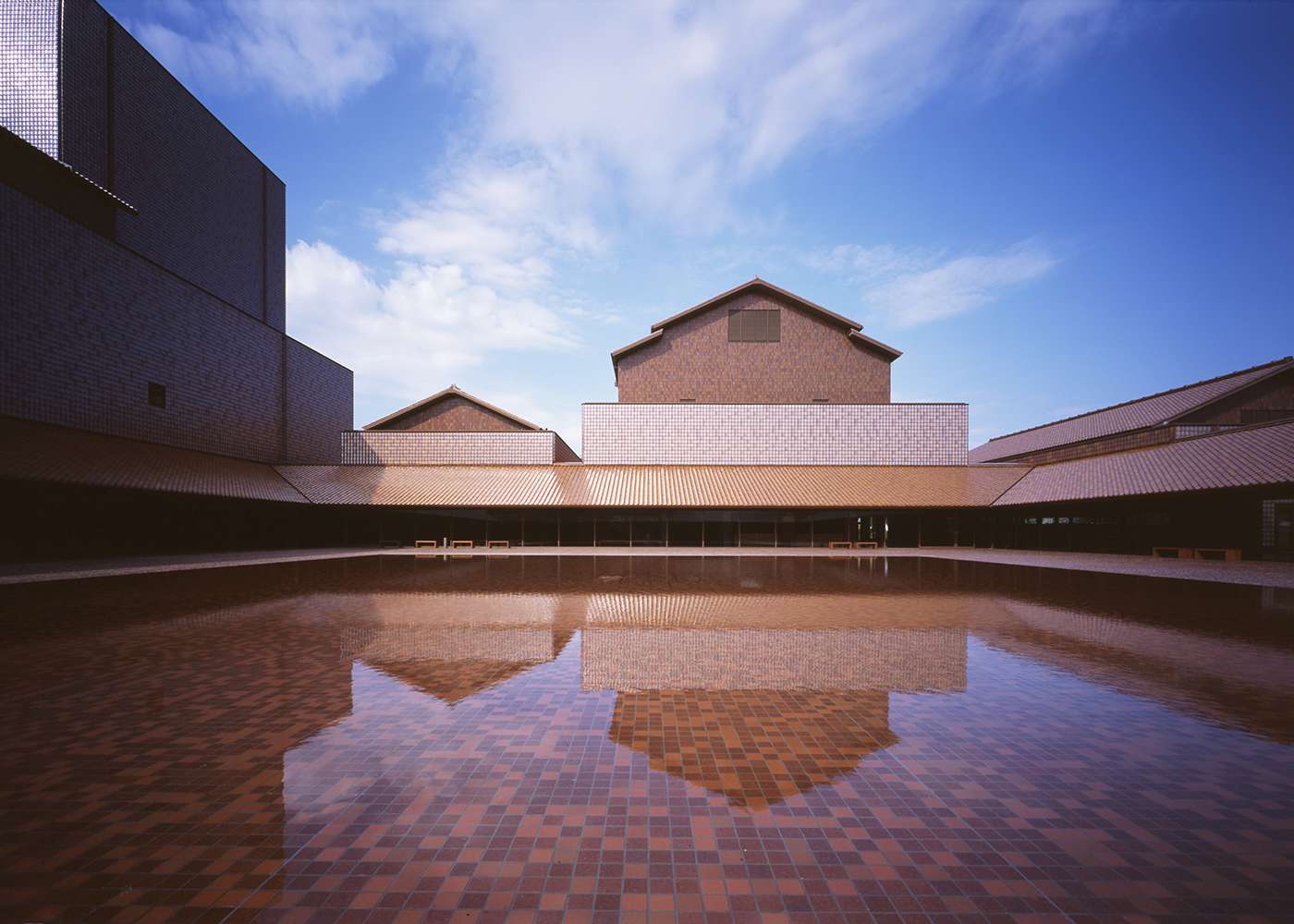
Nicknamed the Grand Toit (“large roof” in French), the building’s expansive roof and broad walls are distinguished by some 280,000 reddish-brown sekishu-gawara (roof tiles), which are commonly used on homes in the Iwami region. Inside the museum, the art galleries are serene and spacious, designed to encourage quiet contemplation. The large square courtyard features a shallow reflecting pool, accentuating the building’s clean lines and the sky above.
Iwami Art Museum
3. Aomori Museum of Art (Aomori Prefecture)

The Aomori Museum of Art in northern Japan’s Aomori City is an architectural masterpiece designed by Jun Aoki, who was inspired by the nearby Sannai-Maruyama site, an ancient Jomon settlement. The building’s minimalist white-brick exterior appears to emerge directly from the ground, echoing the idea of earth being excavated and history uncovered.
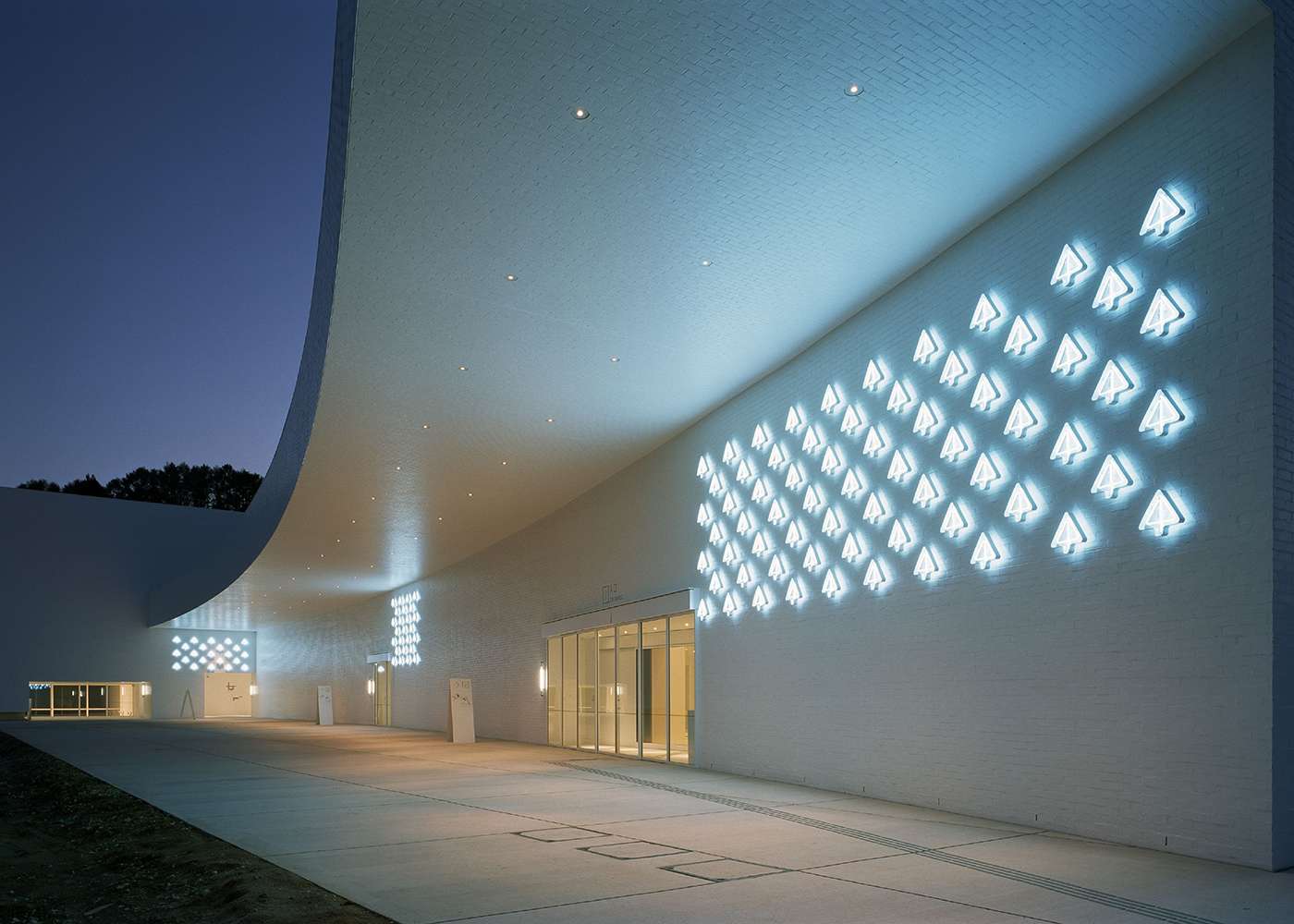
Inside the museum, the layout is labyrinthine yet organic, encouraging visitors to wander and discover the building’s network of subterranean galleries and angular spaces that contrast with vast, light-filled halls. The design emphasizes simplicity, silence, and texture, using clean lines and matte surfaces to highlight the museum’s collection of contemporary art—most famously, the monumental Aomori-ken (Aomori-ken Dog) sculpture by Yoshitomo Nara.
Aomori Museum of Art
Japan Cultural Expo 2.0
If you are interested in museums, both famous and a little off the beaten track, then do check out Japan Cultural Expo 2.0 which is currently underway.
The Japan Cultural Expo is a national initiative by the Japanese government, led by the Agency for Cultural Affairs and the Japan Arts Council, to highlight the beauty and depth of Japanese arts and culture. With art exhibitions, performing arts, and cultural festivals, the expo invites people to discover and enjoy the diverse expressions of Japan’s creativity. The project unites public and private institutions across the country to promote cultural appreciation and participation. Its official website guides visitors to cultural sites and experiences, offering immersive encounters with traditional performing arts and centuries-old customs that foster a lasting connection to Japan’s heritage.
Related Links:
The Osaka City Museum of Oriental Ceramics
The Iwami Art Museum
The Aomori Museum of Art
Japan Cultural Expo 2.0
Recommended For You


-
About the author
Author : Noam Katz
A chance backpacking trip as a university student led Noam to develop a lifelong interest in Japan. Even after living in and traveling around all of Japan's 47 prefectures, he still wants to explore more of the country.

