


















Use the
Planning a Trip to Japan?
Share your travel photos with us by hashtagging your images with #visitjapanjp
1. Decide the time to visit

Japan’s Four Seasons
Japan experiences four distinct seasons.
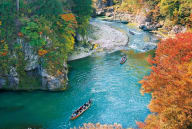
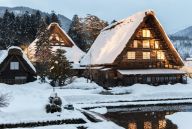
Spring (March–May) is marked by blooming cherry blossoms and mild temperatures, making it ideal for travel. Summer (June–August) is hot and humid, but offers seasonal events such as fireworks festivals and traditional summer celebrations. Autumn (September–November) is famous for its beautiful fall foliage and comfortable weather, making it a very popular season to visit. Winter (December–February) varies greatly by region: Hokkaido and areas along the Sea of Japan receive heavy snowfall, while Pacific-side cities such as Tokyo and Osaka tend to have little snow and many clear, sunny days.
Japan’s High and Low Travel Seasons
There are certain times of year when travel within Japan becomes especially busy.
Major domestic travel periods include Golden Week (late April–early May), Obon (mid-August), and the New Year holidays (late December–early January). During these times, transportation and accommodations tend to be crowded, and prices are often higher.
In contrast, the off-season includes June (the rainy season) and weekdays in January and February. These periods are generally less crowded, allowing for a more relaxed sightseeing experience.
2. Plan how long you stay

Trip Length: Within One Week
For trips of one week or less, it’s best to choose a single base city—such as Tokyo or Osaka—and explore nearby areas on day trips. Minimizing long-distance travel and hotel changes allows you to make the most of limited time, enjoy sightseeing at a comfortable pace, and have a highly satisfying stay, even on your first visit to Japan.
Trip Length: Around 10 Days to Two Weeks
The cities and regions you can visit vary greatly depending on the length of your trip.
With around 10 days to two weeks, you can comfortably follow the so-called “Golden Route”—visiting Tokyo, Kyoto, and Osaka—without feeling rushed by constant travel. This timeframe allows you to experience a balanced mix of major city atmospheres, traditional Japanese culture, local cuisine, and classic sightseeing spots.
Trip Length: Two Weeks or More (Long Stay)
For longer trips, you can venture beyond the Golden Route and fully explore the charm of Japan’s regional areas.
You can find examples of suggested itineraries here.
3. Choose Your Main Destinations

Choose Your Base City
Start by deciding which city in Japan will serve as your base.
Major cities such as Tokyo, Osaka, Fukuoka, and Nagoya have well-developed airports and bullet train connections, making them convenient starting points even for first-time visitors.
Japan Extends from North to South
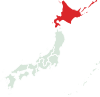
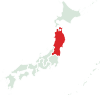
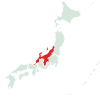
Because the country spans a long distance from north to south, the climate and scenery can vary greatly by region even within the same season. The north offers cooler temperatures and rich natural landscapes, while the south is known for its warm weather and resort-like atmosphere. Depending on where you visit, you can experience completely different sides of Japan’s appeal.
Choose Based on Your Interests and Goals
To make your trip more fulfilling, it’s important to choose destinations that match your interests.
If you want to immerse yourself in nature, regional or rural areas are ideal. For food lovers, Japan’s many culinary destinations offer memorable dining experiences. If shopping and entertainment are your priorities, focusing on major metropolitan areas will help you enjoy a trip that suits your personal style.
Discover what to enjoy in every season across Japan.
4. Enjoy a Variety of Culinary Experiences

The Appeal of Authentic Japanese Cuisine
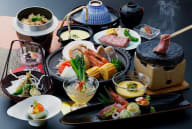
In Japan, you can enjoy traditional dishes such as sushi, tempura, soba, and kaiseki cuisine in their true, authentic setting. Seasonal ingredients are carefully selected throughout the year, and the presentation—from plating to tableware—reflects the beauty of the changing seasons, engaging not only the palate but also the eyes.
World-Class Restaurants
Japan is home to many Michelin-starred restaurants, and Tokyo in particular is known as the city with the highest number of Michelin stars in the world. Beyond Japanese cuisine, you’ll also find an exceptional range of international fine dining, including Italian and French restaurants.
A Diverse Food Culture You Can Enjoy Casually
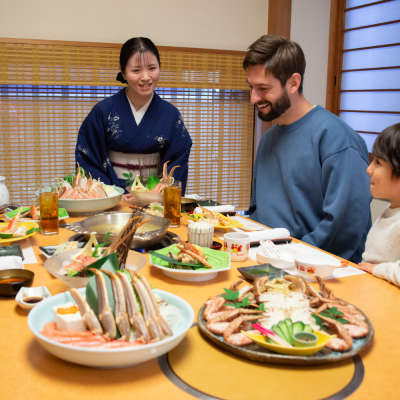
From ramen shops and izakaya pubs to street food, comfort classics, sweets, and casual chain restaurants, Japan offers a wide range of options to suit any budget. Whether dining at upscale establishments or relaxed eateries, everyone can easily experience the richness of Japanese food culture.
Vegetarian Options
In recent years, the number of vegetarian-friendly restaurants and menu options has been increasing, and this site also provides information about these options.
5. Find things to do

Unique Cultural Experiences in Japan
Japan offers a wide range of opportunities to engage with traditional culture, including visiting temples and shrines, participating in tea ceremonies, and trying on kimono. Even first-time visitors can experience Japanese culture in an accessible and meaningful way.
At the same time, Japan is globally celebrated for its anime and manga culture. Fans can enjoy a variety of interactive entertainment experiences, including themed shops, exhibitions, and even ninja experiences, making it possible to discover Japan’s contemporary creativity alongside its rich traditions.
Nature and Outdoor Experiences
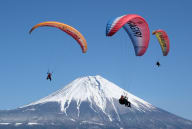
Japan offers countless places to enjoy the natural world, from mountains and coastlines to hot springs and national parks. Activities such as hiking and scenic exploration pair perfectly with urban travel, allowing you to experience both nature and city life in a single trip.
Experiencing Japan Through Food
Activities centered around food—such as exploring local markets and sampling street eats—are also a highlight. Combining culture, nature, and cuisine creates a richer, more memorable first trip to Japan.
6. Get Inspired by @visitjapanjp

Finding Travel Inspiration (Inspired by @visitjapanjp)
JNTO’s official Instagram showcases visually striking locations and unique experiences from across the country. If it’s your first time visiting Japan and you’re unsure where to go, a good starting point is simply browsing these posts and letting the places and atmosphere spark your imagination.
Planning your trip around the scenery and experiences that interest you helps you create a journey that feels personal and uniquely your own.
7. Plan your budget

Perceptions of Prices in Japan
Japan is often seen as an expensive destination, but in reality there are many affordable options. Supermarket bento meals and beef bowl chains are inexpensive, and even sushi can be enjoyed casually at reasonably priced conveyor-belt restaurants.
Managing Transportation Costs Wisely
Planning ahead is key to keeping travel expenses down. By researching options such as train and bus 1-day passes, you can reduce transportation costs while getting around efficiently.
Tips for Saving on Accommodation
Traveling during the off-season often means lower hotel rates, allowing you to enjoy a more comfortable stay on the same budget. Choosing the right timing is an important part of managing travel costs.
8. Book accommodation early

A Wide Variety of Accommodation Styles
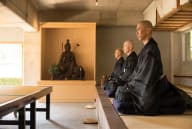
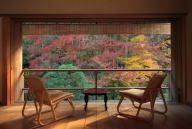
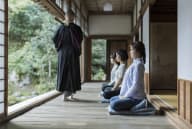
Japan offers a wide range of accommodation options, from budget hotels to five-star luxury hotels. In addition, you can enjoy uniquely Japanese styles of stay, such as traditional ryokan where you can experience an authentic Japanese atmosphere, temple lodgings (shukubo) where you can take part in spiritual practices such as Zen meditation and sutra copying, functional and distinctive capsule hotels, and farm stays in rural areas.
Book Early for Peace of Mind
During peak seasons, such as the cherry blossom season, accommodations fill up quickly. To secure a place that suits your preferences, it is highly recommended to book early.
9. Learn About Japan’s Transportation System

Main Transportation Options
Japan has a highly developed transportation network that includes domestic flights, high-speed bullet trains, subways, and buses. The shinkansen is commonly used for travel between cities, while subways and buses are standard for getting around within urban areas. Another hallmark of Japan’s transport system is its punctuality.
Using IC Cards
With an IC card, you can ride trains and buses—and even make small purchases—with ease. It eliminates the need to buy tickets each time or prepare cash for every trip, making travel smoother and more convenient, especially for first-time visitors.
When the Japan Rail Pass Makes Sense
If you plan to take multiple long-distance trips within a short period, a Japan Rail Pass can offer good value. On the other hand, if your itinerary focuses mainly on staying within cities, regular tickets may be cheaper. Comparing options based on your travel plan is essential.
10. Prepare Your Passport and Visa

Before traveling to Japan, be sure to check your passport and visa requirements.
Depending on your nationality, a visa may not be required, but the rules vary based on length of stay and purpose of visit. You’ll also need sufficient remaining validity on your passport, so if it’s close to expiring, renewing it early is recommended. Always confirm the latest official information so you can prepare for your trip with confidence.