






GUIDA Come godersi al meglio gli onsen (le terme) in Giappone Scopri la tradizionale arte giapponese del bagno termale.
Immergersi in un onsen è un'esperienza antica che non vuoi perderti durante il tuo soggiorno in Giappone. Questa guida ti aiuterà a immergerti con sicurezza nell'acqua e ad abbracciare l'arte senza tempo del bagno onsen.
Se passi anche solo pochi minuti a navigare online sul Giappone, ti imbatterai sicuramente nell'immagine di un invitante onsen (sorgente termale) in legno hinoki o pietra, con il vapore che sale dolcemente dalla superficie dell'acqua. In queste immagini, il bagno onsen sembra essere un'esperienza serena, ma la cultura onsen può essere un po' scoraggiante per chi la visita per la prima volta, come lo è anche per alcuni giapponesi!
Cos'è un onsen?
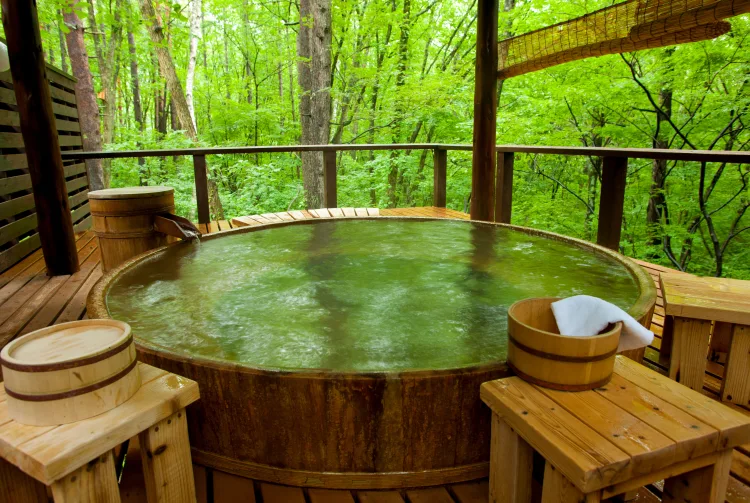
Gli onsen offrono la rara opportunità di immergersi nel calore della natura, circondati dal tipico paesaggio giapponese.
Riscaldati geotermicamente, gli onsen si trovano in tutto il Giappone, grazie alla posizione del Paese lungo l'Anello di Fuoco del Pacifico. La consistenza e il contenuto di minerali dell'acqua onsen variano a seconda della regione, rendendo l'acqua di ogni onsen unica – da bianca come il latte a trasparente ed effervescente – il che non fa che aumentare il piacere del bagno.
Quali sono i benefici di un onsen?
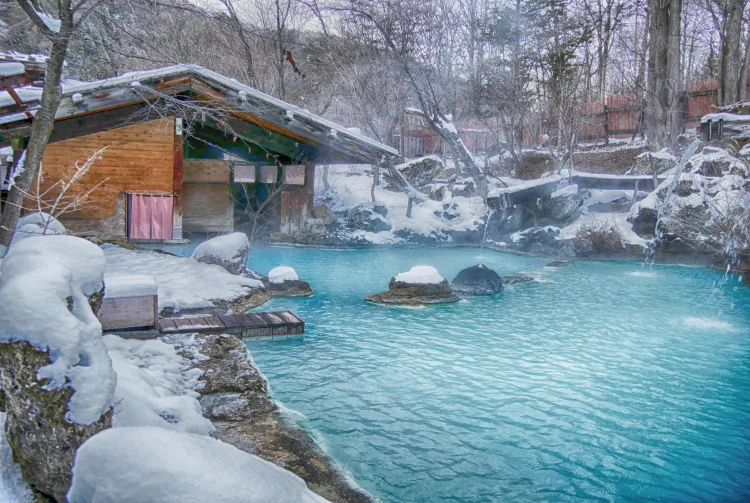
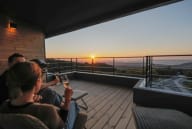
Molte strutture onsen vantano splendide viste stagionali durante tutto l'anno, lo sfondo perfetto per un bagno rilassante.
Il bagno onsen è considerato un'esperienza mentale e fisica, e per una buona ragione. Le acque ricche di minerali sono note per alleviare la rigidità muscolare, lenire il dolore e abbassare la pressione sanguigna, migliorando al contempo la circolazione e lasciando la pelle liscia come la seta. Ma la magia non sta solo nell'acqua. Le strutture onsen, spesso progettate per integrare materiali naturali e ambienti tranquilli come giardini tradizionali, viste sulle montagne e giardini rocciosi innevati, offrono un relax unico nel suo genere, mentre ci si disconnette dal mondo esterno e ci si riconnette beneficamente con se stessi.
Come fare il bagno in un onsen
Fare il bagno in un onsen non è niente di complicato, a patto di ricordare alcuni punti importanti.
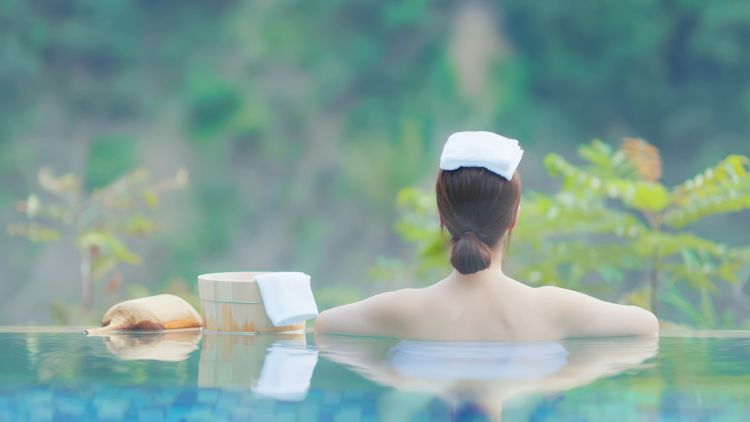
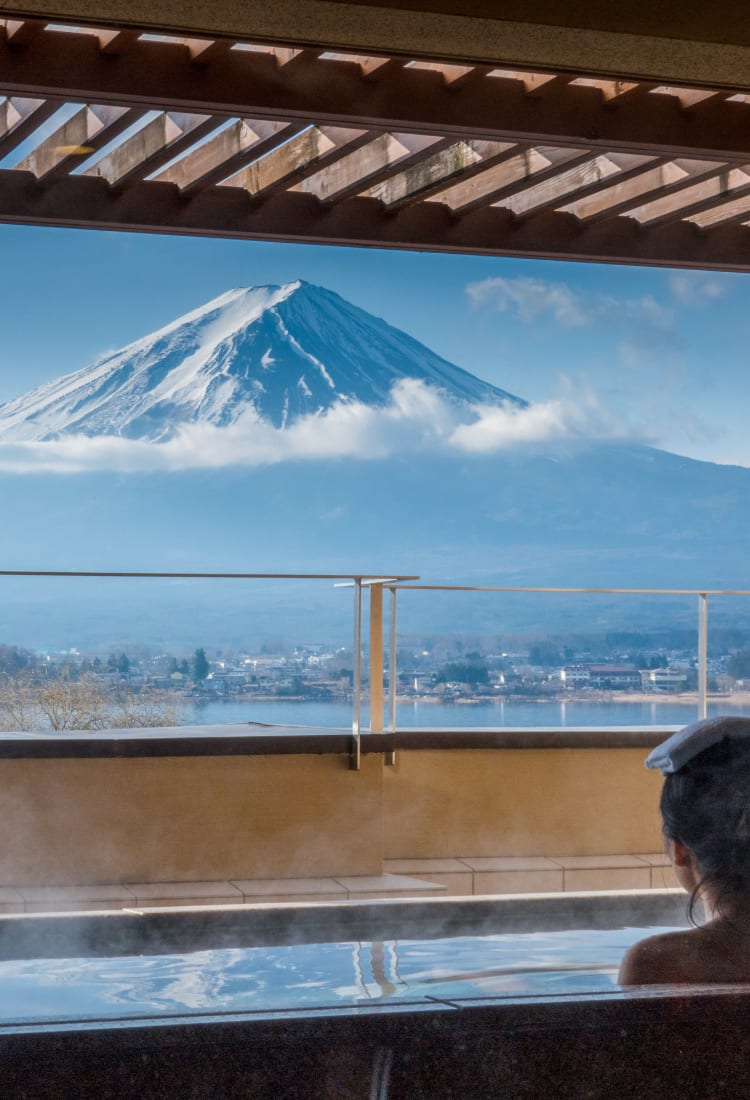
Metti un piccolo asciugamano sulla testa quando entri nella vasca: una mossa classica tra i frequentatori esperti di onsen in Giappone.
1. Spogliati completamente nell'area spogliatoio.
Il bagno in onsen si fa solitamente nudi, quindi gli indumenti (compresi i costumi da bagno) dovrebbero essere lasciati nell'area spogliatoio. Anche se all'inizio potresti sentirti un po' a disagio, fare il bagno pubblico è del tutto normale in Giappone e le persone tendono a essere discrete e rispettose dello spazio altrui. Per pudore, puoi coprirti con un piccolo asciugamano (solitamente fornito) mentre ti dirigi alla vasca (ma non portarlo in acqua, ne parleremo più avanti!)
2. Tieni asciugamani e capelli fuori dall'acqua.
Quel piccolo asciugamano serve per lavarti o coprirti per pudore prima di entrare nella vasca ma non va immerso nell'acqua della vasca. Piegalo e mettilo sulla testa o sul bordo della vasca prima di entrare in acqua. Assicurati anche di legare i capelli se li hai lunghi o di avvolgerli in un asciugamano. L'acqua degli onsen deve rimanere pulita e pura.
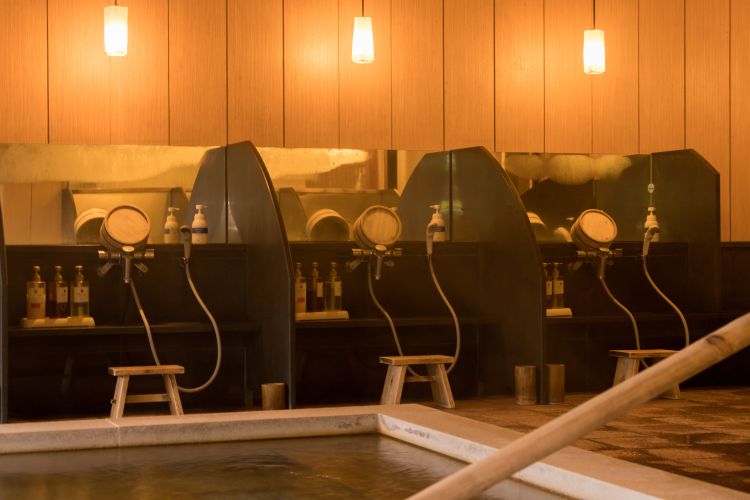
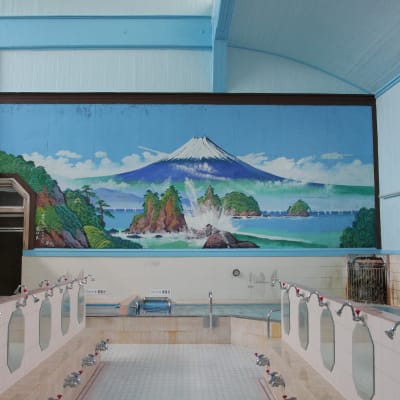
Anche lavarsi in un onsen giapponese è rilassante. Sedersi mentre ci si lava è profondamente radicato nella cultura locale, un rituale di pulizia e rispetto,.
3. Lavati accuratamente prima di immergerti nella vasca.
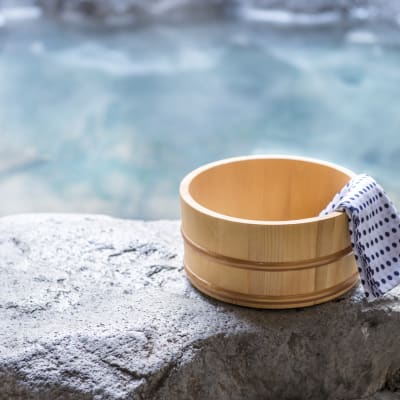
La pulizia è essenziale. Prima di entrare in vasca, ci si lava in una delle postazioni di lavaggio presenti nell'area dedicata (si trovano un secchio, uno sgabello, spesso una doccetta e dei prodotti da bagno). Si usa il sapone e lo shampoo e ci si assicura di risciacquare bene. Se si è truccati, il trucco va rimosso. Prima di entrare nella vasca, è consuetudine versarsi addosso dell'acqua calda presa dalla vasca, chiamata kakeyu, per aiutare ad adattarsi alla temperatura e prevenire un improvviso aumento della pressione sanguigna; molte terme dispongono di una vasca dedicata vicino all'ingresso per questo scopo. Più puliti e preparati si è, più ci si sente a proprio agio mentre si fa il bagno in presenza di altre persone.
4. Alcuni consigli finali
Parlare a bassa voce negli spogliatoi e nelle aree dedicate alla balneazione, lasciare il telefono fuori dall'area dedicata alla balneazione, verificare in anticipo le norme dell'onsen sui tatuaggi (se ti riguarda) ed evitare di nuotare o sguazzare nell'acqua: gli onsen sono luoghi di pace e tranquillità. Non preoccuparti eccessivamente di non riuscire a seguire fedelmente tutte le norme e le usanze degli onsen all'inizio. Leggi semplicemente queste linee guida, fai un respiro profondo e goditi una delle esperienze più rilassanti e rigeneranti del Giappone.
Domande frequenti
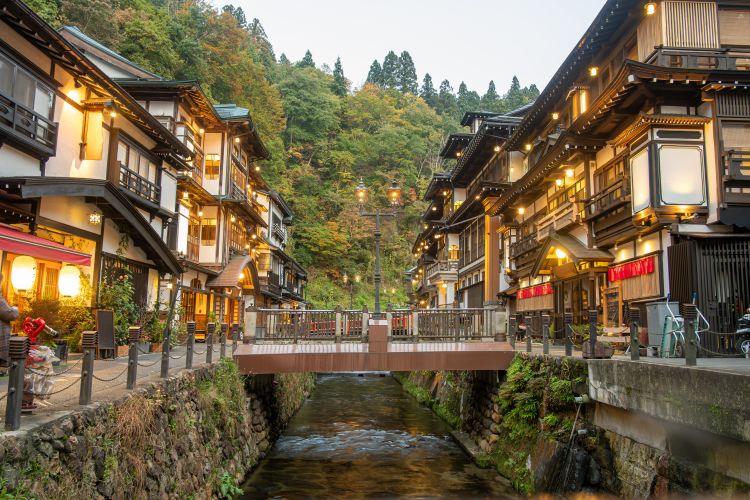
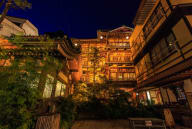
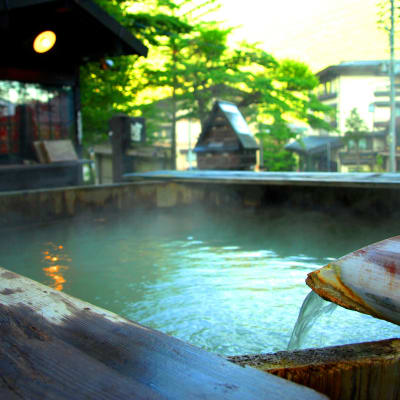
Una città termale come Ginzan, nella prefettura di Yamagata, è l'ideale per un'autentica esperienza onsen.
Where can I find onsen in Japan?
Le città termali come Ginzan 
 , nella prefettura di Yamagata , e Hakone , nella prefettura di Kanagawa , sono costruite attorno a sorgenti termali naturali e offrono soggiorni in locande tradizionali chiamate ryokan, ma in molte città è anche possibile usufruire di bagni termali diurni. Per maggiori informazioni potete iniziare da qui e, se desiderate un contatto più stretto con la natura, prendete in considerazione una visita a un onsen all'interno di un parco nazionale .
Fanno entrare negli onsen se si ha un tatuaggio?
Alcuni onsen tradizionali potrebbero non accettare persone con tatuaggi, ma le cose stanno iniziando a cambiare! Cerca strutture che accettano tatuaggi o prenota un bagno privato (kashikiriburo) dove poter rilassarvi da soli. L'atteggiamento sociale nei confronti dei tatuaggi sta cambiando molto lentamente, ma il numero di onsen che accettano chi ha tatuaggi è in continuo aumento!
Molti onsen offrono o vendono piccoli teli copri-tatuaggio per chi ha tatuaggi più piccoli e facili da nascondere; tuttavia, questi teli sono generalmente adatti solo per tatuaggi molto piccoli.
E se mi vergogno a spogliarmi di fronte agli altri?
Gli spogliatoi sono sempre divisi per genere, come anche la stragrande maggioranza degli onsen.
Se ti senti ancora in imbarazzo, un bagno privato o una camera con annesso bagno all'aperto (rotenburo) è un'ottima opzione.
Ho già prenotato un hotel. Posso comunque fare il bagno in un onsen ryokan?
Sì! Molte strutture nelle città termali (come Kusatsu nella prefettura di Gunma ) sono specializzate in pacchetti diurni o accessi senza prenotazione per il bagno e non richiedono il pernottamento. È un ottimo modo per provare un onsen per la prima volta.
Posso portare i miei bambini piccoli con me in un onsen?
Assolutamente sì. Molti onsen accolgono le famiglie con bambini, ma è consigliabile verificare il regolamento in anticipo. Alcuni hanno vasche adatte alle famiglie o offrono bagni privati per chi ha bambini.
Per quanto tempo dovrei rimanere nella vasca?
Dipende dalla temperatura dell'acqua e dalla propria tolleranza al calore, ma è meglio evitare di rimanere immersi troppo a lungo. Procedere con calma e uscire per bere un sorso d'acqua fresca se avete troppo caldo. Evitare di bere alcolici prima di fare il bagno, perché possono influenzare la tua capacità di giudizio.
Devo risciacquarmi dopo l'onsen?
Sono preferenze personali. Molte persone preferiscono idratare la pelle lasciando l'acqua dell'onsen a contatto il più a lungo possibile, tuttavia altri preferiscono risciacquare il corpo un'ultima volta. In breve, non esiste uno stile di bagno corretto, e divertiti a scoprire qual è quello più adatto a te!
Posso indossare le scarpe in un onsen?
Di solito, agli ospiti o ai visitatori viene chiesto di togliersi le scarpe all'ingresso prima di entrare nella struttura onsen, ma in ogni caso, assicurati di toglierti le scarpe o le ciabatte prima di entrare nello spogliatoio.
C'è un posto sicuro dove lasciare gli oggetti di valore?
La maggior parte degli onsen offre un armadietto o un altro posto sicuro dove riporre gli oggetti di valore, spesso nello spogliatoio. Se pernotti, è consigliabile chiudere gli oggetti di valore nella cassaforte della tua camera.
Posso portare il mio telefono o la mia macchina fotografica nell'onsen?
Certo, molte persone desidererebbero scattare quella foto perfetta in onsen e può essere allettante se non c'è nessuno in giro. Però no, per rispetto della privacy, in particolare dei minori, è assolutamente vietato!












![Kengo Kuma and Japan's New Architecture [PR]](https://res-1.cloudinary.com/jnto/image/upload/w_400,h_400,c_fill,f_auto,fl_lossy,q_auto/v1584347275/story_guide/Sg109_02)