







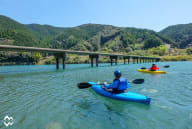












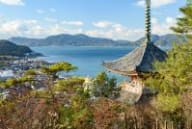
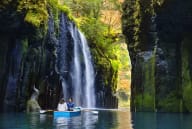



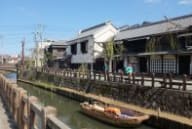














Japan is a spellbinding place: the more you visit, the more you want to come back. If you’re planning your second, third, or more trip to Japan, you’ve probably seen the main sights and checked a few must-dos off your list. This time, how about slowing down and exploring some of Japan’s hidden natural gems? From subtropical forests and lush mangroves to rocky shores alternating with sand dunes and rugged northern landscapes, these three national parks encompass the rich diversity of Japan’s natural heritage and will let you experience this fascinating country from a different perspective.
National parks featured in this article
- A Subtropical Forest Teeming with Life: Yambaru National Park
- Following the Changing Coastline: San’inkaigan National Park
- Where Mountains and Marshlands Meet the Sea: Rishiri-Rebun-Sarobetsu National Park
A Subtropical Forest Teeming with Life: Yambaru National Park
Okinawa Prefecture

Photo: Ministry of the Environment
Stretching across the northern part of Okinawa's main island, Yambaru National Park presents an array of subtropical evergreen forests, mangroves, cliffs, and limestone mountains. The park, marking its 10th anniversary in September 2026, is home to a large variety of endemic species, including the rare Okinawa Rail, and offers the opportunity to experience Okinawa beyond its famous beaches.

Photo: Ministry of the Environment

Photo: Ministry of the Environment
In Yambaru, you get to feel nature up close, rather than admiring it from afar. As you walk under the dense, humid canopy, birdsong mingling with the rustle of leaves and water flowing nearby, the forest invites you to slow down and engage your senses.

Photo: Ministry of the Environment
The mangrove forest at the mouth of the Gesashi River, the largest on Okinawa's main island, is one of the best places to appreciate the natural beauty of Yambaru. You can observe this unique ecosystem and the creatures that inhabit it from the wooden walking paths or by paddling a canoe along the calm, shallow waters.

Photo: Ministry of the Environment
To get a deeper insight into the park’s natural environment, no better way than joining one of the many activities on offer, including nature walks, canoe tours, nighttime excursions, and stargazing. With the help of local guides, Yambaru’s nature will unfold before your eyes as a vibrant and diverse microcosm bursting with life.
Following the Changing Coastline: San’inkaigan National Park
Kyoto, Hyogo, and Tottori Prefectures

Photo: Ministry of the Environment
Situated along the Sea of Japan coast, just northwest of the city of Kyoto, San’inkaigan National Park stretches across three prefectures and features a varied shoreline of cliffs, sea caves, reefs, inlets, and sand dunes. The park is part of the San’in Kaigan UNESCO Global Geopark and offers visitors the opportunity to explore diverse landscapes shaped by the interplay of sea and land.

Photo: Ministry of the Environment
The Uradome Coast is characterized by an intricate shoreline weaving through sandy beaches and rocky islets, while the Kasumi Coast presents a dynamic scenery of columnar joints, cliffs, sea caves, and unique rock formations. At the Tottori Sand Dunes, the wind carves undulating patterns on the sand, creating a landscape that changes with the light and weather. In winter, if the conditions are right, you can even witness the surreal sight of the dunes covered in snow.

Photo: Ministry of the Environment
The charm of San’inkaigan National Park cannot be reduced to a single scenic spot. As you follow the coastline along the Sea of Japan and take in the contours of the rocks, the color of the sand, and the sound of the waves, you’ll realize how different each stretch of the same coast can be.

Photo: Ministry of the Environment
Small boat excursions allow you to admire the coast from a different perspective and explore places that are difficult to reach from land. Kayaking, stand-up paddleboarding, and snorkeling are also a great way to connect with the park’s nature and experience its beauty up close, while at the Tottori Sand Dunes you can try unique activities such as sandboarding and sand dune yoga.
Where Mountains and Marshlands Meet the Sea: Rishiri-Rebun-Sarobetsu National Park
Hokkaido Prefecture

Photo: Ministry of the Environment

Photo: Ministry of the Environment
Japan’s northernmost national park, Rishiri-Rebun-Sarobetsu National Park includes the Sarobetsu-genya Plain in northern Hokkaido and the islands of Rebun and Rishiri. From sea cliffs and mountains to marshlands and coastal dunes, the park offers a wide variety of landscapes that merge with the sea to create a unique natural environment.

Photo: Ministry of the Environment
Rishiri Island is dominated by the majestic cone-shaped Mt. Rishiri, the park’s symbol, which shows different faces depending on the season, time of day, and angle you see it from. Rebun Island is home to endemic species, such as the Rebun lady’s slipper orchid, and a rich array of alpine flora, which here bloom at sea level thanks to the island’s cold climate.

Photo: Ministry of the Environment
The Sarobetsu-genya Plain, which encompasses Japan’s largest lowland high-rise marsh, is a paradise for birdwatching. Strolling along its wooden boardwalks, you’ll be able to observe wetland plants and migratory birds and on clear days even see Mt. Rishiri rising in the distance.

Photo: Ministry of the Environment
For a more memorable experience, a variety of engaging activities allow you to immerse yourself in the rhythms of the park. On Rishiri Island you can enjoy hiking, cycling, sea kayaking, and even snowboarding and backcountry skiing during the winter months. Guided nature tours offer you the chance to learn more about the vibrant flora of Rebun Island, while the Sarobetsu-genya Plain can be explored by cycling, river kayaking, and winter snowshoe walking.
National Parks of Japan: A Mosaic of Landscapes and Environments

Photo: Ministry of the Environment
Did you find inspiration for your next Japan adventure? Spanning over 3,000 km from north to south, the Japanese archipelago is home to 35 national parks, each with its own unique character and beauty. Venture beyond the beaten path, leave the crowds behind, and discover the landscapes and ecosystems that shape each region. Visiting a national park is an experience that will change the pace of your trip and take you closer to the beating heart of Japan.
Enjoying Japan’s nature responsibly
To protect Japan’s natural environment, please be sure to check the latest official information before your visit and always follow the local rules. Be mindful and respectful of plants and wildlife and stay on the designated trails and observation areas.
https://www.japan.travel/en/responsible-travel-guide/enjoying-nature-responsibly/
Related Links:
Yambaru National Park
San’inkaigan National Park
Rishiri-Rebun-Sarobetsu National Park
Recommended For You




-
About the author
Author : Silvia Telloni
Silvia is a translator and writer based in Tokyo. She has lived in Japan long enough to call it home and enjoys sharing its many charms and wonders through her work. Proud bookworm and etymology enthusiast, she loves learning new words and languages, but also watching films, hiking and exploring new places.

