
















Use the
Planning a Trip to Japan?
Share your travel photos with us by hashtagging your images with #visitjapanjp
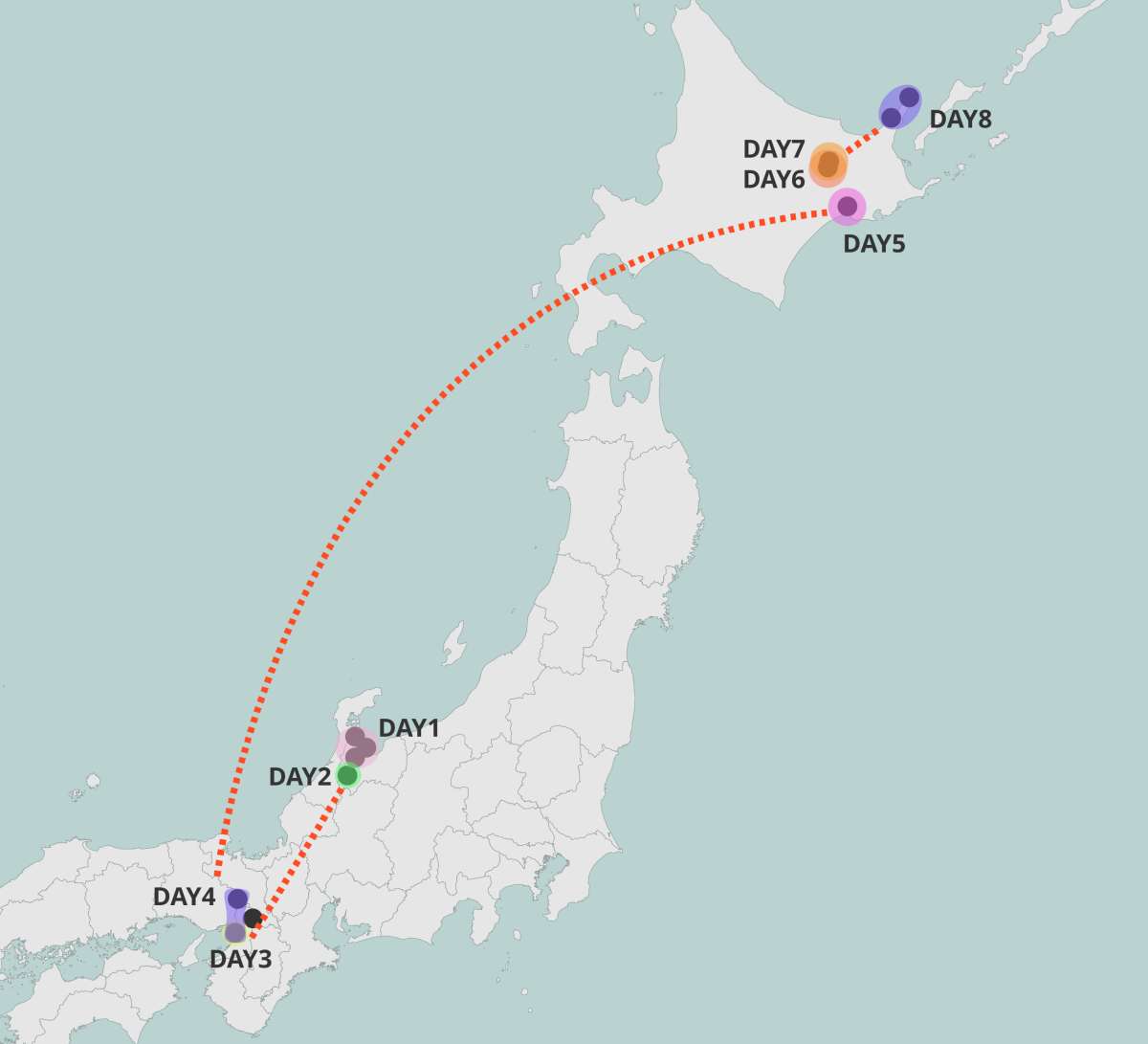
Beginning in quiet reflection, moving through the energy of daily life, and eventually opening onto a world of clear white snow, this winter journey travels from Toyama and Osaka to Hokkaido. Crossing from Japan’s main island to the northern island, the route gradually reveals different layers of the country’s landscapes and traditions. Encounters with places of prayer, cultural heritage, and the rhythms of nature invite you to slow down and savor the changing atmosphere between city streets and snowy plains, gathering memorable winter scenes along the way.
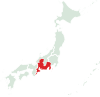
Toyama Region—Time Woven Quietly Through Prayer and Craft
Facing the Sea of Japan and surrounded by beautiful mountain ranges, Toyama Prefecture is a region rich in nature. It is also known for its excellent cuisine featuring fresh seafood. With its compact layout and calm atmosphere, Toyama has recently gained attention as an appealing and relaxed travel destination. Toyama Station can be reached from Tokyo Station in about two hours by shinkansen, while Shin-Takaoka Station is about three hours away with no transfers required.
Day 1, Tokyo to Toyama: Buddhist Culture in Takaoka, the Gateway to Toyama
Ramen Makotoya

Toyama’s famous local specialty, Toyama Black Ramen, is exactly what its name suggests: a jet-black soy sauce–based broth characterized by a strong, salty flavor and plenty of black pepper. Originally created as a hearty dish to replenish salt for manual laborers, it is known for its rich, robust taste.
At Ramen Makotoya in Takaoka City, this tradition continues with a refined touch. The bowl features a flavorful broth rich with dashi and thick, springy noodles, creating a well-balanced dish that appeals to a wide range of diners.
https://visit-toyama-japan.com/en/travel-inspiration/toyama-black-ramen

Standing about 16 meters tall, the Great Buddha of Takaoka is considered one of Japan’s three great Buddha statues alongside those in Nara and Kamakura, and serves as a symbol of the city of Takaoka. As you approach, the statue’s expression subtly changes depending on the viewing angle—sometimes even appearing as though its eyes are gradually opening. Because of its finely balanced features, it is often praised as “the most handsome man in Japan.” It is a peaceful place where visitors can quietly appreciate the beauty of Japanese Buddhist sculpture.

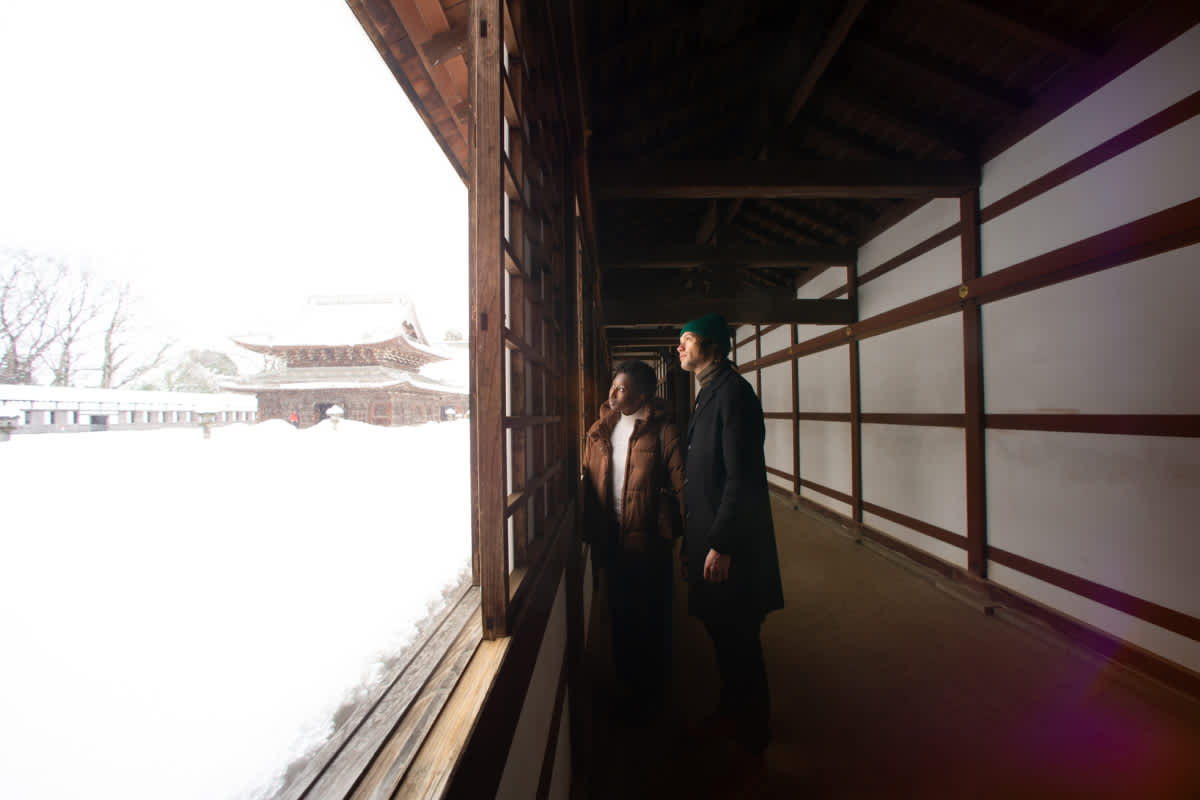
Built in the early Edo period, Zuiryuji Temple is a National Treasure and an outstanding example of Zen temple architecture. Its carefully calculated formal zen layout of temple buildings is highly regarded as a masterpiece of Zen Buddhist design from the era. The symmetry created by the straight alignment of the Sanmon gate, the Butsuden Main Hall, and the Hatto Lecture Hall is particularly striking. Highlights throughout the temple grounds include the covered corridors surrounding the Butsuden Main Hall and the beautiful gravel countyards, each offering a tranquil moment of reflection.
Day 2, Toyama: Zen Practice and Traditional Craft in Inami
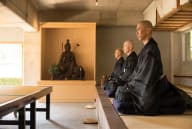
Zuiryuji Temple – Early Morning Zazen Meditation

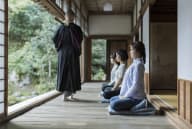
Join the early morning zazen meditation session held every Sunday in the Zen hall of Zuiryuji Temple. In the solemn atmosphere of the temple, participants quietly focus on posture and breathing, offering beginners a chance to experience Japan’s Zen culture in a calm and welcoming setting. After the meditation session, return to your hotel for breakfast.
Next, take about a 40-minute drive to Inami, a town known for its long tradition of woodcarving. Even today, artisan workshops can be found throughout the town. Stroll through streets where intricate carvings appear in everyday scenery, and enjoy a relaxed lunch at one of the area’s charming cafés.


In the afternoon, take part in a hands-on program that introduces the skills of local artisans. At Bed and Craft, overnight guests are given exclusive access to workshops where traditional craftsmanship continues to thrive. Under the guidance of skilled artisans, you can learn handcraft techniques and create your own items—such as lacquered chopsticks, a carved wooden spoon, or even a woodblock print. Each piece becomes a one-of-a-kind creation to take home as a memory of your visit.

After the workshop, check in to a private accommodation created by renovating a historic building. Bed and Craft is a decentralized hotel where each house is produced by a different artisan active in Inami—specialists in woodcarving, lacquerware, or ceramics. Scattered throughout the town, each lodging has its own distinct character, offering a space that feels almost like staying inside an art gallery.
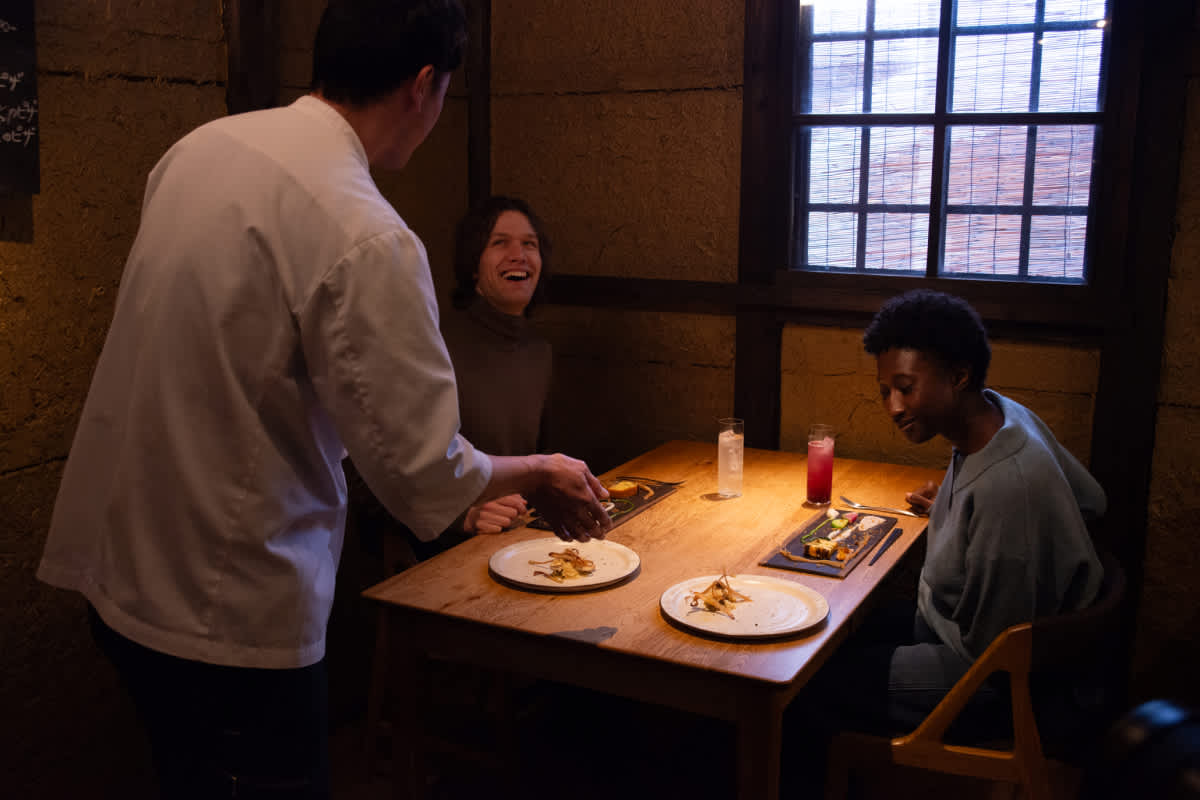
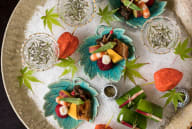
Dining options are equally diverse. Partner restaurants within walking distance serve creative Italian and French cuisine made with local ingredients. Alternatively, guests can enjoy a traditional Japanese kaiseki meal at a relaxed pace in their room. Through its workshops, meals, and accomodations, Bed and Craft offers visitors an immersive way to experience the everyday culture of Inami.
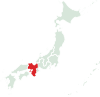
Osaka Region—A Vibrant City Shaped by Merchant Culture
From Shin-Takaoka Station, Osaka can be reached in just under three hours by shinkansen and limited express train. Osaka is one of Japan’s major cities after Tokyo. Known for its friendly, approachable people, the city is also famous as a gourmet destination often called the “city of kuidaore”—where people love to eat until they drop. With lively streets to explore and countless food experiences to enjoy along the way, Osaka is a popular destination for visitors.
Day 3, Toyama to Osaka: Traveling West to the Lively City of Osaka
Kani Doraku

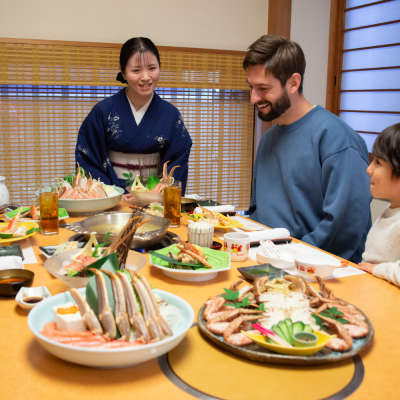
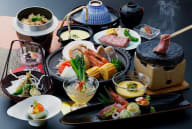
Located in Dotonbori, one of Osaka’s most famous bustling districts, Kani Doraku is known for its iconic moving crab sign. This long-established restaurant specializing in crab cuisine has been a beloved landmark of the area for decades. Overlooking the Dotonbori River, guests can savor carefully selected fresh crab prepared in a variety of ways, including elegant crab kaiseki courses and hot pot dishes.
Tombori River Cruise
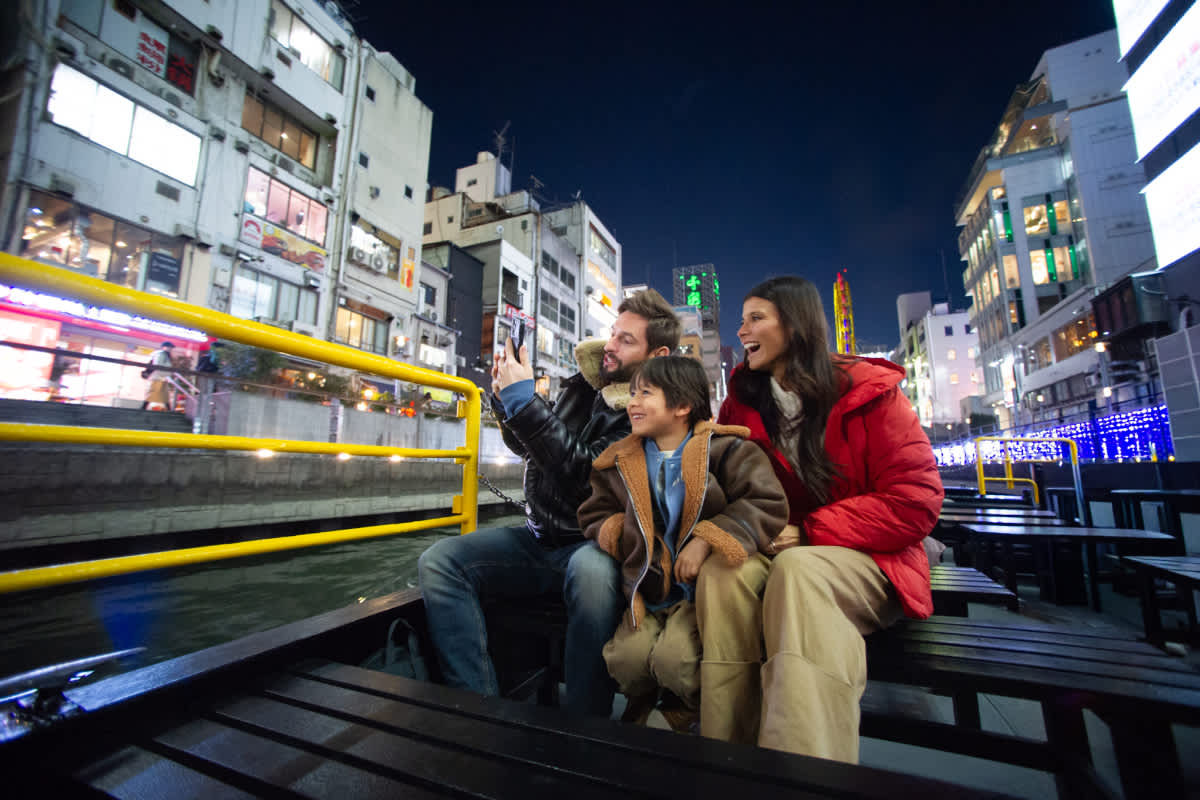
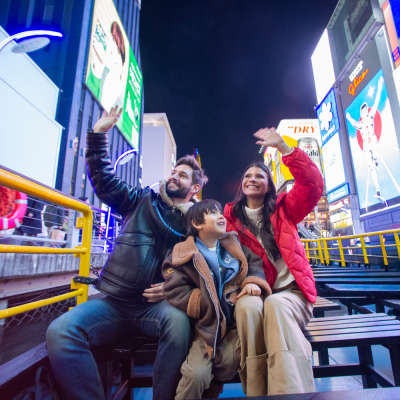
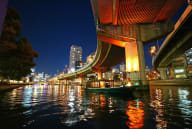
A short cruise of about 20 minutes along the Dotonbori River, which flows through the heart of Dotonbori. From the water, you can enjoy a close-up view of the lively streetscape lined with giant billboards and colorful signs. Night cruises are especially popular, when the neon lights reflecting on the river create a striking scene.
https://osaka-info.jp/en/spot/tombori-river-cruise/
Day 4, Osaka: Visiting Two Sacred Sites of Prayer
Katsuoji Temple

Located about an hour by car from central Osaka in Minoo Park, Katsuoji is a historic temple with a history of more than 1300 years and is also a popular destination for hatsumode, the traditional first shrine or temple visit of the New Year. Known as a place associated with prayers for victory and success, it attracts many visitors from around the world.
Within the temple grounds, countless daruma dolls—symbols of wishes fulfilled and success achieved—have been offered by worshippers. These rows of daruma create a distinctive scene unique to this temple.
On weekends, public holidays, and during peak seasons, the temple parking lot requires reservations, and visitors are encouraged to use the direct shuttle bus service from the nearest train station.
https://osaka-info.jp/en/spot/katsuoji/

After returning to the city center and enjoying an Osaka-style lunch around Namba Station, take public transportation to Sumiyoshi Taisha Shrine. With a history of more than 1,800 years, it is one of Japan’s most prominent shrines and the head shrine of all Sumiyoshi shrines across the country. Highlights include the National Treasure main halls and the iconic arched bridge.
Since ancient times, the shrine has been revered as a guardian of the sea and a deity of purification. Today, it is known for blessings related to safe childbirth, business prosperity, and more. During the first three days of the New Year, about two million visitors come to pray each year.
Hokkaido Region—Nature’s Wonders Across a Snow-Covered Landscape
Hokkaido, Japan’s northernmost region, is known for its vast natural landscapes and scenery that changes with the seasons. In particular, the eastern Hokkaido area—known as Doto—is famous for its expansive, largely untouched wilderness.
The region is known for its quiet, majestic scenery where wildlife lives freely.
From Osaka Itami Airport, travelers can reach Kushiro Airport, the main gateway to eastern Hokkaido, by connecting through New Chitose Airport.
Day 5, Osaka to Kushiro (Hokkaido): Journey to Snowy Eastern Hokkaido
From Kushiro Airport, it takes about one hour by bus to reach the city center. Start witha visit to Kushiro Fisherman’s Wharf, a lively complex where you can find local delicacies, regional sake, and sweets—making it an ideal place to look for souvenirs. Nearby stands Nusamai Bridge, famous for its beautiful evening views.
Robatayaki Renga

Robatayaki is a traditional Japanese style of cooking in which ingredients are grilled over charcoal at a hearth set in front of the guests. Kushiro is known as the birthplace of this culinary tradition. Robatayaki Renga is a long-established restaurant that has been beloved in Kushiro for many years. Here, fresh seafood landed at Kushiro Port is grilled right before your eyes, creating a lively dining experience. The restaurant’s retro atmosphere—set in a renovated brick warehouse—adds to the special charm of the meal.
https://en.kushiro-lakeakan.com/eat_souvenir/7660/
Day 6, Kushiro to Lake Akan: From a Port Town to the White Wetlands
Kushiro Washo Market

One of Hokkaido’s three major markets, alongside Hakodate Morning Market and Sapporo’s Nijo Market, Kushiro Washo Market is filled with fresh seafood typical of Kushiro, one of Japan’s leading port towns.
A local specialty is the “Katte-don,” a build-your-own seafood bowl. Visitors walk through the market with a bowl of rice, choosing their favorite toppings from different stalls to create their own seafood donburi.
Open from early morning, the market is a popular breakfast spot where visitors can casually enjoy Kushiro’s fresh seafood.
https://www.visit-hokkaido.jp/en/spot/detail_10020.html
SL Winter Wetland Train
A sightseeing train that runs through the winter scenery of the Kushiroshitsugen, typically operating only from January to March each year. The train is especially popular for its nostalgic atmosphere, with a retro-style interior and traditional daruma stoves for heating.
There is also a shop onboard where passengers can purchase coffee, sweets, and SL-themed goods. Along the route, you may be lucky enough to spot wildlife such as Ezo deer or red-crowned cranes, making the journey a uniquely Hokkaido winter experience.
https://www.visit-hokkaido.jp/en/spot/detail_11290.html
Board the train at Kushiro Station and get off at Toro Station. After lunch, continue on toward Lake Akan, about a 90-minute drive away. Near Toro Station you’ll find the Lake Toro Eco-Museum Center “Arukotto” and along the way, there are several scenic viewpoints. You can also stop at the Tsurui–Ito Tancho Sanctuary, where visitors can observe red-crowned cranes up close. The route offers plenty of worthwhile places to visit along the way.


Check in at this hot spring resort located on the shores of Lake Akan within Akan-Mashu National Park. The resort features indoor baths and open-air hot springs overlooking the lake, as well as a sauna and spa—perfect for relaxing after a day of travel. Within the hotel, an activity counter offers easy access to seasonal experience programs. With nature, hot springs, and cultural activities all in one place, it serves as an excellent base for exploring eastern Hokkaido.
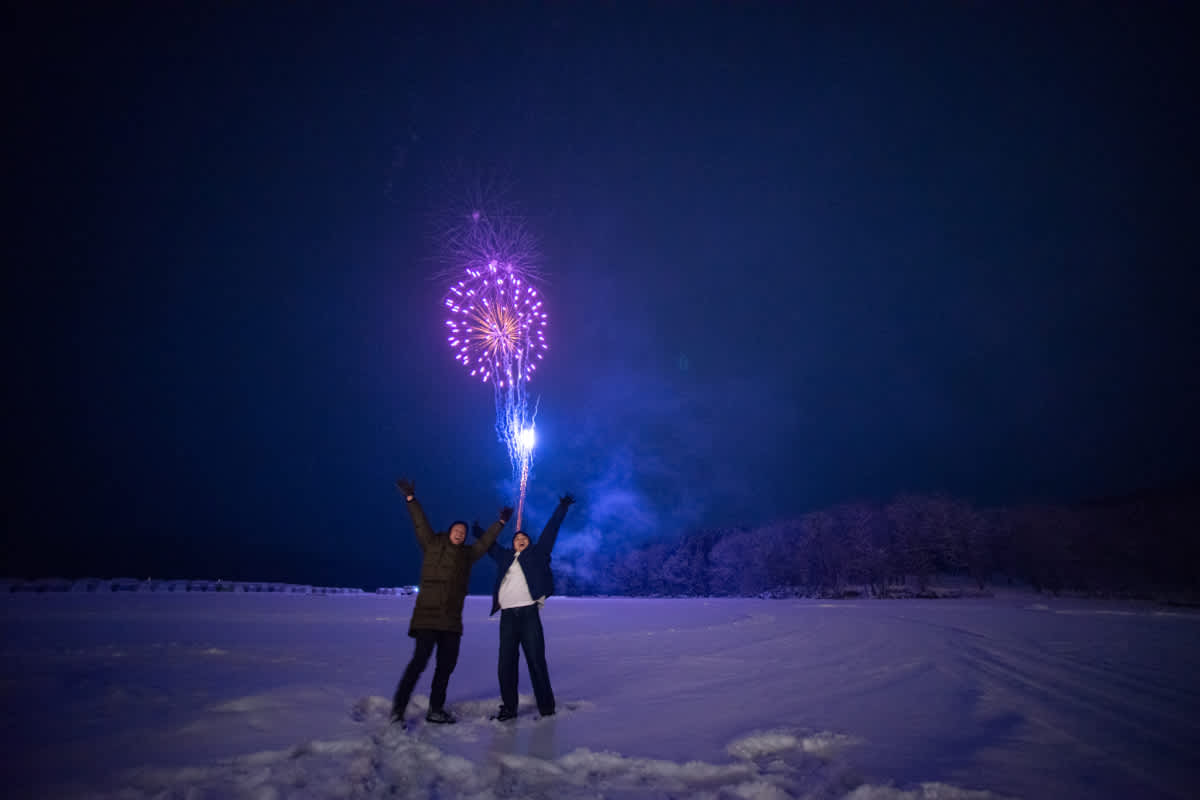
A seasonal winter event held every year on the frozen surface of Lake Akan. During the festival period, spectacular fireworks light up the night sky above the lake every evening. Illuminations and various visual effects create a magical atmosphere where ice and light come together to form a dreamlike winter landscape.
Day 7, Lake Akan to Shiretoko: Skiing in Hokkaido's Powder Snow

At Akankohan National Ski Area Utara, visitors can enjoy a variety of ski courses suitable for both beginners to advanced skiers seeking more challenging runs. The resort also features a board park and a kids’ park, making it welcoming for families as well. Its location overlooking Lake Akan adds to the appeal, and despite its compact size, the ski area offers a warm, local atmosphere loved by residents and visitors.
From the Lake Akan area, it is about a three-hour drive to the Utoro Onsen area of Shiretoko, a region registered as a UNESCO World Natural Heritage Site. Along the way, there are several worthwhile stops, including Mt. Io and Oshinkoshin Falls.
Day 8, Shiretoko: Exploring the World Heritage Winter Landscape


In winter, the Sea of Okhotsk becomes covered in a vast expanse of drift ice, creating a white landscape across the sea. This natural phenomenon occurs in only a few places in the world. One of the most popular winter activities in Shiretoko is the Drift Ice Walk. Wearing a special dry suit, participants can walk on the drift ice or float in the icy sea, experiencing this extraordinary environment up close.
Wildlife Watching


The Shiretoko area is rich in nature and home to a wide variety of wildlife, even during the winter months. Together with a guide, venture into the snowy landscapes to look for Ezo deer, as well as Steller’s sea eagles and white-tailed eagles soaring along the coastline and through the winter sky. Surrounded by Shiretoko’s quiet scenery of snow and ice, it is a special opportunity to experience the presence of wildlife up close and immerse yourself in the rhythms of nature.
Day 9, Shiretoko to Memanbetsu: Departing with Memories of Eastern Hokkaido
From the Shiretoko–Utoro Onsen area to Memanbetsu Airport, the bus journey takes about two and a half hours. Along the way, you can stop in Abashiri to board a Drift Ice Cruise or visit the Abashiri Prison Museum. Several winter attractions unique to Abashiri are scattered along the route, offering one last opportunity to experience the distinctive charm of eastern Hokkaido before heading home.