














Cruise Japan for the perfect combination of effortless travel and unforgettable experiences in the country’s less-frequented locations

Sydney, Australia – 8 September 2026: It’s no secret that cruising in Japan is growing in popularity.
Cruising offers a stress-free way to explore Japan while providing access to destinations that can be difficult to reach independently, from the major ports in Yokohama and Tokyo to lesser-visited regions rich in history and culture. Travellers can unpack once, enjoy the comfort of the same bed each night, all while discovering new coastlines and off-the-beaten-track port cities and towns each day.
And there’s no shortage of spots to explore, according to Naoki Kitazawa, Executive Director of Japan National Tourism Organization’s Sydney office.
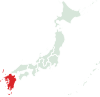
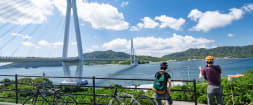
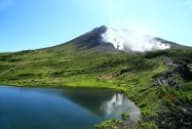
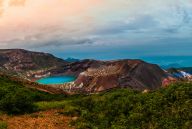
“From the volcanic peaks of Kagoshima to the rugged coastline of Hokkaido and the calm waters of the Seto Inland Sea, Japan’s natural diversity is so easy and special to appreciate from the water. But dock at a port in Japan, and there’s so much to experience, from culture, to food and everything in between.”
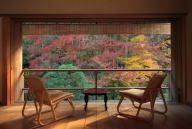
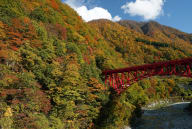
“Not only this, but cruising in Japan is beautiful year-round, thanks to our varied climate. As we move into the autumn season, cruisers can expect mild temperatures, spectacular autumn colours, fewer crowds and competitive fares. There’s no better time to discover some of Japan’s lesser-known ports by sea.”
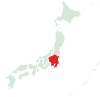
Shimizu Port (Shizuoka Prefecture)
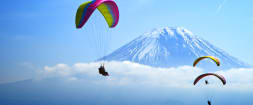
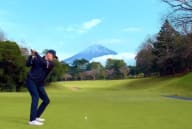
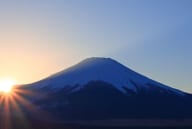
The Port of Shimizu offers some of Japan’s best views of Mt Fuji. Miho no Matsubara, a UNESCO-listed pine grove on a black sand coastline, boasts spectacular views of Mt Fuji across Suruga Bay. Nearby, Miho Shrine is connected to the beach by the ‘Path of the Gods’, a beautiful ancient pine-lined walkway. Visit Kunozan Toshogu Shrine, renowned for its ornate decoration and accessible by cable car, with panoramic views from the observation deck. Foodies take note, as this is the place for fresh fish – the Shimizu Fish Market (Kashi no Ichi) is among Japan’s busiest tuna landing ports. Shiraito Falls is famed for its curtain-like streams cascading over a rugged rock face and is around 75 minutes from the port.
Hiroshima Port (Hiroshima Prefecture)
Most cruise ships dock at Hiroshima Port (Ujina), which is around 15 minutes from the city centre by shuttle or taxi. If you have a full-day port call, visit the city’s most important site, the Hiroshima Peace Memorial Park, which commemorates the victims of the 1945 atomic bombing, and the Peace Memorial Museum, one of Japan’s most moving museums, which tells the story through personal accounts, artefacts and historical exhibits. Nearby, the Atomic Bomb Dome, a preserved ruin, is also a UNESCO World Heritage Site. Hiroshima Castle, originally built in the 16th century, houses exhibits on samurai history. Finish with a visit to the serene Shukkeien Garden, known for its traditional landscaped gardens and teahouses.
Nagasaki Port (Nagasaki Prefecture)
Nagasaki presents a unique blend of Japanese, Dutch, Portuguese and Chinese influences, and cruise ships dock close to the city centre, making many attractions easy to reach. Glover Garden is a highlight, a hillside open-air museum featuring beautifully restored 19th-century Western merchant houses. Oura Cathedral, built in 1864, is said to be Japan’s oldest surviving Christian church and forms part of a larger UNESCO World Heritage Site. West of the city centre, Mt Inasa offers one of Japan’s best panoramic night views. Photography buffs also shouldn’t miss Megane Bridge, built in 1634 – this elegant stone bridge is one of the country’s oldest and named for the reflection of its arches in the river, which resembles a pair of spectacles. History-wise, the city’s Nagasaki Peace Park and Atomic Bomb Museum commemorate the 1945 atomic bombing.
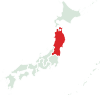
Sakata Port (Yamagata Prefecture)
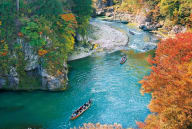
Sakata lies at the mouth of the Mogami River, where you can take a traditional river cruise through one of northern Japan’s most scenic valleys. The Kamo Aquarium houses the world’s largest jellyfish collections, while the historic Sankyo Warehouses showcase Sakata’s prosperous rice-trading history beneath a beautiful avenue of zelkova trees. Refuel with a bowl of Sakata ramen – made with seafood-based broth, it is considered a local soul food. Continue to the Three Mountains of Dewa (Dewa Sanzan) pilgrimage area, around an hour away, where you can discover the 300-year-old sacred cedar trees, the five-storey pagoda and the majestic Sanjin Gosaiden shrine. Back in the heart of the city, visit Somaro, a teahouse that features maiko dance performances and the hina doll gallery.
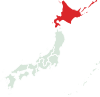
Otaru Port  (Hokkaido Prefecture)

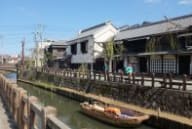
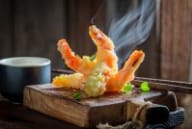
The highlight of Otaru is its famous canal, a peaceful waterway with historic warehouses that line the banks. The gas lamps in the evening make this a romantic backdrop year-round. Otaru is considered one of Japan’s best cities for sushi, with more than 100 restaurants. It is famous for locally caught sea urchin, abalone and mantis shrimp. Visit ‘Sushi Street’, for a taste of some of Japan’s most famous foods. Or check out Sakaimachi Street, which is famous for its glassware, music boxes and confectionery shops – perfect for souvenirs. Otaru is also home to wineries, whisky distilleries and sake breweries, with guided tours offering insights into traditional sake brewing processes.
Hakata Port (Fukuoka Prefecture)
Hakata Port is located in central Fukuoka City. Don’t miss Kushida Shrine, Hakata’s important shrine, with a history spanning more than 1,200 years. Just outside the city, Dazaifu Tenmangu draws millions of students and scholars each year, all coming to pray to the god of learning for success. Visit Tochoji Temple, a historic temple featuring a massive 10.8-metre-tall wooden seated Great Buddha, or Canal City Hakata, a large, colourful shopping and entertainment area built around a central canal. Yanagibashi Rengo Market is known as the ‘Kitchen of Fukuoka’ – it’s a must-visit, with Fukuoka City widely regarded as one of the birthplaces of udon noodles. End the day sampling Hakata’s famous yatai (open-air food stalls), where local favourites including ramen, yakitori and seafood are served into the evening.
For more information and inspiration, visit the following link for brochures on Japanese ports and more: www.japan.travel/en/japanesecruiseships/.
-ENDS-
For media enquiries contact jnto@gtitourism.com.au
About JNTO
Japan National Tourism Organization (JNTO) is a government body whose aim is to promote Japan internationally as both a leisure and business travel destination through the themes of Adventure, Travel, Sustainable Tourism, and Luxury Travel. JNTO has 26 international offices and is the ultimate resource for travel-related information on Japan. Sydney Office, Japan National Tourism Organization (JNTO) services Australia, New Zealand, and the Pacific region.
