


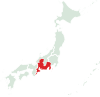
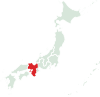
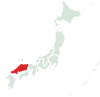
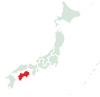


























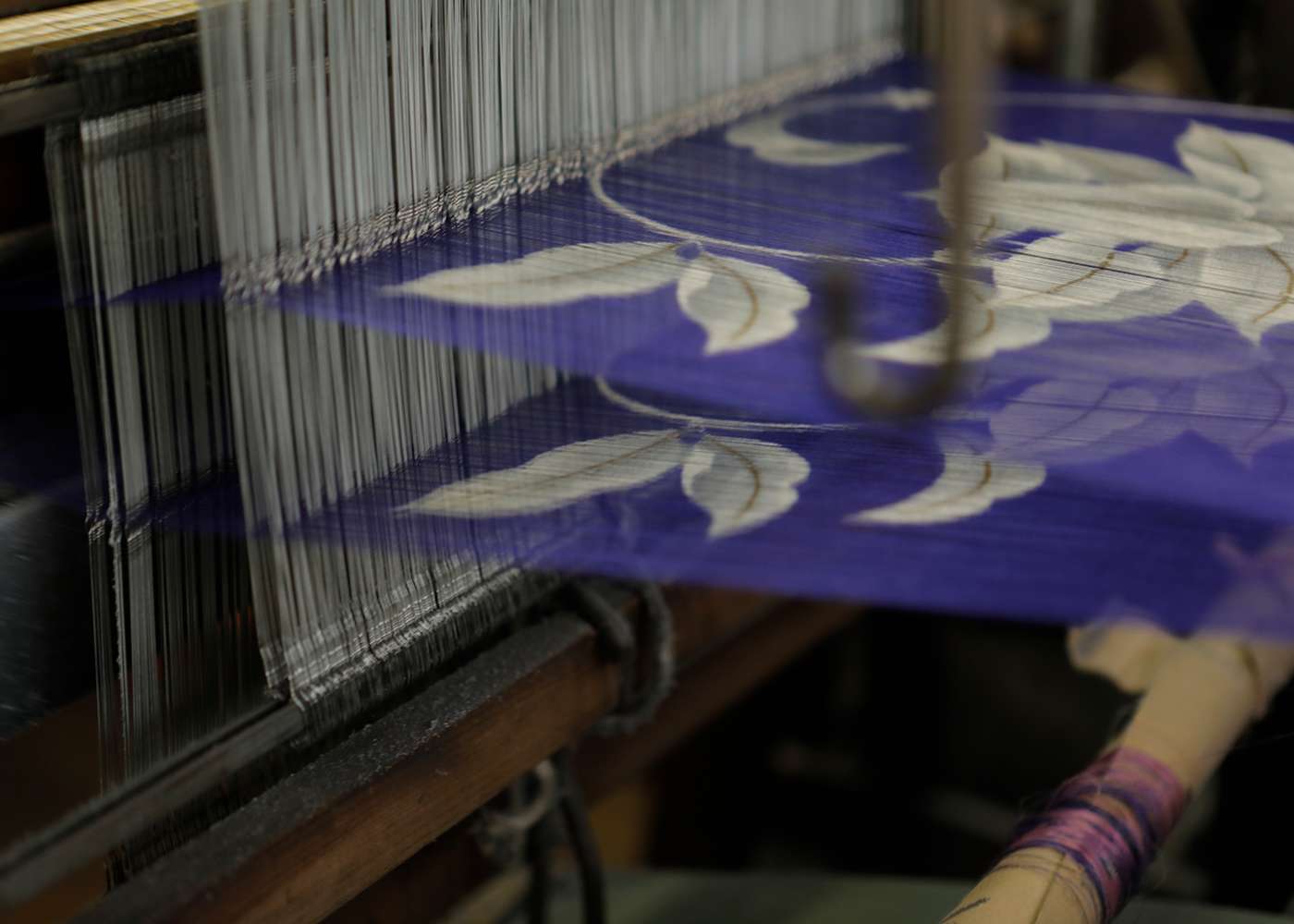
Japan’s textile traditions are as diverse and rich as the landscapes from which they emerge. From snowy plains to coastal villages and mountain towns, each region weaves its own unique story through color, texture, and inherited craftsmanship.
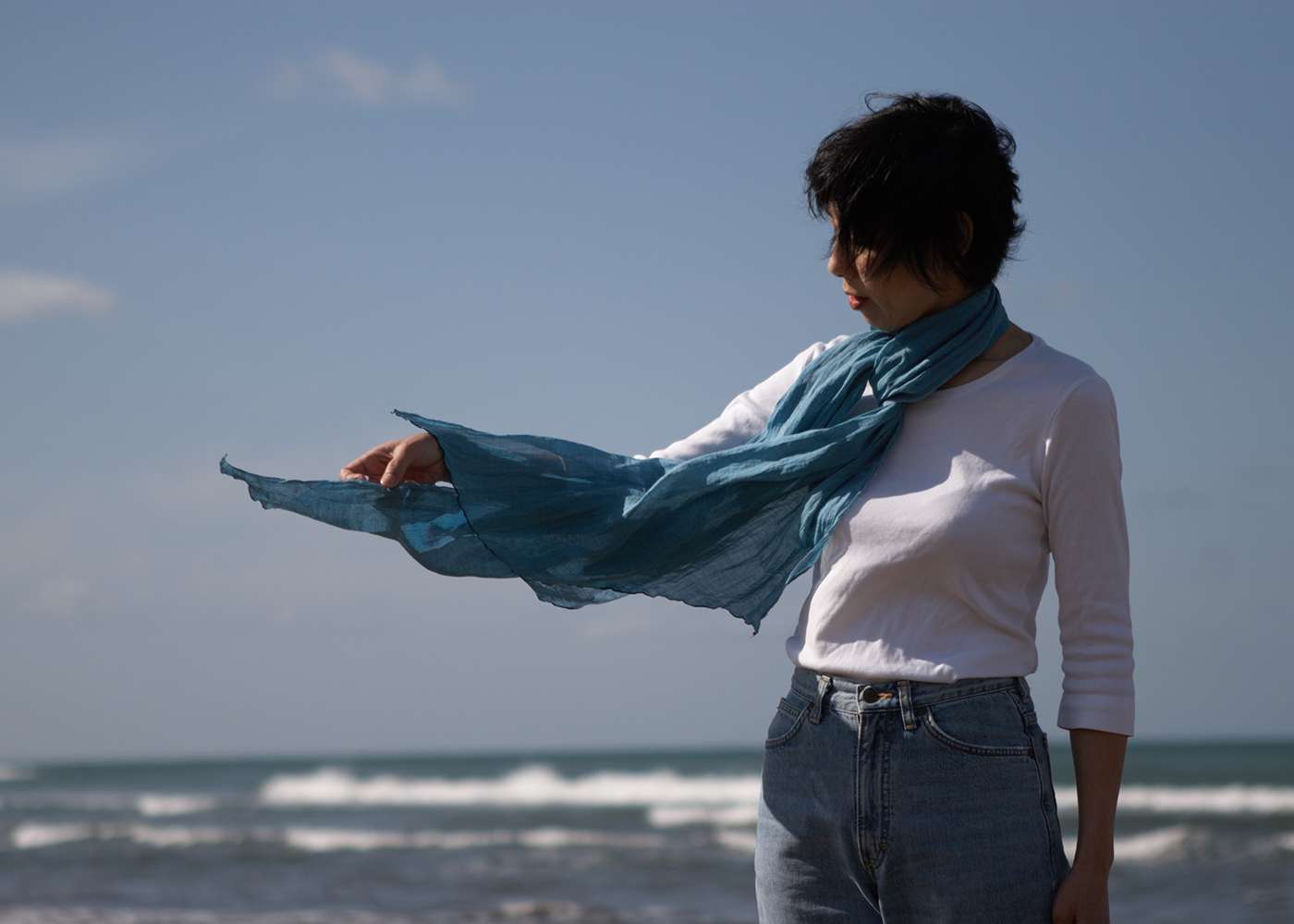
These fabrics are not simply materials for clothing; they are living expressions of local history, climate, and the dedication of generations of artisans. As you explore Japan, enjoy shopping while experiencing the enduring appeal of a textile culture that remains vibrant across the country. Each piece of fabric weaves together the maker’s passion and the unique culture of its land.
Softened by Sunlight and Snow: Ojiya Chijimi – Niigata Prefecture
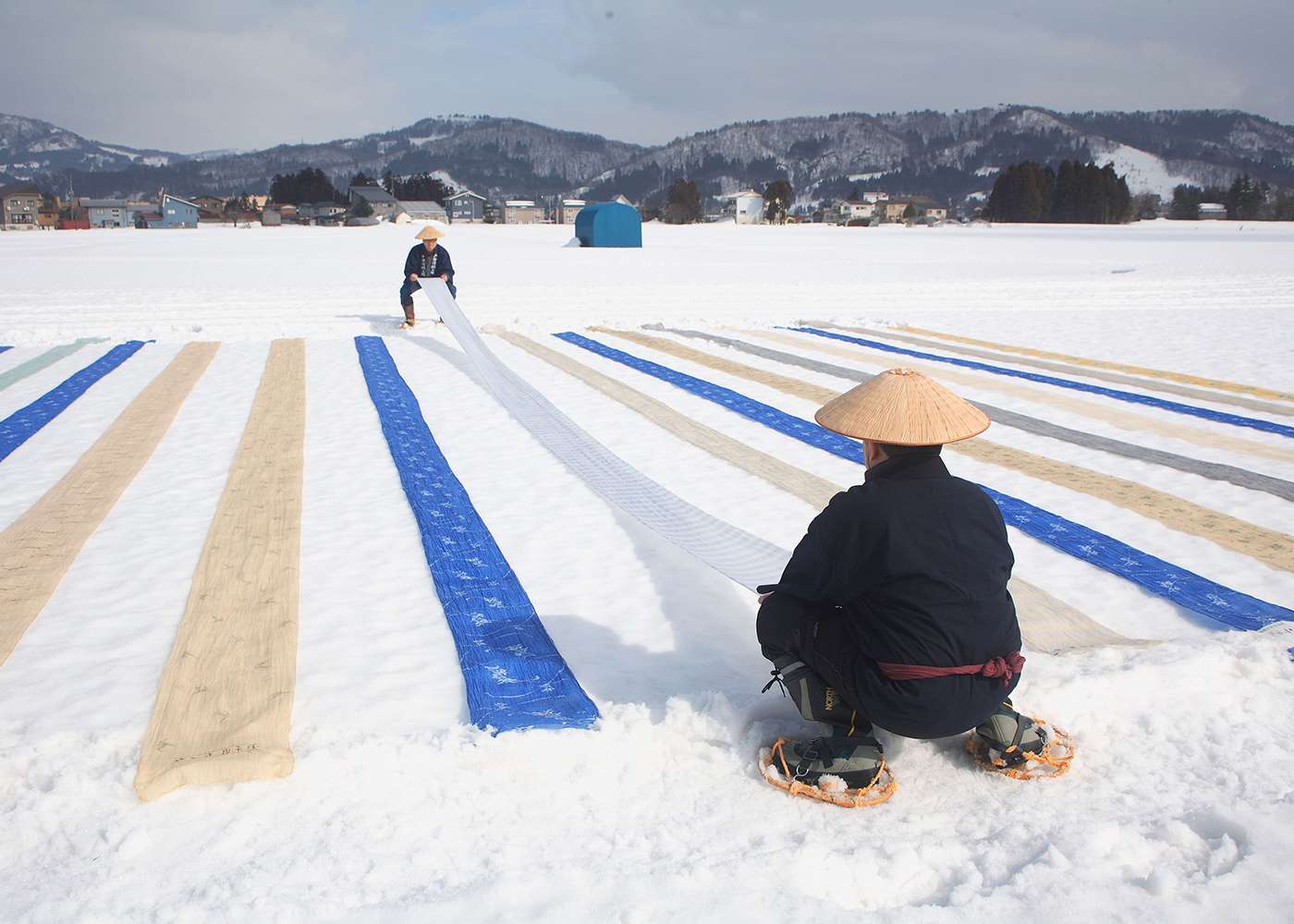
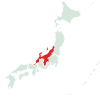
In the snowy region of Niigata Prefecture, Ojiya chijimi textiles have been crafted for centuries in response to the local climate. Made from fibers of ramie, a plant in the nettle family, this lightweight fabric is known for its crisp texture and excellent breathability.

The process is deeply connected to nature: after weaving, the cloth is traditionally laid out on snow-covered fields, where sunlight and snow work together to naturally bleach the fibers, enhancing the brilliance of the whites and bringing the woven patterns into crisp, elegant relief. This technique, called yuki-zarashi, could only have emerged in a region like Niigata, where heavy snowfall and the gentle warmth of early spring define the landscape. Originally worn as a summer kimono fabric, it is now also used in modern items such as stoles and garments that feel cool and comfortable against the skin.
Born from Handmade Threads: Notojofu – Ishikawa Prefecture
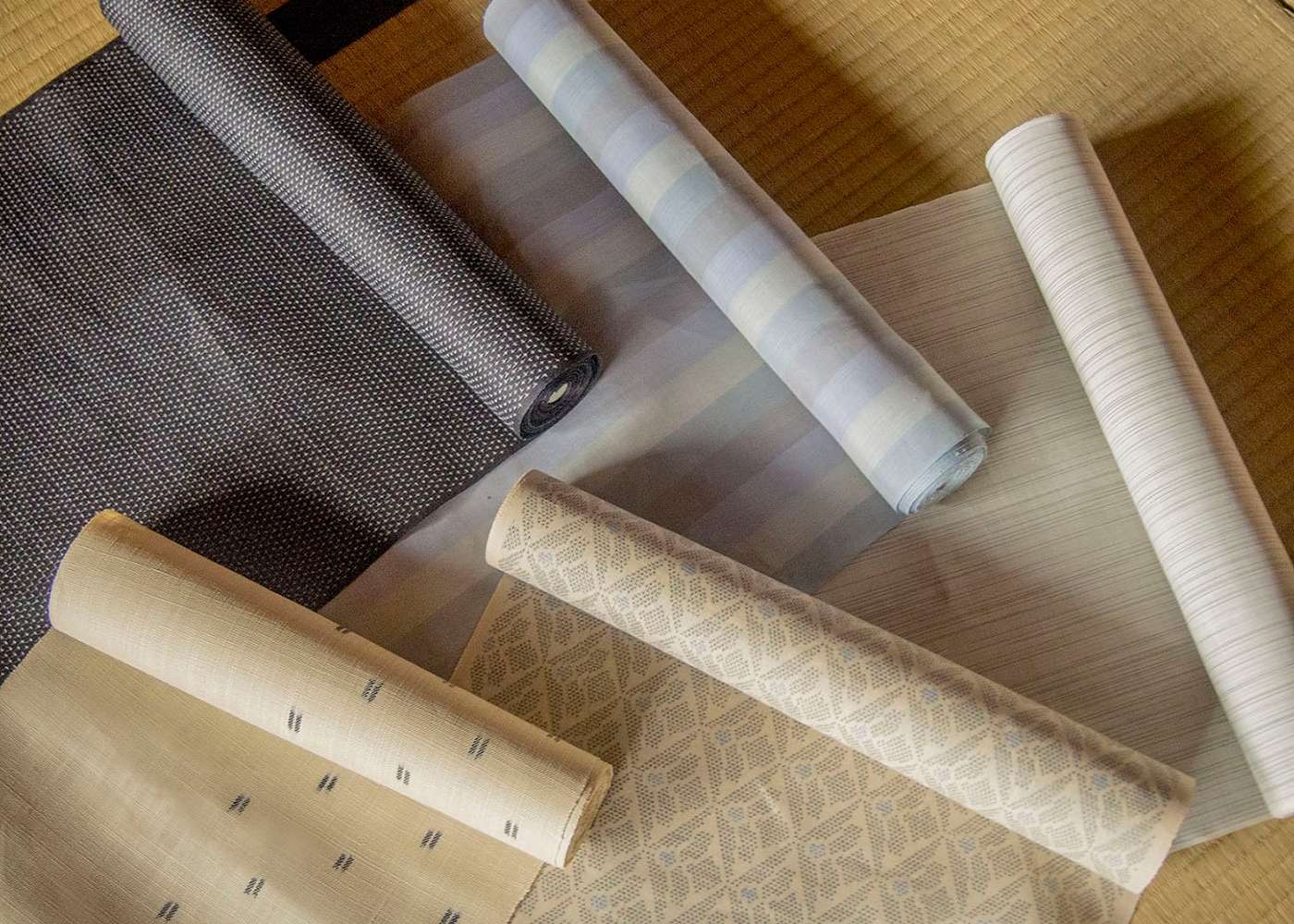
Along the rugged coastline of the Noto Peninsula, Ishikawa Prefecture, Notojofu represents a refined ramie textile tradition dating back over 2,000 years to when the Imperial Empress taught residents of the Nakanoto how to weave. Known for its sheer, elegant appearance, Notojofu is painstakingly handmade from thread to fabric.
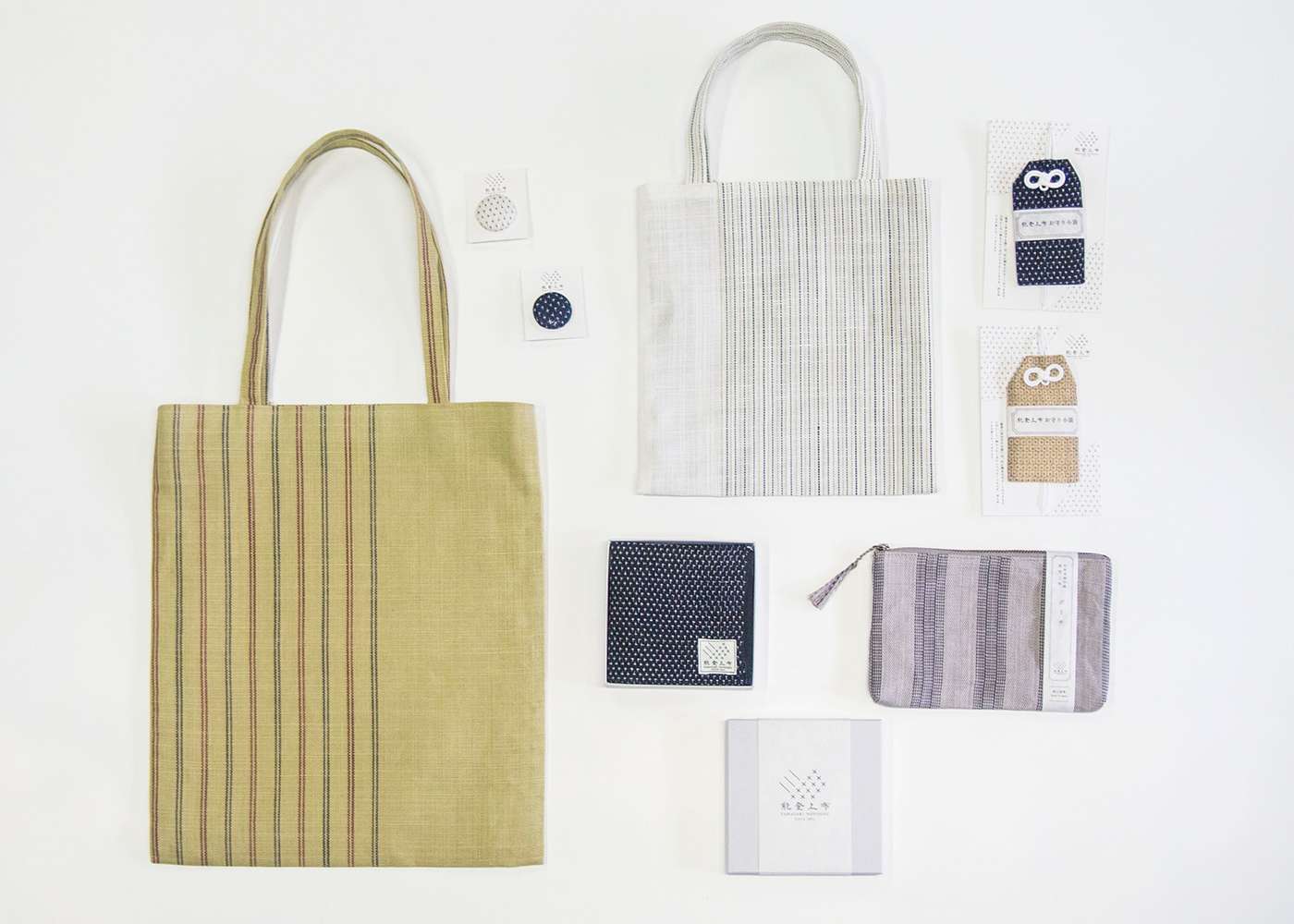
The fibers are hand-split, twisted, woven, and finished using time-consuming methods that demand patience and precision. The result is a fabric that is light, strong, and subtly lustrous. Historically prized by the nobility, Notojofu is today appreciated by those who value understated beauty and craftsmanship rooted in tradition.
Dyed Signature Indigo Blue: Awa Shoai Shijira Ori – Tokushima Prefecture

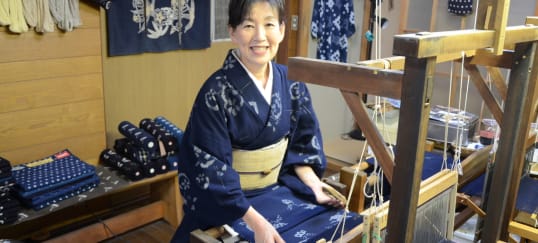
Tokushima Prefecture, located on the island of Shikoku in southern Japan, is famous for its indigo dyeing, known as Awa Shoai. Shijira Ori is one of the prefecture’s most beloved textiles dyed using this method. This cotton fabric, characterized by its slightly wrinkled surface, allows air to circulate and keeps the wearer cool during Japan’s humid summers.
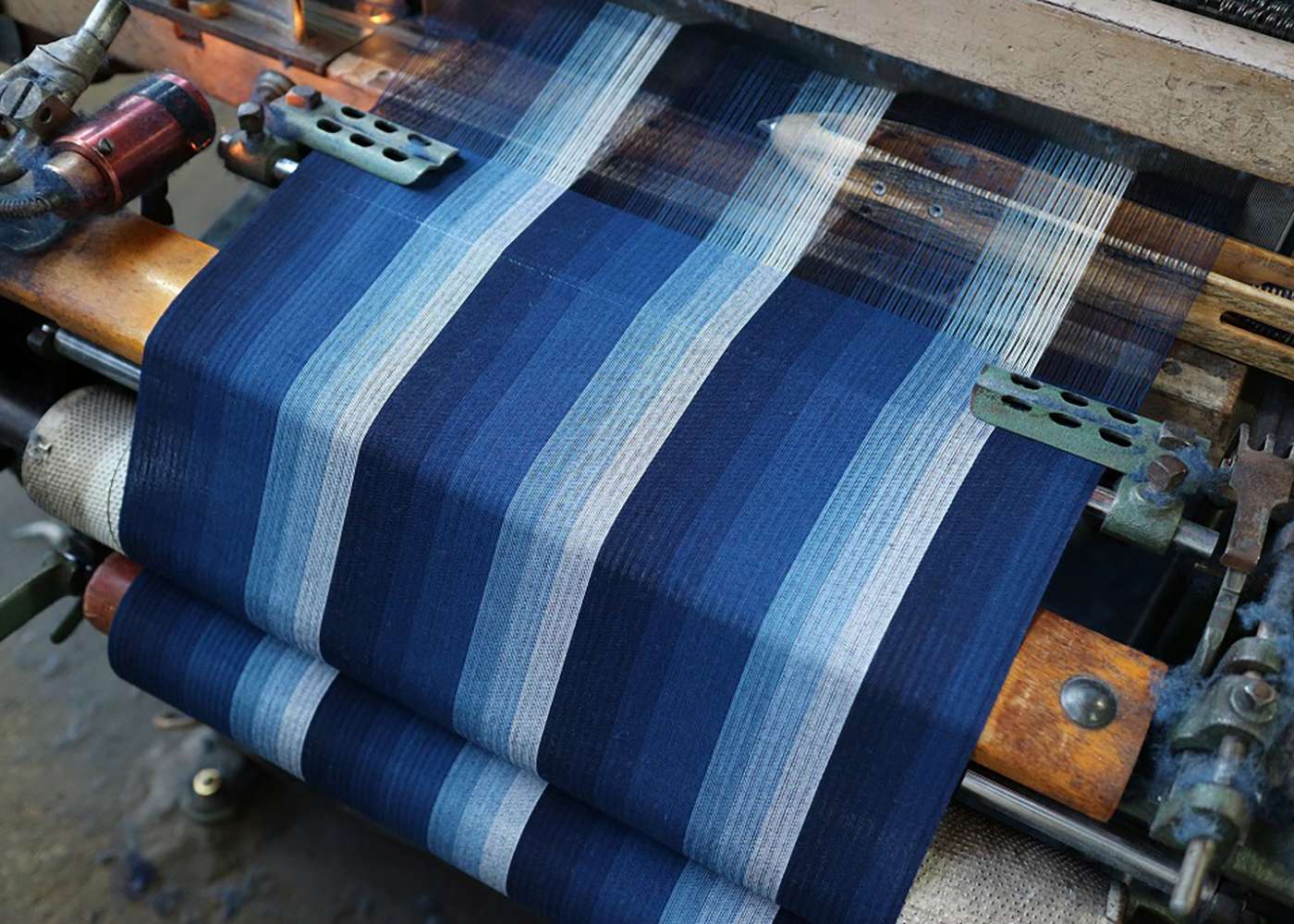
Dyed with natural indigo―a color known as “Japan blue,” Shijira Ori displays soft yet vivid blue tones that deepen over time. The fabric’s casual elegance made it popular among townspeople during the Edo period (1603–1867), and today it continues to be used in clothing and lifestyle goods that blend tradition with everyday comfort.
Woven in Vibrant Patterns: Chichibu-meisen Silk – Saitama Prefecture
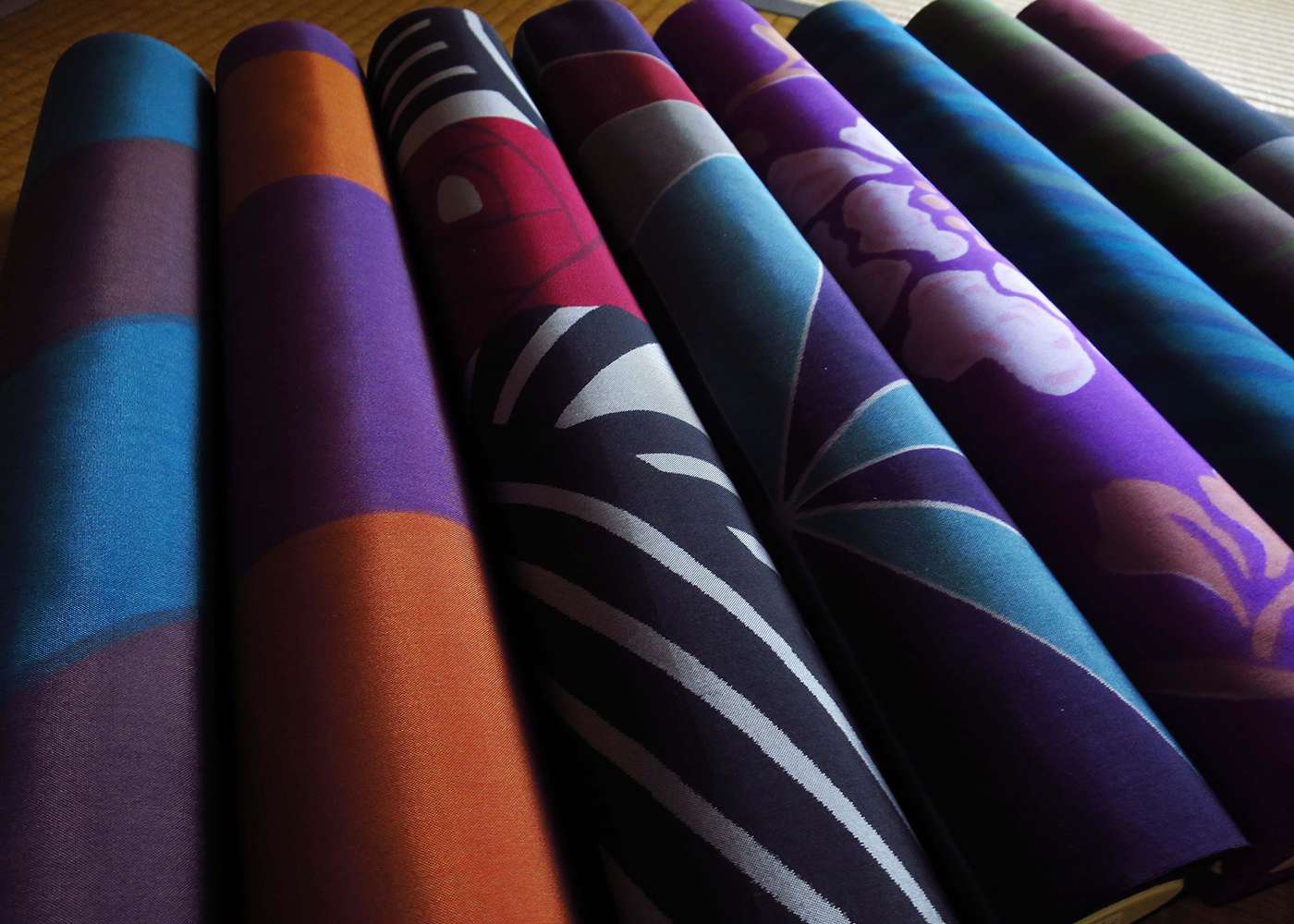
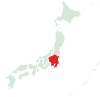
In the mountainous region of Saitama Prefecture, Chichibu-meisen silk tells a story of innovation and modernity within tradition. Unlike many more subdued kimono fabrics, Chichibu-meisen silk is known for its bold patterns and vibrant colors. The threads are stencil-dyed before weaving, resulting in slightly blurred, expressive designs.
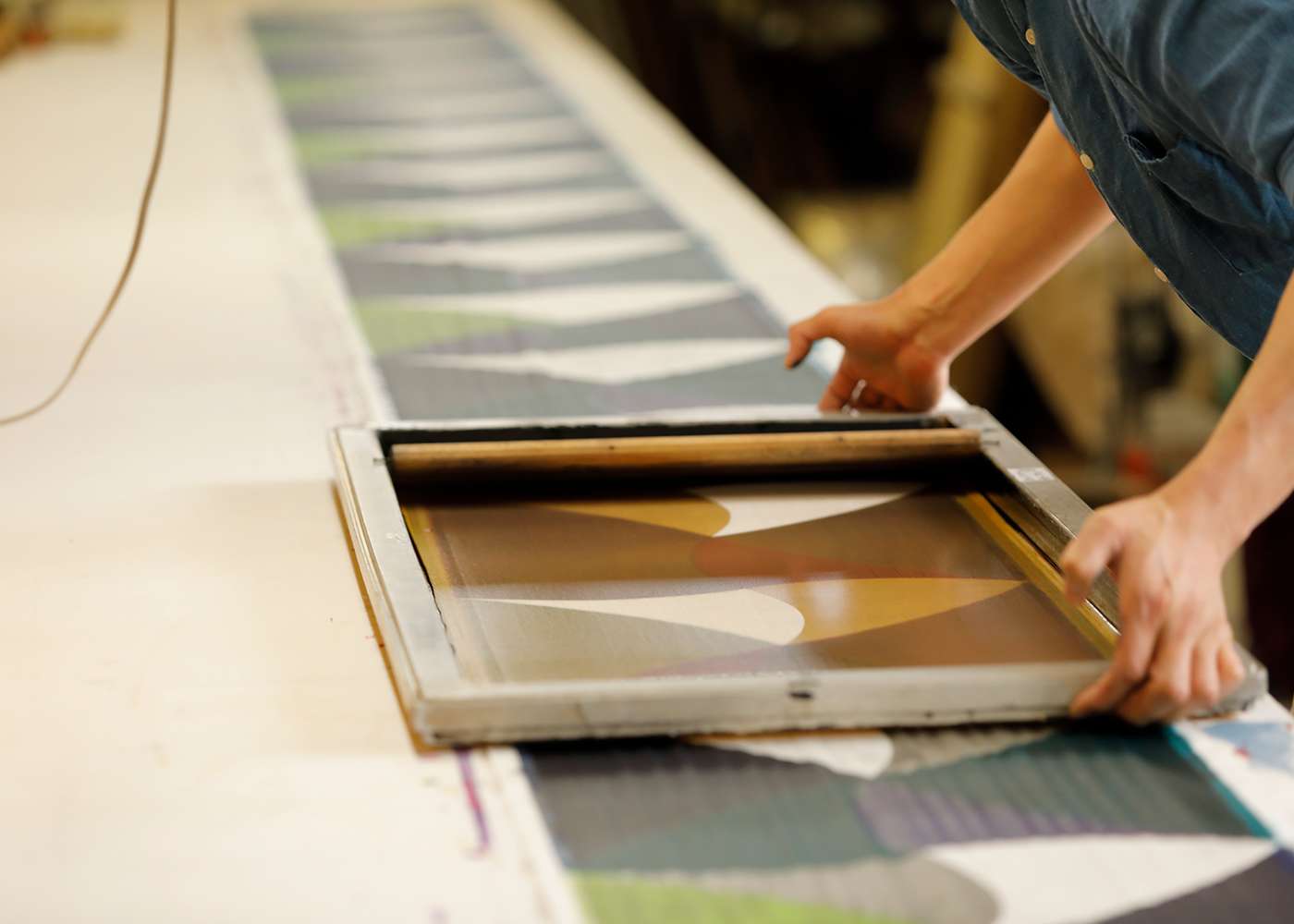
Chichibu-meisen silk flourished in the early 20th century as fashionable, affordable kimono fabric for women, reflecting the energy of a modernizing society. Today, its dynamic patterns continue to inspire contemporary fashion and accessories, while classic designs retain a playful retro quality.
A World Woven in Thread
Beyond the fabrics themselves, the world of Japanese textile culture becomes increasingly fascinating the more you explore!
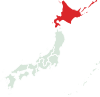
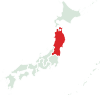
Across Japan, traditional textile techniques abound, from the mud-dyeing of Amami Oshima in the far-flung south to the sturdy sashiko embroidery of northern Tohoku, and even Nibutani bark cloth up in Hokkaido which is made from dried Manchurian Elm and Japanese Lime bark.
Each region’s cloth reflects its environment, history, and people, offering not just something to wear or use, but a story to carry home.
Where to Buy and What to Choose
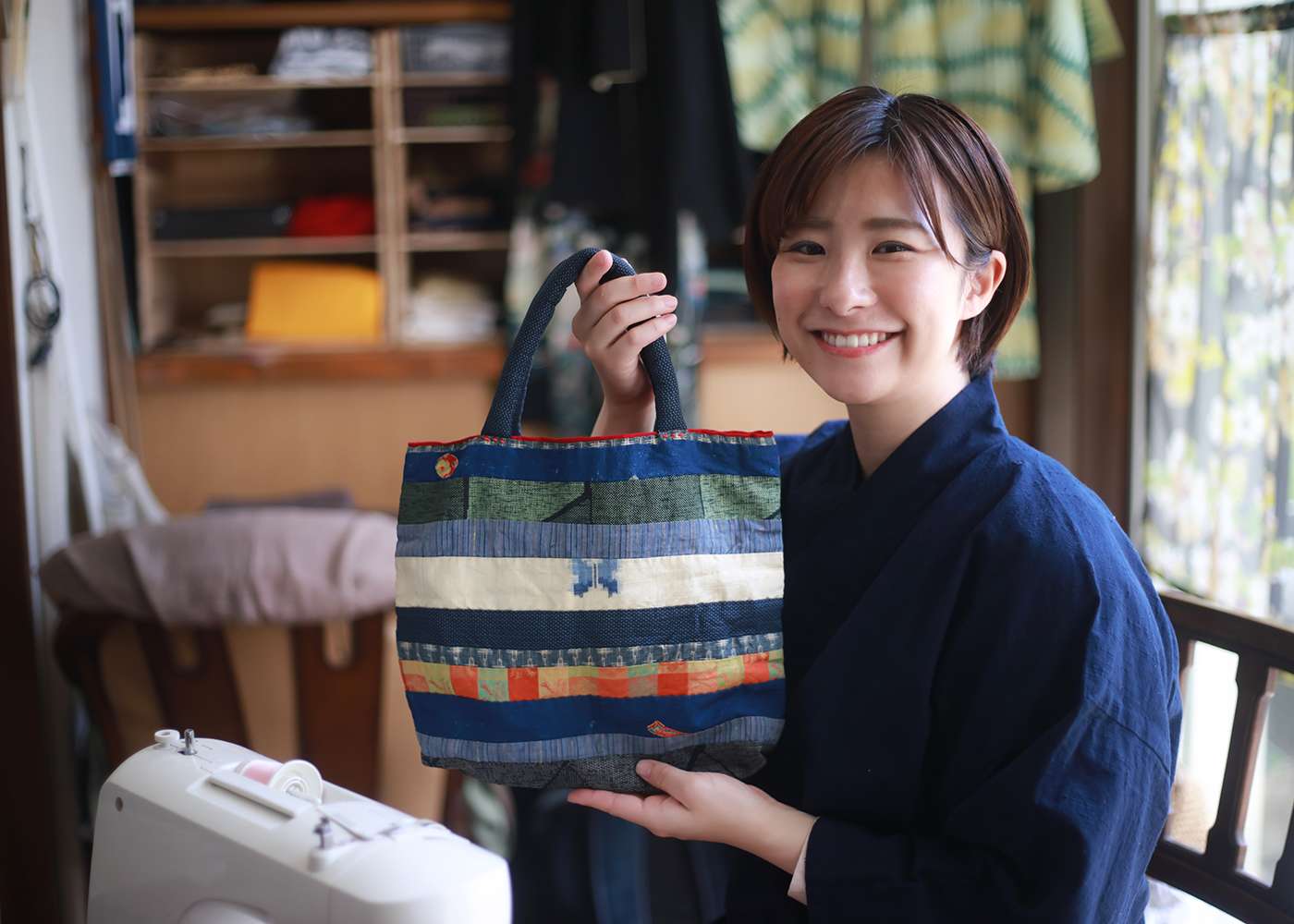
Traditional Japanese textiles can be found at roadside stations and craft shops in each producing region, where purchasing directly supports local artisans. Some shops even carry rolls of fabric, perfect for making your own creations, such as cushions and clothing.
They are also available at select shops in international airports like Haneda and Narita, making them easy to find even on a short visit. Popular items include stoles, dresses, eco-bags, ties, pouches, and other small accessories that fit easily into your luggage. These items make ideal souvenirs—lightweight, meaningful, and uniquely Japanese.
Related Links:
Ojiya Chijimi – Ojiya City Official Site
Notojofu
Awa Shoai Shijira Ori - Tokushima Prefectural Products and Tourism Exchange Plaza "Arudeyo Tokushima"
Chichibu-meisen Silk - ARAKEI
Recommended For You
-
About the author
Author : Noam Katz
A chance backpacking trip as a university student led Noam to develop a lifelong interest in Japan. Even after living in and traveling around all of Japan's 47 prefectures, he still wants to explore more of the country.

