






















Use the
Planning a Trip to Japan?
Share your travel photos with us by hashtagging your images with #visitjapanjp
Traveling from east to west, this autumn journey links Japan’s three great cities—Tokyo, Nagoya, and Osaka—while weaving through Nikko, the foothills of Mt. Fuji, historic post towns, and the ancient capital of Kyoto. From mountains and lakes painted in vivid autumn hues to historic temples, traditional streetscapes, and contemporary cityscapes, the route reveals Japan’s seasonal beauty and cultural depth from multiple perspectives—by train, on the water, and even from the sky. The journey unfolds as a refined travelogue that captures the many layers of Japan in autumn.

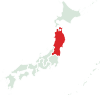
Kanto Region—Discovering Nikko’s Autumn Colors and Tokyo’s Seasonal Beauty
Day 1, Tokyo to Tochigi: A Luxurious Train Journey to World Heritage Nikko

From Asakusa in Tokyo, board the new Limited Express Spacia X, a limited express train operated by Tobu Railway, for a comfortable two-hour journey to Nikko. Designed as a luxury travel experience, the train offers a variety of seating options—including private compartments and sofa-style seats—making the journey itself a highlight of the trip.

Enjoy an early lunch with a beautifully prepared ekiben—a boxed meal sold at train stations—while watching the scenery unfold outside the window, or stop by the onboard cafe counter in Car 1 to sample sweets and drinks inspired by the regions along the route.

Nikko Toshogu Shrine is one of the key components of the UNESCO World Heritage Site, Shrines and Temples of Nikko. Within its grounds stand numerous shrine buildings designated as National Treasures and Important Cultural Properties, noted for their richly colored decoration and intricate carvings.
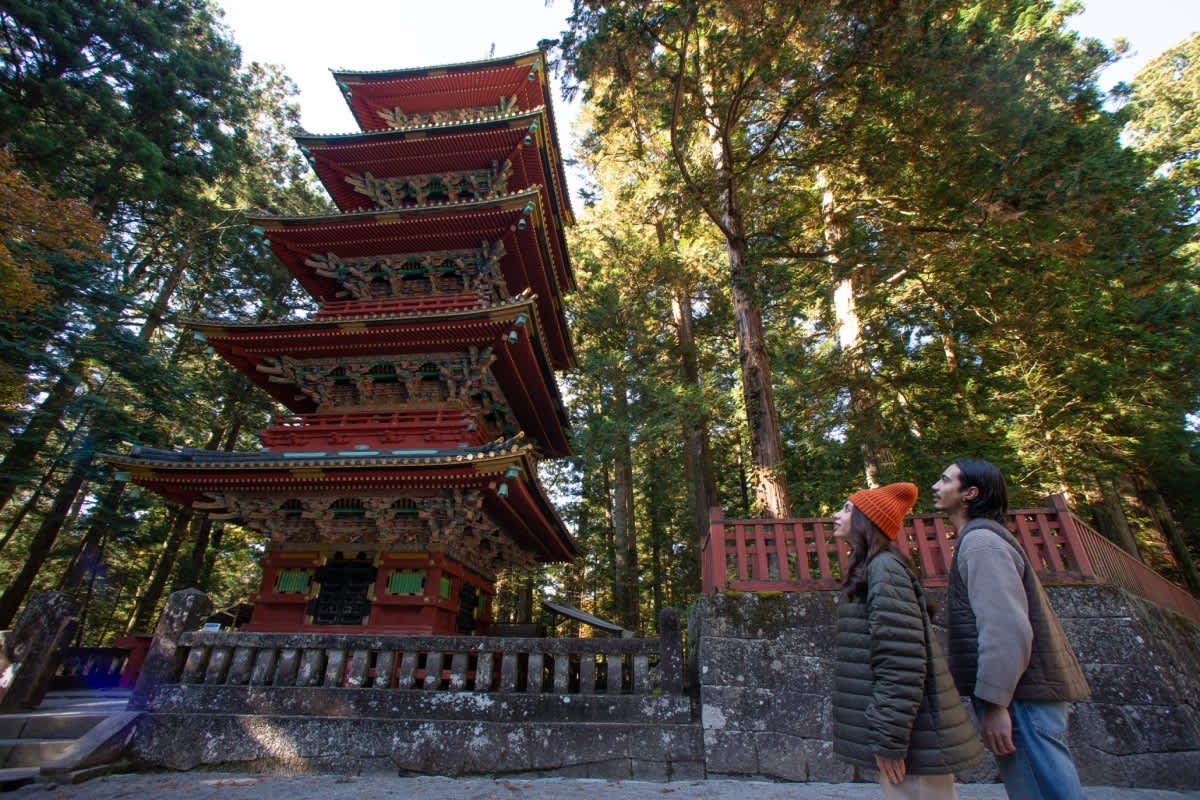
In autumn, the historic architecture is set against the surrounding natural scenery, creating a striking seasonal landscape that has come to symbolize Nikko for many visitors.

Rinnoji Temple is a historic temple that forms part of Nikko’s UNESCO World Heritage site alongside Nikko Toshogu Shrine. Its main hall, Sanbutsudo, enshrines three Buddha statues regarded as the deities of the Nikko mountain range, offering a glimpse into the region’s deep-rooted spiritual traditions.

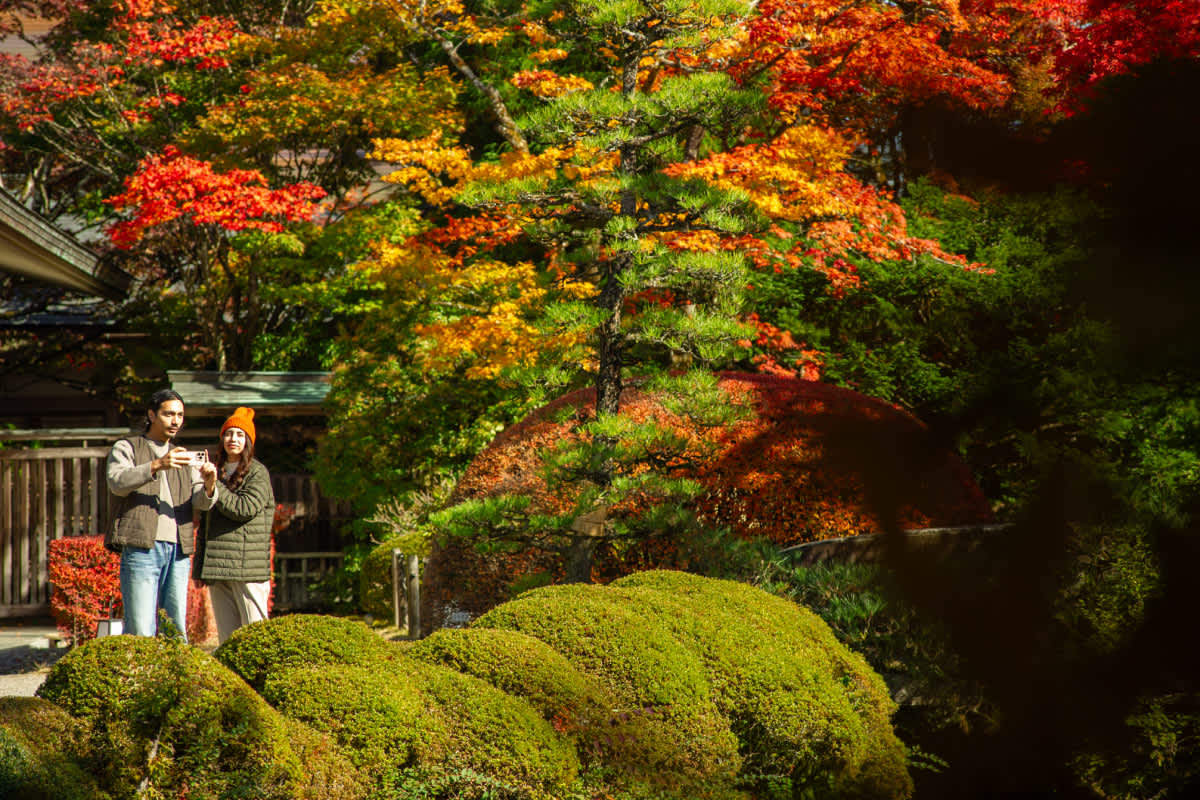
Nearby, the Shoyoen Garden is one of Nikko’s finest autumn foliage spots. Red and golden leaves frame the pond, offering a tranquil setting for a leisurely stroll just steps from Toshogu Shrine.
The Ritz-Carlton, Nikko
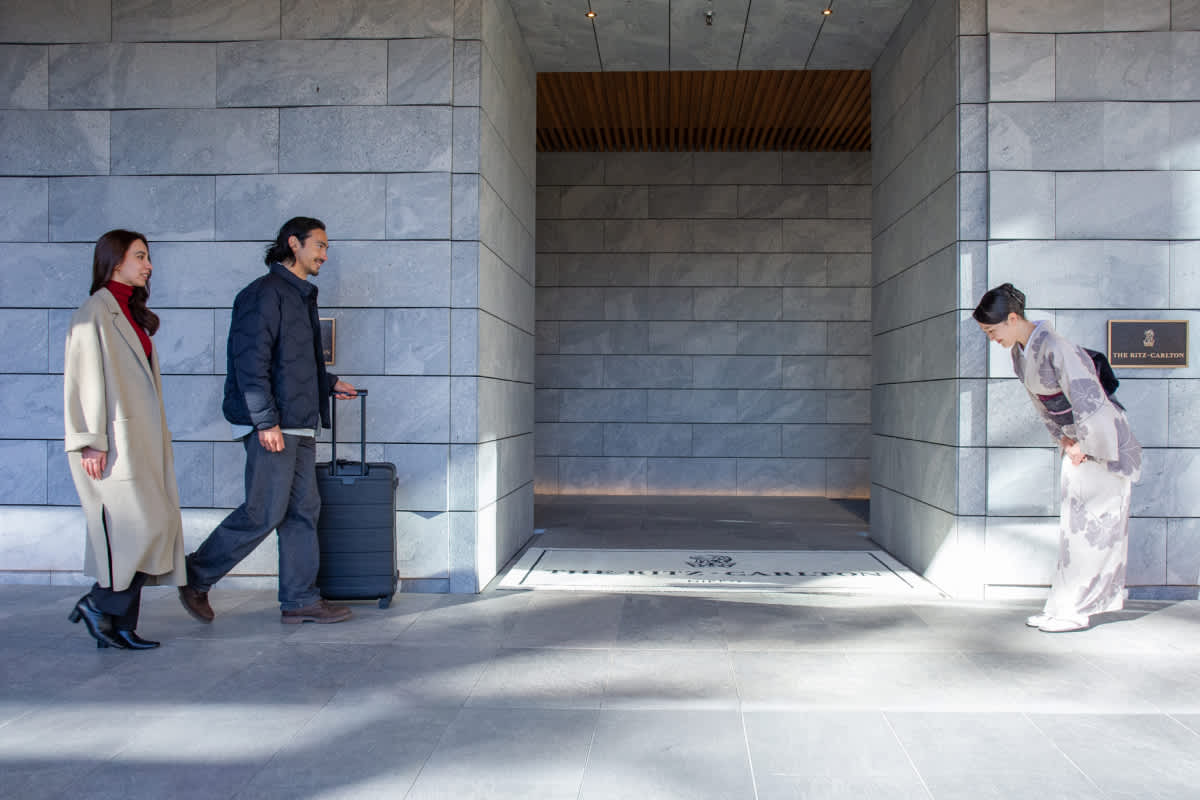
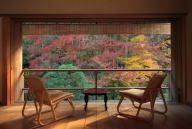
Set within Nikko National Park, this luxury hotel offers a serene retreat surrounded by mountains and Lake Chuzenji.

From the courtyard and guest rooms, enjoy sweeping views of the lake, Mt. Nantai, and the surrounding Nikko mountains, as their slopes glow with autumn color.

At Lakehouse, a restaurant centered on garden gastronomy, seasonal dishes made with Tochigi ingredients provide a refined taste of Okunikko’s local flavors.
https://www.visit-tochigi.com/plan-your-trip/things-to-do/24070/
Day 2, Tochigi to Tokyo: Autumn Foliage at Lake Chuzenji and an Evening of Local Dining

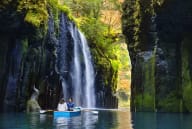
After a relaxed morning at the hotel, head to Lake Chuzenji, formed by volcanic activity some 20,000 years ago. In autumn, the surrounding mountains are reflected vividly on the lake’s surface.
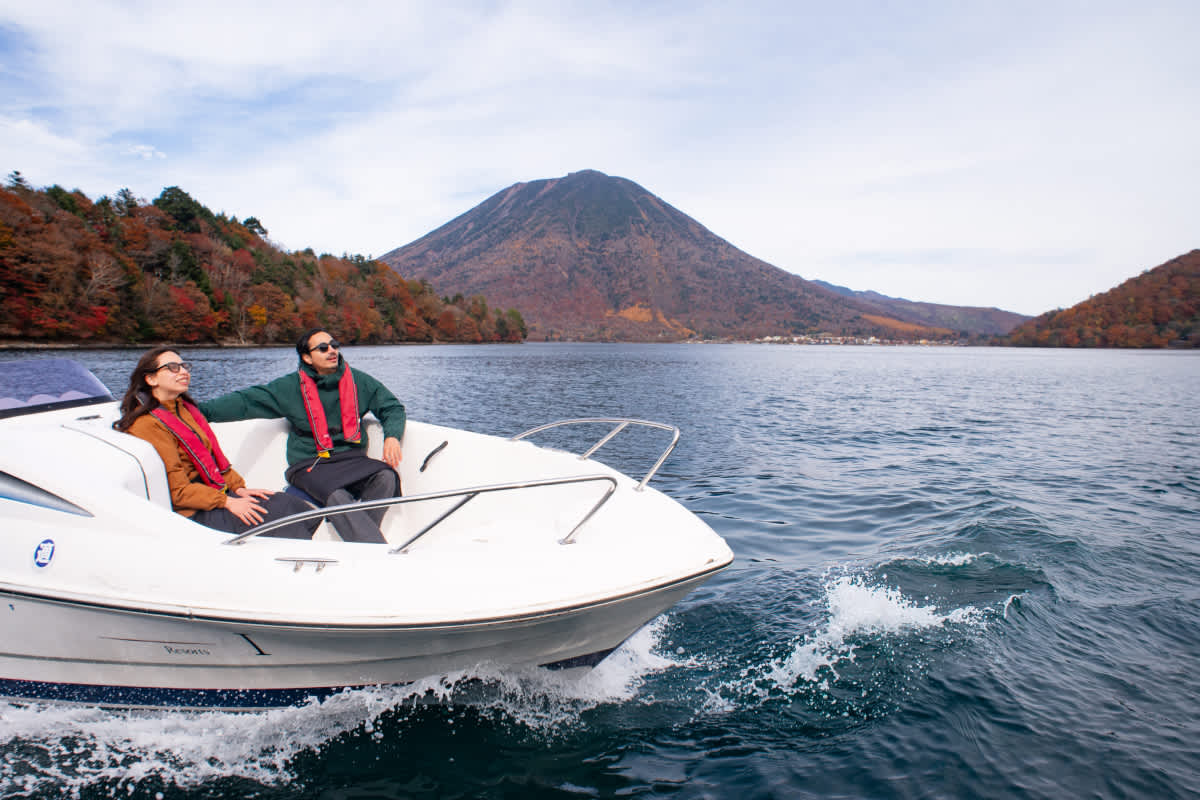
A motorboat cruise offers perspectives inaccessible by land—skimming across the water, surrounded by fall colors, and ideal for photography.

Return to Tokyo by bus and limited express train. In the evening, visit an izakaya, where Japanese food culture can be enjoyed in a relaxed setting. A wide range of small dishes—such as sashimi, yakitori, and tempura—are typically shared, allowing diners to sample a variety of flavors. Many such establishments can be found throughout the city.

The casual, welcoming atmosphere is also part of the appeal. Enjoying a glass of sake or shochu while chatting with staff offers a glimpse into everyday Japanese hospitality.
Day 3, Tokyo: Autumn Streets and City Lights

Begin the day with a stroll along the iconic ginkgo-lined avenue at Meiji Jingu Gaien Park. Stretching roughly 300 meters, the perfectly aligned trees turn a brilliant gold in autumn, forming a luminous tunnel ideal for walking and photography. Cafés and bakeries nearby make it a perfect spot for brunch.

In the afternoon, explore Ginza, one of Tokyo’s premier shopping districts. Luxury brands and long-established department stores line the streets, offering an elegant urban experience.

At GINZA SIX, a flagship shopping complex, browse international and Japanese brands alongside distinctive select shops. At GYOKUSENDO, a brand that showcases the beauty of Japanese craftsmanship, visitors can purchase copper tea ware made using traditional techniques. Enjoy curated art installations and relax in the rooftop garden, or take a break at one of the complex’s elegant cafes.
https://www.gotokyo.org/en/spot/260/index.html

Travel to Saitama Misato Helipad, which is easily accessible from central Tokyo, and take part in a night cruising experience that offers aerial views of the city. From above, landmarks such as Tokyo Skytree and the illuminated cityscape appear as lines of light, revealing Tokyo on a scale quite different from that seen at street level.

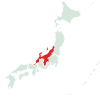
Chubu Region—From Mt. Fuji to Historic Post Towns
Day 4, Tokyo to Yamanashi: Lake Kawaguchi and Mt. Fuji in Autumn Foliage

From Shinjuku, take the Limited Express Fuji Excursion to Lake Kawaguchi in about two hours. Situated at the foot of Mt. Fuji, the lake offers some of Japan’s most iconic views.
Ride the Mt. Fuji Panoramic Ropeway to an observation deck nearly 1,000 meters above sea level, where sweeping views of the lake and Japan’s most famous peak unfold before you.
Fujikawaguchiko Autumn Leaves Festival

In the early evening, visit the Fujikawaguchiko Autumn Leaves Festival, held each year during the peak foliage season. The Momiji Corridor, lined with maple trees over a century old, is a highlight of the event.

After sunset, the trees are illuminated, creating a softly lit atmosphere that offers a different perspective on the autumn scenery.
Day 5, Yamanashi to Nagano: From Lakeside Walks to a Forest Retreat

Well-maintained walking paths line the lakeshore, with viewpoints, souvenir shops, and dining options along the way, making the area well suited for a leisurely stroll. After enjoying a lunch of houtou, a local noodle specialty, continue on to the ryokan where you will stay for the night.
En route, consider stopping at the Suntory Hakushu Distillery, set amid the forests of the Southern Alps, or at a winery showcasing Yamanashi’s local wines. The journey then continues across the prefectural border into Nagano.
Shibu Tatsunokan

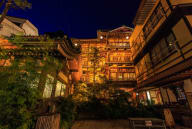
After entering Nagano Prefecture, it is about a 45-minute drive to Shibu Tatsunokan, a long-established ryokan with a history of more than a century. Here, mineral-rich hot spring waters, meals prepared with ingredients from the surrounding mountain villages, and attentive hospitality come together to provide a restorative stay.

Modern amenities are intentionally kept to a minimum, allowing guests to experience the quiet of the forest and the natural rhythm of the landscape at an unhurried pace.
https://navi.chinotabi.jp/en/spot/1535/
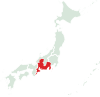
Day 6, Nagano and Aichi: Life Along the Old Post Roads
Kayabuki No Yakata
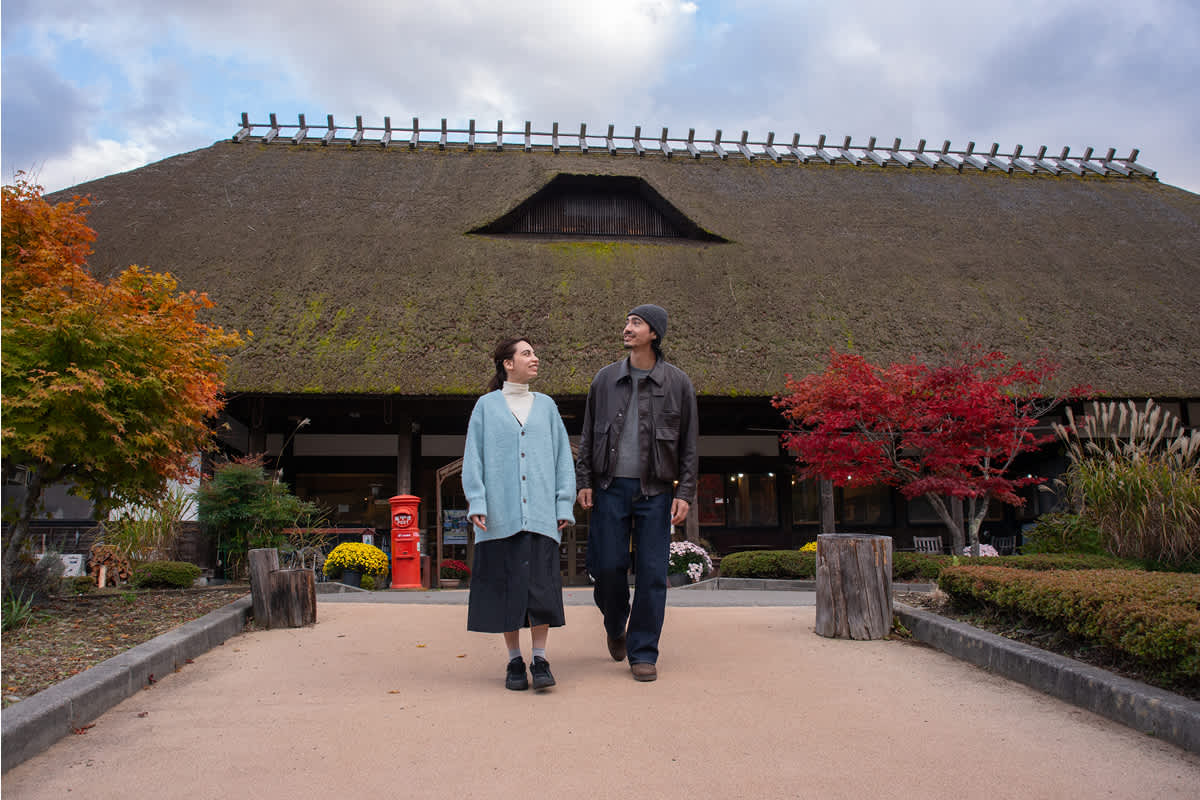
About 80 minutes by car from the ryokan, this thatched-roof farmhouse offers an authentic soba-making experience guided by local experts.

Kneading, rolling, and cutting the noodles by hand offers a meaningful opportunity to connect with the local culinary traditions.

https://www.inadanikankou.jp/en/ToursAndActivities/page/id=996
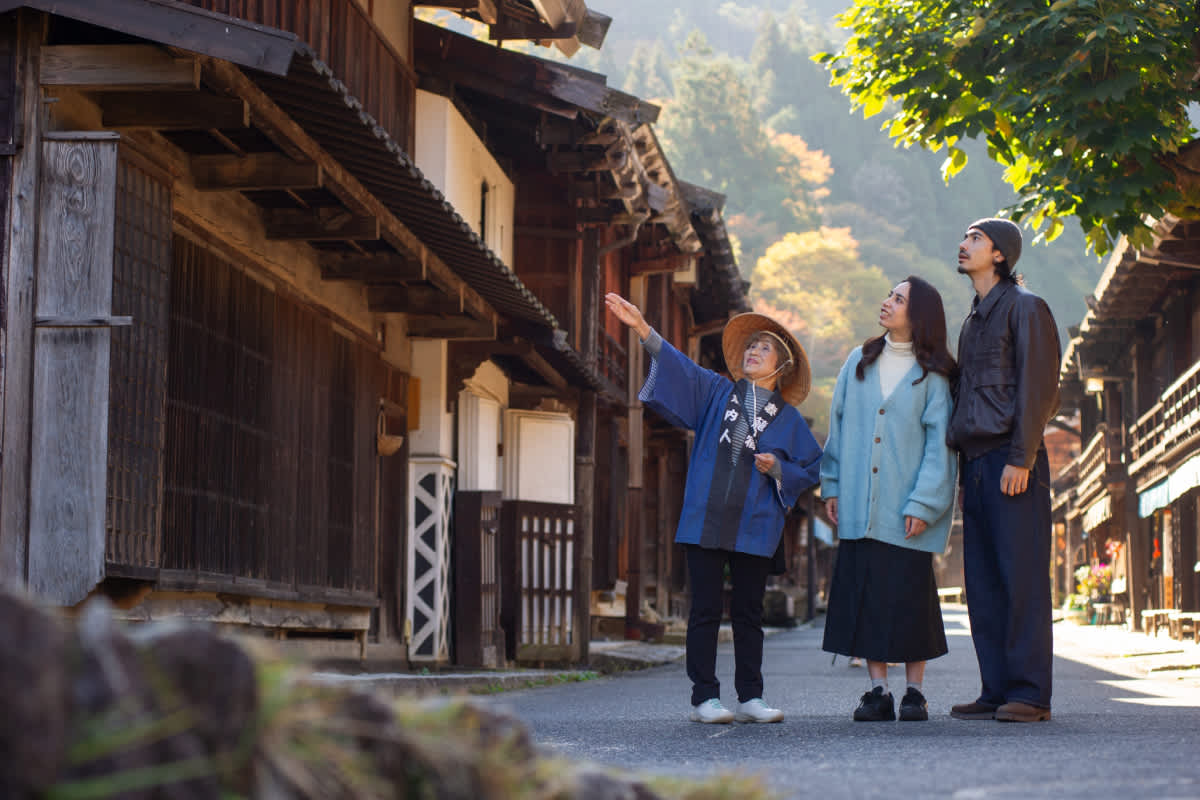
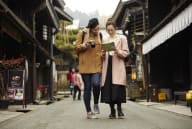
After a drive of about 1 hour and 45 minutes, arrive at Tsumago in Nagano Prefecture. Once a prosperous post town along the Nakasendo, which connected Kyoto with Edo (present-day Tokyo), Tsumago has carefully preserved its historic townscape to this day.

The streets lined with wooden buildings are dotted with souvenir shops and tea houses, where visitors can sample simple local specialties such as gohei-mochi (grilled rice cakes with sweet miso sauce) and salt-grilled river fish.

From Tsumago, continue on to Nagoya by bus and limited express train, a journey of approximately 90 minutes.
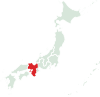
Kansai Region—Where Autumn Colors and Cultural Aesthetics Converge
Day 7, Aichi, Shiga, and Kyoto: Autumn Landscapes and History Around Lake Biwa
From Nagoya, Maibara—the gateway to Shiga Prefecture—is just 30 minutes away by shinkansen. Long valued as a transportation hub, Maibara makes a convenient base from which to explore the areas surrounding Lake Biwa, Japan’s largest lake.
Eastern Shore of Lake Biwa
The eastern side of the lake is home to a number of historic towns, including Hikone, a castle town known for its National Treasure keep and former feudal garden, and Omihachiman, where traditional waterside streets and canal cruises offer a glimpse of life shaped by the lake. For lunch, consider sampling a steak made from Omi beef, Shiga’s well-known regional specialty.
Western Shore of Lake Biwa
On the western side, highlights include the metasequoia-lined avenue that changes with the seasons, Shirahige Shrine with its torii gate standing in the lake, and Mt. Hiei’s Enryakuji Temple, part of a UNESCO World Heritage Site. Local cuisine featuring freshwater fish from Lake Biwa is also worth experiencing.
From either the eastern or western shore, continuing on to Kyoto makes for a smooth and efficient travel route.
Day 8, Kyoto
Art, Sweets, and Everyday Kyoto
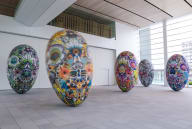
Spend the morning visiting museums and galleries around Kyoto City. A wide range of institutions can be found across the city, offering insights into Japanese art and history alongside contemporary art and traditional crafts, allowing visitors to explore Kyoto’s cultural depth from multiple perspectives.
RAU

Stop by RAU, a popular patisserie known for its chocolates and desserts. The sweets are characterized by distinctive forms and delicate flavors, often compared to works of art in their presentation.


Drawing on French pastry techniques while incorporating Japanese sensibilities and Kyoto-inspired elements, RAU offers a refined tea-time experience in a stylish setting—an ideal pause during the day’s explorations.

Visit the Kamogawa Delta, a triangular area where the Kamo and Takano rivers meet. In autumn, the trees along the riverbanks take on soft seasonal colors, while people crossing the stepping stones create a scene often likened to a living picture.

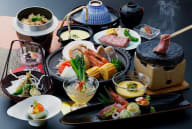
As evening approaches, continue on to Pontocho, one of Kyoto’s traditional entertainment districts. Enjoy a relaxed dinner featuring obanzai, Kyoto-style home cooking, paired with sake for a quiet introduction to the city’s nighttime atmosphere.
Day 9, Kyoto to Osaka: From Quiet Temples to Lively Scenery
Jojuji Temple

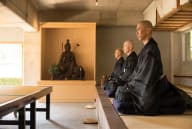
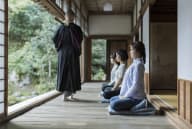
About 30 minutes by car from central Kyoto, Jojuji Temple is a Zen temple quietly set at the foot of the Nishiyama hills. During autumn, special openings allow visitors to view the main hall and hojo (abbot’s quarters), where the harmony between the garden’s autumn foliage and the surrounding stillness is particularly striking.

On certain days, green tea and seasonal Japanese sweets are served, offering a calm moment to pause and reflect.
A further 15-minute drive brings you to Arashiyama, one of Kyoto’s most well-known scenic areas. Centered around Togetsukyo Bridge, the area is home to a variety of landmarks, including bamboo groves and the World Heritage-listed Tenryuji Temple.
With its blend of natural scenery and historic sites, Arashiyama also offers opportunities to enjoy traditional yuba (tofu skin) cuisine, local sweets, and shopping for Japanese crafts. It is an area best explored at a relaxed pace, taking time to experience both its landscapes and everyday pleasures.