










Use the
Planning a Trip to Japan?
Share your travel photos with us by hashtagging your images with #visitjapanjp
Cool off beside mountain waterfalls and clear rivers in Shikoku, experience nature within easy reach of the metropolis in Kanto, and explore the verdant countryside and jewel-toned ponds in Tohoku. Traveling north through the Japanese archipelago, this journey reveals the energy of nature, the flavors it nurtures, and the ways of life and summer traditions rooted in each region. Feel the spray of rushing water, the sea breeze, and the excitement of a summer festival as you create lasting memories of summer in Japan.

Shikoku Region—Majestic Nature and the Bounty of the Land
Day 1, Ehime: Summer in Historic Uchiko

Located in Shikoku, Ehime Prefecture is a region where nature, history, and culture come together. It encompasses numerous islands in the Seto Inland Sea and is home to attractions such as Dogo Onsen, said to be one of Japan's oldest hot springs, and the scenic Shimanami Kaido. Near the center of the prefecture lies the town of Uchiko, approximately 30 minutes from Matsuyama Station by limited express train. Its streets lined with traditional buildings have been carefully preserved to this day.
Waterfall Purification Experience in Uchiko

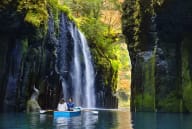
Takigyo, a traditional waterfall purification practice, involves standing beneath a waterfall to cleanse the body and mind. Focusing as water cascades over you offers a chance to step away from everyday life and look inward. In the Misogi area, about 15 minutes by car from Uchiko Station, Momiji-ga-taki Falls plunges 17 meters. Stand beneath its powerful flow and feel the force of nature with your entire body.
Cool Off with Shaved Ice

Shaved ice topped with sweet syrup or fruit is a classic summer treat with a long history in Japan. After the waterfall experience, return to the center of Uchiko and visit COTO COTO. This cafe, housed in a traditional building in the town’s preserved historic district, serves seasonal shaved ice during the summer. Relax in its charming traditional setting while enjoying shaved ice made with locally grown fruit such as strawberries, peaches, or blueberries—a refreshing way to cool down after the experience.
https://uchikogenic.com/en/food/coto-coto/
Day 2, Kochi: Energized by Clear Water and Local Food
Continue from Ehime to Kochi Prefecture in southern Shikoku. Facing the Pacific Ocean, Kochi is known for its dynamic natural scenery, including a dramatic coastline and pristine rivers. In the city, attractions include Kochi Castle, whose history spans more than 400 years, and Hirome Market, where visitors can sample a variety of local dishes under one roof.
Rafting on the Shimanto River

Flowing through western Kochi Prefecture, the 196-kilometer Shimanto River is the longest river in Shikoku. Known as one of Japan's clearest rivers, it offers a range of activities, including canoeing, stand-up paddleboarding, and rafting. Working together to navigate the rapids while feeling the river’s cool spray makes rafting an exhilarating experience for children and adults alike.
Regional Specialty Burger

Blessed with ingredients from its mountains, rivers, and sea, Kochi offers more than traditional local cuisine—you can also enjoy its bounty piled generously into a burger. From the rafting area, the drive to 5019 PREMIUM FACTORY Nankoku via Kochi City takes around two hours. The menu includes burgers made with a variety of ingredients from Kochi, as well as customizable burgers featuring patties grilled over Tosa binchotan, a type of high-quality Japanese white charcoal. Guests can customize their burgers with homegrown vegetables and a choice of sauces.
The flight from Kochi Ryoma Airport to Haneda Airport takes approximately 90 minutes. Continue your journey in Tokyo.
Kanto Region—Nature Within Easy Reach of the Metropolis
Day 3, Kanagawa and Tokyo: Experience Summer in Japan
Bordering Tokyo, Kanagawa Prefecture combines the energy of the international port city of Yokohama with easy access to nature throughout the seasons. Its varied destinations include Kamakura, a historic city dotted with temples and shrines, and Hakone, renowned for its hot springs.
Hayama

Hayama is a seaside resort approximately 90 minutes from Tokyo by car or public transportation. Known for its beautiful beaches and refined atmosphere, the town is also home to an Imperial villa. Marine sports such as stand-up paddleboarding are popular, with lessons and tours available for beginners.
After some time in the water, head to one of the seasonal beach houses, known in Japan as umi no ie, that line the shore. These facilities open on Japanese beaches during summer and typically provide food, showers, and places to rest. Relax in the resort-like atmosphere with a refreshing drink or a meal as you enjoy the sea breeze.
https://visitkanagawa.jp/destination/sup-at-hayama-ocean-sports/1337
Raise a Glass at a Beer Garden

Beer gardens are a familiar part of summer in Japan, offering beer and food in an open-air setting. They appear in locations ranging from department-store rooftops and hotel terraces to parks, and many offer timed all-you-can-drink or all-you-can-eat plans as well as set menus.
After returning to Tokyo from Hayama, visit FOREST BEER GARDEN in the Meiji Jingu Gaien area. Enjoy a barbecue and a cold beer amid the greenery while making the most of a summer evening. A wide selection of nonalcoholic beverages also makes the venue welcoming for guests who do not drink.
Tohoku Region—Local Culture Nurtured by Nature
Day 4, Fukushima: Experience Life in the Countryside
Fukushima Prefecture lies at the southern end of Tohoku and is easily accessible from Tokyo. Its attractions include majestic mountains, lakes, and hot spring areas, regional specialties such as fruit and sake, and the history and culture of the Aizu area. Koriyama Station, the starting point for this part of the journey, is approximately 80 minutes from Tokyo Station by the Tohoku Shinkansen.
Farm Stay and Agricultural Experiences


Nohaku, or farm and village stays, is a style of travel in which visitors stay in an agricultural, mountain, or fishing community and experience its distinctive food and way of life. Participating in farm work and interacting with local residents provide a closer look at the area’s culture and culinary traditions.
About an hour by car from Koriyama Station, Farm & Retreat BANDAI arranges farm stays in the countryside around Lake Inawashiro and Mt. Bandai. Plans can be tailored to guests' interests and may include harvesting seasonal vegetables, barbecuing with local ingredients, and staying in a small guesthouse. Enjoying vegetables you harvested yourself as part of the evening barbecue can be a memorable part of the journey.
Day 5, Fukushima: Explore Jewel-Toned Ponds

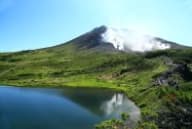
Goshikinuma is the collective name for more than 30 ponds of various sizes created by an eruption of Mt. Bandai. Known for waters that appear in different hues depending on the season, weather, and light, the area is one of Fukushima's best-known scenic destinations and forms part of Bandai-Asahi National Park.
The Urabandai Visitor Center, a convenient starting point for exploring the area, is approximately a 30-minute drive from Farm & Retreat BANDAI. The well-maintained trail has relatively little elevation change, making it manageable for first-time hikers. At Bishamonnuma near one end of the trail, visitors can rent a rowboat. From the water, enjoy close views of Mt. Bandai beyond the emerald-green surface. After the walk, take a local bus back toward the visitor center.
Spend the night at a hot spring resort in Urabandai, on the northern side of Mt. Bandai.
Day 6, Aomori: Feel the Excitement of a Summer Festival
Aomori Prefecture occupies the northernmost tip of Honshu and is surrounded by the sea on three sides. Highlights include the UNESCO World Natural Heritage Site of Shirakami Sanchi, the beautiful Oirase Gorge, and historic Hirosaki Castle. The Aomori Nebuta Festival, held each summer, is one of Japan's best-known summer festivals.
From Urabandai, return to Koriyama Station by car and travel north by the Tohoku Shinkansen. Change trains in Sendai for Hachinohe Station, then take a local train to Misawa Station.
Aomoriya by Hoshino Resorts

Just a three-minute shuttle-bus ride from Misawa Station, Aomoriya by Hoshino Resorts is a hot-spring resort where guests can experience the best of Aomori, from regional cuisine and festivals to traditional crafts. The resort’s indoor plaza is filled with colorful festival decorations, creating a lively atmosphere throughout the space. Guests can try festival games, make their own traditional round fans, and join an evening dance experience complete with spirited festival chants.
After dinner, ease the fatigue of the journey in a natural hot spring. During your stay, consider an excursion to Oirase Gorge, where a walking trail follows the river through a lush forest.
https://aomori-tourism.com/en/spot/detail_8028.html
The shuttle bus journey from Aomoriya to Misawa Airport takes approximately 20 minutes.