




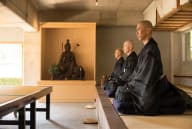






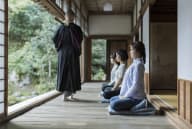










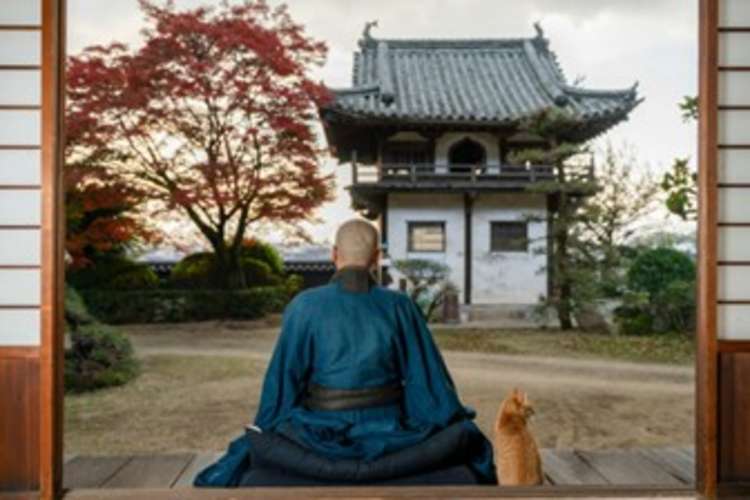
Japanese Rinzai Buddhist priest is zazen
Sydney, Australia: 14 January: In a world that rarely slows down, Japan offers something increasingly rare: space to breathe, time to reflect, and traditions designed to nurture both body and mind. Long before wellness became a global travel trend, Japan was quietly perfecting the art of living well - through nature, mindfulness, balance and intention.
From mist-covered forests and mineral-rich hot springs to Zen meditation, tea ceremonies and deeply nourishing cuisine, Japan invites travellers to step away from the noise of daily life and into a culture where wellbeing is woven into everyday living. Whether soaking in an onsen beneath falling snow, practising meditation at a centuries-old temple, or walking mindfully through a forest alive with birdsong, wellness in Japan is not just a retreat from the daily grind, it’s a way of weaving what truly matters into everyday living.
“In Japan, self-care is slow and considered, from the way food is prepared and presented to the respect for simplicity and cleanliness and philosophies that value purpose and connection to nature, making it the ideal choice for travellers seeking an authentic, restorative stay that leaves them healthier, and happier, than when they arrived,” said Naoki Kitazawa, Executive Director, Sydney Office, Japan National Tourism Organization (JNTO).
Nature as Medicine: Forest Bathing (Shinrin-yoku)
One of Japan’s most influential contributions to global wellness culture is shinrin-yoku, or forest bathing. Far from a hike or workout, forest bathing is the mindful immersion in nature, using your senses to absorb the sights, sounds and scents of the forest. Scientifically recognised as a form of preventative healthcare, shinrin-yoku has been shown to reduce stress, lower heart rate and blood pressure, improve mood and boost immune function. Participants are encouraged to slow down, breathe deeply and simply be among the trees - whether walking, standing or sitting quietly in nature.
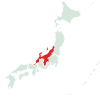
Travellers can experience guided forest bathing in myriad locations across Japan, including in Nagano’s Shinanomachi  , where trained forest-healing guides tailor experiences to individual needs.
The Art of Soaking: Onsen and Hot Spring Culture
Japan is one of the most geothermally active places on earth and home to thousands of onsen, or natural hot springs. For centuries, the Japanese have turned to onsen bathing as a way to relax, heal and rejuvenate, giving rise to a deeply ingrained bathing culture that remains central to everyday life.
Rich in minerals such as iron, sulphur and calcium, onsen waters are believed to ease muscle pain, improve circulation, promote better sleep and support overall wellbeing. The practice of toji - hot spring bathing as a form of medical treatment - has been part of Japanese culture for generations, with some visitors undertaking multi-week onsen stays.
No two onsen experiences are the same. Travellers will find everything from simple public bathhouses and foot baths to dramatic open-air rotenburo overlooking forests, mountains or the sea. Unique experiences include fragrant cypress-wood tubs, sand baths warmed by geothermal heat, and coastal onsen where the sound of waves enhances the sense of calm.
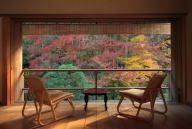
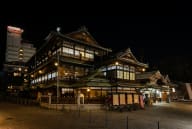
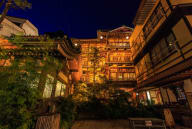
For a deeply immersive experience, staying at a ryokan (traditional Japanese inn) allows guests to enjoy onsen bathing alongside seasonal cuisine and unhurried hospitality. From luxury ryokan with private in-room onsen to historic country inns, these stays are designed to restore both body and spirit.
Stillness and Insight: Zen Meditation and Temple Stays
Zen philosophy has shaped Japanese culture for centuries, influencing everything from martial arts and calligraphy to gardening and cuisine. At its heart lies zazen, a form of seated meditation that emphasises posture, breathing and presence.
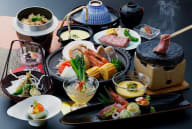
Travellers can experience zazen meditation at Buddhist temples across Japan, often led by monks who guide participants through the fundamentals of the practice. One notable destination is Zenkoji Temple in Nagano, where visitors can join meditation sessions, practise sutra copying, and stay overnight in one of the temple’s shukubo (lodgings). Here, guests experience monastic life first-hand and enjoy traditional shojin ryori, a mindful plant-based cuisine rooted in Buddhist teachings featuring a balance of five colours and five flavours.
For a contemporary take on Zen wellness, destinations such as Zenbo Seinei on Awaji Island in Hyogo Prefecture and Shinshoji Zen Museum and Gardens in Hiroshima Prefecture offer serene settings combining meditation, tea ceremonies, onsen bathing, Japanese gardens and art spaces.
Mindfulness in Motion: Tea Ceremonies, Calligraphy and Ritual
Wellness in Japan extends beyond formal meditation into cultural practices that encourage mindfulness through movement, ritual and appreciation of the present moment.
The tea ceremony (sado) is a prime example - a slow, deliberate practice rooted in Zen that invites participants to savour not just the tea, but the moment itself. Each movement is intentional, each gesture meaningful, creating a space for calm reflection. Visitors can participate in tea ceremonies at temples, cultural centres and wellness retreats across the country.
Similarly, experiences such as Japanese calligraphy (shodo) and ikebana (flower arranging) foster focus, patience and creative expression, embodying the philosophy of wabi-sabi - finding beauty in imperfection and transience - and offering travellers a gentle way to cultivate acceptance and inner peace.
Wellness Destinations Across Japan
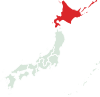
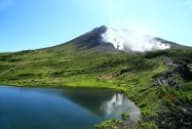
• Hokkaido offers pristine nature, alpine air and renowned onsen such as Noboribetsu and Jozankei.
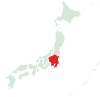
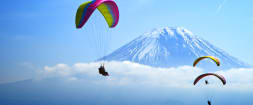
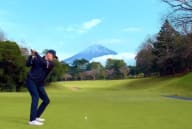
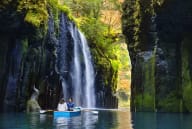
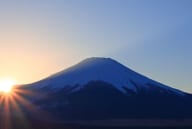
• Shizuoka blends coastal and mountain wellness, with hot springs, eco-tours of Mt Fuji, waterfall meditation (takigyo) and retreats such as Greenity Iwata .
• Kyoto and Hakone are celebrated for their ryokan culture, temple cuisine and hot spring experiences.
• Beppu, one of Japan’s most famous onsen towns, offers unique sand-bathing experiences at locations such as Shonin Park , where geothermal warmth and ocean sounds combine for deep relaxation.
- Ends -
For additional information or image requests, please contact:
Anne Wild & Associates – JNTO’s PR Representatives in Australia
Emily Watters, Senior Account Manager
ewatters@awassociates.com.au +61 449 506 064
