







Last updated: Tuesday, March 3, 2026
FAQ
Basic Information
What languages are spoken in Japan? Is English understood?
Japan’s official language is Japanese.
In tourist areas, airports, hotels, and major transportation systems, English is generally understood, and signs at stations and public facilities are also written in English, so you can feel at ease. However, in rural areas or small local shops, English may not be understood. If you have trouble, try using a translation app.
In tourist areas, airports, hotels, and major transportation systems, English is generally understood, and signs at stations and public facilities are also written in English, so you can feel at ease. However, in rural areas or small local shops, English may not be understood. If you have trouble, try using a translation app.
Are there any religious restrictions regarding food or clothing?
Religious restrictions are not common in Japan.
However, vegetarian and halal food options may be limited depending on the region.
When visiting temples or shrines, visitors are expected to show basic respect, such as avoiding overly revealing clothing.
However, vegetarian and halal food options may be limited depending on the region.
When visiting temples or shrines, visitors are expected to show basic respect, such as avoiding overly revealing clothing.
What is the voltage and plug type used in Japan?
Japan’s standard voltage is 100V, and the standard frequency is 50Hz or 60Hz, depending on the region.
Power outlets use Type A plugs.
If you are traveling from overseas, you may need a plug adapter.
For more detailed information about power plugs and electricity, please refer to the following page:
Plugs & Electricity
Power outlets use Type A plugs.
If you are traveling from overseas, you may need a plug adapter.
For more detailed information about power plugs and electricity, please refer to the following page:
Plugs & Electricity
Is Japan a safe country to visit?
Japan is considered one of the safest countries in the world.
Crime rates are low, and public transportation can be used safely.
As long as you follow basic precautions as a traveler, you can enjoy your trip with peace of mind.
Crime rates are low, and public transportation can be used safely.
As long as you follow basic precautions as a traveler, you can enjoy your trip with peace of mind.
What is the currency used in Japan?
Japan’s currency is the Japanese Yen (JPY / ¥).
Both banknotes and coins are widely used.
Both banknotes and coins are widely used.
Are prices high in Japan?
Prices vary depending on the region and type of service, but Japan is not necessarily expensive. Compared to major cities in Europe and the United States, transportation, food, and daily necessities are often relatively affordable. For example:
At convenience stores or casual restaurants, you can usually enjoy a meal for around 500–1,000 yen.
Public transportation such as trains and buses is safe, punctual, and has clear pricing.
A wide range of accommodation options is available, and business hotels or guesthouses are generally reasonably priced.
On the other hand, high-end restaurants and traditional ryokan inns can be more expensive.
Overall, Japan offers a wide variety of choices, making it easy to plan your trip according to your budget.
On the other hand, high-end restaurants and traditional ryokan inns can be more expensive.
Overall, Japan offers a wide variety of choices, making it easy to plan your trip according to your budget.
Planning
When is peak travel season?
Japan's peak travel seasons typically occur three main periods:
New Year's (late December to early January): A major holiday period when many people travel to be with family or take vacations, making transportation and accommodations busier.
Golden Week (late April to early May): A series of national holidays creates one of the busiest times for travel in Japan. Many locals take vacations, so tourist destinations and transportation can be crowded.
Summer vacation (mid-July to August): Many Japanese take time off during this period, especially around the Obon holiday (usually mid-August), a traditional time for family reunions, which leads to increased domestic travel.
During these times, expect higher prices, crowded transportation, and fully booked accommodations.
If you plan to travel during peak seasons, it’s highly recommended to book your flights and accommodations well in advance.
[Business Hours & Holidays]
During these times, expect higher prices, crowded transportation, and fully booked accommodations.
If you plan to travel during peak seasons, it’s highly recommended to book your flights and accommodations well in advance.
[Business Hours & Holidays]
Do you have any recommendations for first-time visitors to Japan?
Our website provides information and tips for First-Time Visitors that might be helpful for your trip planning.
For First-Time Visitors:
https://www.japan.travel/en/plan/
If you are looking for places to visit or what to do in Japan, you can find several articles about popular destinations in Japan and sample itineraries on the links below:
Destinations:
https://www.japan.travel/en/destinations/
Things to do:
https://www.japan.travel/en/things-to-do/
Itineraries:
https://www.japan.travel/en/itineraries/
For First-Time Visitors:
https://www.japan.travel/en/plan/
If you are looking for places to visit or what to do in Japan, you can find several articles about popular destinations in Japan and sample itineraries on the links below:
Destinations:
https://www.japan.travel/en/destinations/
Things to do:
https://www.japan.travel/en/things-to-do/
Itineraries:
https://www.japan.travel/en/itineraries/
What is the climate like? Does Japan have four seasons?
Japan is a long, narrow island nation stretching from north to south, and it has four distinct seasons: spring, summer, autumn, and winter.
Below is a general overview of the average temperatures in Tokyo:
Spring (March–May): approximately 10–20°C
Summer (June–August): approximately 25–35°C (with high humidity and occasionally very hot, humid days)
Autumn (September–November): approximately 15–25°C
Winter (December–February): approximately 0–10°C
Because Japan covers a wide range from north to south, the climate varies greatly by region. For example:
Hokkaido, located in the north, experiences heavy snowfall in winter, and temperatures can drop below freezing.
Okinawa, located in the south, has a warm climate throughout the year and remains relatively mild even in winter.
We recommend preparing appropriate clothing based on the region and season you plan to visit.
Below is a general overview of the average temperatures in Tokyo:
Because Japan covers a wide range from north to south, the climate varies greatly by region. For example:
We recommend preparing appropriate clothing based on the region and season you plan to visit.
What is the best season to visit Japan?
Japan has four distinct seasons, and each one offers unique experiences, so you can enjoy your visit at any time of the year.
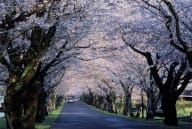
Spring (March–May): This is the season of cherry blossoms and fresh greenery. It is one of the most popular times for sightseeing, and many areas can be crowded with visitors.
Summer (June–August): A lively season filled with festivals, fireworks displays, and outdoor activities such as beach trips and mountain excursions.
Autumn (September–November): Known for beautiful autumn foliage and pleasant weather, making it an excellent season for both sightseeing and food experiences.
Winter (December–February): A season to enjoy snowy landscapes, hot springs, and winter sports.
Each season also features various local festivals and events across the country, so we encourage you to explore and experience them during your visit.
Each season also features various local festivals and events across the country, so we encourage you to explore and experience them during your visit.
What are Japan’s national holidays?
National Holidays in Japan
January 1: New Year’s Day
Second Monday of January: Coming of Age Day
February 11: National Foundation Day
February 23: Emperor’s Birthday
Around March 20: Vernal Equinox Day
April 29: Shōwa Day
May 3: Constitution Memorial Day
May 4: Greenery Day
May 5: Children’s Day
Third Monday of July: Marine Day
August 11: Mountain Day
Third Monday of September: Respect for the Aged Day
Around September 23: Autumnal Equinox Day
Second Monday of October: Sports Day
November 3: Culture Day
November 23: Labor Thanksgiving Day
What are some recommended tourist destinations in Japan?
Major cities that serve as convenient starting points for traveling around Japan include Tokyo, Osaka, and Fukuoka.
Tokyo: A modern metropolis offering iconic cityscapes, shopping districts, and a wide variety of food experiences.
Osaka: Known for its vibrant atmosphere and famous local cuisine.
Fukuoka: Considered the gateway to western Japan, with many hot spring resorts located within easy reach.
Other popular destinations include:
Kyoto: Renowned for its historic temples, shrines, and traditional culture.
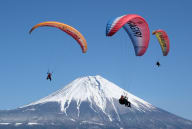
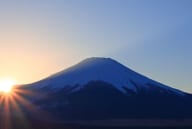
Mount Fuji area: Famous for stunning natural scenery and Japan’s most iconic peak.
Each region in Japan has its own unique charm, so we recommend combining both major cities and regional areas based on your travel interests.
Other popular destinations include:
Each region in Japan has its own unique charm, so we recommend combining both major cities and regional areas based on your travel interests.
How many days should I plan for a trip to Japan?
The ideal length of stay depends on your travel and the regions you plan to visit. The following can be used as a general guideline:
3–4 days: Suitable for short trips focusing on a single city such as Tokyo or Osaka.
Around 1 week: Allows you to visit major cities like Tokyo, Kyoto, and Osaka. This duration is ideal for experiencing Japan’s representative highlights within a limited schedule.
Around 2 weeks or longer: Recommended for travelers who want a deeper experience by combining major cities with regional destinations, including nature spots and hot spring areas.
How should I arrange a SIM card, eSIM, or Wi-Fi in Japan?
In Japan, the following options are commonly used:
Purchasing or renting a SIM card, eSIM, or pocket Wi-Fi at the airport
Reserving one online in advance and picking it up at the airport
For short-term visitors, eSIMs and pocket Wi-Fi devices are especially convenient.
For short-term visitors, eSIMs and pocket Wi-Fi devices are especially convenient.
What should I do with my luggage if it gets in the way while sightseeing?
There are public coin lockers at many train stations, and privately operated luggage storage and delivery services.
Please take a look at the locker facilities at the station you intend to use.
Please see the page below for further general information:
Luggage & Storage
Please take a look at the locker facilities at the station you intend to use.
Please see the page below for further general information:
Luggage & Storage
I would like to hire a personal guide.
Since we are a government tourism organization and not a travel agency, we are not able to make any bookings on your behalf.
You can consider contacting a travel agent to organize a paid guide, or alternatively, you can consider hiring a volunteer guide.
Volunteer Guides
You can also hire a Licensed Guide Interpreter. For information on how to book a certified tour, please refer to this page:
How To Book a Certified Tour Guide
On this page, you will find links to the web pages of each organization, and you can check the reservation method, fees, etc.
You can consider contacting a travel agent to organize a paid guide, or alternatively, you can consider hiring a volunteer guide.
Volunteer Guides
You can also hire a Licensed Guide Interpreter. For information on how to book a certified tour, please refer to this page:
How To Book a Certified Tour Guide
On this page, you will find links to the web pages of each organization, and you can check the reservation method, fees, etc.
Which tour operators specialise in Japan?
Here is a list of tour operators who offer tours in Japan:
India
U.S.A.
The U.K.
Canada
France
Italy
Germany
Spain
Taiwan
Singapore
Philippine
Malaysia
Australia
Russia
Is it necessary for overseas visitors to show their passport upon checking in at accommodations?
According to the Ministry of Health, Labour and Welfare, "Since April 1, 2005, under the relevant laws and regulations, the Japanese Government is requiring 'foreign nationals who do not possess an address in Japan' to provide their nationality and passport number in addition to their name, address, and occupation, etc. and produce and make a copy of their passport upon checking in at lodgings."
If you require any further information, please contact the Ministry of Health, Labour and Welfare.
https://www.mhlw.go.jp/stf/seisakunitsuite/bunya/0000130600_00001.html
If you require any further information, please contact the Ministry of Health, Labour and Welfare.
https://www.mhlw.go.jp/stf/seisakunitsuite/bunya/0000130600_00001.html
What kind of accommodation is available in Japan?
Japan offers a wide range of accommodation to suit every taste and budget. If you are looking for Western-style accommodation, you can choose from luxury hotels and business hotels. If you prefer Japanese-style accommodation, book into a ryokan (Japanese inn) or a minshuku (private bed and breakfast).
You can find accommodation on the following website:
https://www.japan.travel/en/online-reservation-sites/
You can find accommodation on the following website:
https://www.japan.travel/en/online-reservation-sites/
Is there such a thing as home-stay accommodation?
There are many opportunities to do homestays in Japan, particularly in the countryside. Here's an overview of some of the possibilities:
https://www.japan.travel/en/guide/homestay-farmstay/
https://www.japan.travel/en/guide/homestay-farmstay/
What are the stays in a ryokan like?
For information on how to spend your time at a ryokan, please read the guide published by the Japan Ryokan Hotel Living Hygiene Association, which is very easy to understand and read.
https://www.japan.travel/en/online-reservation-sites/
https://www.ryokan.or.jp/english/
Are credit cards widely accepted? Would you recommend bringing cash or credit cards?
Most stores and restaurants accept credit cards such as Visa and MasterCard, but travelers should keep in mind that Japan is still a cash culture. In particular, small stores and guest houses may only accept cash. It is recommended that you have Japanese Yen cash ready before you arrive in Japan. Upon arrival in Japan, ATMs can be found everywhere in Japan and can be used as needed.
For more information, please visit the following link.
Credit Cards in Japan
Cashless Payments in Japan
For more information, please visit the following link.
Is there a tipping culture in Japan?
No. Japan does not have a tipping culture.
In restaurants, hotels, taxis, and other services, you only need to pay the amount shown on the bill.
In restaurants, hotels, taxis, and other services, you only need to pay the amount shown on the bill.
What types of tax-free shops are there, and what taxes are exempted?
Duty-free shops are stores that sell products to departing passengers exempt from consumption tax, customs duty, liquor tax, tobacco tax, etc., in accordance with the Customs Law. In Japan, duty-free shops are mainly located in the departure areas of international airports.
Tax-free shops are stores that sell general goods and consumables to non-residents free of consumption tax in accordance with the Consumption Tax Law, and many of them are located in urban areas.
The terms and conditions of tax refunds depend on the type of product.
Please see the following page for details:
Japan's Tax Exemption
At certain breweries, if you are a non-resident, such as an overseas visitor, and you purchase alcoholic beverages directly from a manufacturer licensed as a tax-free shop under the Consumption Tax Act, both Consumption Tax and Liquor Tax may be exempted, provided that the prescribed purchase procedures are properly followed. For further details, please contact the brewery directly.
Please note that not all breweries are eligible for tax exemption.
Tax-free shops are stores that sell general goods and consumables to non-residents free of consumption tax in accordance with the Consumption Tax Law, and many of them are located in urban areas.
The terms and conditions of tax refunds depend on the type of product.
Please see the following page for details:
Japan's Tax Exemption
At certain breweries, if you are a non-resident, such as an overseas visitor, and you purchase alcoholic beverages directly from a manufacturer licensed as a tax-free shop under the Consumption Tax Act, both Consumption Tax and Liquor Tax may be exempted, provided that the prescribed purchase procedures are properly followed. For further details, please contact the brewery directly.
Please note that not all breweries are eligible for tax exemption.
Could you tell me about the tax-free procedure?
Tax exemption procedures must be done at the time of purchase, at the location where you purchased your products.
There is a "consolidated tax exemption" program whereby purchases can be consolidated for tax exemption purposes in shopping areas where travelers need to pay separately at each store, such as a department store. Please check the location of the consolidated tax exemption counter in advance and whether the store is covered by the program. Please note that even if you wish to consolidate, the procedure must be completed within the same day of purchase.
To complete the tax-free process, please don’t forget your passport.
You must have an entry stamp to be eligible for tax exemption.
When using the automatic gates, make sure to get an entry stamp from a nearby immigration officer.
For liquid tax-free items, please present your passport and purchased goods to Customs at the time of departure from Japan.
If you plan to place these items in your checked baggage, please ensure that you have them inspected by Customs before checking in your luggage with the airline.
For further details, please refer to the details in the "Purchase of Tax-Free Goods" section on the official Customs website:
https://www.customs.go.jp/english/summary/passenger.htm
There is a "consolidated tax exemption" program whereby purchases can be consolidated for tax exemption purposes in shopping areas where travelers need to pay separately at each store, such as a department store. Please check the location of the consolidated tax exemption counter in advance and whether the store is covered by the program. Please note that even if you wish to consolidate, the procedure must be completed within the same day of purchase.
To complete the tax-free process, please don’t forget your passport.
You must have an entry stamp to be eligible for tax exemption.
When using the automatic gates, make sure to get an entry stamp from a nearby immigration officer.
For liquid tax-free items, please present your passport and purchased goods to Customs at the time of departure from Japan.
If you plan to place these items in your checked baggage, please ensure that you have them inspected by Customs before checking in your luggage with the airline.
For further details, please refer to the details in the "Purchase of Tax-Free Goods" section on the official Customs website:
https://www.customs.go.jp/english/summary/passenger.htm
Do I need a visa?
Visa requirements differ depending on nationality.
For many countries and regions, visitors do not need a visa for short-term stays for tourism (up to 90 days).
Please make sure to check the latest entry requirements before traveling, using information provided by the Embassy or Consulate of Japan in your country or region.
Comprehensive information on visas for Japan is available on the following pages.
For individual inquiries, please contact the Ministry of Foreign Affairs of Japan.
Visa Information
Websites of Japanese Embassies, Consulates and Permanent Missions
For many countries and regions, visitors do not need a visa for short-term stays for tourism (up to 90 days).
Please make sure to check the latest entry requirements before traveling, using information provided by the Embassy or Consulate of Japan in your country or region.
Comprehensive information on visas for Japan is available on the following pages.
For individual inquiries, please contact the Ministry of Foreign Affairs of Japan.
Visa Information
Websites of Japanese Embassies, Consulates and Permanent Missions
What items can I bring through customs when entering Japan?
You may bring items through customs as long as they are for personal use and fall within the duty‑free allowance set by Japanese customs.
For detailed information, please refer to the customs guidelines.
Custom & Duty
Certain items are restricted or prohibited from being brought into Japan. Common examples include:
Meat products and fresh foods
Certain medicines or pharmaceutical products
Illegal drugs and weapons
If you are unsure whether an item is allowed, please check the official information in advance.
For detailed information, please refer to the customs guidelines.
Custom & Duty
Certain items are restricted or prohibited from being brought into Japan. Common examples include:
If you are unsure whether an item is allowed, please check the official information in advance.
Do I need any vaccinations before coming to Japan?
Generally speaking, visitors to Japan do not require any special vaccinations.
However, depending on the activities you plan to do, some vaccinations may be recommended.
For more information, please refer to this page:
Vaccines for Japan
However, depending on the activities you plan to do, some vaccinations may be recommended.
For more information, please refer to this page:
Vaccines for Japan
Can I bring my e-cigarette and e-liquid?
Yes, you can bring e-cigarettes and e-liquids into Japan, but there are important regulations to follow.
Please check the Japan Customs website for detailed information:
Procedures for Passenger Clearance
Duty-Free Allowance for Accompanied Personal Effects of Overseas Travelers
Before traveling, it is recommended to check Japan’s latest customs and airline regulations regarding e-cigarettes and e-liquids.
However, please note that smoking, including vaping, is prohibited in many public places in Japan.
Please use designated smoking areas.
Please check the Japan Customs website for detailed information:
Procedures for Passenger Clearance
Duty-Free Allowance for Accompanied Personal Effects of Overseas Travelers
Before traveling, it is recommended to check Japan’s latest customs and airline regulations regarding e-cigarettes and e-liquids.
However, please note that smoking, including vaping, is prohibited in many public places in Japan.
Please use designated smoking areas.
Is a biometric passport necessary?
Biometric passports are not required for travel to Japan.
What can I import into Japan?
For information about imports into Japan, see this page:
https://www.japan.travel/en/plan/customs-and-duty/
https://www.japan.travel/en/plan/customs-and-duty/
Are there restrictions on bringing my medications to Japan?
For information on bringing medicines into Japan, please refer to this page: The Ministry of Health, Labor and Welfare of Japan
If you need further assistance, please contact the Ministry of Health, Labor, and Welfare of Japan. (Contact information is available on the URL page above.)
If you need further assistance, please contact the Ministry of Health, Labor, and Welfare of Japan. (Contact information is available on the URL page above.)
Transportation
Where can I purchase the JAPAN RAIL PASS in Japan?
You must purchase your JAPAN RAIL PASS before arriving in Japan.
Following page will help you to find where you can purchase JAPAN RAIL PASS.
JAPAN RAIL PASS
Following page will help you to find where you can purchase JAPAN RAIL PASS.
JAPAN RAIL PASS
How do I estimate the various fares of public transportation in Japan?
You can use these tools for finding routes and estimated fares.
By entering a specific location and time, the system will provide the best traffic information.
Japan Transit Planner (JORUDAN):
https://world.jorudan.co.jp/mln/en/
NAVI TIME: https://japantravel.navitime.com/en/area/jp/route/
By entering a specific location and time, the system will provide the best traffic information.
https://world.jorudan.co.jp/mln/en/
How do I use trains and buses in Japan?
Stations and bus stops have guidance signs, and English signage has become increasingly common.
You can ride by purchasing a ticket or using an IC card such as Suica or PASMO.
Even first-time visitors will find the system relatively easy to understand, and station staff can assist you if needed.
You can ride by purchasing a ticket or using an IC card such as Suica or PASMO.
Even first-time visitors will find the system relatively easy to understand, and station staff can assist you if needed.
How do I take the Shinkansen (bullet train)?
The Shinkansen is Japan’s high-speed rail system and is a convenient way to travel between major cities.
You can purchase tickets at station counters, ticket machines, or online.
There are both reserved seats and non‑reserved seats, so you can choose the option that best fits your travel style.
You can purchase tickets at station counters, ticket machines, or online.
There are both reserved seats and non‑reserved seats, so you can choose the option that best fits your travel style.
I plan on traveling to Japan during the Japanese holiday season. Will I have a problem booking a Shinkansen train?
Japan has several holiday seasons including Golden Week (late April to May) and summer vacation (mid-July to late August). There are also the year-end and New Year's holidays, as well as others.
During these holiday seasons, Shinkansen bullet trains are expected to be crowded and many of them will only offer reserved seating.
We recommend that you reserve your tickets in advance.
JR East: https://www.jreast.co.jp/multi/en/
JR West: https://www.westjr.co.jp/global/en/
JR Central: https://global.jr-central.co.jp/en/
JR Hokkaido: https://www.jrhokkaido.co.jp/global/
JR Kyushu: https://www.jrkyushu.co.jp/english/
If you choose to use a JAPAN RAIL PASS, seat reservations may be made after you have completed your purchase.
For information about JAPAN RAIL PASS, please refer to this website:
https://japanrailpass.net/en/
During these holiday seasons, Shinkansen bullet trains are expected to be crowded and many of them will only offer reserved seating.
We recommend that you reserve your tickets in advance.
If you choose to use a JAPAN RAIL PASS, seat reservations may be made after you have completed your purchase.
For information about JAPAN RAIL PASS, please refer to this website:
https://japanrailpass.net/en/
Can I purchase tickets or make reservations for JR trains in advance?
You can purchase tickets and make reservations from abroad for some train lines.
You can reserve the Narita Express (JR East), Shinkansen bullet trains, and express trains.
Please see the websites of corresponding train operators.
JR East: https://www.jreast.co.jp/multi/en/
JR West: https://www.westjr.co.jp/global/en/
JR Central: https://global.jr-central.co.jp/en/
JR Shikoku: https://www.jr-shikoku.co.jp/global/en/
JR Hokkaido: https://www.jrhokkaido.co.jp/global/
JR Kyushu: https://www.jrkyushu.co.jp/english/
You can reserve the Narita Express (JR East), Shinkansen bullet trains, and express trains.
Please see the websites of corresponding train operators.
How long does it take to get to Kyoto or Osaka from Tokyo by train?
By Shinkansen bullet train, it takes roughly 2 hours from Tokyo to Kyoto and 3 hours to Osaka.
The exact time will vary depending on the Shinkansen or train you use.
In addition to train, there are other ways to get there: by plane or night bus.
Please consider these options as well.
The exact time will vary depending on the Shinkansen or train you use.
In addition to train, there are other ways to get there: by plane or night bus.
Please consider these options as well.
How can I travel within Japan?
Japan has an extensive and efficient transportation network, especially in major cities, where the Shinkansen, trains, and buses are the most convenient ways to travel.
For long-distance travel, domestic flights are also commonly used.
However, in some suburban or rural areas, public transportation may be limited.
In such regions, we recommend arranging transportation through local contacts or travel agencies, or considering options such as rental cars or taxis, depending on your itinerary and destination.
For long-distance travel, domestic flights are also commonly used.
However, in some suburban or rural areas, public transportation may be limited.
In such regions, we recommend arranging transportation through local contacts or travel agencies, or considering options such as rental cars or taxis, depending on your itinerary and destination.
Are there any regional passes?
There are many regional passes, covering only part of Japan. They can be useful for tourists who don't need passes that cover the whole of Japan or, on the contrary, for those who need to add complementary regional coverage. Unlike the Japan Rail Pass, you can buy most of these regional passes within Japan, and there are also passes combined with train/bus services to the airport, and even tourist passes for specific sites.
Please see this page.
https://www.japan.travel/en/plan/jr-rail-passes/
Please see this page.
https://www.japan.travel/en/plan/jr-rail-passes/
Is it good value to buy a JR Pass for my route?
It depends on your programme (number of days and cities visited). We recommend that you try out a simulation on the following websites:
https://japantravel.navitime.com/en/area/jp/route/
https://world.jorudan.co.jp/mln/en/japan-rail-pass/
https://www.japan.travel/en/plan/jr-rail-passes/
What are the traffic rules in Japan?
Please see the following page for details about driving in Japan:
Things to know when renting a car
For further information (including traffic rules):
JAPAN AUTOMOBILE FEDERATION (JAF)
Things to know when renting a car
For further information (including traffic rules):
JAPAN AUTOMOBILE FEDERATION (JAF)
Which side of the road do cars drive on in Japan?
In Japan, vehicles drive on the left side of the road, and the driver's seat is on the right side of the car.
Do I need an International Driving Permit to drive in Japan?
If you plan to drive in Japan, travelers with a foreign driver’s license generally need to obtain an International Driving Permit (IDP) before arriving in Japan.
For licenses issued in France, Switzerland, Germany, Belgium, Monaco, and Taiwan, a Japanese translation of the license is required instead of an IDP.
In all cases, specific conditions apply.
For more detailed information, please refer to the following page:
Things to know when renting a car
While public transportation is highly developed and convenient in most cities, many travelers choose to get around without driving.
However, if you plan to visit rural or nature areas, renting a car can be a practical option.
For licenses issued in France, Switzerland, Germany, Belgium, Monaco, and Taiwan, a Japanese translation of the license is required instead of an IDP.
In all cases, specific conditions apply.
For more detailed information, please refer to the following page:
Things to know when renting a car
While public transportation is highly developed and convenient in most cities, many travelers choose to get around without driving.
However, if you plan to visit rural or nature areas, renting a car can be a practical option.
How do I rent a car?
Can I take the highway when driving a rental car?
Yes, you can drive on the highway.
Please see the following page for details (including "ETC cards"):
Things to know when renting a car
Please see the following page for details (including "ETC cards"):
Things to know when renting a car
Please provide access information to/from the airport.
For information about transportation to and from the airports, please see the following page:
Airport Access
From Narita to Haneda, please refer to this page: Narita Airport Access Navigation
From Haneda to Narita, please refer to this page: From Haneda to Narita | Access | Haneda Airport Passenger Terminal
Airport Access
Can I rent a bike in Japan?
In several cities and towns in Japan you can rent bicycles.
Please see the following pages:
https://www.japan.travel/en/plan/getting-around/bicycles/
https://www.japan.travel/national-parks/things-to-see-and-do/cycling/
https://www.japan.travel/en/sports/cycling/
Please see the following pages:
How can I check ferry timetables?
Once you arrive in Japan, you are advised to contact the tourist office of the city or region you are interested in, but you can also find some tourist offices on the following websites:
https://www.japan.travel/en/plan/getting-around/ferry-cruise-ships/
https://www.japan.travel/en/plan/getting-around/ferry-cruise-ships/
Maps and Brochures
Digital Brochure Information
Things to Do
Are there places to stay on Mt. Fuji?
Yes, there are mountain huts but reservations are necessary. Please note that the huts provide bare necessities for rest - usually just enough space to lie down - and without much privacy. Since space is limited, the huts are crowded, and men and women stay in the same room in close proximity.
Please see the following page for information on mountain huts for staying on the mountain:
Official Website For Mt. Fuji Climbing
Please see the following page for information on mountain huts for staying on the mountain:
Official Website For Mt. Fuji Climbing
What route would you suggest for climbing Mt. Fuji?
There are four routes for climbing Mt. Fuji. Each climbing route has its own characteristics and is different in its ease of climbing, so please refer to the following page to choose the route that best suits you.
Mountain Trails
Mountain Trails
What do I need to be careful about when hiking Mt. Fuji?
While Mount Fuji is a bucket-list item for many climbers, its rugged terrain and altitude require proper preparation and experience.
Fatal accidents have also occurred involving, even experienced climbers who were knowledgeable and well-equipped.
For the most current information and to assist with your planning, please visit the official website:
Mt. Fuji official website for climbing
Read before climbing
Regulation and Rules for Climbing Mt. Fuji
FAQ for Climbing Mt. Fuji
The official climbing season for Mt. Fuji typically runs from early July to mid-September. The exact dates may vary slightly each year, so it's best to check the official website for the most up-to-date information.
Outside of this period, climbing Mt. Fuji is prohibited for safety reasons. Trails and mountain huts are closed, making any attempt to climb extremely dangerous.
https://www.fujisan-climb.jp/en/climbing-season/risk-guidelines.html
For additional guidance, we also offer a comprehensive Mt. Fuji Guide on our website:
Mt. Fuji Guide
Fatal accidents have also occurred involving, even experienced climbers who were knowledgeable and well-equipped.
For the most current information and to assist with your planning, please visit the official website:
Mt. Fuji official website for climbing
Read before climbing
Regulation and Rules for Climbing Mt. Fuji
FAQ for Climbing Mt. Fuji
The official climbing season for Mt. Fuji typically runs from early July to mid-September. The exact dates may vary slightly each year, so it's best to check the official website for the most up-to-date information.
Outside of this period, climbing Mt. Fuji is prohibited for safety reasons. Trails and mountain huts are closed, making any attempt to climb extremely dangerous.
https://www.fujisan-climb.jp/en/climbing-season/risk-guidelines.html
For additional guidance, we also offer a comprehensive Mt. Fuji Guide on our website:
Mt. Fuji Guide
I would like to stay in a camper van or a tent. What campsite could you recommend?
Where can I watch Sumo wrestling tournaments? How can I buy tickets?
Find out the schedule, locations, and how to buy tickets for grand sumo tournaments on the Sumo Association website.
Nihon Sumo Kyokai
Nihon Sumo Kyokai
Do you have lists of vegetarian or vegan-friendly restaurants?
About vegetarian or vegan friendly restaurants, please see the following page.
A Vegetarian and Vegan Guide to Japan
A Vegetarian and Vegan Guide to Japan
Is there any information regarding local festivals and seasonal events in Japan?
There are many events and festivals all over Japan. Please see the following page for details:
Festivals & Event
If you wish to view the event calendar, please enter "events calendar" in the search box on the following page.
Travel Brochures
Festivals & Event
If you wish to view the event calendar, please enter "events calendar" in the search box on the following page.
Travel Brochures
What kinds of Japanese food are available?
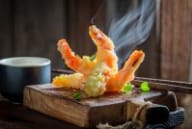
Japanese cuisine includes well‑known dishes such as sushi, tempura, and ramen, as well as many meals that highlight the natural flavors of rice, fish, and vegetables.
Each region of Japan has its own local specialties, and seasonal ingredients play an important role, allowing visitors to enjoy different flavors throughout the year.
Each region of Japan has its own local specialties, and seasonal ingredients play an important role, allowing visitors to enjoy different flavors throughout the year.
Can I drink tap water in Japan?
Yes. Tap water in Japan is safe to drink.
It is also common for restaurants to serve complimentary water.
It is also common for restaurants to serve complimentary water.
Are allergy labels available in Japan?
Some restaurants and packaged foods provide allergy information, but not all places display it.
If you have a severe allergy, we recommend checking in advance or confirming directly with the staff.
If you have a severe allergy, we recommend checking in advance or confirming directly with the staff.
Rules and Manners
I want to fly a drone in Japan. Are there any restrictions?
Flying a drone requires adherence to Japanese aviation law.
Any person who intends to operate a UA/Drone is required to follow the operational conditions outlined by the Minister of Land, Infrastructure, Transport and Tourism.
Please see the following portal site for the details:
Portal Site of Unmanned Aircraft System
Any person who intends to operate a UA/Drone is required to follow the operational conditions outlined by the Minister of Land, Infrastructure, Transport and Tourism.
Please see the following portal site for the details:
Portal Site of Unmanned Aircraft System
What dining manners should I be aware of in Japan?
Japanese dining etiquette is relatively simple, but the following points are helpful to know:
It is customary to say “Itadakimasu” before eating and “Gochisousama” after finishing a meal (although visitors are not required to say them).
Eating noodles such as ramen, soba, or udon with slurping sounds is not considered rude.
It is generally acceptable to leave your dishes on the table rather than holding them.
Eating while walking is discouraged in some areas.
In many restaurants, people dine quietly, but places like izakaya, food courts, and family restaurants tend to be more lively.
There are no strict rules—just follow the local atmosphere, and you will be fine.
There are no strict rules—just follow the local atmosphere, and you will be fine.
Are there any unique Japanese manners or etiquette I should know about?
There are a few customs unique to Japan, but none are difficult to follow.
Consideration for others and behaving quietly in public are generally valued. For example:
On trains and buses, people usually avoid talking loudly or making phone calls.
Queuing is important, and people are expected to wait in line and follow the order.
Public trash cans can be limited, so you may need to carry your trash with you until you find one.
In some stores and private homes, you may be asked to remove your shoes.
Being aware of these simple points is usually enough to avoid any issues.
If you are ever unsure, you can observe what people around you are doing or ask the staff for guidance.
Consideration for others and behaving quietly in public are generally valued. For example:
Being aware of these simple points is usually enough to avoid any issues.
If you are ever unsure, you can observe what people around you are doing or ask the staff for guidance.
What should I be careful about when taking photos in Japan?
You can take photos in many places in Japan, but please keep the following points in mind:
Some stores and facilities may display “no photography” signs.
At temples, shrines, and other religious sites, certain areas may be off‑limits for photography due to their sacred nature.
When taking photos of people, it is best to ask for permission beforehand.
Please follow the local signs and rules, and be considerate of your surroundings while capturing your memories in Japan.
Please follow the local signs and rules, and be considerate of your surroundings while capturing your memories in Japan.
Are tattoos a problem in Japan?
Tattoos generally do not cause problems in everyday life in Japan.
However, some onsen (hot springs), public baths, and pools may restrict entry for guests with tattoos.
We recommend checking each facility’s rules in advance for peace of mind.
For more information, please refer to the following guides:
How to Best Enjoy Japan’s Onsen
However, some onsen (hot springs), public baths, and pools may restrict entry for guests with tattoos.
We recommend checking each facility’s rules in advance for peace of mind.
For more information, please refer to the following guides:
How to Best Enjoy Japan’s Onsen
What should I be careful about when visiting temples, shrines, or other religious sites in Japan?
At temples and shrines, it is important to behave quietly and follow the posted signs and instructions.
Please avoid wearing overly revealing clothing, and do not enter areas marked as restricted.
Even if you are unfamiliar with the proper way to pray, simply observing and following the behavior of those around you is perfectly acceptable.
Please avoid wearing overly revealing clothing, and do not enter areas marked as restricted.
Even if you are unfamiliar with the proper way to pray, simply observing and following the behavior of those around you is perfectly acceptable.
How do I use an onsen or public bath in Japan?
In Japanese hot springs (onsen) and public baths (sento), the following basic rules apply:
Wash your body thoroughly before entering the bath.
Swimsuits are not worn; bathing is done without clothing.
Do not put towels in the bathwater.
Even first-time visitors can feel comfortable, as most facilities provide clear instructions.
We encourage you to try an onsen experience during your stay.
Even first-time visitors can feel comfortable, as most facilities provide clear instructions.
We encourage you to try an onsen experience during your stay.
Safety and Emergencies
I lost my wallet/phone/luggage.
If you have dropped something at a specific location, please contact that location directly first to confirm. If you still cannot find it, you can ask the police.
Tokyo Metropolitan Police Department Lost & Found
Some train stations and airports have a dedicated lost and found counter. The following links provide information on Lost&Found for major train routes and airports:
Public Transportation
Airport
Tokyo Metropolitan Police Department Lost & Found
Some train stations and airports have a dedicated lost and found counter. The following links provide information on Lost&Found for major train routes and airports:
What emergency contact numbers can I use while in Japan?
Here are the main emergency contact numbers and support resources available during your stay in Japan.
Please check the following link for details:
https://www.japan.travel/en/plan/hotline/
Please check the following link for details:
https://www.japan.travel/en/plan/hotline/
Others
Where are the JNTO offices located?
Where can I find information about accessibility?
